How to Choose the Best SS 304 HR Coil Manufacturer
Struggling to find a reliable SS 304 HR coil[^1] supplier? The wrong choice can disrupt your entire supply chain. Let's find a partner that guarantees quality and stability.
To choose the best SS 304 HR coil manufacturer, you must first define your project's specific needs, then evaluate potential suppliers' capabilities, quality certifications, pricing, and delivery logistics. This ensures a strategic partnership that supports your long-term business goals and supply chain stability.
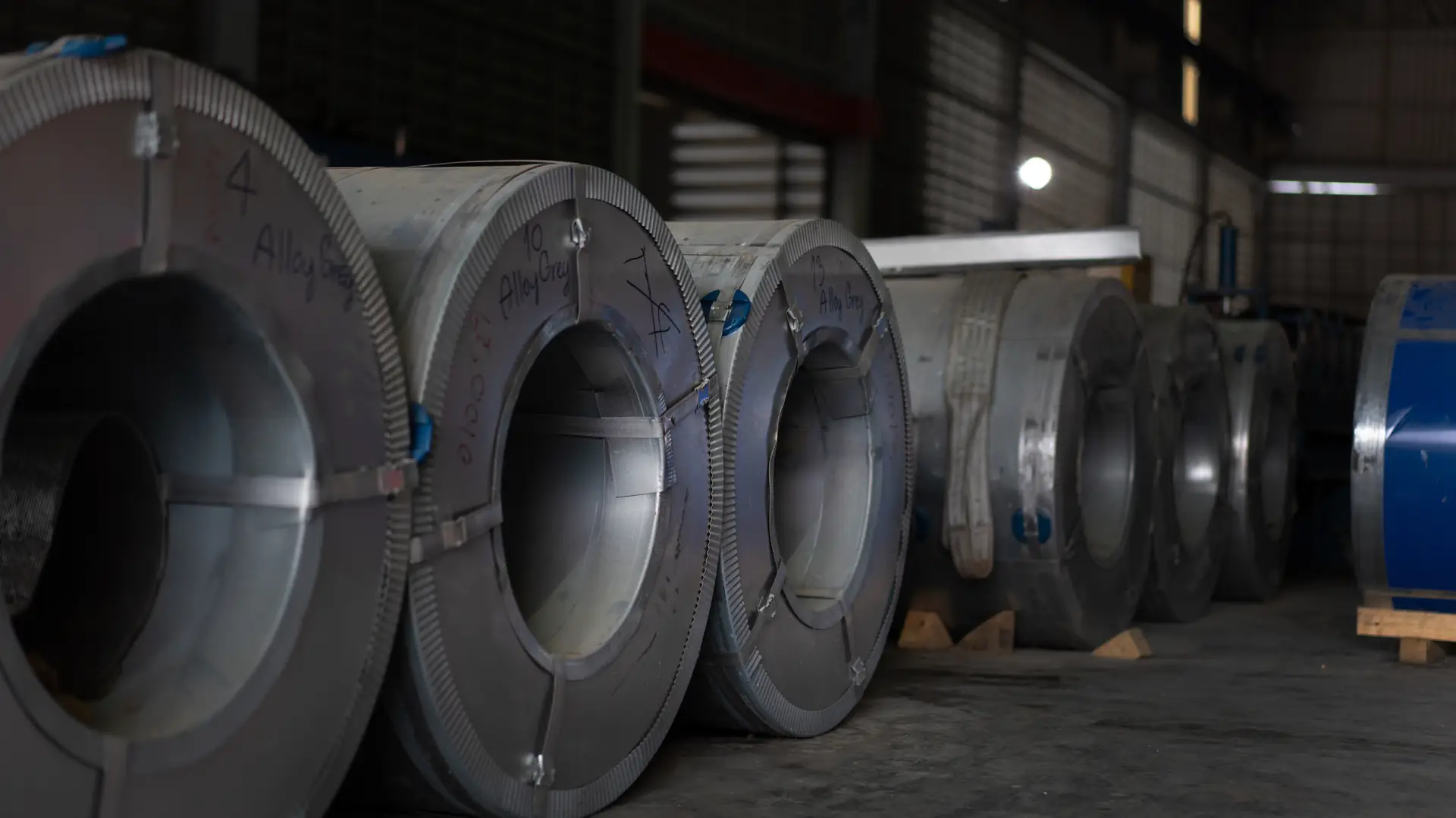
Selecting a manufacturer is more than just a transaction; it's a strategic partnership that impacts your bottom line. As Global Business Director at MFY, I've seen how the right supplier can transform a project. This choice is a core aspect of your business strategy, profoundly impacting the stability and cost-effectiveness of your entire supply chain. Let's break down the process step-by-step to ensure you make the best decision for your business.
How Do You Identify Your Specific Requirements for SS 304 HR Coils?
Unclear project needs lead to costly material mismatches. This ambiguity can cause production delays and budget overruns. Let's define your exact specifications for a perfect fit.
Identify specific requirements by detailing the required grade, thickness, width, finish, and application. Consider the material's necessary corrosion resistance and workability to ensure it meets both technical performance standards and your production process needs.
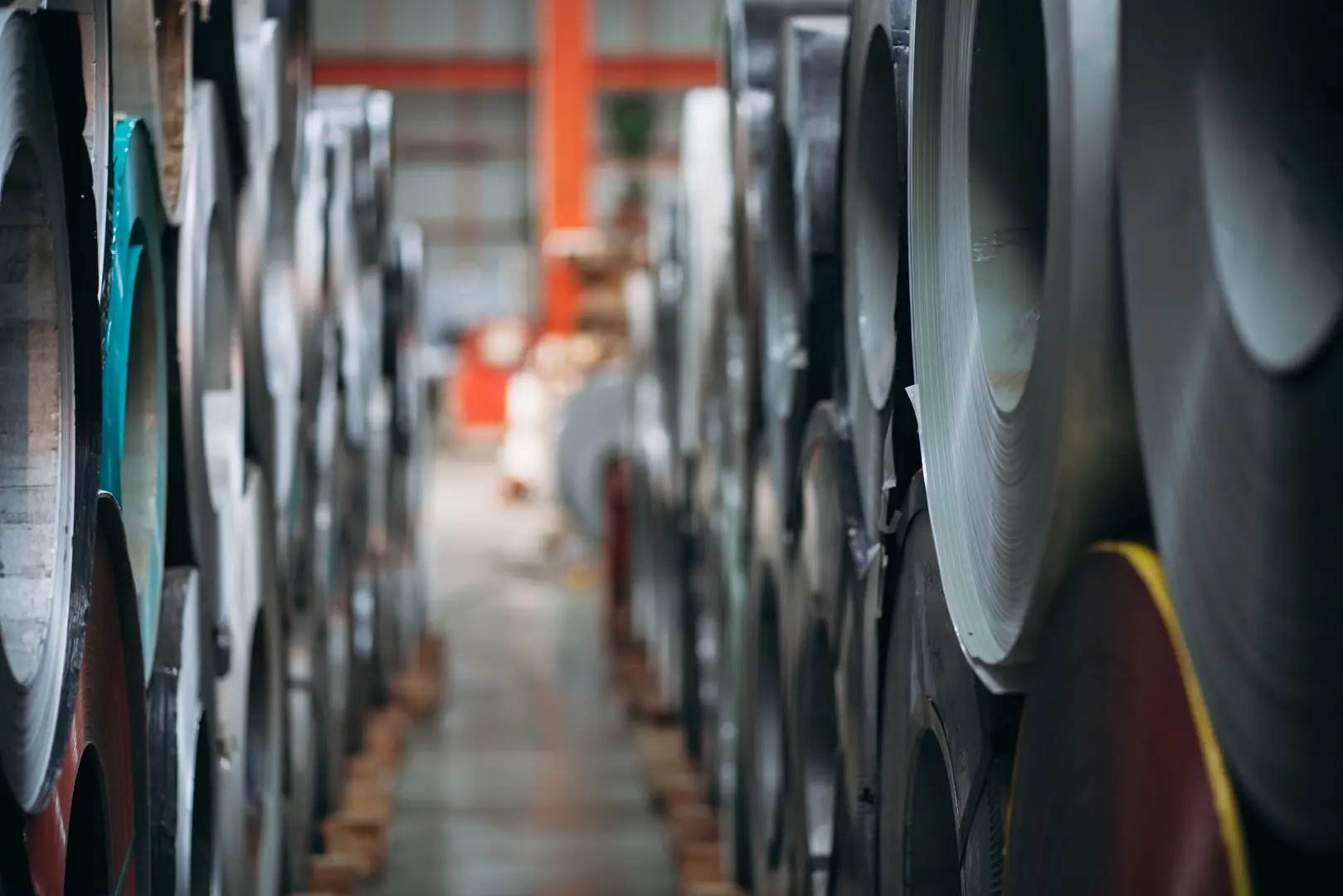
Before you even begin your search, you must have a crystal-clear understanding of what you need. This goes beyond simply asking for "SS 304 HR coil." The details are where projects succeed or fail. I remember a client in the automotive sector who initially overlooked the specific finish required for their stamping process. It caused significant tooling adjustments and delays. That experience taught me that a detailed specification sheet is the foundation of a successful partnership. For manufacturing companies and engineering contractors, the primary concerns are ensuring the material's performance characteristics align perfectly with the end-use application.
Technical Specifications
Your first step is to document the core technical data. This isn't just a formality; it's the language that communicates your exact needs to a potential manufacturer. Be precise. A vague request gets a vague response, but a detailed spec sheet gets you an accurate quote and the right material.
| Specification | Описание |
|---|---|
| Класс | Stainless Steel 304 (Hot Rolled) |
| Thickness & Tolerance | e.g., 3.0mm with a tolerance of +/- 0.1mm |
| Width & Tolerance | e.g., 1219mm with a tolerance of +/- 2mm |
| Отделка поверхности | e.g., No.1 Finish (HRAP - Hot Rolled, Annealed, and Pickled) |
| Coil Weight/ID | Maximum coil weight your equipment can handle and the inner diameter (ID). |
Application-Specific Needs
Next, think about how the material will be used. The workability of the coil is just as important as its chemical composition. Will it be deep-drawn, stamped, welded, or laser cut? Each process puts different stresses on the material. Communicating this to your supplier allows them to provide a coil with the optimal properties for your manufacturing line, ensuring both high performance and cost-effectiveness. The right partner will understand these nuances and guide you.
How Should You Research Potential Manufacturers and Evaluate Their Capabilities?
The market is flooded with suppliers, making it hard to spot the truly capable ones. Choosing blindly risks partnering with an unreliable manufacturer. Here’s how to vet them effectively.
Research manufacturers by examining their production capacity, technological innovation, and market reputation. Evaluate their supply chain integration and ability to handle large or custom orders, as this reflects their reliability and operational strength in the global market.
Once your requirements are set, the search begins. In today's global market, a top-tier manufacturer excels not just in production capacity but also in innovation and service. You are looking for a partner, not just a vendor. A thorough evaluation of a manufacturer's technological capabilities, the modernization of their production facilities, and their reputation in the international market are crucial indicators of a top supplier. This is where you separate the leaders from the followers. At MFY, we've built our reputation on a fully integrated supply chain, which gives us—and our clients—a significant advantage in agility and resilience.
Assessing Production and Technology
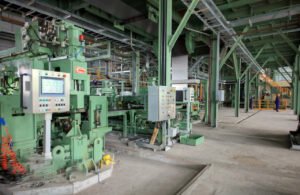
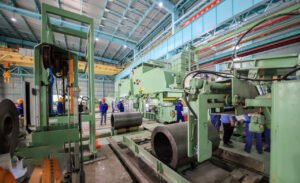
A manufacturer's factory floor tells a powerful story. Look for evidence of investment in modern technology. Advanced rolling mills and quality control systems lead to better consistency, tighter tolerances, and superior material properties. Ask about their production capacity. Can they scale with you as your business grows? A supplier with limited capacity can become a bottleneck. Furthermore, their innovation capabilities are a window into their future-readiness. Are they exploring new alloys or more efficient production methods? This forward-thinking approach is a sign of a company built for long-term success.
Gauging Market Reputation and Supply Chain Strength
A company's reputation is earned over years of consistent performance. Look for case studies, client testimonials, and their presence in key international markets. A strong global network is a sign of trust and reliability. Critically, assess their supply chain. Is it fully integrated from raw materials to finished product? This is a key strength. An integrated model, like ours at MFY, provides greater control over quality, cost, and delivery schedules. It means we can adapt quickly to market changes and provide a one-stop solution, which is a massive strategic advantage for our clients.
Why Is It Crucial to Assess the Quality Standards and Certifications of Manufacturers?
Subpar materials can lead to product failure and reputational damage. Without proper verification, you're gambling with quality. Let's ensure your supplier meets global standards.
Assessing quality standards and certifications like ISO 9001 is crucial because it guarantees the material's consistency, performance, and compliance with international regulations. This verification minimizes risks and ensures the SS 304 HR coils meet your project's stringent requirements.
Certifications are not just pieces of paper; they are your assurance of quality and consistency. They prove that a manufacturer has subjected their processes to the scrutiny of an independent third party and met internationally recognized standards. We once helped a client in Europe who had received a shipment of non-compliant material from a previous vendor. The financial and reputational fallout was immense. It reinforced my belief that at MFY, our certifications aren't just for show—they are a core promise to our customers. When you see a certification, you are seeing a commitment to a documented, repeatable process that produces a reliable product every single time.
Key Certifications to Look For
Different markets and industries have different requirements, but some certifications are universally recognized as hallmarks of quality. Your potential partner should be able to provide these without hesitation.
| Certification | What It Signifies |
|---|---|
| ISO 9001 | A commitment to a comprehensive Quality Management System (QMS). |
| ASTM/ASME | Compliance with technical standards for materials used in North America. |
| EN Standards | Conformance with European standards (e.g., EN 10088). |
| Сертификат об испытании мельницы (MTC) | A detailed report of the specific coil's chemical and mechanical properties. |
Beyond the Certificate: The Quality Culture
While certificates are essential, you should also try to gauge the manufacturer's overall "quality culture." Do they talk about continuous improvement? Are their quality control teams empowered? A truly great manufacturer integrates quality into every step, from sourcing raw materials to final packaging. They see quality not as a department, but as a company-wide responsibility. This mindset is what ultimately protects your investment and ensures the long-term performance of your products.
How Can You Effectively Compare Pricing and Delivery Options?
Focusing only on the lowest price can hide significant long-term costs. Inefficient logistics can erase any initial savings. Let's evaluate the total value, not just the price tag.
Compare pricing by requesting detailed quotes that include material costs, shipping, and any additional fees. Evaluate delivery options by assessing lead times, logistical capabilities, and the manufacturer's track record for on-time performance, ensuring a cost-effective and reliable supply chain.
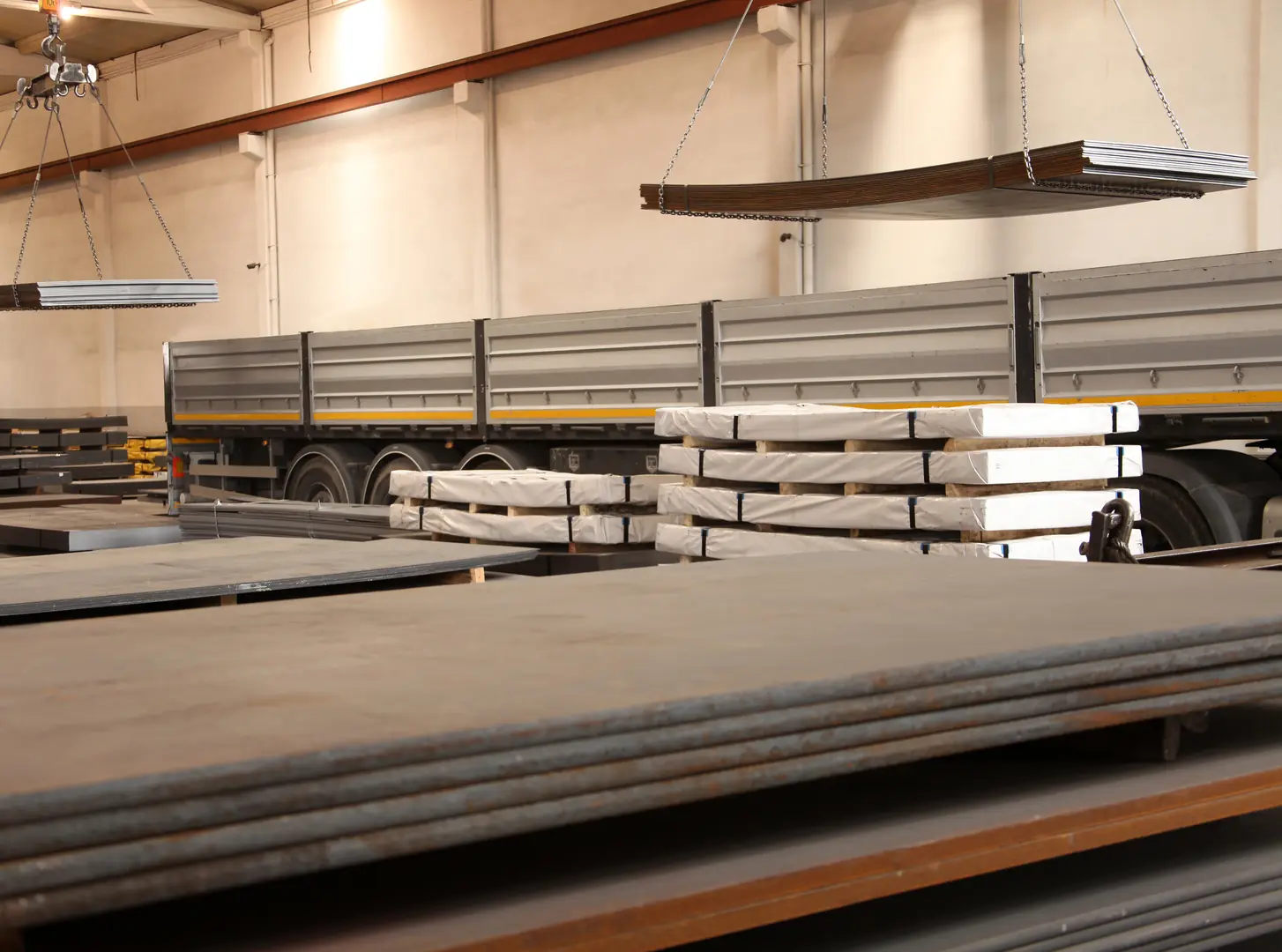
The price per ton is an important number, but it's only part of the equation. As the complexity of the global market increases, choosing a partner with competitive pricing и rapid, reliable delivery capabilities is an essential strategy for success. The true cost of your material includes logistics, lead times, and the risk of delays. A cheaper product that arrives late can cost you far more in lost production and missed deadlines than a competitively priced product that arrives exactly when you need it. This is where a manufacturer's supply chain integration becomes a critical competitive advantage.
Understanding the Total Cost of Ownership (TCO)
Look beyond the initial quote and calculate the TCO. This includes the unit price, freight costs, insurance, import duties, and any potential costs associated with delays or quality issues. A supplier with a sophisticated logistics team and established shipping routes can often deliver a lower TCO even if their initial price isn't the absolute lowest.
| Фактор стоимости | Supplier A (Low Price) | Supplier B (Integrated) |
|---|---|---|
| Price per Ton | $2,200 | $2,250 |
| Lead Time | 8-10 weeks | 5-6 weeks |
| Shipping Cost | Variable, arranged by buyer | Fixed, managed by supplier |
| Risk of Delay | Высокий | Низкий |
| TCO Impact | Potentially higher due to delays | More predictable and stable |
Evaluating Logistical Strength
A manufacturer's logistical capabilities are a direct reflection of their experience and scale. Ask potential partners about their export process. Do they have dedicated teams? What are their relationships with shipping lines? A partner like MFY, with its strong production, inventory, and rapid export delivery systems, can offer a level of certainty and speed that less integrated suppliers simply cannot match. This agility allows our clients to manage their inventory more efficiently and respond faster to market demands.
What Is the Best Way to Make an Informed Decision?
With so much data, making the final choice can be overwhelming. Paralysis by analysis can delay your project. Here’s a simple framework for a confident decision.
Make an informed decision by using a weighted scoring matrix to objectively compare shortlisted manufacturers across all criteria: technical specs, capability, quality, price, and delivery. This comprehensive analysis ensures your choice aligns with your long-term strategic goals.
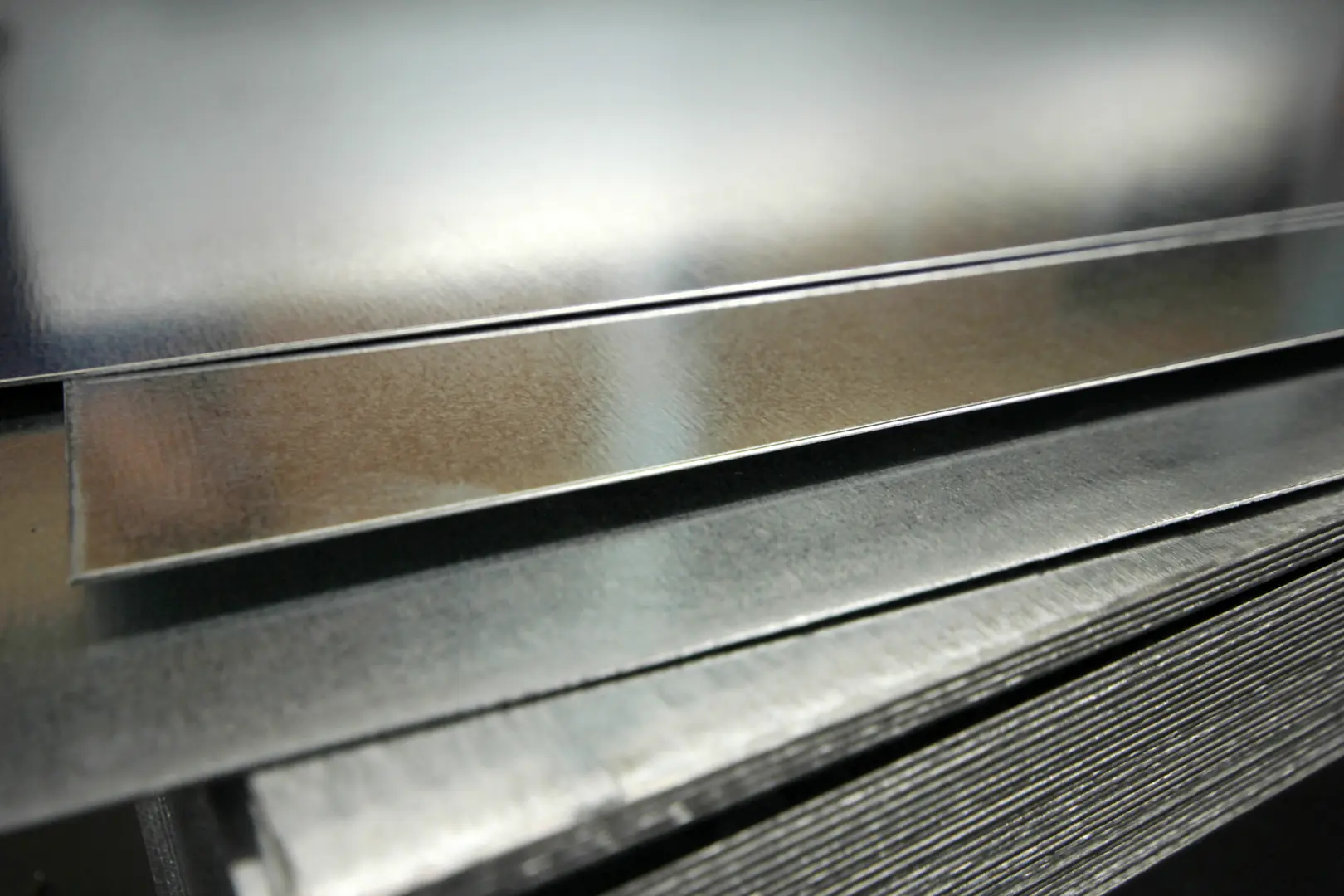
You've done the research and gathered the data. Now it's time to synthesize it all into a final, confident choice. This isn't just about picking the "best" manufacturer in a vacuum; it's about picking the best partner for your specific business needs. The goal is to find a supplier who can provide a one-stop solution and adapt flexibly to market changes alongside you. This decision should be based on a comprehensive analysis that balances all the factors we've discussed, from technical quality to logistical prowess. An objective framework can help remove emotion and bias from the process.
The Power of a Supplier Scorecard
A supplier scorecard, or a weighted scoring matrix, is an excellent tool for this. It allows you to assign importance (weight) to different criteria based on your business priorities and then score each potential supplier accordingly. This creates a clear, data-driven comparison.
| Criterion (Example) | Weight | Supplier A Score (1-5) | Supplier B Score (1-5) |
|---|---|---|---|
| Quality & Certs | 30% | 4 | 5 |
| Production Capacity | 20% | 5 | 4 |
| Total Cost (TCO) | 25% | 3 | 5 |
| Delivery & Logistics | 25% | 2 | 5 |
| Weighted Total | 100% | 3.45 | 4.75 |
Choosing a Long-Term Partner
Ultimately, the numbers on your scorecard should guide you toward a supplier that feels like a strategic fit. The best manufacturer is one that invests in your success, communicates clearly, and demonstrates the resilience to navigate a dynamic global market. This decision lays the groundwork for a relationship that can strengthen your supply chain, reduce long-term costs, and give you a competitive edge for years to come.
Заключение
Choosing the right SS 304 HR coil manufacturer is a strategic move. By systematically evaluating requirements, capabilities, quality, and total value, you secure a reliable partner. This ensures supply chain stability and drives your long-term success in a competitive global market.
У вас есть вопросы или нужна дополнительная информация?
Свяжитесь с нами, чтобы получить индивидуальную помощь и квалифицированный совет.




 Русский
  English