
Black Spot Defects: Causes and Removal Protocols for Stainless Steel Sheet
Flawless stainless steel is essential. But black spots ruin its appearance and value. We have the protocols to ensure pristine surfaces and protect your investment.
Eliminating black spot defects involves identifying their root cause, typically contamination or improper processing. Effective removal uses targeted mechanical polishing or chemical treatments, while prevention relies on stringent cleaning protocols, controlled annealing, and advanced quality control measures throughout the production and handling process.
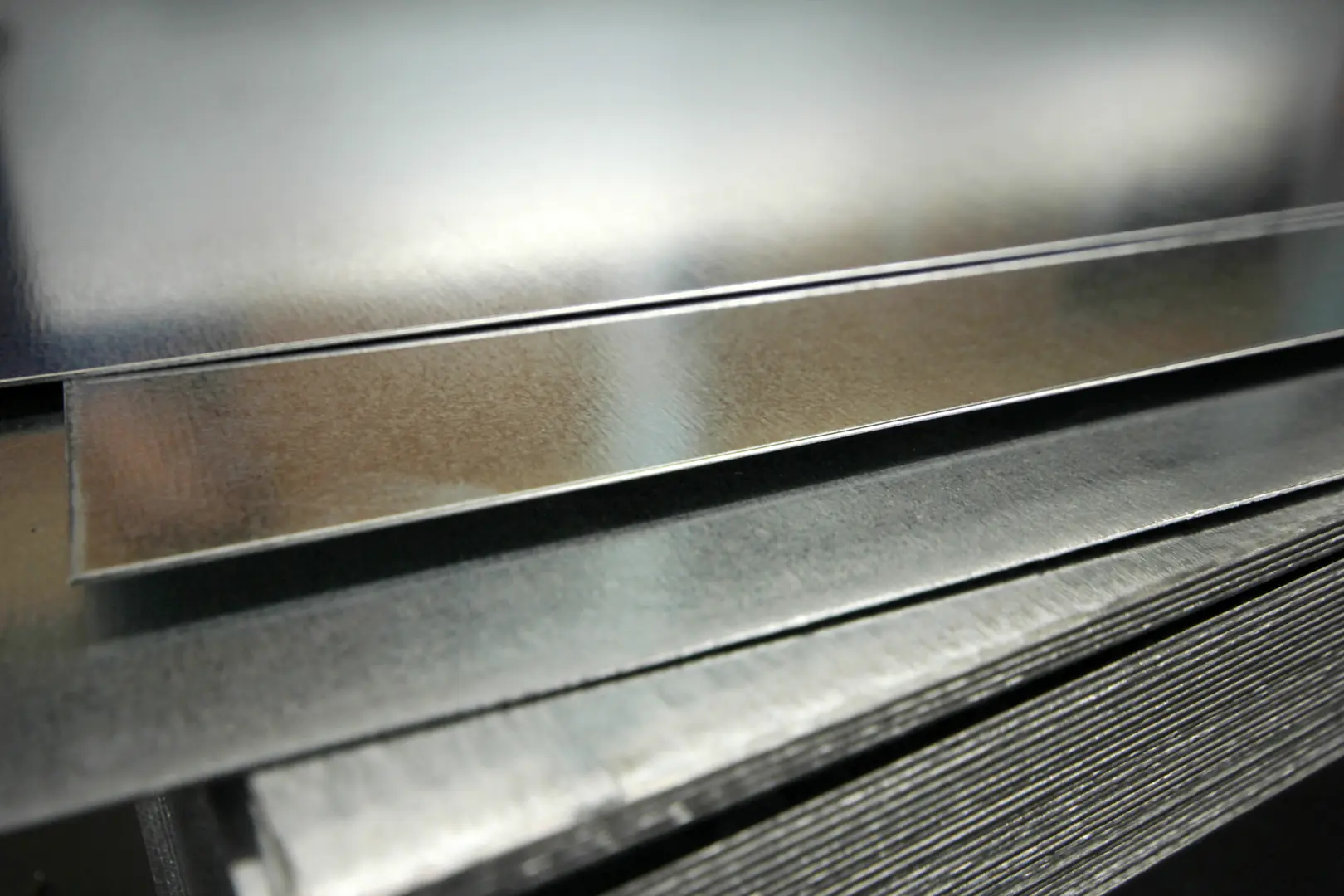
As Global Business Director at MFY, I've seen how these small blemishes can cause big problems for our partners. They can halt production, lead to project rejections, and damage a company's reputation for quality. The good news is that these defects are both understood and manageable. Let's break down what they are and how to handle them effectively to ensure your supply chain delivers only the best.
What Exactly Are Black Spot Defects on Stainless Steel Sheets?
You see a dark blemish on a new steel sheet. It's frustrating and raises quality concerns. These are black spot defects, a common but manageable surface issue.
Black spot defects are localized surface blemishes on stainless steel sheets, appearing as dark, often pin-point sized spots. They are typically composed of embedded foreign particles, oxides, or other contaminants that disrupt the sheet's uniform, passive layer and aesthetic finish.
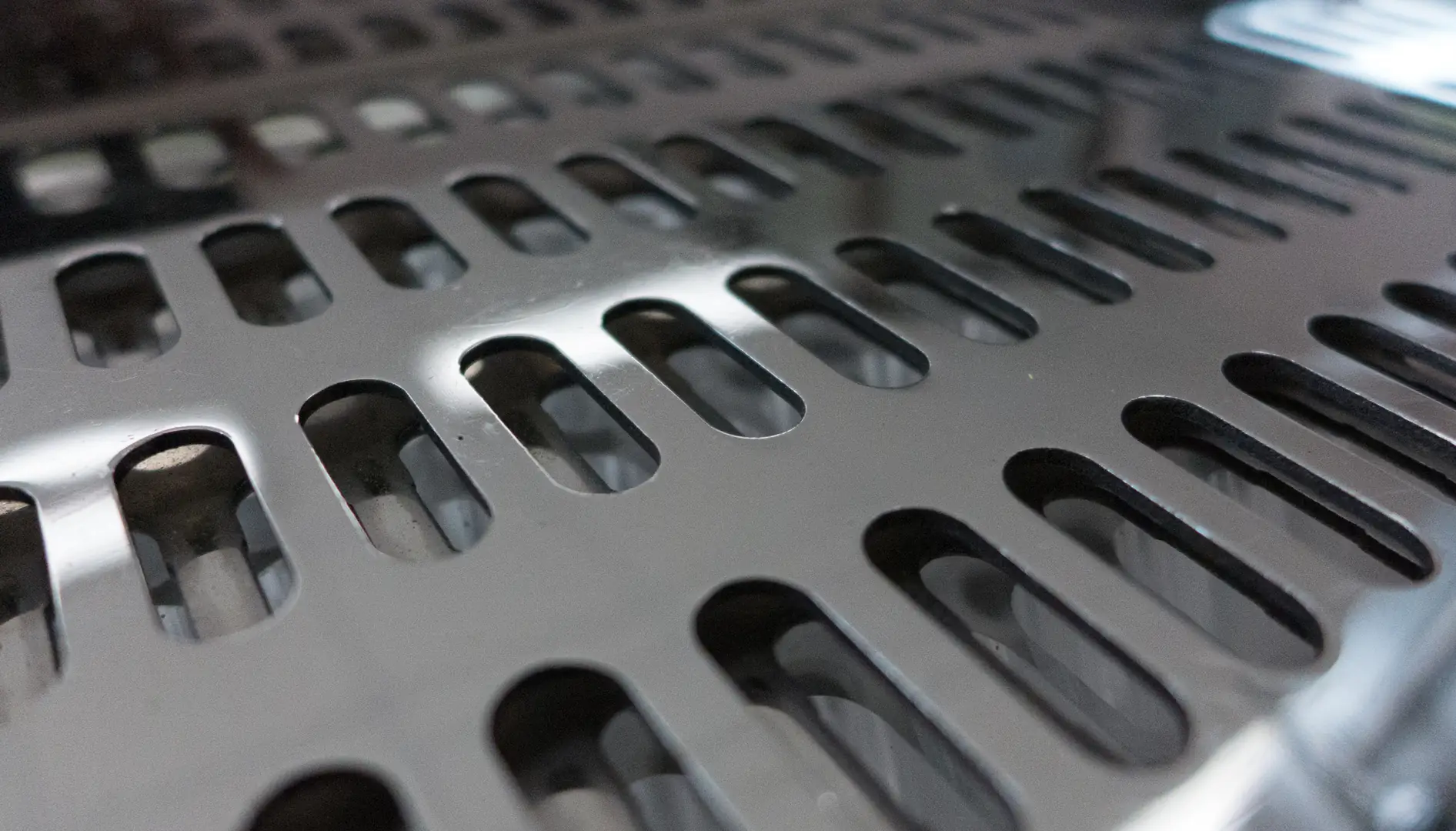
At first glance, a black spot might seem like a simple cosmetic flaw, but it's crucial to understand what's happening at a microscopic level. These are not just stains on the surface; they are often physical or chemical interruptions in the material's protective layer. Surface integrity is everything in our industry, and these defects represent a breach. I recall a case with a client in the automotive sector where tiny black spots, initially dismissed as cosmetic, led to premature corrosion around a welded joint. It taught us a valuable lesson: a perfect surface is the first line of defense against environmental attack.
A Surface-Level Problem with Deeper Implications
The integrity of a stainless steel sheet lies in its passive layer—a thin, invisible film of chromium oxide that forms naturally on the surface and protects the iron underneath from rusting. A black spot is a point where this layer has been compromised or was never able to form correctly. This makes the spot a potential starting point for точечная коррозия[^1], which can be far more damaging than uniform corrosion. It’s a small flaw that can lead to a big failure.
Composition of a Black Spot
Understanding the composition of the defect is key to diagnosing the root cause. At MFY, our quality control labs often analyze these spots and typically find one of the following culprits.
| Defect Type | Common Cause | Внешний вид |
|---|---|---|
| Встроенные частицы | Dust, debris from rollers, metal filings | Sharp, dark, irregular shape |
| Oxide Inclusions | Inadequate atmospheric control during annealing | Dull, dark, often slightly recessed |
| Lubricant Residue | Improper cleaning before heat treatment | Smudgy, less defined, can be widespread |
What Are the Root Causes of Black Spots Forming on Stainless Steel Sheets?
These defects seem to appear from nowhere. This unpredictability costs you time and money. The cause is usually found in the production or handling stages.
The primary causes of black spot defects are contamination and process control failures. This includes foreign particles from rolling mills, inadequate cleaning before annealing, improper atmospheric conditions during heat treatment, and contaminated lubricants or pickling acids used during manufacturing.

The core insight we've gained over decades in this business is that you can't solve a problem you don't understand. Chasing after individual defects is inefficient. You must go upstream to the source. The root cause of black spots almost always falls into two categories: something got on the steel that shouldn't have, or a critical process step was not executed with sufficient precision. At MFY, we've invested heavily in what we call 'process hygiene.' This means our rolling mills are maintained in near-cleanroom conditions, and our annealing lines use real-time gas monitoring to ensure a perfectly controlled, inert atmosphere. It’s an upfront cost that prevents much larger costs down the line.
Contamination in the Production Line
The journey of a stainless steel coil is long, and there are many opportunities for contamination. Microscopic iron particles from guide rollers, dust from the factory environment, or residue from cleaning agents can all become embedded in the sheet's surface during the high-pressure rolling process. If these particles are not meticulously removed before the final annealing (heat treatment), they can react with the steel at high temperatures, creating a permanent blemish. This is why our cleaning stages are so rigorous, involving multiple chemical and mechanical steps to ensure the surface is absolutely pristine before it enters the furnace.
Failures in Process Control
Annealing is a critical step that gives stainless steel its desired mechanical properties, but it must be done in a controlled atmosphere. If oxygen is present in the furnace, it will cause the surface to oxidize unevenly, creating dark oxide spots. Similarly, the pickling process, which uses acid to remove scale after annealing, can be a source of defects if the acid bath becomes contaminated with dissolved metals. These metals can then be redeposited onto the sheet's surface, creating blemishes. Precision is non-negotiable in these stages.
How Do Black Spot Defects Impact Sheet Performance and Appearance?
A small spot seems minor. But it can compromise the entire project. This defect impacts aesthetics, corrosion resistance, and your brand's reputation for quality.
Black spot defects significantly degrade the aesthetic value of stainless steel sheets, making them unacceptable for architectural or consumer-facing applications. Functionally, they disrupt the protective passive layer, creating initiation sites for pitting corrosion and reducing the material's long-term durability and performance.

The impact of a black spot defect goes far beyond what you can see. For our clients in sectors like architectural design, food processing equipment, or medical devices, surface finish is not just about looks—it's a functional requirement. A flawed surface can be a point of failure, a site for bacterial growth, or a reason for a multi-million dollar project to be rejected. We treat every square meter of steel we produce as a critical component, because for our customers, it is. The cost of a defect isn't just the value of the steel; it's the value of the trust our clients place in us.
The Obvious Aesthetic Cost
For applications where stainless steel is chosen for its clean, modern look—such as kitchen appliances, elevator panels, or building facades—any visual imperfection is unacceptable. A single visible black spot can lead to the rejection of an entire sheet, causing production delays and material waste. This is the most immediate and obvious impact.
The Hidden Functional Risk
The more serious impact is on performance. As mentioned, a black spot is a weak point in the steel's corrosion defense. In a saltwater environment or in the presence of industrial chemicals, this small spot can become the epicenter of rapid, localized corrosion that eats into the material, potentially leading to structural failure over time.
| Зона воздействия | Описание |
|---|---|
| Эстетика | Reduces visual appeal, leading to rejection for finishing applications. |
| Устойчивость к коррозии | Creates weak points in the passive layer, promoting localized corrosion. |
| Cleanability | The defect site can trap bacteria, a major issue in food/medical grades. |
| Economic Cost | Leads to material rejection, rework, and potential warranty claims. |
What Are the Most Effective Methods for Removing Black Spot Defects?
You've found a black spot. Scrapping the sheet is costly. You need a reliable way to remove it without damaging the surrounding surface.
Effective removal methods depend on the defect's nature. Mechanical methods like fine-grit grinding or polishing are used for embedded particles. Chemical methods, such as targeted pickling or passivation with specific acid pastes, are effective for oxide-based spots or surface stains.
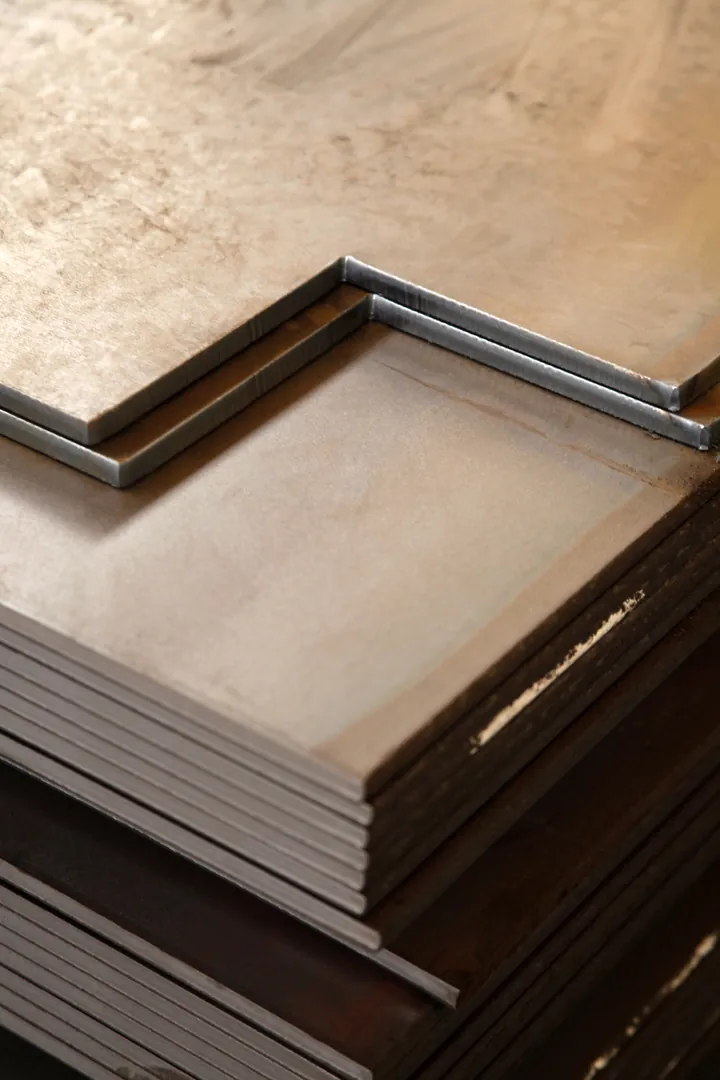
While our primary goal is prevention, we also have to be experts in remediation. Sometimes a defect occurs during post-production handling or installation. Knowing how to properly remove it is a critical skill. I worked with a construction contractor in Dubai who had an issue on a large facade panel after installation. We flew in a specialist who used a targeted pickling paste[^2]. It saved them from replacing a massive, expensive panel. It showed me that having the right removal protocol is just as important as the production process itself. The key is to match the method to the defect and to always, always restore the passive layer afterward.
Mechanical Removal Protocols
If the black spot is caused by a physically embedded particle, mechanical removal is often the best approach. This involves carefully abrading the surface to remove the contaminant. However, this is a delicate operation. You must use a very fine-grit abrasive (600 grit or higher) and work gently in the direction of the existing grain or finish. The goal is to remove only the defect, then blend the area seamlessly with the surrounding surface. After mechanical treatment, the area must be thoroughly cleaned and then chemically passivated to restore its protective layer.
Chemical Removal Protocols
For defects caused by oxides or chemical stains, a targeted chemical treatment is more effective. This typically involves using a pickling paste, which contains a mixture of nitric and hydrofluoric acids. This is a hazardous material and must be handled with extreme care and proper personal protective equipment (PPE). The paste is applied only to the spot, left for a short, specified time, and then completely neutralized and rinsed away. This process chemically dissolves the oxide or stain. As with mechanical removal, a final passivation step is essential to ensure long-term corrosion resistance.
What Are the Best Practices to Prevent Black Spots in the First Place?
Removing defects is reactive. It costs time and resources. A proactive prevention strategy is far more efficient and profitable for your operations.
Prevention is the best strategy. Best practices include maintaining extreme cleanliness in the rolling and annealing environments, using highly filtered lubricants and acids, ensuring precise atmospheric control during heat treatment, and implementing advanced inspection systems like automated optical inspection (AOI) to catch issues early.
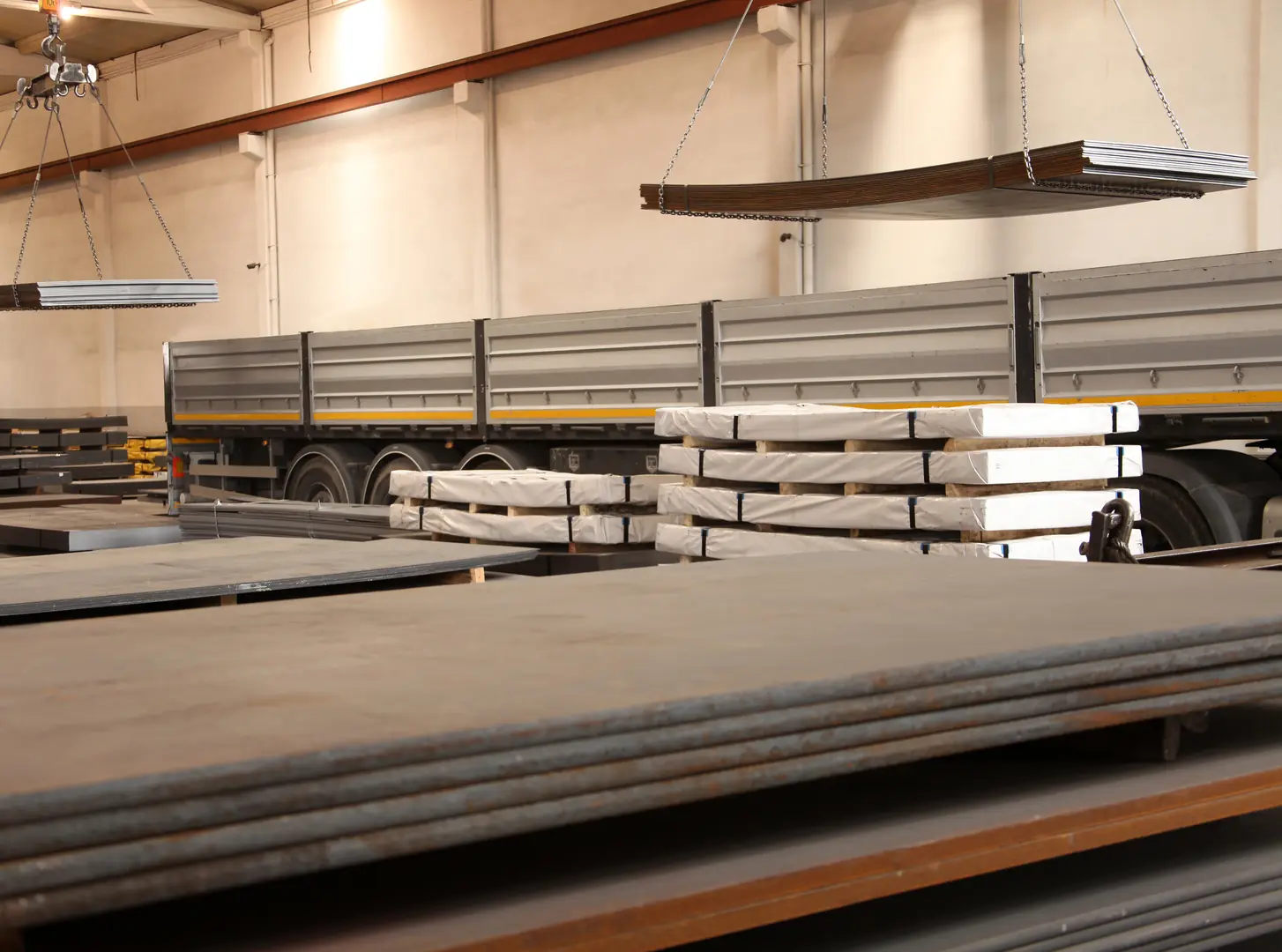
Ultimately, our reputation at MFY is built not on fixing problems, but on preventing them. This philosophy is embedded in every stage of our operation, from raw material sourcing to final packaging. Prevention isn't a single action; it's a culture of continuous improvement and vigilance. This isn't just about our factory, either. We audit our raw material suppliers and logistics partners to ensure their handling procedures meet our standards. A defect can be introduced at any stage, so prevention has to cover the entire supply chain. That's our commitment to delivering a product that is perfect, every time.
A Culture of Cleanliness
The foundation of defect prevention is cleanliness. Our production facilities utilize filtered air systems, our rollers are cleaned on a strict schedule, and our staff adhere to protocols that minimize the introduction of foreign particles. Every step is designed to protect the pristine surface of the steel.
Precision Process Control and Advanced Inspection
We use real-time sensors and automated feedback loops on our annealing lines to maintain the perfect atmospheric gas composition and temperature. This eliminates the risk of oxidation. Furthermore, we deploy Automated Optical Inspection (AOI)[^3] systems. These high-speed cameras scan every square meter of our finished coils, detecting and flagging imperfections far smaller than the human eye can reliably see. This allows us to identify and address any potential process issues immediately, long before they affect a customer's order.
Заключение
Black spot defects are preventable. By understanding their causes in contamination and processing, we can implement targeted removal and prevention protocols. A focus on process hygiene, precision control, and advanced inspection is the key to delivering the flawless stainless steel your projects demand and deserve.
У вас есть вопросы или нужна дополнительная информация?
Свяжитесь с нами, чтобы получить индивидуальную помощь и квалифицированный совет.




 Русский
  English