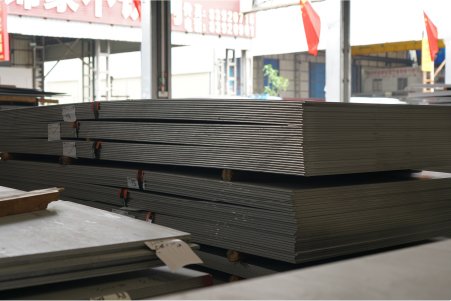
Stainless Steel Plate 304/304L No. 1 Finish: How to Ensure Consistent Quality for Industrial Applications
Struggling with inconsistent steel plate quality? This variability risks project integrity and costs. We ensure reliability through a strict, multi-stage quality assurance process from mill to delivery.
Ensuring consistent quality for 304/304L No. 1 finish plates involves a comprehensive strategy. This includes understanding material characteristics, defining strict quality parameters, implementing robust manufacturing controls, conducting rigorous testing, and maintaining proper handling and storage protocols throughout the supply chain.
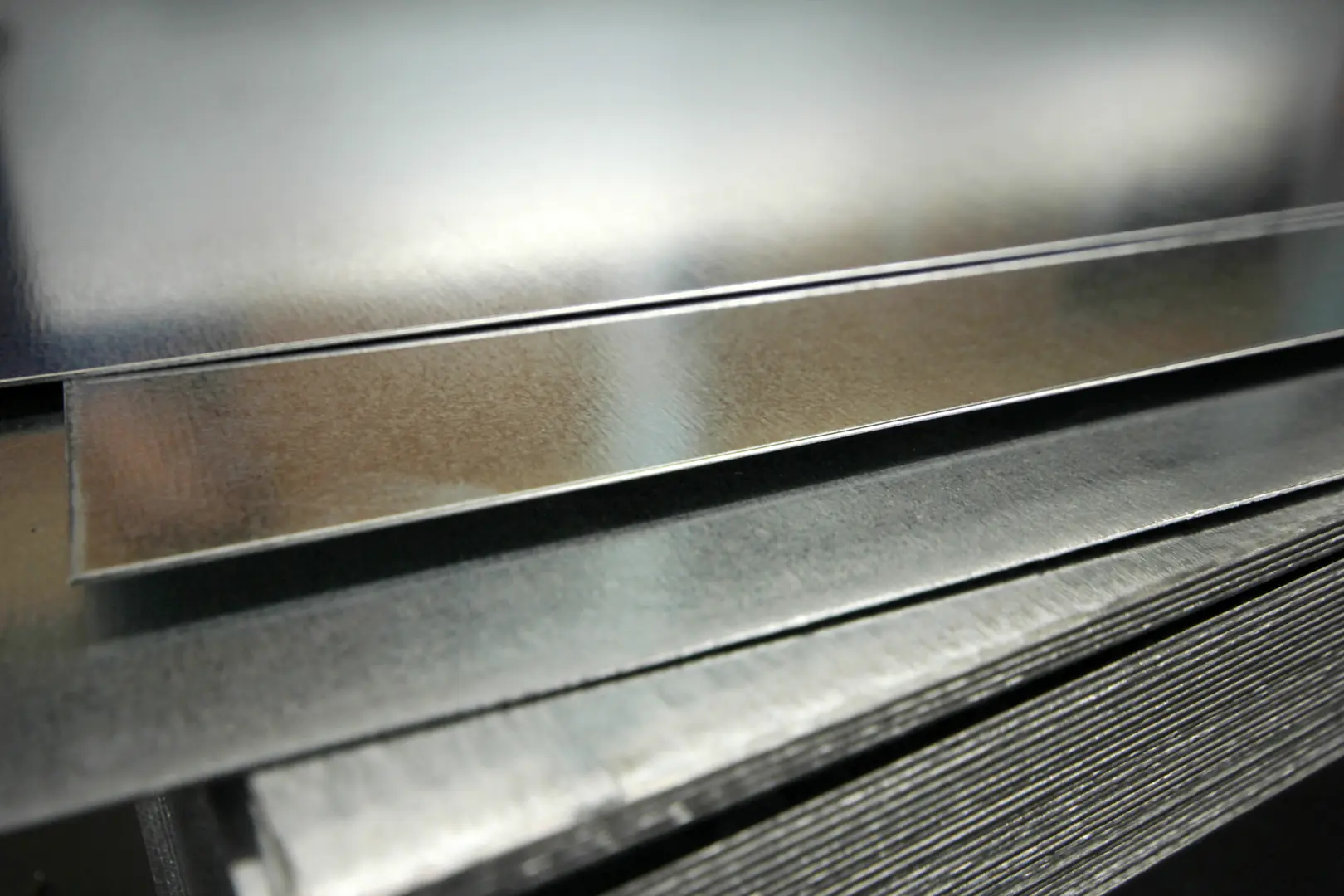
As the Global Business Director at MFY, I’ve seen firsthand how crucial material consistency is for our partners in manufacturing, construction, and equipment fabrication. It's not just about meeting a spec sheet; it's about delivering predictable performance that you can build your business on. Let's break down how we approach this challenge. It's a system built on precision and deep industry knowledge, designed to give our partners the confidence they need.
What are the key characteristics of a 304/304L No. 1 Finish stainless steel plate?
Unsure what makes a No. 1 finish unique? Misunderstanding its properties can lead to incorrect applications. This finish is defined by its specific appearance and mechanical properties.
The 304/304L No. 1 finish is characterized by its rough, dull, and non-reflective surface, resulting from hot-rolling, annealing, and pickling. It offers excellent corrosion resistance, formability, and weldability, making it ideal for non-cosmetic, structural industrial applications.
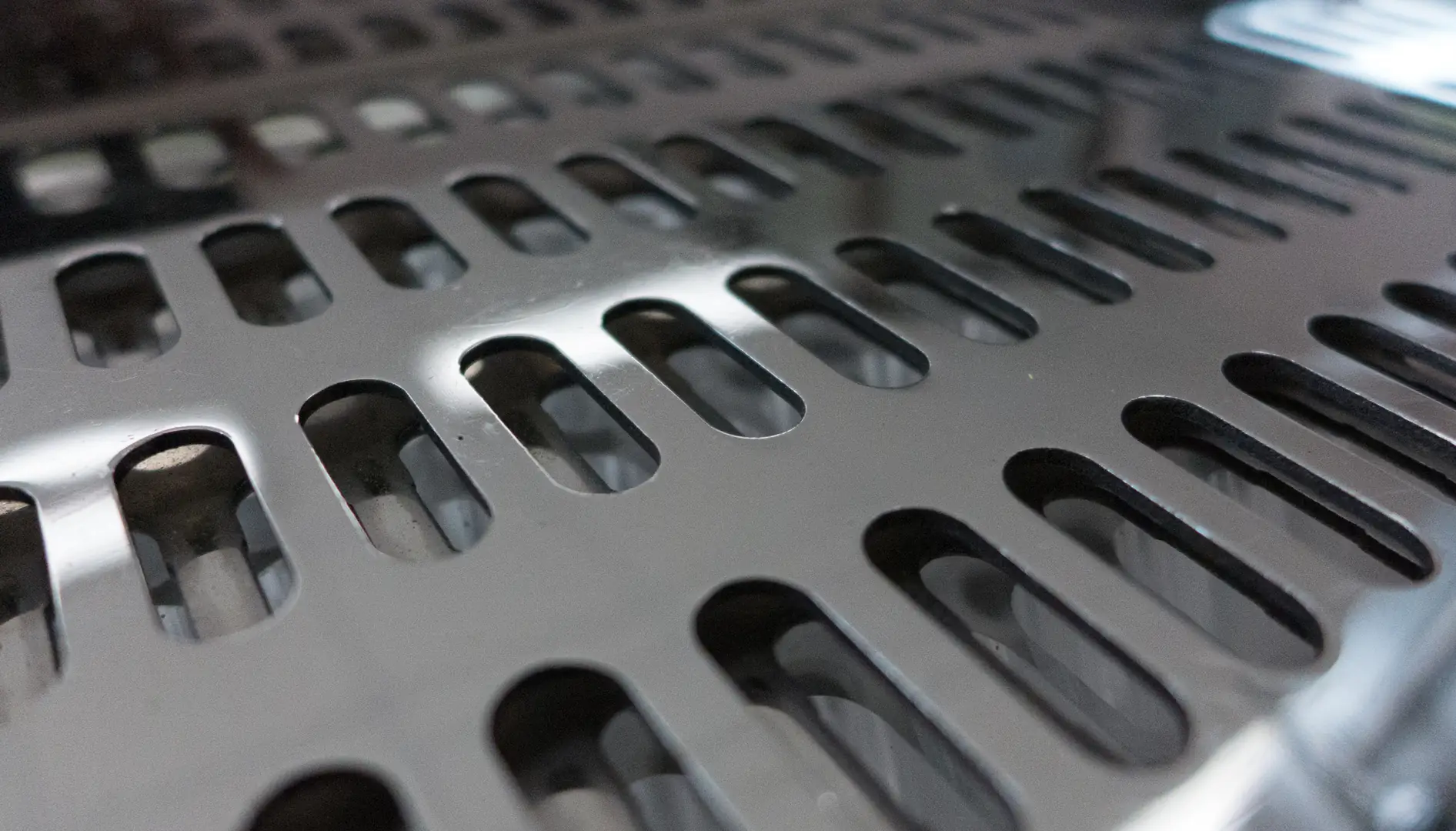
The No. 1 finish is the starting point for many stainless steel products, and its fundamental qualities are what make it a workhorse in heavy industry. It’s not designed to be pretty; it’s designed to be tough, reliable, and functional. The entire process is geared towards creating a plate with sound metallurgical properties. At MFY, we see our control over this foundational process as a key competitive advantage. Because we are deeply integrated into the supply chain, we can ensure that from the moment the raw materials are selected, every step is optimized for the final industrial application. This includes precise control over the annealing process[^1], which is critical for relieving internal stresses and achieving the desired ductility and toughness.
The Manufacturing Process
The signature look and feel of a No. 1 finish come from a three-step process: hot-rolling the steel slab to the desired thickness, annealing it (heating and cooling under controlled conditions) to refine its grain structure, and finally, pickling it in an acid bath to remove the surface scale that forms during the high-temperature processes. This final step is crucial for maximizing corrosion resistance, as any remaining scale can become a site for rust to begin.
Material Composition: 304 vs. 304L
The "L" in 304L stands for "low carbon." This subtle difference in chemistry has a significant impact on performance, especially in welded applications where corrosion resistance is paramount.
| Класс | Max Carbon Content | Ключевое преимущество | Типичный пример использования |
|---|---|---|---|
| SS 304 | 0.08% | Higher strength | General structural components, kitchen equipment |
| SS 304L | 0.03% | Prevents carbide precipitation | Welded parts in corrosive environments |
Which key quality parameters should you identify for industrial applications?
Do your steel plates meet project specs? Vague parameters lead to costly failures. Defining clear metrics for thickness, flatness, and composition is essential for performance and safety.
Key quality parameters for industrial 304/304L plates include precise chemical composition, consistent mechanical properties (tensile strength, yield strength), strict dimensional tolerances (thickness, flatness), and a uniform surface finish free from defects like pits or scale.
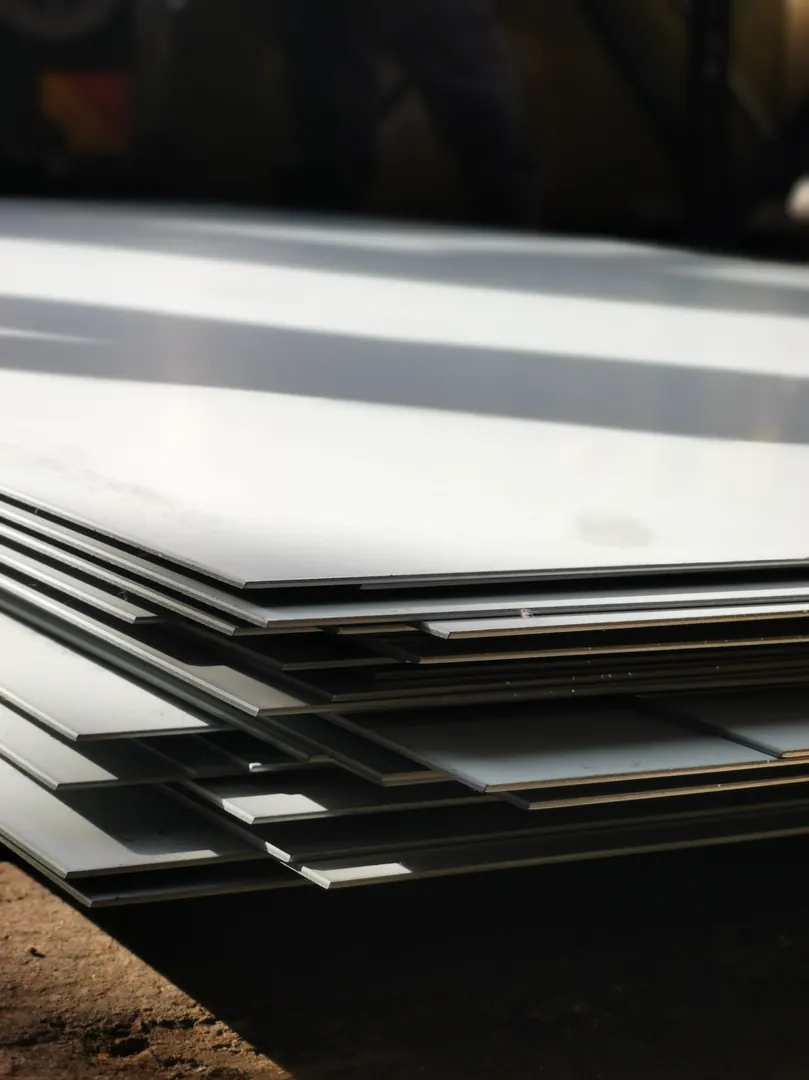
Defining these parameters upfront is the most important conversation we have with our clients. I remember a case with a partner in Germany fabricating large chemical storage tanks. Their initial specifications were standard, but after discussing the application, we realized their automated welding process required extremely tight thickness and flatness tolerances to avoid costly rework. By understanding their need, we were able to select a production run that met a much stricter standard than the industry norm. This is where a deep partnership adds value beyond just supplying material. It's about understanding the "why" behind the "what." This collaborative approach prevents problems before they start and ensures the material is perfectly suited for the client's unique process, ultimately saving them time and money.
Dimensional Accuracy
For automated fabrication and assembly, consistency is everything. Any deviation in thickness, width, or flatness can halt a production line. We enforce strict tolerances to ensure every plate fits and functions as designed.
Mechanical Properties
The strength and ductility of the steel are non-negotiable. These properties determine how the material will behave under stress, whether from heavy loads, high pressures, or forming processes. We verify these properties through rigorous testing.
Surface Integrity
While the No. 1 finish is not cosmetic, it must be free from defects that could compromise its integrity. Pits, deep scratches, or residual scale can create weak points or become initiation sites for corrosion, undermining the material's long-term performance.
How can you implement effective quality control processes in manufacturing?
Worried about batch-to-batch inconsistency? Poor process control is often the culprit. Integrating quality checks at every manufacturing stage is the only way to guarantee consistent output.
Effective quality control is implemented by integrating checkpoints throughout the manufacturing process. This starts with raw material verification and continues with real-time monitoring of annealing temperatures, rolling pressures, and pickling acid concentrations to ensure every plate meets predefined standards.
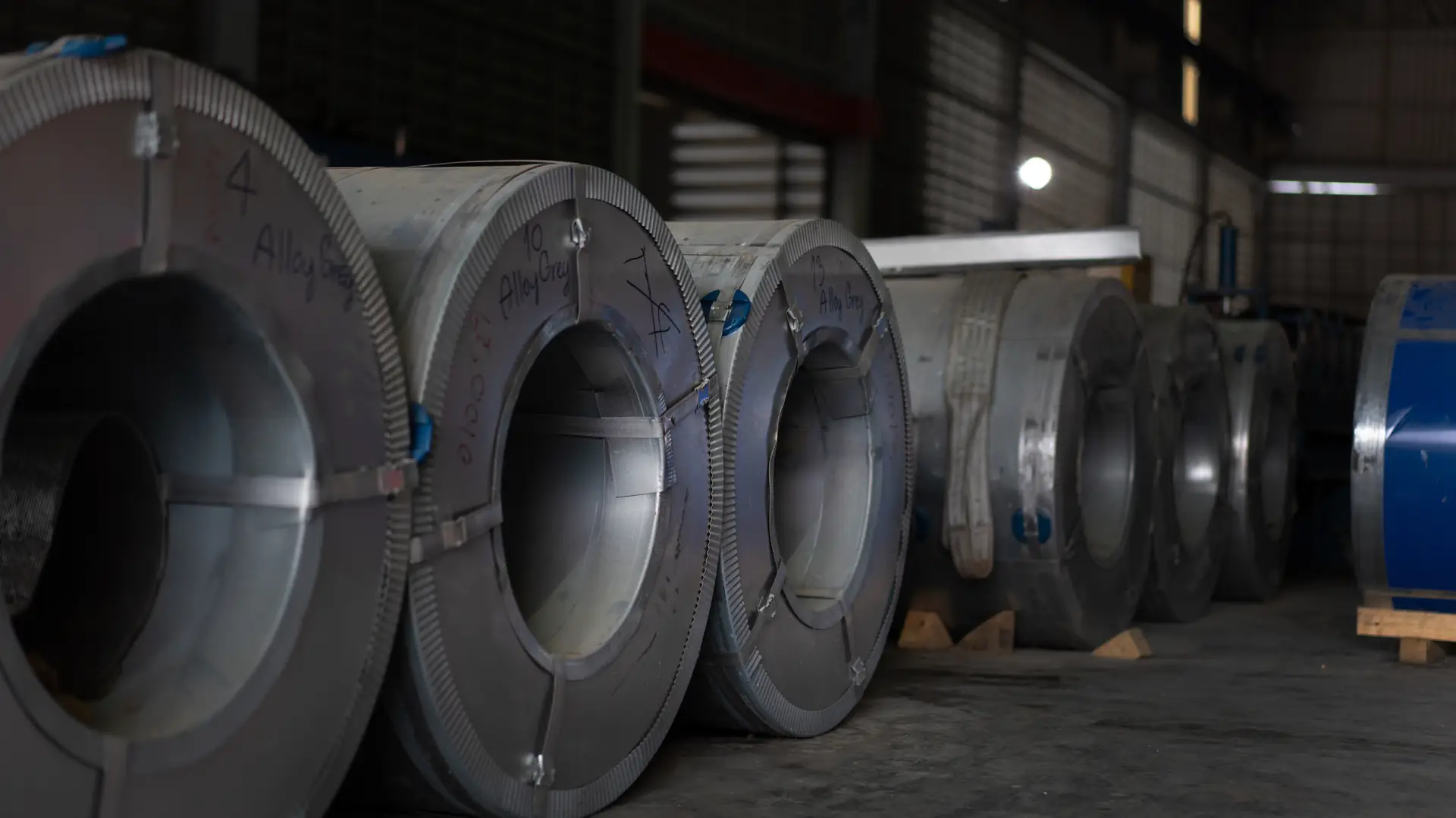
This is where MFY’s fully integrated supply chain becomes our clients' greatest asset. We don't just buy steel from a mill; we are deeply involved in the production process. This gives us an unparalleled level of control. We can specify the exact blend of raw materials, monitor furnace temperatures in real-time using advanced sensors, and adjust rolling mill pressures with incredible precision. Our process isn't static; it's a dynamic system of feedback and adjustment. We leverage technology to ensure that the parameters set on paper are perfectly replicated in every single plate we produce. This sophisticated interplay between material science and processing technology is what separates a standard product from a truly reliable industrial material.
Raw Material Scrutiny
Quality starts at the source. Before any material enters our production line, we verify its chemical composition. This ensures the foundational elements for corrosion resistance and strength are present in the correct ratios, eliminating variables before the first roller even starts.
In-Process Monitoring
We use a network of sensors and automated checks to monitor every critical stage of production.
- Annealing: Temperature and timing are precisely controlled to ensure the desired grain structure and mechanical properties are achieved uniformly across the entire plate.
- Pickling: The concentration and temperature of the acid bath are constantly monitored to ensure complete scale removal without over-etching the steel surface.
Why is conducting regular inspections and testing so crucial?
Can you truly trust your material certificates? Without verification, you're taking a risk. Regular inspections and independent testing provide the proof of quality your projects demand.
Regular inspections and testing are crucial to verify that the final product meets all specified quality parameters. This includes visual inspections for surface defects and mechanical/chemical tests to confirm the material's integrity, ensuring it performs reliably under demanding industrial conditions.

Verification is the cornerstone of trust. A spec sheet is a promise, but testing is the proof. At MFY, we treat every Сертификат об испытании мельницы (MTC)[^2] not as a final document, but as a starting point for our own verification process. We conduct our own battery of tests on samples from each batch to confirm the mill's findings and ensure they align with our client's specific requirements. This dual-layer of verification provides a guarantee of quality that is simply unmatched. It’s this commitment to proving, not just claiming, quality that allows our partners to build with confidence. They know that when they receive a shipment from MFY, the material's performance is backed by comprehensive, verifiable data.
Types of Testing
We employ a range of testing methods to create a complete quality profile for each batch of steel plates. This multi-faceted approach ensures no single aspect of quality is overlooked.
| Test Method | Назначение | What it Measures |
|---|---|---|
| Spectrometric Analysis | Химический состав | Verifies exact percentages of Chromium, Nickel, Carbon, etc. |
| Tensile Testing | Mechanical Properties | Determines Yield Strength, Ultimate Tensile Strength, and Elongation. |
| Hardness Testing | Surface Durability | Measures resistance to indentation and surface wear. |
| Ultrasonic Testing | Internal Integrity | Detects internal flaws like voids or inclusions (Non-Destructive). |
The Role of Certification
Every shipment is accompanied by a comprehensive MTC that details the results of all tests performed. This document provides complete traceability and a clear, data-backed guarantee of the material's quality and compliance with international standards like ASTM.
How does proper storage and handling maintain quality?
Is your steel arriving damaged or contaminated? Improper handling can ruin a perfect product. Protecting plates from moisture and physical damage is the final step in quality assurance.
Proper storage and handling are vital to prevent surface contamination, corrosion, and physical damage. This involves storing plates in a dry, clean environment, using non-metallic separators to avoid galvanic corrosion, and employing appropriate lifting equipment to prevent scratches.
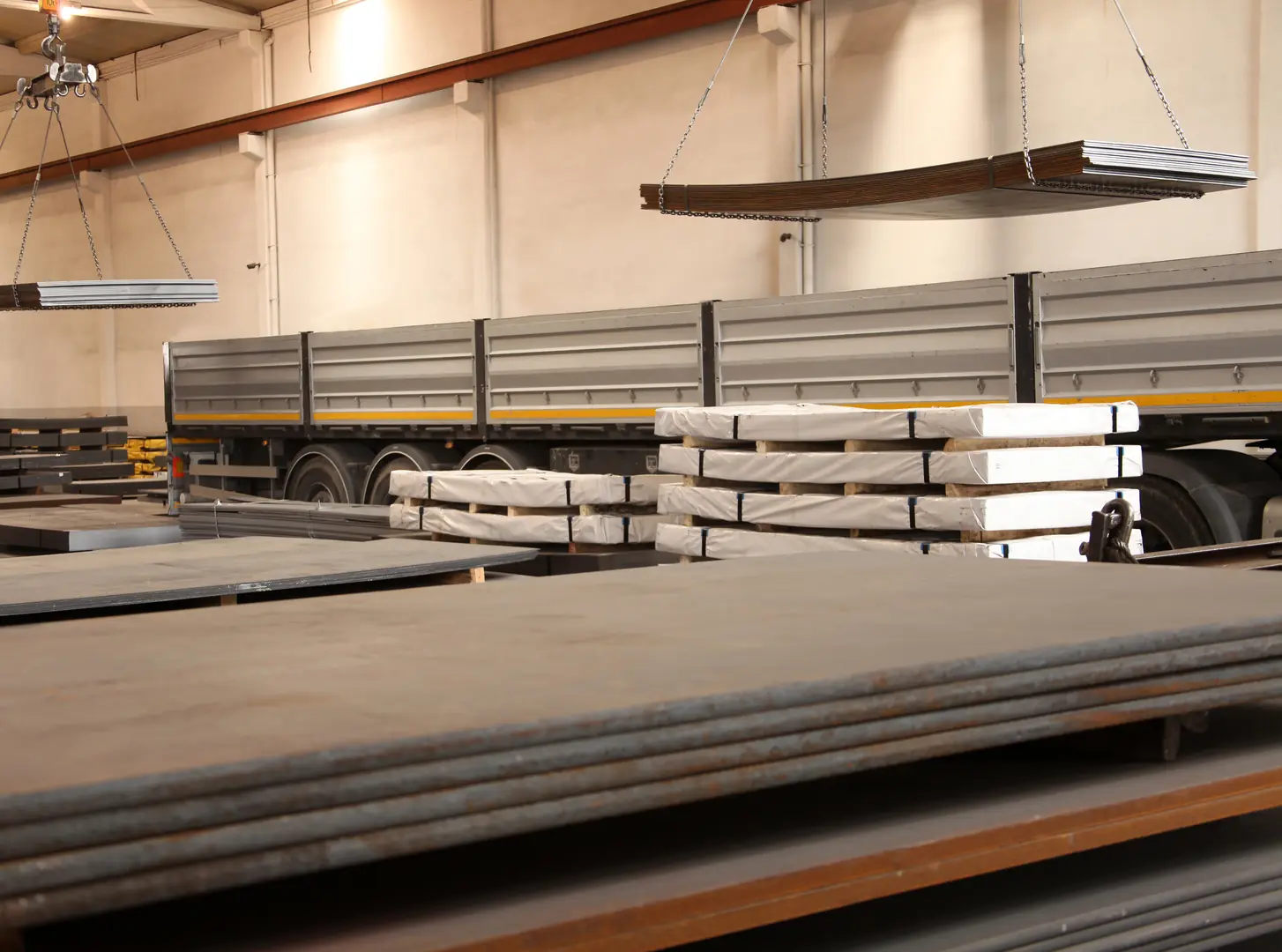
The journey isn't over when the plate leaves the mill. Quality assurance extends all the way to the client's facility. I once visited a potential client's site and saw a stack of "stainless" steel plates from another supplier with rust spots already forming. The problem wasn't the steel itself, but the fact that it had been shipped with carbon steel bands and stored on wet wooden pallets. The iron contamination had compromised the passive layer of the stainless steel. This is why our logistics team is trained specifically in handling these materials. We understand that maintaining quality is a door-to-door responsibility. From the packaging we use to the way we load our trucks, every step is designed to preserve the integrity of the product we worked so hard to manufacture.
Preventing Contamination
Stainless steel's corrosion resistance relies on a thin, passive chromium oxide layer[^3]. Contact with carbon steel, iron particles, or certain chemicals can disrupt this layer and lead to localized corrosion. We ensure all our handling equipment, straps, and separators are made from non-contaminating materials.
Safe Transportation
Plates must be secured properly to prevent movement during transit, which can cause scratches and gouges. We use specialized dunnage and strapping techniques to ensure the material arrives in the same pristine condition it left our facility. Proper waterproof wrapping is also essential to protect against moisture and road salt during shipping.
Заключение
Ensuring consistent quality in 304/304L No. 1 finish plates is not one single action, but a continuous process. It requires deep material knowledge, strict process controls, and rigorous verification from the mill to your facility. This commitment is what builds trust and ensures project success.
У вас есть вопросы или нужна дополнительная информация?
Свяжитесь с нами, чтобы получить индивидуальную помощь и квалифицированный совет.



 Русский
  English