Corrosion Resistance in 304 Stainless Steel Welds: Technical Analysis
Welded joints are often the weakest link. A failure here can compromise your entire project, leading to costly repairs and downtime. Understanding the science behind weld integrity[^1] is non-negotiable.
The corrosion resistance of 304 stainless steel welds is critical because welding fundamentally alters the metal's microstructure. This change can create vulnerabilities, like carbide precipitation, which compromise the protective chromium oxide layer and lead to premature failure in corrosive environments if not managed correctly.
As the Global Business Director at MFY, I've seen countless projects succeed or fail based on this one factor: how well the welds were executed and understood. It’s not just about joining two pieces of metal; it’s about preserving the very properties that make stainless steel the material of choice for demanding applications. The integrity of a massive chemical tank or a sterile food processing line often comes down to the microscopic structure within a few millimeters of a weld seam. Let's dive into the technical details that every engineer, fabricator, and manager needs to master.
What Are the Key Corrosion Resistance Properties of 304 Stainless Steel Welds?
Your base metal is corrosion-resistant, but can you trust the weld? Assuming the weld automatically inherits the same properties is a dangerous and often expensive oversight.
The key corrosion resistance property of a 304 stainless steel weld stems from the reformation of a passive, self-healing chromium oxide layer. This microscopic film protects the underlying steel from environmental attack, but its integrity within the weld zone is highly dependent on the welding process.

The magic of Type 304 stainless steel lies in its chemistry, specifically its minimum of 18% chromium content. When exposed to oxygen, this chromium forms a thin, stable, and transparent protective layer on the surface—a process we call passivation[^2]. This passive film is the primary shield against rust and corrosion. However, the intense heat of welding can disrupt this delicate balance. The goal of any successful welding procedure is to ensure that this protective layer can fully and uniformly reform across the weld bead and the heat-affected zone (HAZ). In its ideal state, a properly executed 304 weld will exhibit excellent resistance to atmospheric corrosion, many organic and inorganic chemicals, and the oxidizing acids used in industries from food processing to pharmaceuticals. I remember a client in the dairy industry who insisted on meticulous weld inspection; their diligence ensured their equipment lasted decades longer than their competitors' because they understood that the weld's passivity was just as important as the parent metal's.
Роль легирующих элементов
The performance of a 304 weld isn't just about chromium. Other elements play crucial supporting roles.
| Элемент | Role in Corrosion Resistance | Impact in Welds |
|---|---|---|
| Хром (Cr) | Forms the primary passive oxide layer. | Can be depleted by carbide formation during welding. |
| Никель (Ni) | Enhances general corrosion resistance, especially in acidic environments. | Stabilizes the austenitic structure, improving weldability. |
| Углерод (C) | Can be detrimental if too high. | High carbon leads to sensitization (carbide precipitation). |
Understanding this interplay is fundamental. The weld is a microcosm of metallurgical reactions, and controlling them is the key to ensuring its long-term durability.
How Do Welding Techniques Impact the Corrosion Resistance of 304 Stainless Steel?
Thinking welding is just about melting and joining metal is a mistake. The wrong technique actively creates a future failure point, turning a strong material into a liability.
Welding techniques directly impact corrosion resistance by controlling heat input. Excessive heat causes "sensitization"—the formation of chromium carbides at grain boundaries, which depletes chromium from the surrounding area and destroys the protective passive layer, inviting intergranular corrosion.
This phenomenon, sensitization, is the primary enemy of corrosion resistance in 304 welds. When the steel is held in a temperature range of roughly 450°C to 850°C (840°F to 1560°F), the carbon in the steel combines with chromium to form chromium carbides along the grain boundaries. This process effectively steals the chromium needed to form the protective oxide film, leaving these boundary areas vulnerable. The result is a microscopic pathway for corrosion to penetrate deep into the metal. At MFY, we often advise clients on this exact point. A fabricator using a high-heat, slow-travel-speed process might create a visually appealing weld, but they could be engineering a hidden defect. This is why controlling the welding parameters is not just best practice; it's essential for the asset's lifecycle.
Heat Input and the Heat-Affected Zone (HAZ)
The Heat-Affected Zone (HAZ) is the area of base metal next to the weld that wasn't melted but was heated enough to alter its microstructure. Controlling the width of the HAZ is paramount. Techniques like Gas Tungsten Arc Welding (GTAW or TIG) offer precise heat control, minimizing the time the material spends in the sensitization temperature range. Conversely, a less controlled process can create a wide, sensitized HAZ that acts as a corrosion highway.
Filler Material and Alloying
The choice of filler metal is another critical decision. Using a filler metal with a slightly higher chromium content or one with stabilizers like niobium or titanium can help counteract the effects of sensitization. For 304 stainless steel, an E308L filler[^3] is often used. The "L" signifies low carbon content, which directly reduces the risk of carbide formation, providing an extra layer of security for the weld's integrity.
What Are the Common Corrosion Challenges Faced in 304 Stainless Steel Welds?
Even with its robust properties, 304 stainless steel is not invincible. Ignoring the specific corrosion types that target welds leads to unexpected and often catastrophic failures.
The most common corrosion challenges in 304 stainless steel welds are intergranular corrosion (due to sensitization), pitting corrosion (often initiated by chlorides), and crevice corrosion (in gaps or under deposits), all of which target vulnerabilities created by the welding process.
Understanding these failure modes is the first step toward preventing them. Each type of corrosion has a specific mechanism and often a distinct appearance, and they tend to concentrate in or around the weld area where the material's structure and chemistry have been disturbed. I once worked on a case involving a coastal processing plant where their 304 stainless steel tanks were failing prematurely. The issue wasn't the base material; it was pitting corrosion concentrated along the weld seams, initiated by the high-chloride marine environment. The original fabricator had not properly cleaned and passivated the welds, leaving them exposed. This oversight cost the company millions in replacement and downtime. Let's break down the main culprits.
Intergranular Corrosion
This is the classic failure mode caused by sensitization. Corrosion attacks the depleted chromium zones along the grain boundaries, causing the metal to lose its integrity from within, sometimes with little visible evidence on the surface until it's too late.
Pitting and Crevice Corrosion
Pitting is a localized form of corrosion that creates small holes or "pits" in the metal. It's particularly insidious in environments containing chlorides (like saltwater or certain industrial chemicals). Weld defects, surface roughness, and spatter can act as initiation sites for pitting. Crevice corrosion is similar but occurs in tight spaces where oxygen is restricted, such as under gaskets, washers, or in incompletely penetrated welds.
What Measures Can Enhance Corrosion Resistance in 304 Stainless Steel Welds?
How do you proactively defend the most vulnerable part of your structure? Leaving the weld's integrity to chance is not a viable strategy for any serious industrial application.
To enhance corrosion resistance, use low-carbon grade 304L steel to minimize carbide formation, employ advanced, low-heat-input welding techniques like TIG or laser welding, and perform post-weld treatments such as pickling and passivation to restore the protective oxide layer.

Fortifying a weld against corrosion is a multi-step process that begins before the first arc is struck. It involves smart material selection, precise process control, and meticulous post-weld finishing. At MFY, our entire supply chain is built around providing materials and services that support these best practices. We recognize that as industries demand greater longevity and sustainability from their assets, the focus on creating perfect, durable welds has become more intense. The most effective strategy combines a preventative approach during material selection with advanced techniques during fabrication.
Material Selection: The 304L Advantage
The simplest and one of the most effective measures is to use Type 304L stainless steel. The "L" stands for "low carbon," typically with a maximum carbon content of 0.03%. This dramatically reduces the amount of carbon available to form chromium carbides, making the material far less susceptible to sensitization during welding. For nearly any application involving welding, specifying 304L is a wise investment in long-term performance.
Post-Weld Cleaning and Passivation
After welding, the surface is often covered with heat tint (oxide scale) and other contaminants. These must be removed. Chemical treatments like pickling (using acids to remove scale) followed by passivation (using a mild oxidant like nitric acid to help rebuild the chromium oxide layer) are crucial. This chemical cleaning process restores the weld zone's surface to a uniform, passive state, making it as corrosion-resistant as the parent metal.
What Are the Best Practices for Maintaining the Integrity of 304 Stainless Steel Welds Over Time?
The work isn't finished once the welding is complete. Neglecting long-term care can systematically undo all the precise engineering and fabrication work you've invested in.
Best practices for maintaining weld integrity include implementing a regular inspection schedule for early detection of corrosion, adhering to strict cleaning protocols to prevent corrosive deposits, and controlling the operational environment to minimize exposure to aggressive chemicals like chlorides.
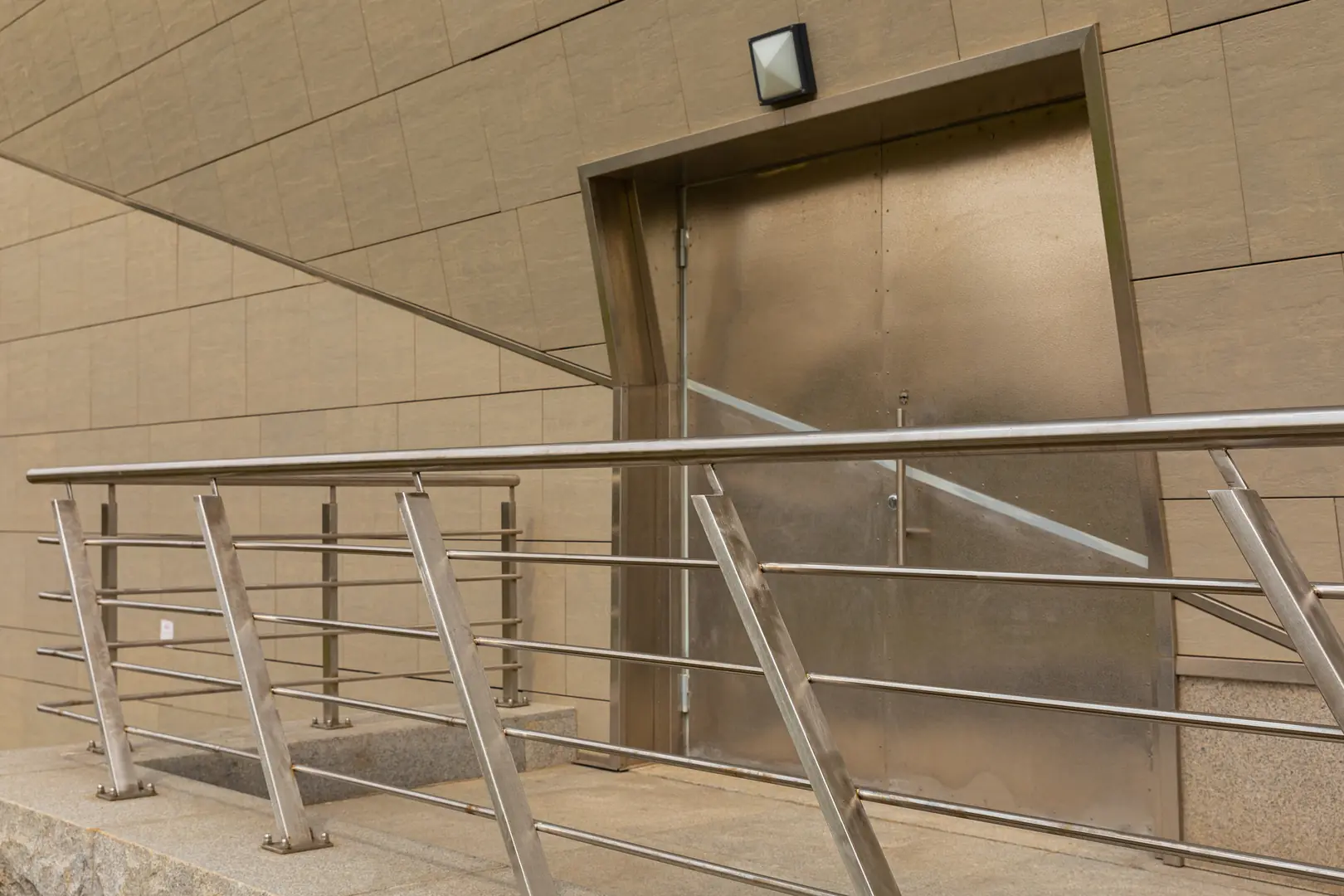
Long-term integrity is a matter of diligence. A "set it and forget it" mentality is the fastest way to see a return of the corrosion issues you worked so hard to prevent. The goal of a maintenance program is to preserve the passive layer and catch any potential issues before they escalate. This is particularly critical in industries like food and beverage or pharmaceuticals, where cleanliness is directly tied to product safety and contamination can have severe consequences. I recall a beverage client who implemented a simple quarterly cleaning and visual inspection routine for all their welded tanks and piping. This small, consistent effort allowed them to operate for over 20 years without a single corrosion-related failure, a testament to the power of proactive maintenance.
Regular Inspection and Cleaning
A formal inspection program should be established, using methods ranging from simple visual checks for discoloration or rust stains to more advanced non-destructive testing (NDT)[^4] like dye penetrant testing for finding surface-breaking cracks. Cleaning is just as important. Regular washing with mild detergents or appropriate chemical cleaners removes surface deposits (like salts or iron particles) that can break down the passive film and initiate pitting or crevice corrosion.
Environmental Control
Where possible, controlling the environment is a key strategy. This could mean ensuring proper drainage to avoid stagnant water, managing humidity levels, or designing systems to prevent the concentration of corrosive chemicals, especially chlorides, on the steel surface. Protecting the welds from the environment is often the most effective way to ensure they last a lifetime.
Заключение
Mastering the corrosion resistance of 304 stainless steel welds is not an academic exercise; it's a practical necessity. By selecting the right material like 304L, controlling the welding process, and maintaining the finished product, you ensure the long-term reliability and value of your critical assets.
У вас есть вопросы или нужна дополнительная информация?
Свяжитесь с нами, чтобы получить индивидуальную помощь и квалифицированный совет.


 Русский
  English