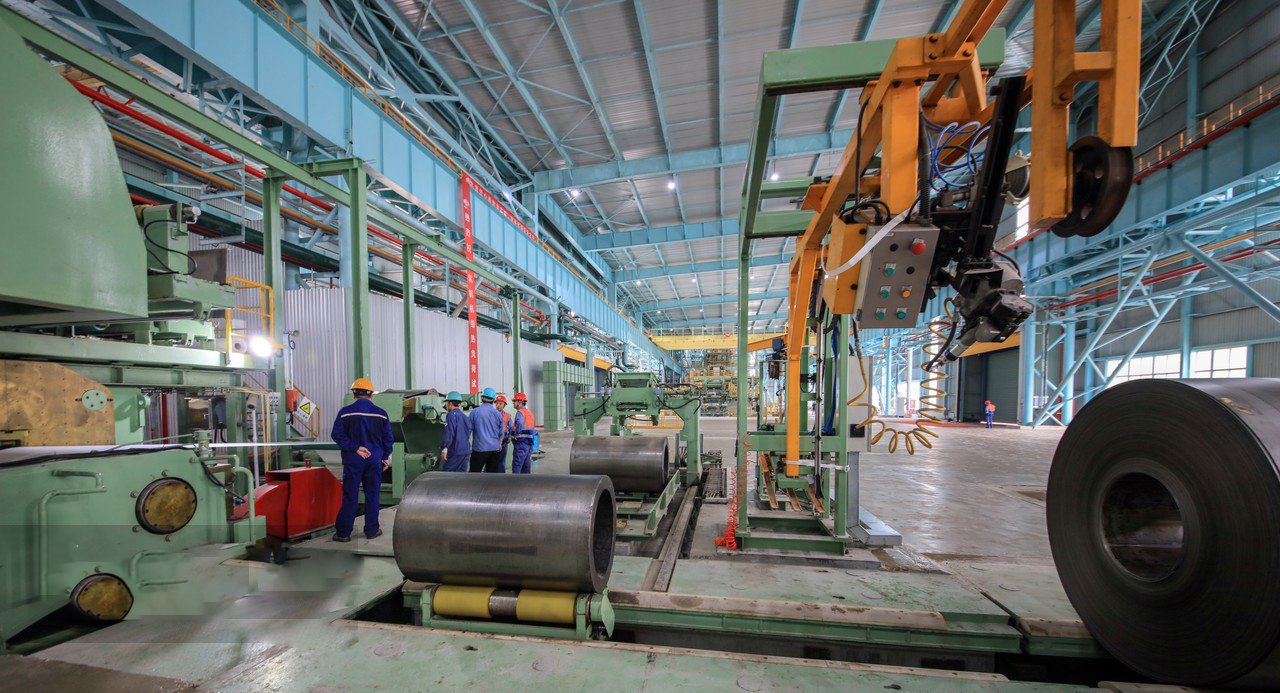
Global Stainless Steel Coil/Sheet Procurement Guide & Rapid Delivery
Procurement delays are halting your projects and inflating budgets. A strategic approach to sourcing, focused on an integrated supply chain, is the only way to ensure speed and reliability.
Mastering global stainless steel procurement requires a multi-faceted strategy. This includes identifying vertically integrated suppliers, leveraging digital platforms to streamline processes, and creating a robust logistics plan. This approach ensures you receive high-quality materials quickly, giving you a significant competitive advantage.
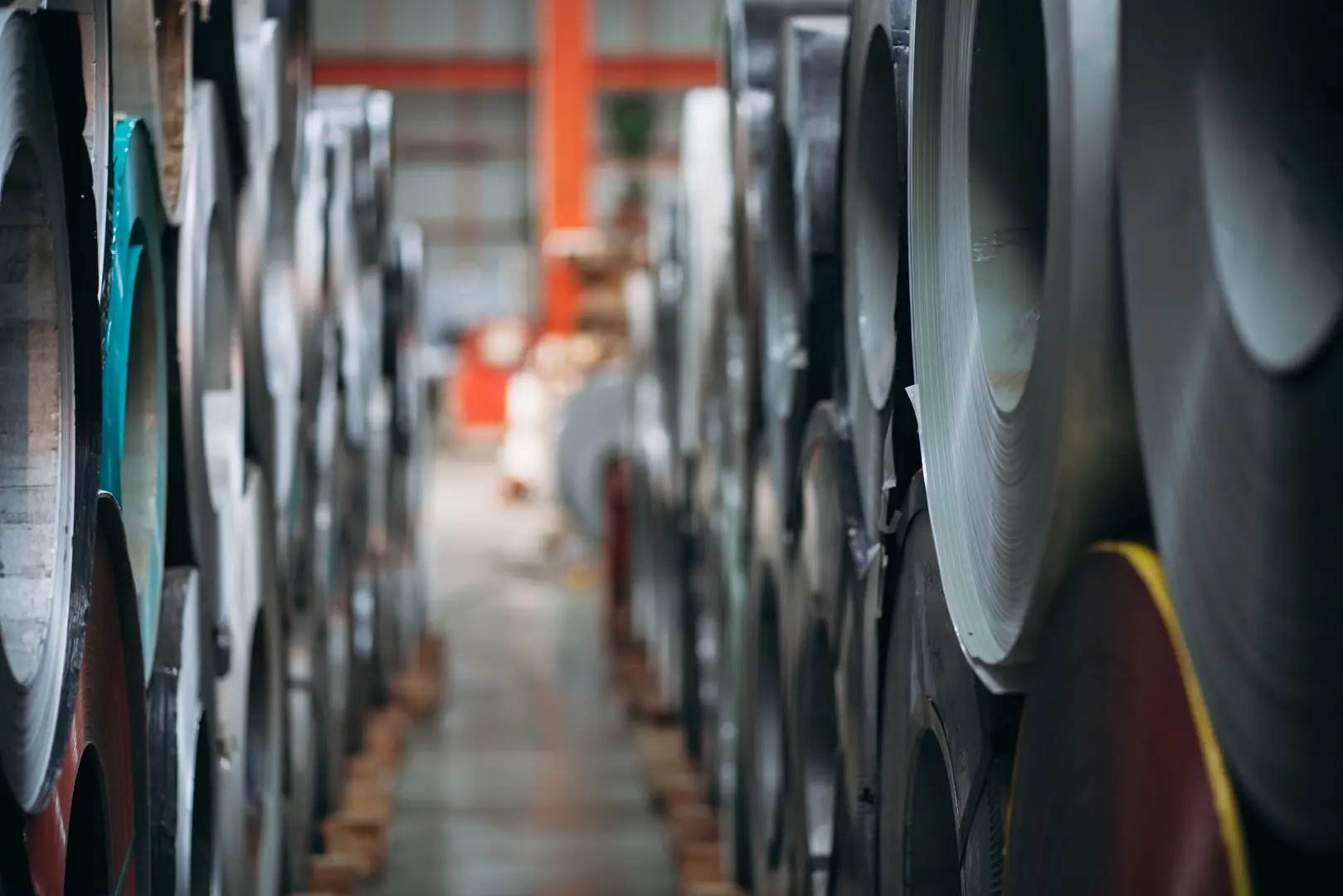
In my role as Global Business Director at MFY, I’ve seen firsthand how the right procurement strategy can transform a business. The global market is moving faster than ever, and the pressure for just-in-time delivery[^1] has never been higher. It’s no longer enough to just find a low-cost supplier; you need a partner who can deliver quality at speed. In this guide, I'll walk you through the five critical pillars of modern stainless steel procurement, sharing insights we've developed by helping clients worldwide optimize their supply chains.
How Do You Identify Reliable Suppliers for Stainless Steel Coils and Sheets?
Choosing the wrong supplier is incredibly risky. It leads to production-halting quality issues, unexpected delays, and cost overruns. Vetting suppliers on their integration, capacity, and track record is essential.
To identify reliable suppliers, verify their certifications (like ISO 9001), assess their production capacity and inventory levels, and confirm they have a vertically integrated supply chain. A proven track record with positive client testimonials is also a crucial indicator of dependability.
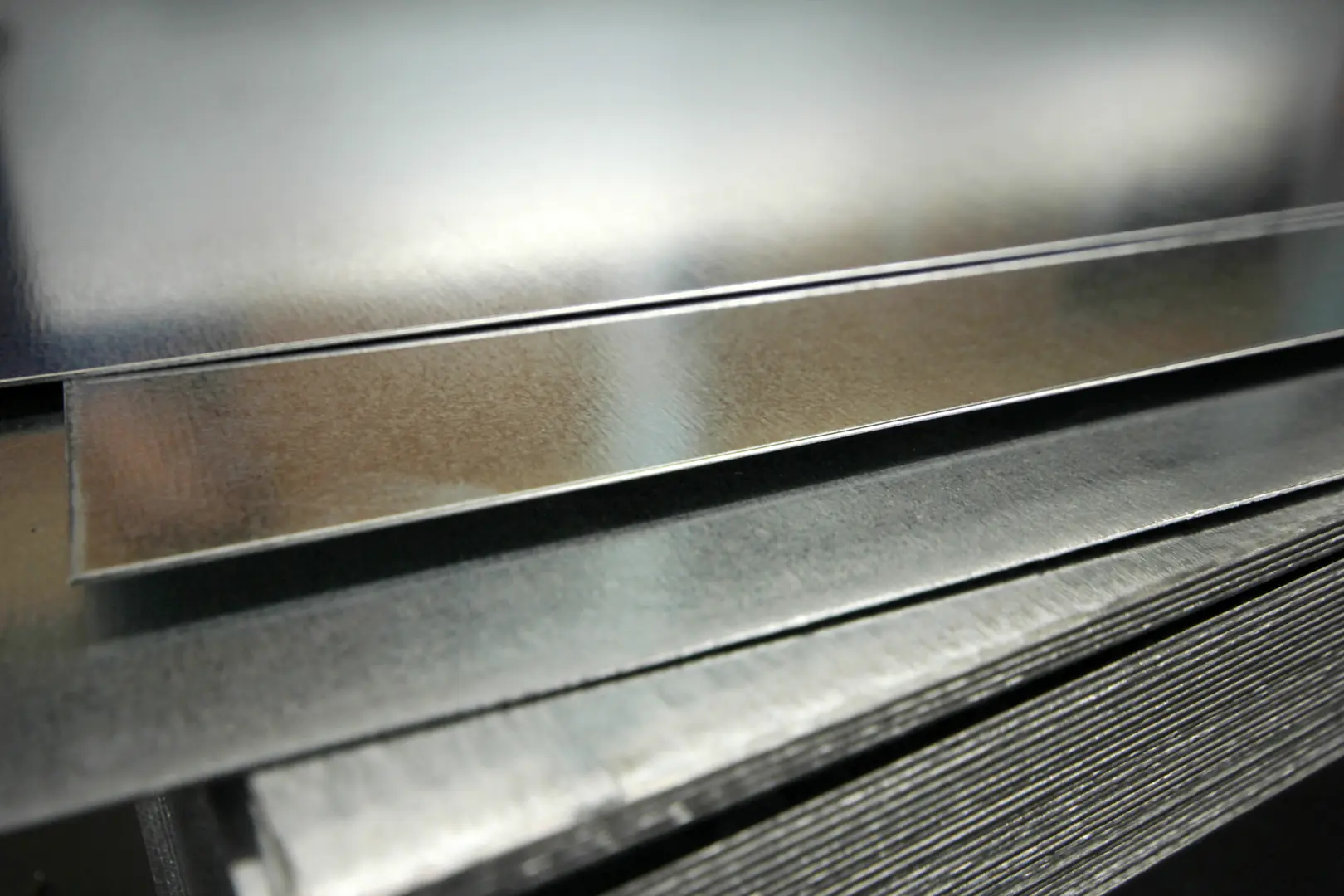
Finding a true partner goes beyond a simple price comparison. In today's volatile market, reliability is directly tied to a supplier's operational structure. You need to look deeper into how they manage their entire process, from raw materials to final delivery. I remember a client in Germany who was struggling with inconsistent lead times from their previous supplier, a trading company. They switched to us at MFY because our integrated model gave them the stability they needed. We control the entire chain, which means we can offer predictable and rapid delivery schedules.
Интегрированная цепочка поставок
A supplier with a fully integrated supply chain—covering raw materials, production, and logistics—offers unmatched reliability. They have greater control over quality and timelines, reducing your risk of disruption. Unlike traders who are middlemen, an integrated producer can respond with more agility to your specific needs and market changes.
Production Capacity & Inventory
A reliable supplier must have the scale to meet your demands. Ask about their production volume and, more importantly, their typical inventory levels for the grades you require. A strong inventory position is the backbone of rapid delivery, allowing them to ship standard products almost immediately.
Certifications and Track Record
Look for internationally recognized certifications like ISO 9001, which demonstrates a commitment to quality management. Don't hesitate to ask for case studies or references from clients in your industry. A supplier's history is the best predictor of their future performance.
| Attribute | Integrated Producer (e.g., MFY) | Trading Company |
|---|---|---|
| Control | Full control over production & quality | Limited; relies on third-party mills |
| Lead Time | Shorter and more predictable | Longer and more variable |
| Flexibility | High; can customize orders | Low; limited to available stock |
| Transparency | High; direct communication with source | Low; communication through middleman |
What Factors Should You Consider When Selecting Stainless Steel Materials?
Choosing the wrong material grade can lead to catastrophic failure. This causes costly replacements, project shutdowns, and serious safety hazards. A thorough analysis of your application's needs is critical.
When selecting stainless steel, you must consider the grade (e.g., 304, 316L) for corrosion resistance, the required mechanical properties like strength and ductility, the surface finish for aesthetic and functional purposes, and the specific environmental conditions the material will face.
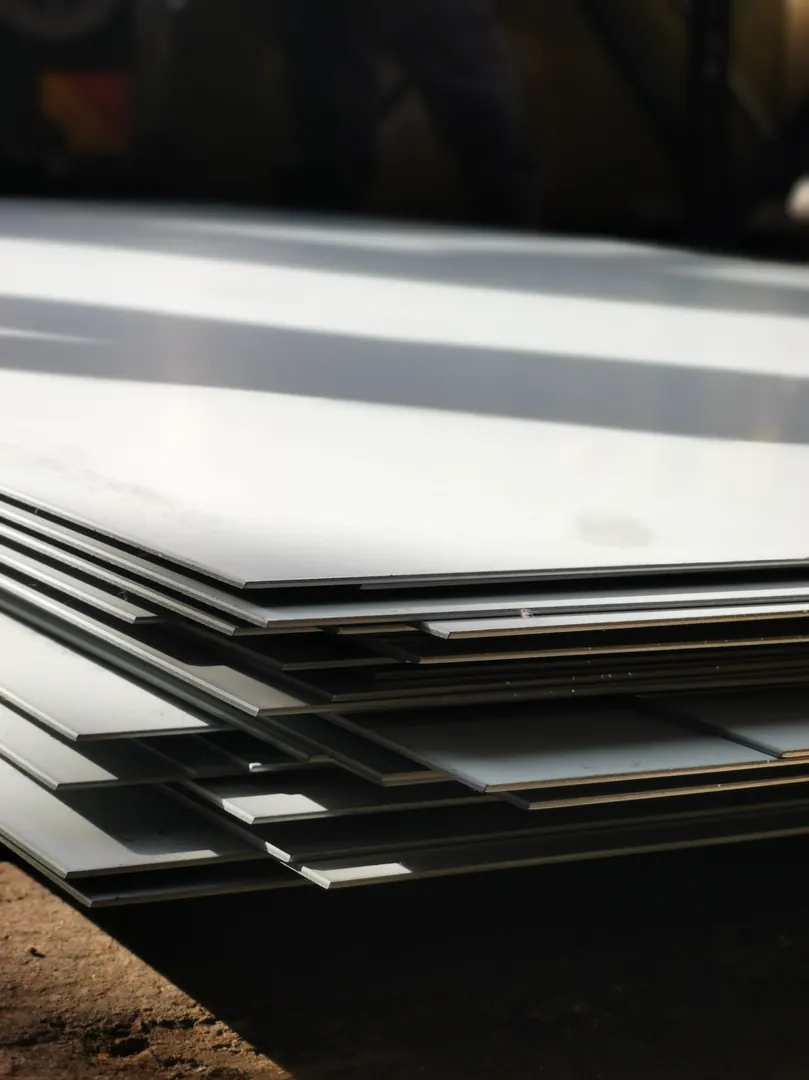
The technical details of material selection are where costly mistakes are often made. It's not just about picking a grade from a chart; it's about understanding the interplay between the material and its environment. We often guide clients in the engineering and construction sector, helping them balance the superior corrosion resistance of 316L for coastal applications with the cost-effectiveness of 304 for interior structural components. This kind of nuanced guidance is what a true partner provides. It saves money and ensures the long-term integrity of the project.
Grade and Corrosion Resistance
This is the most fundamental choice. The level of chromium, nickel, and molybdenum in the alloy determines its ability to resist rust and corrosion. A marine environment demands a grade like 316L, while a simple indoor application might be perfectly served by 430.
Mechanical Properties
You must match the material's strength, hardness, and formability to the application. Will the steel be bent, welded, or bear a heavy load? Answering these questions will guide you to the right choice between a standard austenitic grade like 304 and a stronger duplex stainless steel.
Surface Finish and Application
The finish—from a standard 2B matte to a polished No. 8 mirror—affects both appearance and performance. In food processing, a smooth, easy-to-clean surface is required to maintain hygiene, while architectural applications may prioritize a specific aesthetic.
| Класс | Key Elements | Общие приложения |
|---|---|---|
| 304 | 18% Cr, 8% Ni | Kitchen equipment, tanks, piping |
| 316L | 16% Cr, 10% Ni, 2% Mo | Marine hardware, chemical processing |
| 430 | 16% Cr | Automotive trim, decorative applications |
How Can You Streamline the Procurement Process for Maximum Efficiency?
A manual, paper-based procurement process is slow and full of errors. It creates administrative bottlenecks, wastes valuable time, and delays your entire production schedule. Digital tools and clear communication are the solution.
Streamline procurement by leveraging digital ordering platforms for real-time visibility, consolidating your purchasing with a single integrated supplier, and establishing clear communication protocols and standardized request-for-quote (RFQ) templates. This minimizes administrative overhead and accelerates decision-making.

The evolution toward just-in-time manufacturing means procurement can no longer be a sluggish, bureaucratic function. It must be as agile as the factory floor. This is where technology becomes a game-changer. I recently worked with a manufacturing partner in Southeast Asia who cut their procurement cycle by nearly 40%. The change was simple: they integrated with our digital ordering and inventory management system. Instead of a long chain of emails and phone calls, they now have real-time visibility into our stock and can place orders in minutes. This is the future of industrial procurement—fast, transparent, and data-driven.
Leveraging Digital Platforms
Modern suppliers should offer a digital portal where you can view available inventory, track orders in real-time, and access documentation. This self-service model empowers your team to make faster decisions and reduces the back-and-forth communication that slows everything down.
The Power of a Single, Integrated Partner
Juggling multiple suppliers for different products is inefficient. By consolidating your procurement with a single, integrated partner like MFY who can supply coils, sheets, and pipes, you simplify everything. You have one point of contact, one set of paperwork, and a stronger, more strategic relationship.
Clear Communication Protocols
Establish a standardized process for everything from RFQs to order confirmations. Use clear templates that specify grade, dimensions, finish, quantity, and required certifications. This eliminates ambiguity and ensures you and your supplier are always perfectly aligned, preventing errors before they happen.
What Are the Best Logistics Options for Rapid Delivery of Stainless Steel Products?
Shipping delays can derail your entire project schedule. Your critical materials get stuck in transit for weeks, causing costly standstills on-site or on the production line. A smart, multi-modal logistics strategy is the key.
The best logistics options for rapid delivery involve a strategic mix of sea and air freight, selecting suppliers near major international ports, and partnering with a provider who has established relationships with reliable freight forwarders. This ensures flexibility and speed.
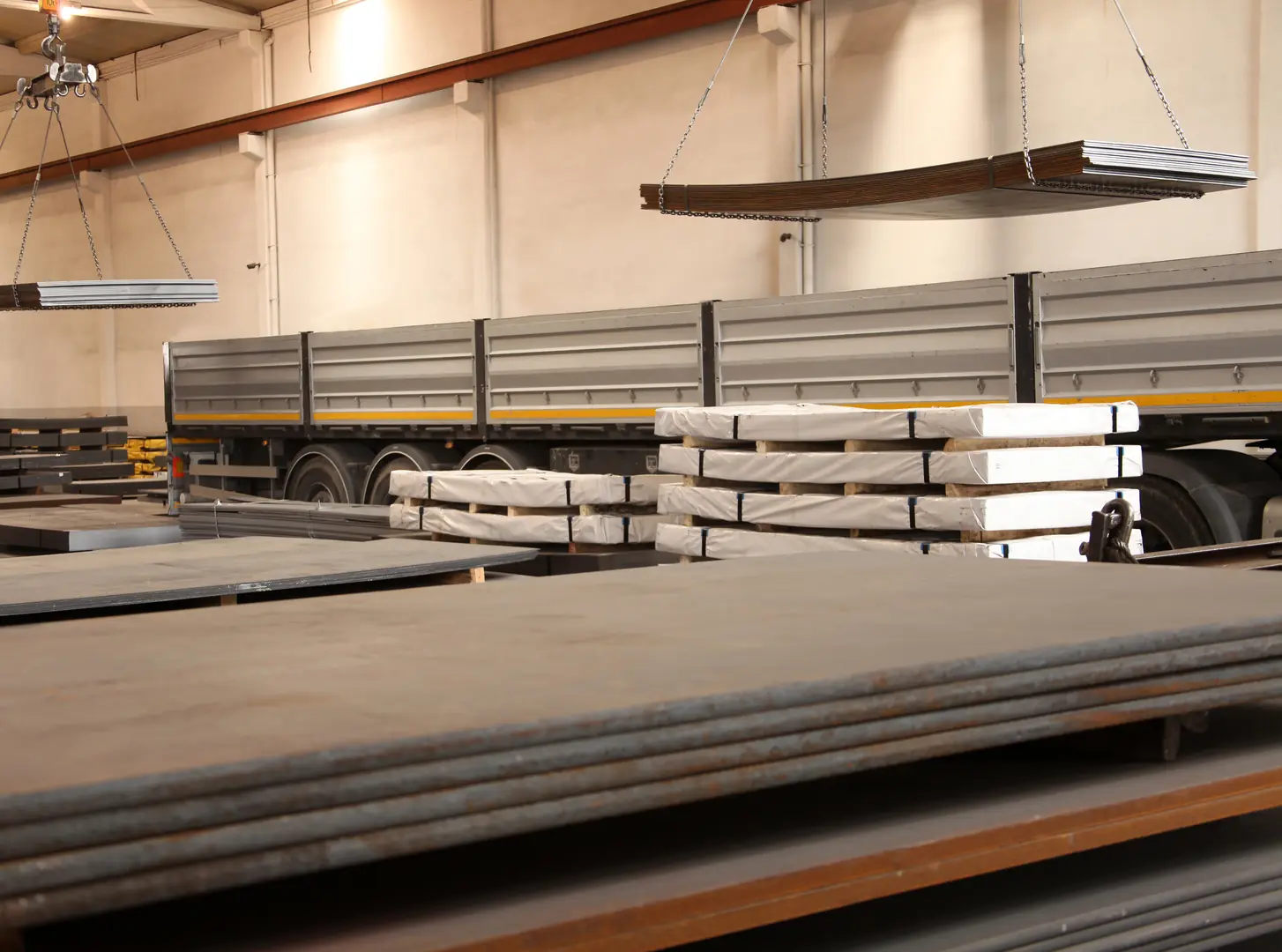
Logistics is often the final, and most critical, piece of the rapid delivery puzzle. Your supplier can have the material ready to go, but if it gets stuck at the port, it doesn't matter. This is why MFY has invested so heavily in our export logistics capabilities. For an urgent construction project in the Middle East, we devised a hybrid solution for a client. We shipped the bulk of their order via standard sea freight to keep costs down but also sent a smaller, critical portion via air freight. This allowed them to begin foundational work immediately, weeks before the main shipment arrived. This kind of flexible, problem-solving approach is what defines a modern supply chain partner.
Strategic Port Selection
A supplier's proximity to major, efficient international ports is a massive advantage. It drastically cuts down on inland transit time and reduces the risk of bottlenecks, getting your shipment on the water faster.
Multi-Modal Shipping
While sea freight is the most cost-effective option for large volumes, don't overlook air freight for urgent, time-sensitive needs. A good partner can help you analyze the cost-benefit of each and create a blended strategy that meets both your budget and your timeline.
The Role of an Export-Focused Partner
Work with a supplier who specializes in international trade. They will have the experience and relationships to navigate customs, documentation, and freight forwarding seamlessly. This expertise is invaluable in avoiding the administrative delays that can plague global shipments.
| Logistics Option | Speed | Стоимость | Лучшее для |
|---|---|---|---|
| Sea Freight | Slower (20-40 days) | Низкий | Bulk orders, non-urgent needs |
| Авиаперевозки | Faster (3-7 days) | Высокий | Urgent needs, smaller quantities |
How Do You Ensure Quality Control and Compliance During Procurement?
Receiving substandard materials compromises the safety and integrity of your final product. This can lead to project failure, legal liabilities, and irreparable damage to your reputation. Rigorous, multi-stage QC is non-negotiable.
To ensure quality control, always demand a Mill Test Certificate (MTC) with every shipment, consider using independent third-party inspection services before dispatch, and define all technical specifications, standards (e.g., ASTM, EN), and tolerances clearly in your purchase order.
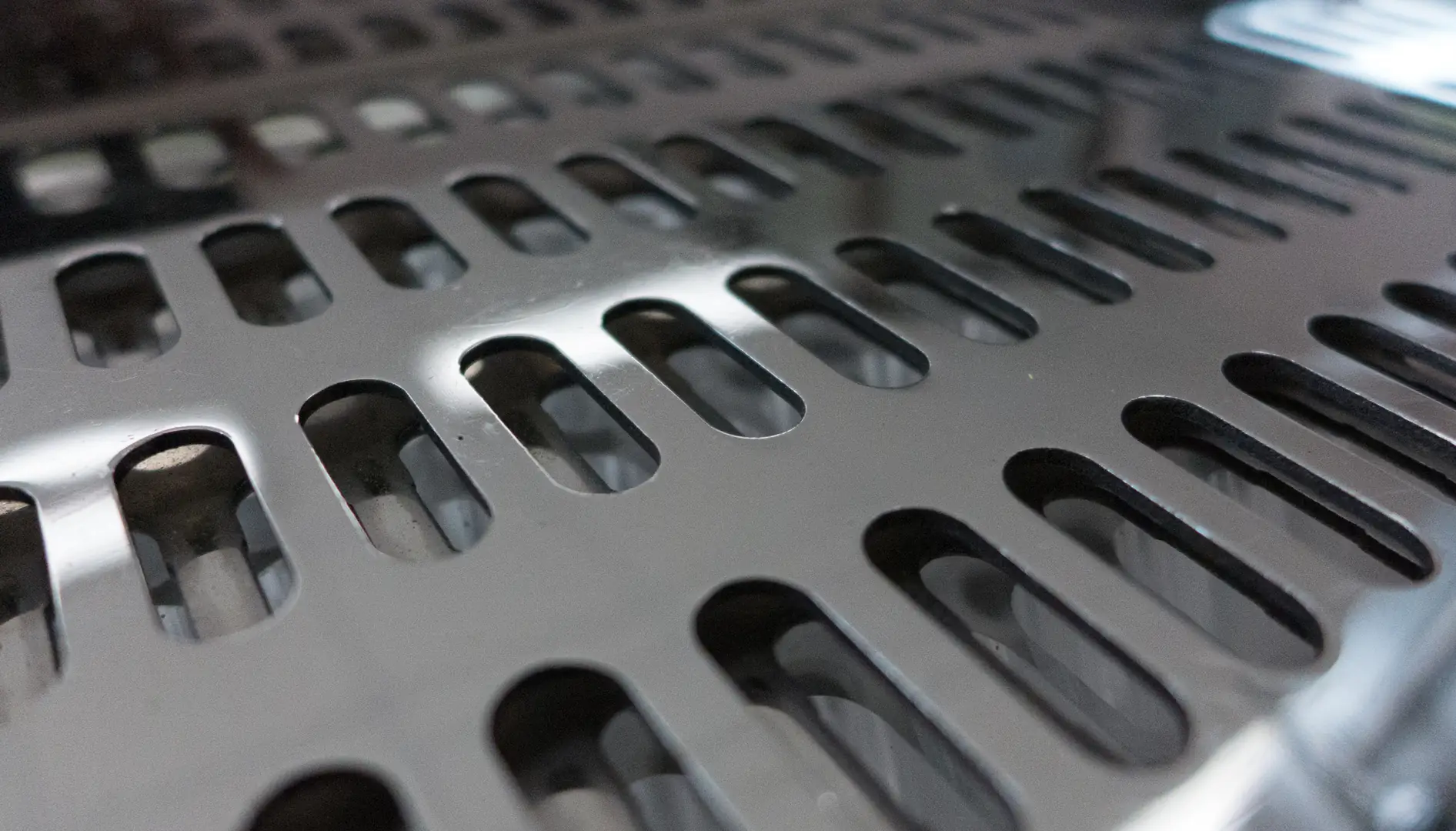
I always tell our partners: the purchase order is your first and most powerful line of defense. A vague PO invites ambiguity and potential quality issues. A detailed one leaves no room for error. We once worked with a new client in the equipment manufacturing space who had been burned by a previous supplier delivering material that was technically the right grade but at the very edge of acceptable thickness tolerance. From then on, we helped them write their specifications to include precise tolerance ranges. It’s a small detail, but it guarantees the material performs exactly as their engineers intended.
The Importance of Mill Test Certificates (MTC)
The MTC is the material's birth certificate. It provides a detailed chemical and mechanical analysis from the original mill, proving that the material meets the specified standards. Never accept an order without a corresponding MTC. At MFY, this is a standard, non-negotiable part of our documentation package.
Third-Party Inspection Services
For high-value or mission-critical orders, engaging a third-party inspector (like SGS or Bureau Veritas) provides an unbiased verification of quality before the material even leaves the supplier's warehouse. This small investment can prevent enormous downstream costs and problems.
Defining Clear Specifications
Your purchase order should be a comprehensive technical document. It must explicitly state the required grade, dimensions with tolerances, surface finish, applicable international standards (e.g., ASTM A240[^2]), and any specific testing or packing requirements. This clarity protects both you and the supplier.
Заключение
Mastering global stainless steel procurement in today's market is about more than price. Success hinges on finding an integrated partner who uses digital tools and advanced logistics to deliver certified, high-quality materials with speed and reliability. This is the new benchmark for maintaining a competitive edge.
У вас есть вопросы или нужна дополнительная информация?
Свяжитесь с нами, чтобы получить индивидуальную помощь и квалифицированный совет.




 Русский
  English