Optimizing Yield Strength: A Guide to Welding 304 Stainless Steel for Construction
Weak welds compromise structural safety, a risk that is unacceptable in modern construction. Mastering specific welding techniques for 304 stainless steel is the solution that ensures maximum yield strength[^1] and project integrity.
Optimizing yield strength in 304 stainless steel for construction requires a holistic approach. This includes understanding the material's properties, meticulous environmental preparation, using proper welding techniques like TIG or advanced methods like laser welding, and applying correct post-weld treatments to ensure structural integrity.
As the Global Business Director at MFY, I've seen firsthand how the demand for robust, sustainable infrastructure is pushing the boundaries of material science. Urbanization is not just about building more; it's about building smarter and stronger. For construction engineers and project managers, the challenge is clear: how do we leverage a versatile material like 304 stainless steel in high-load environments without compromising its inherent strengths? The answer isn't in a single trick, but in a disciplined process that starts with the fundamentals and embraces innovation. Let's break down that process together.
What Are the Key Properties of 304 Stainless Steel for Construction?
Misunderstanding 304 stainless steel often leads to costly and dangerous welding failures. Knowing its unique properties is the essential first step to engineering a successful and durable weld.
304 stainless steel is valued for its excellent corrosion resistance, formability, and weldability. However, its austenitic structure makes it susceptible to sensitization and distortion during welding, which can impact its final yield strength if not properly managed.
At MFY, we deal with 304 stainless steel every single day. It’s the workhorse of the austenitic grades, and its popularity in construction is well-deserved. But I always tell our partners that you have to respect the material to get the most out of it. Its properties present both a significant advantage and a distinct challenge that every welder and engineer must understand. This balance is critical for achieving the mechanical performance required in demanding structural applications.
The Austenitic Advantage and Challenge
The secret to 304's success lies in its microstructure, which is primarily austenitic due to its chromium (around 18%) and nickel (around 8%) content. This gives it fantastic toughness and ductility, making it easy to form and shape. More importantly, it creates the passive chromium oxide layer that provides its famous corrosion resistance. The challenge, however, is that this structure behaves very differently under the heat of a welding torch compared to common carbon steel. The heat can cause chromium carbides to precipitate at the grain boundaries—a phenomenon called sensitization—which depletes the chromium needed for corrosion protection, creating a risk for intergranular corrosion right next to the weld. This is the core trade-off we must manage: preserving that corrosion resistance while ensuring the weld is mechanically sound.
Thermal Properties and Welding
Two thermal properties of 304 stainless steel are critical for welders to grasp: it has a coefficient of thermal expansion roughly 50% higher than carbon steel, and its thermal conductivity[^2] is significantly lower. In simple terms, it expands more when heated, and that heat doesn't dissipate quickly. This combination is a perfect recipe for warping and distortion. I've seen projects where teams treated 304 like regular steel, leading to warped structures that required extensive and costly rework. Managing heat input is therefore not just a recommendation; it's a fundamental requirement for maintaining dimensional accuracy and structural integrity.
| Недвижимость | Нержавеющая сталь 304 | A36 Carbon Steel | Implication for Welding |
|---|---|---|---|
| Thermal Expansion | ~17.2 µm/(m·°C) | ~12.0 µm/(m·°C) | Higher risk of distortion and warping. |
| Thermal Conductivity | ~16.2 W/(m·K) | ~50.2 W/(m·K) | Heat concentrates at the weld, increasing risk. |
| Устойчивость к коррозии | Превосходно | Бедный | Must preserve this property during welding. |
How Do You Prepare the Welding Environment for Optimal Results?
A contaminated environment will ruin a stainless steel weld before the arc is even struck. This compromises project integrity, so strict preparation and cleanliness are completely non-negotiable for quality.
Optimal preparation involves thoroughly cleaning the base metal to remove all contaminants like oil, grease, and dirt. You must also ensure a controlled, dry environment and use dedicated tools to prevent cross-contamination from carbon steel.
You can have the best welder and the best equipment in the world, but if the preparation is poor, the result will be a failure. This is especially true for stainless steel. The very thing that makes it so valuable—its passive protective layer—is also sensitive to contamination. A clean, controlled environment isn't just "best practice"; it's the only way to guarantee a weld that meets structural specifications.
The Importance of Cleanliness
Before welding, the surface of the 304 stainless steel and the filler wire must be absolutely pristine. Any trace of oil, grease, paint, or even marker pen ink can introduce carbon into the weld pool. This excess carbon can lead to carbide precipitation, which, as we discussed, compromises corrosion resistance and can create brittleness. Similarly, moisture can introduce hydrogen, leading to porosity and hydrogen embrittlement. A simple wipe with a solvent like acetone or alcohol is a critical, non-skippable step.
Tool and Workspace Segregation
One of the most common mistakes I see in workshops is the use of shared tools between carbon steel and stainless steel jobs. Using a wire brush, grinding wheel, or even a hammer that was previously used on carbon steel can embed small iron particles into the stainless surface. These particles disrupt the passive layer and become initiation sites for rust, a phenomenon known as "route contamination." At MFY, we insist on dedicated, clearly marked tools for stainless steel work only. It's a simple discipline that prevents a world of problems down the line. I remember a partner in Southeast Asia who was facing persistent weld failures. The issue wasn't their technique, but the high humidity in their open-air workshop affecting the shielding gas. A simple change to their setup and a stricter cleaning protocol saved the entire project.
What Are the Best Welding Techniques to Enhance Yield Strength?
Using the wrong welding technique directly weakens the joint, creating a potential point of failure. Choosing the right process and executing it with precision is key to maximizing strength.
TIG (GTAW) welding is preferred for its precise control over heat input, minimizing distortion and preserving the steel's properties. For high-demand applications, advanced methods like Laser Beam Welding (LBW) offer superior strength and efficiency with minimal heat-affected zones.
Once the environment is prepared, the focus shifts to the technique itself. The goal is always to create a strong, fused joint with minimal disruption to the base metal's properties. This means controlling the heat input. Too much heat for too long causes the problems we've discussed: distortion and sensitization. The choice of welding process is therefore a strategic one, balancing speed, control, and the specific demands of the application.
Mastering Conventional Methods
For most structural work with 304 stainless steel, Gas Tungsten Arc Welding (TIG/GTAW) is the gold standard. It offers the welder exceptional control over the heat and the weld pool, allowing for precise, clean welds. Using a low amperage and a faster travel speed helps minimize the total heat input. Gas Metal Arc Welding (MIG/GMAW) can be faster, but it's often a hotter process and requires more skill to control, especially on thinner sections. With either method, using a filler metal with slightly higher alloy content, like 308L, is crucial. The "L" stands for low carbon, which helps prevent carbide precipitation and ensures the weld metal itself has excellent properties.
The Future: Advanced Welding Technologies
Here is where we see a real competitive edge emerging. While TIG and MIG are reliable, advanced technologies are changing the game for high-performance applications. This is a non-obvious insight that smart firms are leveraging. Laser Beam Welding (LBW) and Friction Stir Welding (FSW) are two such methods. LBW uses a highly concentrated beam of light to create a deep, narrow weld with an incredibly small heat-affected zone (HAZ)[^3]. This means minimal distortion and almost no degradation of the base metal's properties. It's fast, efficient, and produces exceptionally strong joints. These innovative techniques align perfectly with the industry's push towards greener, more resilient construction practices by reducing material waste and enhancing the lifecycle performance of the structure.
| Technique | Heat Input | Distortion | Speed | Приложение |
|---|---|---|---|---|
| TIG (GTAW) | Низкий | Низкий | Slow | High-quality, precision work. |
| MIG (GMAW) | Средний и высокий | Средний | Fast | General fabrication, higher productivity. |
| Laser (LBW) | Очень низкий | Очень низкий | Very Fast | High-tech, automated, critical structures. |
Why Are Post-Weld Treatments Crucial for Structural Integrity?
A visually finished weld is not yet a strong, durable weld. Neglecting post-weld steps is an invitation for long-term corrosion and failure, undoing all the hard work that came before.
Post-weld treatments are essential to restore the corrosion resistance and remove heat tint. This involves cleaning, pickling with acid to remove the chromium-depleted layer, and passivation to rebuild the protective oxide film, ensuring long-term structural integrity.
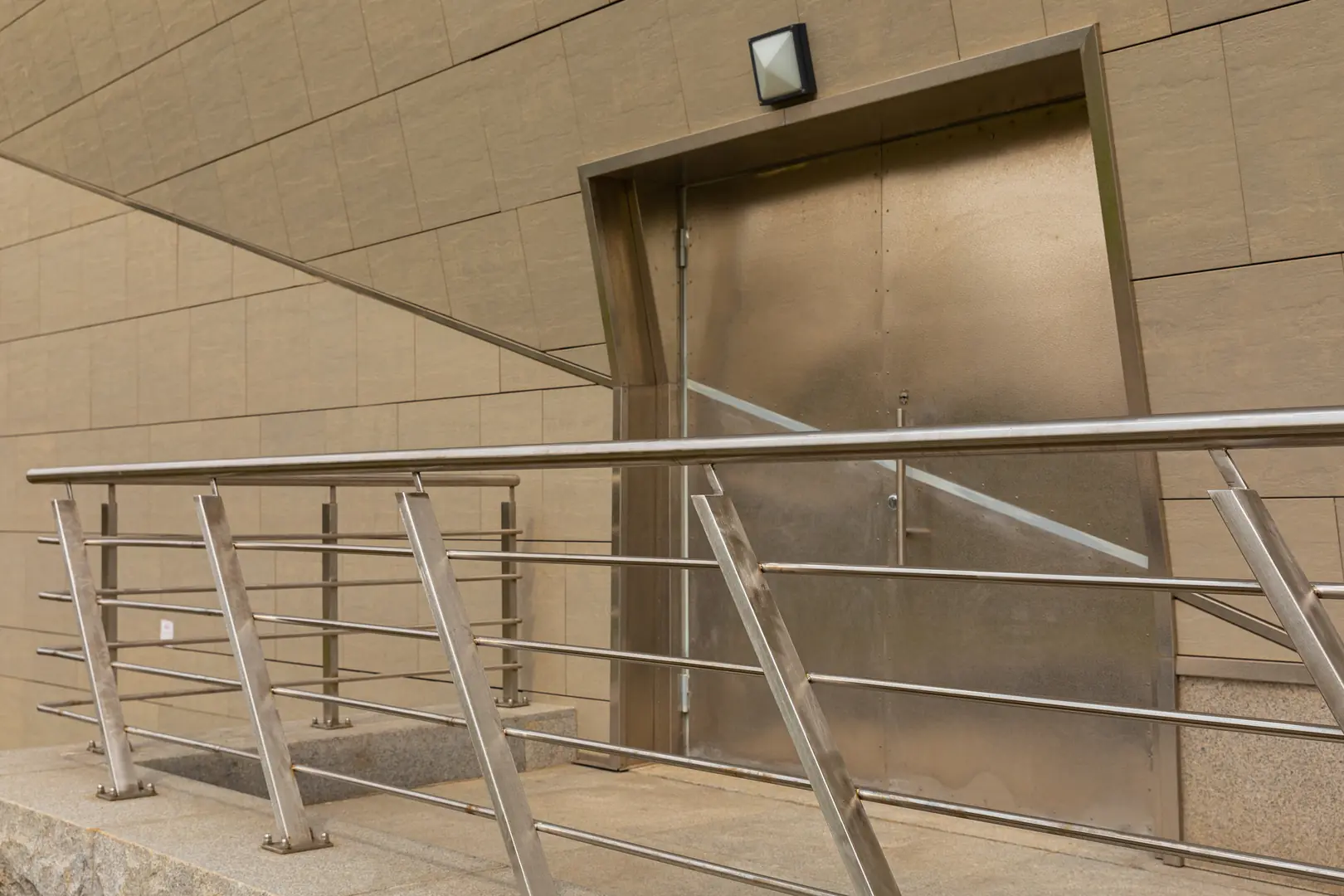
The job isn't finished when the arc goes out. The heat from welding leaves its mark on the steel, and this mark is more than just cosmetic. It's a chemical change on the surface that must be corrected to restore the material to its original, corrosion-resistant state. This is especially vital in construction, where welded components will be exposed to the elements for decades.
Cleaning and Removing Heat Tint
The rainbow-colored "heat tint" or "weld discoloration" you see alongside a weld is not just a color; it's a thicker, but less protective, oxide layer. More importantly, the area underneath this tint is a chromium-depleted zone, which is highly susceptible to corrosion. The first step is to remove this discoloration. This can be done mechanically with a dedicated stainless steel wire brush or chemically. The goal is to get back to a clean, uniform metal surface.
The Pickling and Passivation Process
Simply brushing the surface isn't enough to restore the chemistry. To guarantee full corrosion resistance, a two-step chemical process is required. First, pickling, which uses a strong acid mixture (typically hydrofluoric and nitric acid), completely removes the heat tint and the underlying chromium-depleted layer. It's an aggressive process that etches the surface, but it's the most effective way to eliminate the compromised metal. After thorough rinsing, the second step is passivation. This involves treating the surface with a milder acid, usually nitric acid. This process doesn't remove metal; instead, it helps the surface to rapidly rebuild the strong, thin, and transparent chromium oxide passive layer that gives stainless steel its protective qualities. This ensures the weld area is just as corrosion-resistant as the parent material.
Which Monitoring and Testing Methods Optimize Yield Strength?
You cannot confirm a weld's strength just by looking at it; an untested weld is a liability. A rigorous testing protocol is the only way to validate the integrity of your work.
Validating weld strength involves both non-destructive testing (NDT) like visual inspection, dye penetrant, and radiographic testing, and destructive testing (DT) such as tensile tests on sample coupons to directly measure the yield strength and ensure it meets project specifications.
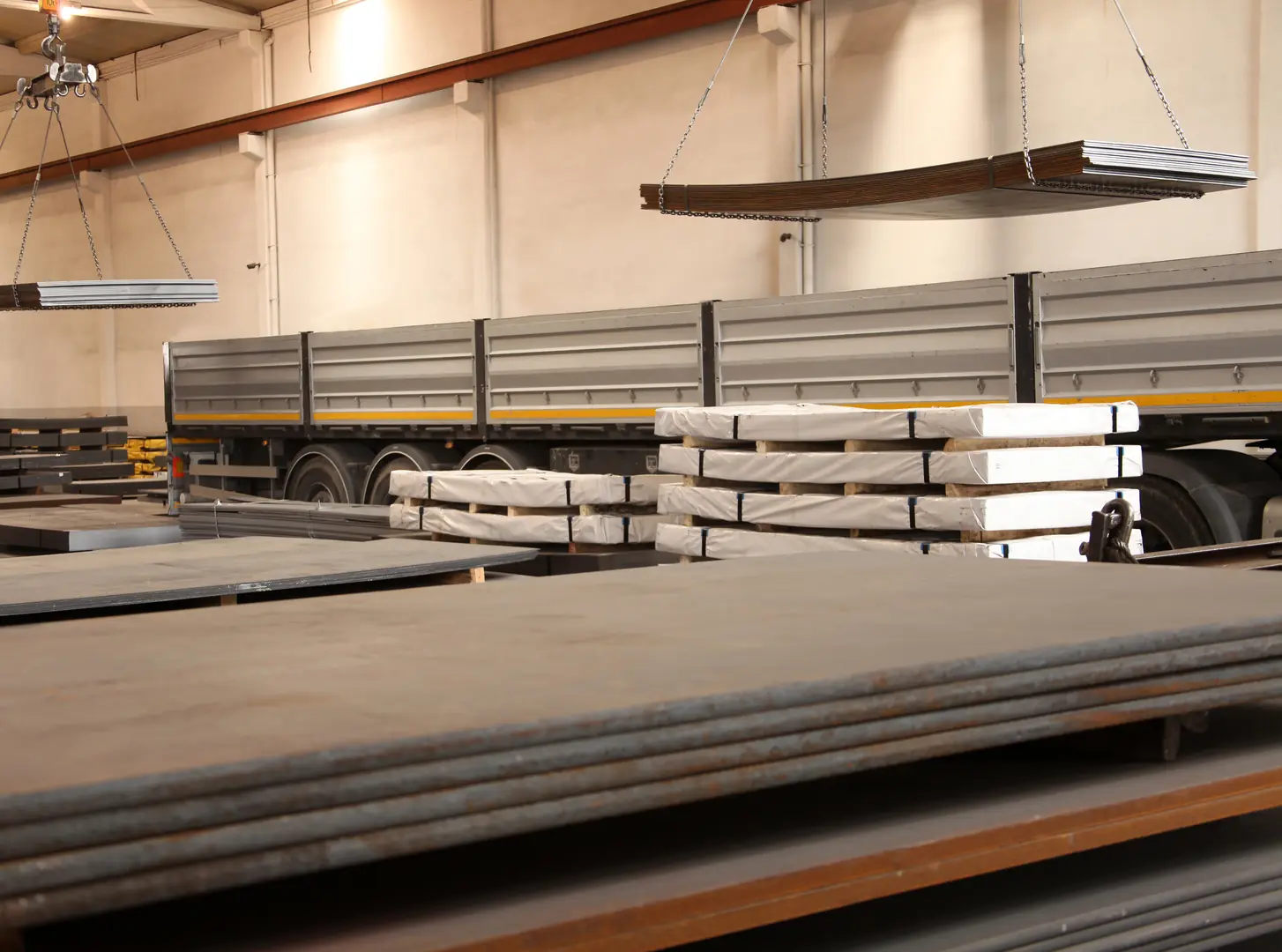
For construction engineers and project managers, verification is everything. Trust is good, but data is better. Optimizing yield strength is meaningless if you can't prove you've achieved it. A comprehensive testing plan, combining different methods, provides the quality assurance needed to sign off on critical structural components with confidence.
Non-Destructive Testing (NDT)
NDT methods allow us to inspect a weld for flaws without damaging the part itself. This is essential for inspecting 100% of critical welds on a project. Visual Testing (VT) is the first line of defense, looking for obvious surface flaws. Dye Penetrant Testing (PT) is a step up, using a colored dye to reveal tiny surface-breaking cracks that are invisible to the naked eye. For internal flaws like porosity or lack of fusion, Radiographic Testing (RT), which is like an X-ray for welds, is the most common method. Each test provides a different piece of the puzzle, and together they create a comprehensive picture of the weld's quality.
| NDT Method | What It Detects | Common Use Case |
|---|---|---|
| Visual (VT) | Surface defects (undercut, cracks, profile) | All welds, first inspection step. |
| Dye Penetrant (PT) | Surface-breaking cracks and porosity. | Critical surface welds, corner joints. |
| Radiographic (RT) | Internal defects (porosity, slag, cracks). | Full-penetration butt welds in critical structures. |
Destructive Testing (DT)
While NDT finds flaws, it doesn't directly measure strength. For that, we need Destructive Testing. This is typically done on sample weld coupons that are made using the exact same procedure as the actual project welds. The most important DT method for our purpose is the tensile test. A sample of the weld is pulled apart in a machine until it breaks. The machine records the force required, allowing us to calculate the exact yield strength, ultimate tensile strength, and ductility. This provides the definitive data to prove that the welding procedure is producing joints that meet or exceed the engineering specifications.
Заключение
In short, optimizing 304's yield strength is a science. It combines material knowledge, strict preparation, precise technique, and thorough testing. By embracing this discipline and adopting new technologies like laser welding, we can build the stronger, more durable, and more sustainable structures the future demands.
У вас есть вопросы или нужна дополнительная информация?
Свяжитесь с нами, чтобы получить индивидуальную помощь и квалифицированный совет.


 Русский
  English