Long-Term Protection: 5 Proven Strategies for Preventing Stainless Steel Rust
Your stainless steel is showing rust, threatening your investment. This corrosion risk undermines project integrity and costs. We have five proven strategies to guarantee long-term protection.
To prevent stainless steel rust, you must understand its causes, select the correct grade, apply proper surface treatments, conduct regular maintenance, and use advanced coatings when necessary. This strategic approach ensures material longevity and protects your investment against environmental challenges.
As the Global Business Director at MFY, I’ve seen countless projects succeed or fail based on one critical factor: how well they protected their materials. Stainless steel is an incredible alloy, but it's not invincible. True long-term protection isn't about a single product; it's about a holistic strategy. It requires a deep understanding of the material, its environment, and the right maintenance practices. Let’s walk through the five essential steps that we at MFY advise our partners on to ensure their stainless steel assets last for decades.
Why is Understanding the Causes of Rust the First Step?
Seeing rust on "stainless" steel is confusing. This unexpected corrosion can derail projects and budgets. Understanding the root cause is the key to effective prevention.
Stainless steel rusts when its protective chromium oxide layer is compromised by chlorides, acids, or physical damage. Understanding these specific environmental triggers is the foundational step for selecting the right prevention strategy and ensuring long-term material integrity.
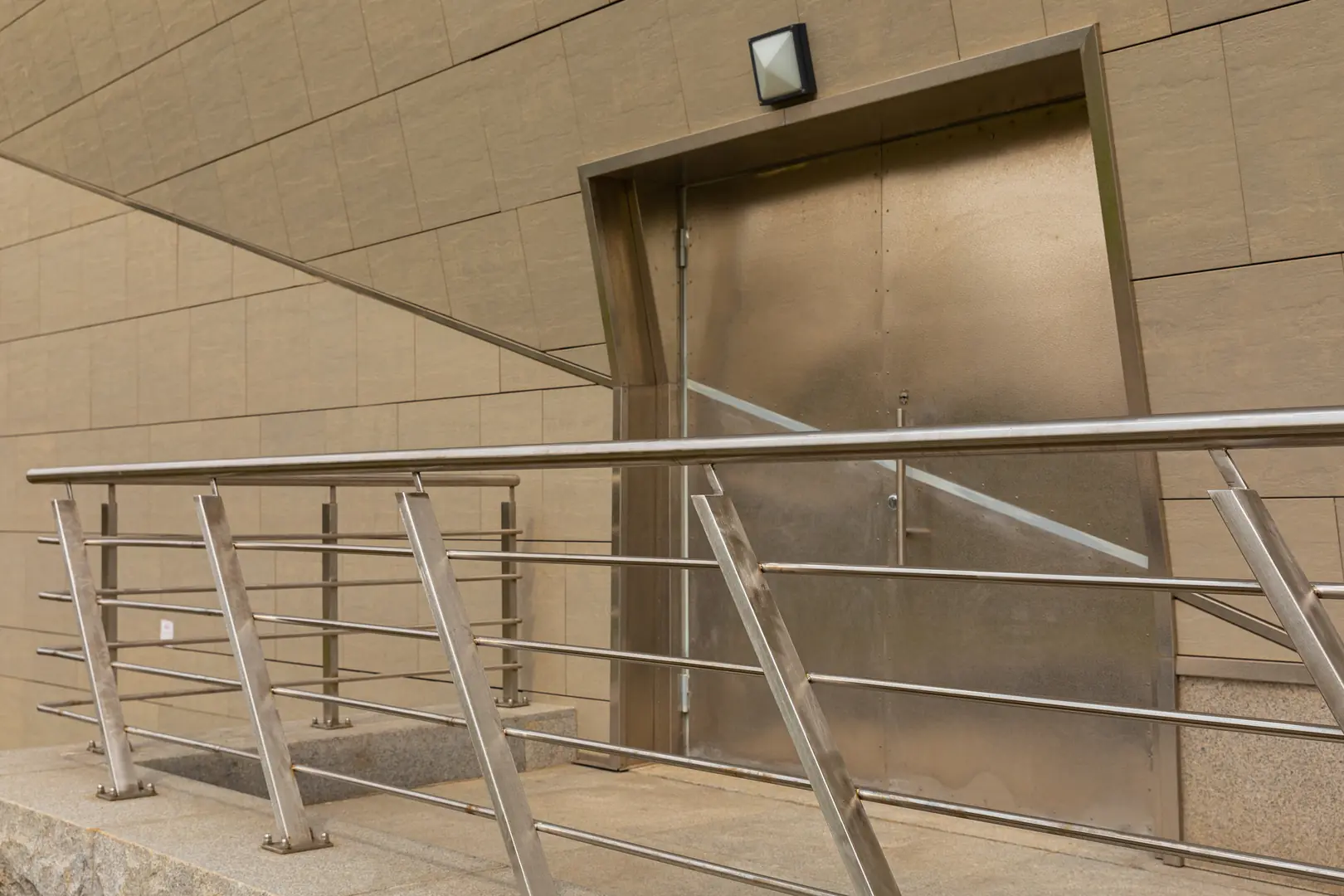
To effectively prevent a problem, you must first understand its source. The "stainless" quality of stainless steel comes from a microscopic, invisible layer on its surface called the passive film[^1]. This film, primarily composed of chromium oxide, forms instantly when the steel is exposed to oxygen. It's a self-healing barrier that protects the iron in the alloy from rusting. However, this layer is not impenetrable. Certain environmental factors can break it down faster than it can repair itself, leading to localized corrosion like pitting or crevice corrosion[^2]. I remember a client developing a coastal resort in Southeast Asia who was shocked to see rust spots on their new 304-grade railings within months. The issue wasn't the quality of the steel; it was the constant exposure to airborne saltwater (chlorides), which is a primary enemy of the passive layer.
The Role of the Passive Layer
The passive layer is the hero of our story. It’s a thin, tenacious, and transparent oxide film that shields the underlying steel. For it to work, it needs oxygen. Environments that are low in oxygen but high in corrosive agents, like the tight space under a bolt head (crevice corrosion), can be particularly damaging.
Common Environmental Threats
The most common threats that compromise this protective layer are:
- Chlorides: Found in saltwater, de-icing salts, and even some industrial cleaners.
- Acids: Aggressive industrial chemicals can rapidly eat away at the passive film.
- Physical Damage: Scratches or abrasions from tools, especially those made of carbon steel, can embed iron particles and create sites for rust to begin.
- High Temperatures: Certain grades of stainless steel can lose their corrosion resistance if exposed to specific temperature ranges.
Understanding these threats allows you to move from a reactive to a proactive mindset, which is the cornerstone of a successful material strategy.
How Does Selecting the Right Grade Prevent Corrosion?
Choosing the wrong steel grade leads to premature failure. This mistake is costly and damages your reputation. Selecting the right alloy composition is your primary defense.
Selecting the right stainless steel grade ensures the alloy composition, particularly the chromium, nickel, and molybdenum content, is matched to the specific corrosive environment. This proactive choice is the most cost-effective and fundamental strategy for long-term rust prevention.
Not all stainless steel is created equal. The term covers a wide family of alloys, each with a unique chemical composition designed for specific applications. Making the right choice at the procurement stage is the single most important decision you can make to prevent rust. The main alloying elements that influence corrosion resistance are chromium (the primary component for forming the passive layer), nickel (which enhances formability and general corrosion resistance), and molybdenum (the key to fighting chloride pitting). A few years ago, we worked with a food processing plant that was using grade 304 for its brine tanks. They faced constant corrosion issues and costly downtime. We advised them to switch to grade 316L, which contains molybdenum. The initial material cost was slightly higher, but the switch eliminated the corrosion problem, saving them a fortune in maintenance and replacement costs over the long term.
Comparing Common Austenitic Grades
For most industrial applications, the choice comes down to the 300 series. Here's a simple breakdown:
| Класс | Key Elements | Лучшее для | Avoid In |
|---|---|---|---|
| 304 | 18% Cr, 8% Ni | General purpose, food equipment, architectural | Marine environments, high-chloride areas |
| 316 | 16% Cr, 10% Ni, 2% Mo | Marine applications, chemical processing, pharma | Highly concentrated acidic environments |
| 316L | Lower Carbon than 316 | Welded structures in corrosive environments | Situations not requiring welding |
The Importance of Molybdenum
As you can see, the addition of just 2-3% molybdenum in grade 316 makes a world of difference in its ability to resist chlorides. For any project near the coast or involving salts and certain chemicals, specifying 316 or a higher grade is not a luxury; it's a necessity. At MFY, our deep integration in the supply chain means we can source and deliver the precise grade your project demands, ensuring you have the right foundation for long-term success.
What Role Do Surface Treatments Play in Rust Prevention?
Even the right grade can have surface imperfections. These flaws become rust initiation points. Proper surface treatments restore and enhance the steel's natural defenses.
Surface treatments like passivation and electropolishing remove contaminants and enhance the natural chromium oxide layer on stainless steel. This process strengthens the material's passive film, making it significantly more resistant to corrosion and extending its service life.
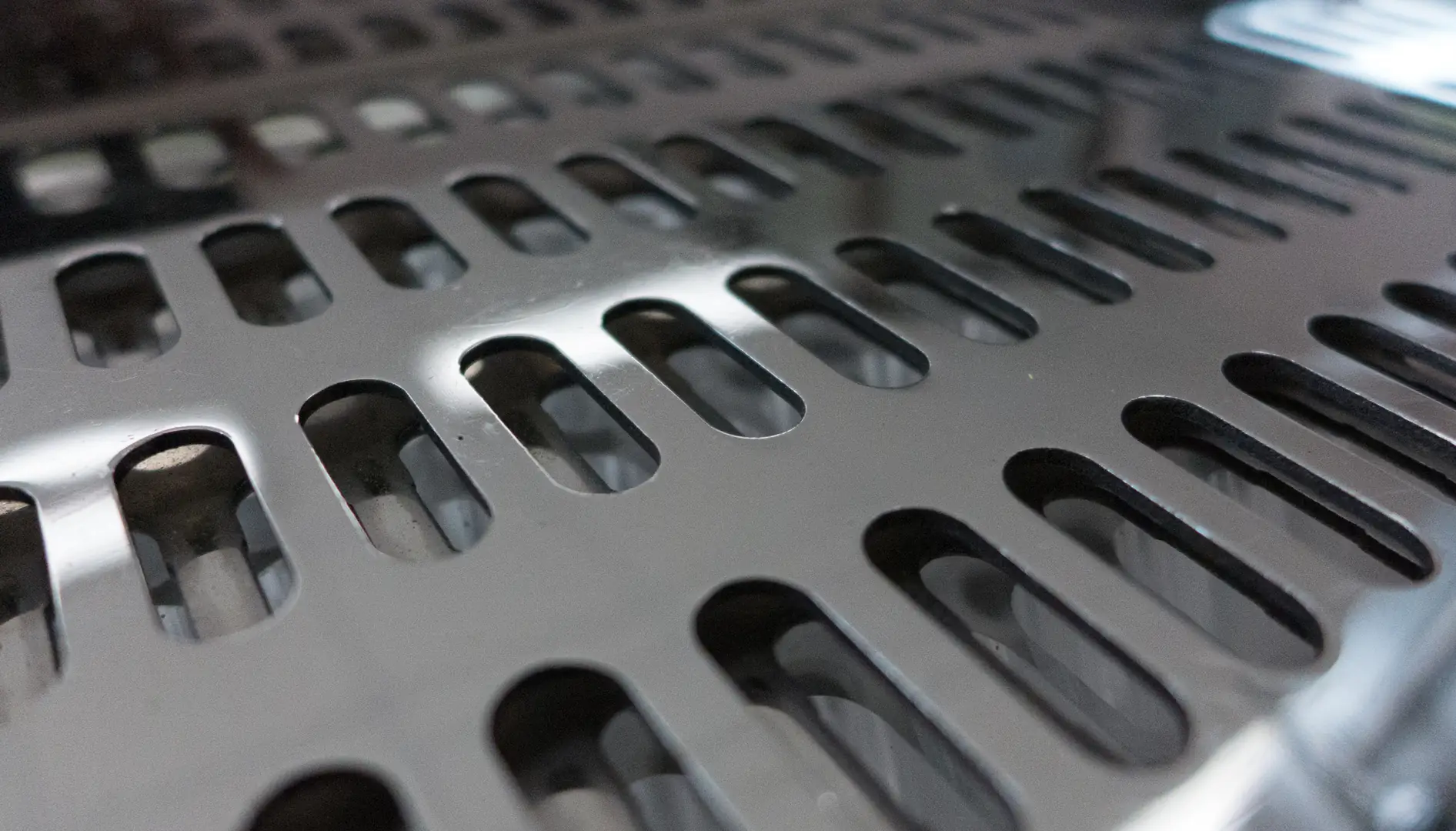
Once you've selected the right grade, the next step is to ensure its surface is in optimal condition. During fabrication processes like cutting, welding, and grinding, free iron particles from tools or the environment can become embedded in the stainless steel surface. These particles are weak points where rust can begin, even on a high-quality grade like 316. This isn't a defect in the steel itself, but rather surface contamination that compromises its passive layer. This is where surface treatments become critical. They are not coatings; instead, they are chemical processes designed to clean the surface and strengthen the steel's natural protective film. We often recommend passivation for any fabricated parts that will be deployed in moderately to highly corrosive environments. It's a low-cost insurance policy that maximizes the inherent corrosion resistance of the alloy you paid for.
The Passivation Process
Passivation is a two-step process. First, the surface is thoroughly cleaned to remove grease, grime, and other residues. Second, the part is submerged in a mild acid bath, typically nitric or citric acid. This bath dissolves any embedded free iron from the surface without harming the stainless steel itself. It also accelerates the formation of a thicker, more uniform, and more robust chromium oxide passive layer. The result is a surface that is chemically clean and maximally resistant to corrosion.
Benefits of Electropolishing
For applications requiring the absolute highest level of corrosion resistance and cleanability, such as in the pharmaceutical or semiconductor industries, we recommend electropolishing. This is an electrochemical process that is essentially the reverse of plating. It removes a microscopic layer of the surface material, taking with it any impurities, micro-burrs, and surface stress. This leaves an incredibly smooth, bright, and highly corrosion-resistant finish that is also easier to clean and less likely to harbor bacteria.
Why are Regular Maintenance and Inspections Non-Negotiable?
Neglecting your steel assets seems easy, but it's risky. Small issues can escalate into major failures. Regular maintenance is the insurance policy for your material's longevity.
Regular maintenance and inspections are non-negotiable because they allow for the timely removal of surface contaminants that can break down the passive layer. This proactive cleaning and monitoring prevents localized corrosion from starting and spreading, ensuring maximum service life.
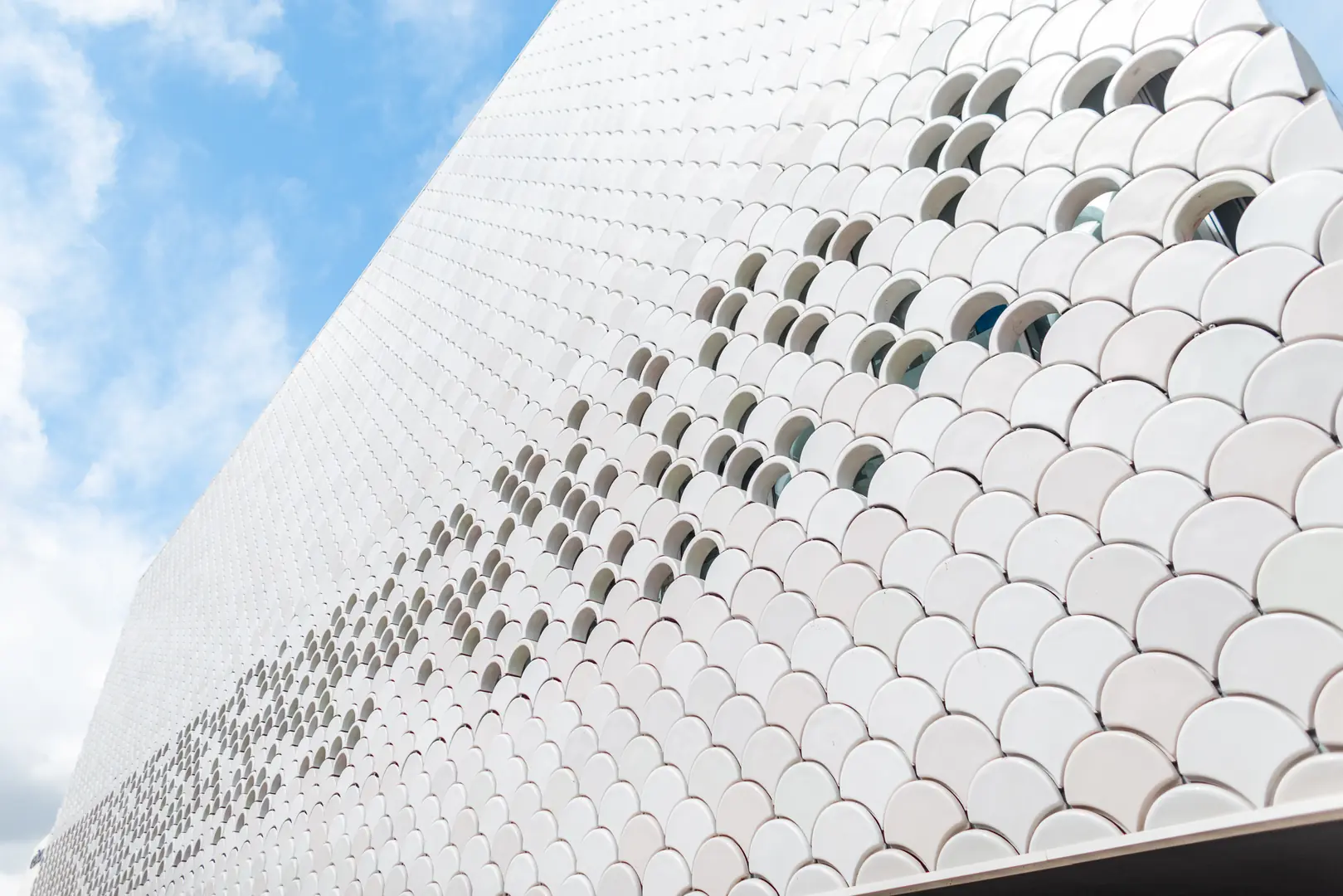
Your rust prevention strategy doesn't end after installation. All the work you've done in selecting the right grade and applying surface treatments can be undone by neglect. In the real world, stainless steel surfaces are constantly exposed to dirt, dust, grime, and environmental deposits. In a coastal or industrial area, these deposits can be laden with chlorides or other corrosive chemicals. If left to sit, these contaminants can trap moisture against the surface, creating the perfect conditions for the passive layer to break down and for точечная коррозия[^3] to begin. A simple, regular cleaning schedule is often all that's needed to prevent this. It's a small investment of time and resources that pays massive dividends in extending the life of your assets and maintaining their aesthetic appearance.
Basic Cleaning Protocols
Maintenance doesn't have to be complicated. For most architectural and industrial applications, a periodic cleaning with soap or a mild detergent and water, followed by a clean water rinse, is sufficient.
- Do: Use soft cloths, sponges, or nylon brushes. Always clean in the direction of the steel's grain or polished finish.
- Don't: Use steel wool or carbon steel brushes, as they will leave behind iron particles that will rust. Avoid cleaners containing chlorides (especially bleach).
The Future: Predictive Maintenance
At MFY, we are always looking ahead. The balance between alloy composition, environment, and maintenance is key. We believe the future of asset protection lies in shifting from reactive or scheduled maintenance to predictive maintenance[^4]. We are exploring how integrated IoT sensors can monitor environmental conditions like air salinity, humidity, and pH levels on a steel structure in real-time. This data can trigger a maintenance alert precisely when conditions become corrosive, long before any visible rust can form. This data-driven approach optimizes resource use and provides the ultimate level of protection for critical investments.
When Should You Consider Advanced Coating Technologies?
Sometimes, the environment is just too aggressive. Even the best steel grades need extra help. Advanced coatings provide a final, robust barrier against extreme corrosion.
You should consider advanced coatings for stainless steel in extremely harsh environments where the native passive layer is insufficient. This includes applications with constant chemical exposure, severe marine conditions, or high abrasion, where a coating provides an essential secondary defense.

In 95% of cases, the strategies we've discussed—proper grade selection, surface treatment, and maintenance—are more than enough to ensure a long service life for stainless steel. However, there are certain extreme environments where even a high-performance alloy like 316L or a duplex grade will be pushed to its limits. I'm talking about applications like offshore oil rigs with constant salt spray, chemical processing tanks holding highly aggressive acids, or wastewater treatment facilities with a complex mix of corrosive agents. In these situations, adding a protective coating is a prudent and necessary step. A coating acts as a physical barrier, isolating the steel surface from the corrosive environment and providing a crucial layer of defense-in-depth.
Types of Protective Coatings
The world of industrial coatings is vast, but a few types are commonly used for stainless steel:
- Polymer Coatings (e.g., Epoxy, Polyurethane): These are excellent for creating a thick, durable barrier against chemicals and moisture. They are widely used in industrial and marine applications.
- Fluoropolymer Coatings (e.g., PTFE): Known for their non-stick properties and exceptional chemical resistance, these are often used as liners for tanks and pipes.
- Ceramic Coatings: These offer superior hardness and resistance to both abrasion and high temperatures, making them suitable for very demanding industrial components.
Choosing the right coating is a technical decision that depends on the specific chemical exposure, temperature, and physical wear the component will face. It's not a replacement for choosing the right steel grade; rather, it's a synergistic solution. The steel provides the structural strength and a base level of corrosion resistance, while the coating provides the frontline defense against an exceptionally aggressive environment.
Заключение
Protecting your stainless steel investment is a strategic process, not a single action. By combining correct grade selection, proper treatments, and proactive maintenance, you can ensure unparalleled longevity and performance, no matter the environment. At MFY, we're here to help you build that strategy.
У вас есть вопросы или нужна дополнительная информация?
Свяжитесь с нами, чтобы получить индивидуальную помощь и квалифицированный совет.



 Русский
  English