The Distributor's Guide to High-Volume Stainless Steel Rust Prevention and Removal
Rust can ruin your inventory and reputation. It's a constant worry in high-volume distribution. We have a strategic framework to protect your assets and profitability.
Mastering rust involves a two-pronged strategy: implementing proactive, scalable prevention techniques throughout the supply chain and using efficient removal methods when necessary. This protects product integrity, reduces claims, and ensures customer satisfaction in a competitive global market.
As Global Business Director at MFY, I've seen how a proactive approach to corrosion can transform a distribution business. It's not just about cleaning a surface; it's about safeguarding your entire operation. It’s about shifting your mindset from reactive cleaning to proactive, strategic asset protection. Let's break down how you can build a resilient, rust-free supply chain that enhances your value proposition and protects your bottom line.
What Really Causes Rust in Stainless Steel Products?
You think stainless steel is rust-proof, but then see red spots. This confusion leads to costly mistakes. The key is understanding the protective 'passive layer[^1]'.
Rust, or corrosion, occurs when the protective chromium oxide layer on stainless steel is damaged by chlorides, moisture, or contact with carbon steel, allowing iron to oxidize.
Many people are surprised to learn that stainless steel can, in fact, rust. The "stainless" quality comes from a very thin, invisible, and self-healing layer on the surface called the passive layer. This layer is rich in chromium oxide and forms when chromium in the alloy reacts with oxygen. It's the steel's first and most important line of defense. However, this layer isn't invincible. The core of any prevention strategy is to understand what compromises it. At MFY, we educate our partners on these triggers because knowledge is the foundation of prevention. I remember a client who stored their coils near a metal grinding station, and the fine carbon steel dust that settled on their inventory caused significant surface rust, a problem that was easily avoidable with better warehouse zoning.
The Role of the Passive Layer
The passive layer is a marvel of material science, but it's only a few molecules thick. Its integrity is everything. When it's intact, it prevents oxygen and water from reaching the iron in the steel, stopping rust before it can start. If it gets scratched or damaged, it can often "heal" itself by reacting with oxygen again, but only if conditions are right. Problems arise when the damaging agent is persistent.
Common Corrosion Triggers
The most common enemies of the passive layer are chlorides. These are found everywhere, from seawater and coastal air to de-icing salts and even some industrial cleaners. Another major culprit is cross-contamination[^2] with plain carbon steel or iron. Using carbon steel tools, brushes, or storing stainless steel on contaminated racks can embed iron particles onto the surface, which then become initiation sites for rust.
| Trigger | Common Sources | Prevention Tip |
|---|---|---|
| Chlorides | Coastal air, de-icing salts, certain cleaning agents | Rinse with fresh water, use chloride-free cleaners |
| Carbon Steel Contact | Tools, grinding dust, storage racks, fasteners | Use dedicated stainless steel tools, proper zoning |
| Moisture & Humidity | Condensation, rain, high-humidity environments | Store in dry, climate-controlled areas |
| Chemical Exposure | Harsh acids, industrial pollutants | Ensure proper material grade selection for the job |
How Do You Assess the Scale of Rust Prevention Needed for High-Volume Distribution?
A one-size-fits-all approach to rust prevention fails at scale. Misjudging your needs leads to wasted resources or damaged goods. A strategic assessment is your solution.
Assess your needs by analyzing your supply chain's environmental exposures (humidity, salinity), storage duration, and product handling methods. This data informs a tailored, cost-effective prevention strategy.
In high-volume distribution, you're not just protecting one sheet of steel; you're protecting an entire investment that moves through multiple climates and handling points. The key insight here is the need for scalable, innovative solutions that address these complex challenges. It begins with a thorough audit of your entire supply chain, from the moment the product leaves our mill to when it reaches your customer. I recall a partner in Southeast Asia who faced massive losses during monsoon season until we helped them map their entire logistics chain. We identified the critical humidity exposure points during port transfers and recommended a specific VCI-impregnated wrapping[^3] that solved the problem. This is about moving from guesswork to a data-driven strategy.
Mapping Your Supply Chain Vulnerabilities
Start by creating a flow map of your product's journey. Identify every touchpoint: shipping containers, port storage, truck transport, and your own warehousing. At each stage, you need to assess the environmental risks. Is it a long sea voyage through a saline environment? Is the destination warehouse in a high-humidity region? This map becomes your risk-assessment blueprint.
Quantifying Risk and Choosing Scalable Solutions
Once you've mapped the vulnerabilities, you can quantify the risk and align your prevention strategy accordingly. This is where partnerships with technology providers and innovative manufacturers become critical. The demand for advanced, cost-effective surface treatments and coatings is growing. At MFY, we are constantly exploring these technologies to offer them as part of our value proposition. Your assessment should lead you to a tiered approach.
| Risk Factor | Low-Risk Scenario | High-Risk Scenario | Recommended Solution |
|---|---|---|---|
| Transit Time/Mode | Short, domestic truck route | Long sea voyage (30+ days) | VCI paper/film, desiccants in container |
| Climate Exposure | Dry, inland climate | Coastal, high-humidity, or monsoon region | Climate-controlled storage, enhanced packaging |
| Обработка | Dedicated stainless-only facility | Multi-metal facility with shared equipment | Strict handling protocols, staff training, tool segregation |
What Are the Most Effective Rust Prevention Techniques in Storage and Transportation?
Your products are perfect leaving the mill but arrive rusted. This erodes trust and profits. You need proven techniques to protect them in transit and storage.
Effective techniques include using VCI (Vapor Corrosion Inhibitor) paper or films, maintaining controlled-humidity storage environments, and ensuring proper packaging that prevents moisture ingress and physical damage.
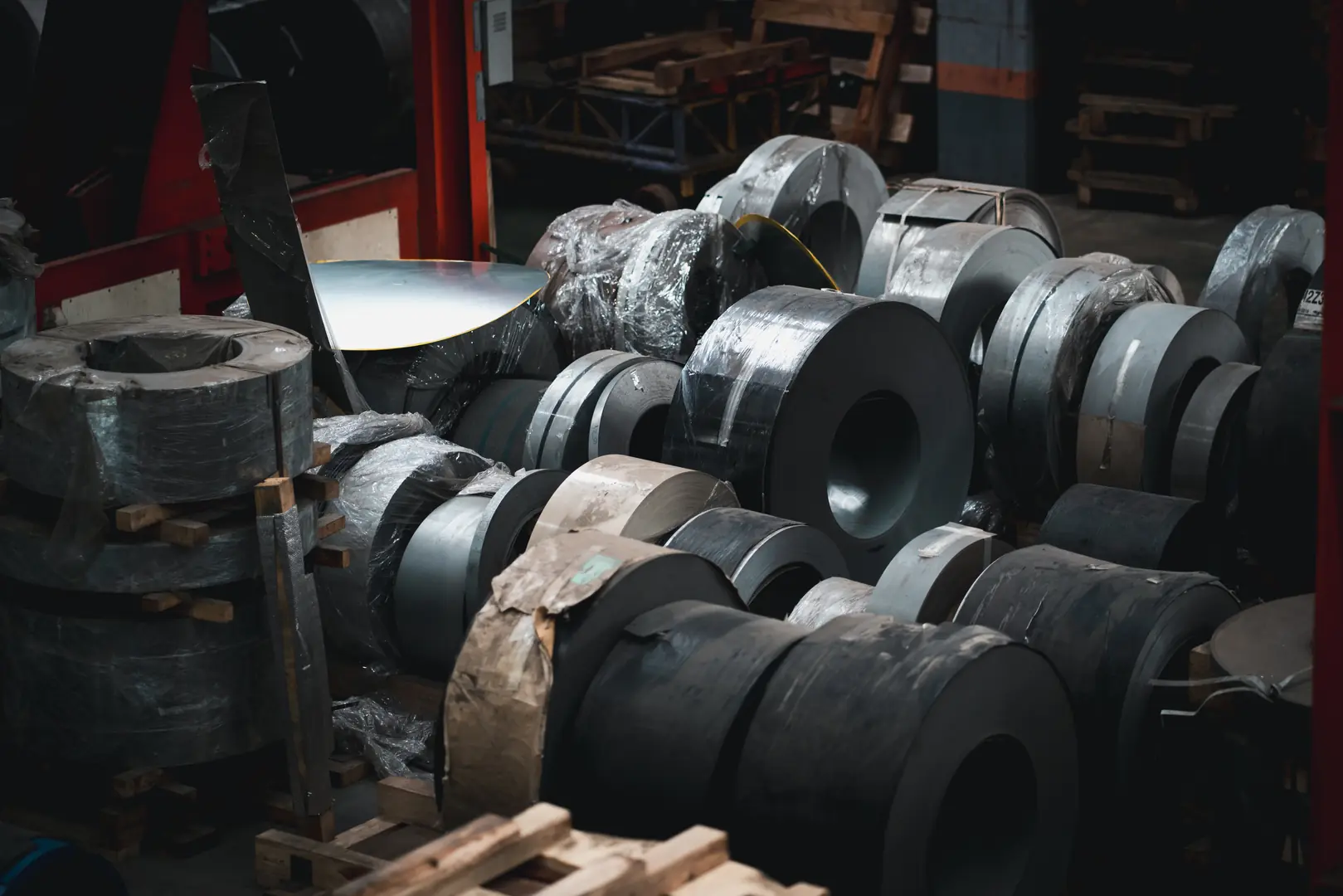
Once your risk assessment is complete, implementation is next. The goal is to create a protective bubble around your stainless steel throughout its journey. This isn't about one magic solution but a combination of methods tailored to your specific supply chain risks. The most significant leap forward in this area for high-volume distributors has been the widespread adoption of Vapor Corrosion Inhibitors (VCI). Instead of just being a physical barrier, VCI materials actively release molecules that form a protective, rust-inhibiting layer on the metal surface. It's a game-changer for long-haul shipping and storage. We now offer VCI-integrated packaging[^4] as a standard option for clients shipping to challenging climates because we've seen the dramatic reduction in claims.
Advanced Packaging Solutions
Your packaging is your first line of defense. A simple plastic wrap isn't enough for a sea voyage.
- VCI Paper/Film: This should be the inner layer, in direct contact with or in the enclosed space of the steel. It creates a protective molecular shield.
- Water-Resistant Outer Layer: A heavy-duty, tear-resistant wrap should be used to keep physical water out.
- Desiccants: For extremely humid conditions, adding desiccant packs inside the packaging absorbs ambient moisture.
Climate-Controlled Warehousing
Your warehouse is a critical control point. Ideally, stainless steel should be stored in a climate-controlled environment where humidity is kept below 60%. If that's not feasible, ensure good air circulation to prevent condensation, and never store coils or sheets directly on a concrete floor, which can "sweat" moisture. Use wooden pallets or proper racking.
Smart Handling Protocols
All the best packaging is useless if handling damages the surface. Enforce strict rules: use nylon or fabric slings for lifting instead of steel chains or hooks. Ensure all tools, forklifts, and racks used for stainless steel are dedicated to it or thoroughly cleaned to prevent carbon steel contamination.
What is the Correct Step-by-Step Guide for Removing Rust from Stainless Steel Surfaces?
You've found rust on your stock. Panic sets in, and improper cleaning can make it worse. A systematic, non-damaging process is what you need to follow.
First, clean the surface with a mild detergent. Then, apply a non-chloride-based rust remover like an oxalic or phosphoric acid solution. Gently scrub, rinse thoroughly, and passivate.

Even with the best prevention, issues can occur. The key is to address rust immediately and correctly. A common mistake I see is people reaching for steel wool or a carbon steel brush, which only scratches the surface and embeds more iron particles, making the problem much worse in the long run. The goal is to remove the iron oxide (the rust) without damaging the underlying passive layer or the steel itself. The final step, passivation[^5], is crucial and often overlooked. It involves a mild acid treatment (like nitric or citric acid) that helps rebuild the protective chromium oxide layer, making the surface resistant to future rusting. This is a reactive measure, and if you find yourself doing it often, it’s a clear sign your prevention strategy needs a serious review.
Step 1: Surface Preparation
Before you treat the rust, you must clean the surface. Dirt and oil can prevent the rust remover from working effectively. Use a mild soap or detergent and warm water. Rinse thoroughly and dry the surface completely.
Step 2: Chemical Application
Choose the right chemical. For light surface rust, a solution of oxalic acid[^6] is often sufficient and relatively gentle. For more stubborn spots, a phosphoric acid-based gel can be used. Always test on a small, inconspicuous area first.
Step 3: Rinsing and Passivation
This is the most critical phase. After scrubbing, you must completely rinse away the cleaning solution. Any residue left behind can cause staining. After a final rinse with deionized water (if possible), apply a passivating solution according to the manufacturer's instructions. This step chemically restores the protective layer.
| Шаг | Действие | Ключевое соображение |
|---|---|---|
| 1. Очистите | Wash the area with soap and water. | Remove all grease and dirt for the treatment to be effective. |
| 2. Treat | Apply an oxalic or phosphoric acid-based cleaner with a soft cloth or nylon brush. | NEVER use steel wool or carbon steel brushes. |
| 3. Scrub | Gently agitate the surface, always scrubbing in the direction of the metal's grain or finish. | Scrubbing against the grain can cause visible scratches. |
| 4. Промыть | Thoroughly rinse the area with clean water until all traces of the cleaner are gone. | Chemical residue can cause future damage. |
| 5. Сухой | Dry the surface completely with a clean cloth. | Prevents water spots and new rust from forming immediately. |
| 6. Passivate | Apply a passivating agent (e.g., citric acid solution) to help rebuild the protective layer. | This is essential for long-term resistance. |
How Can You Maintain Rust-Free Stainless Steel During High-Volume Distribution?
You've removed the rust, but how do you stop it from coming back? Without a maintenance plan, you're stuck in a costly cycle. Proactive monitoring is the answer.
Maintain a rust-free state through regular inspections, consistent application of preventive measures like VCI, and training staff on proper handling to avoid cross-contamination and surface damage.
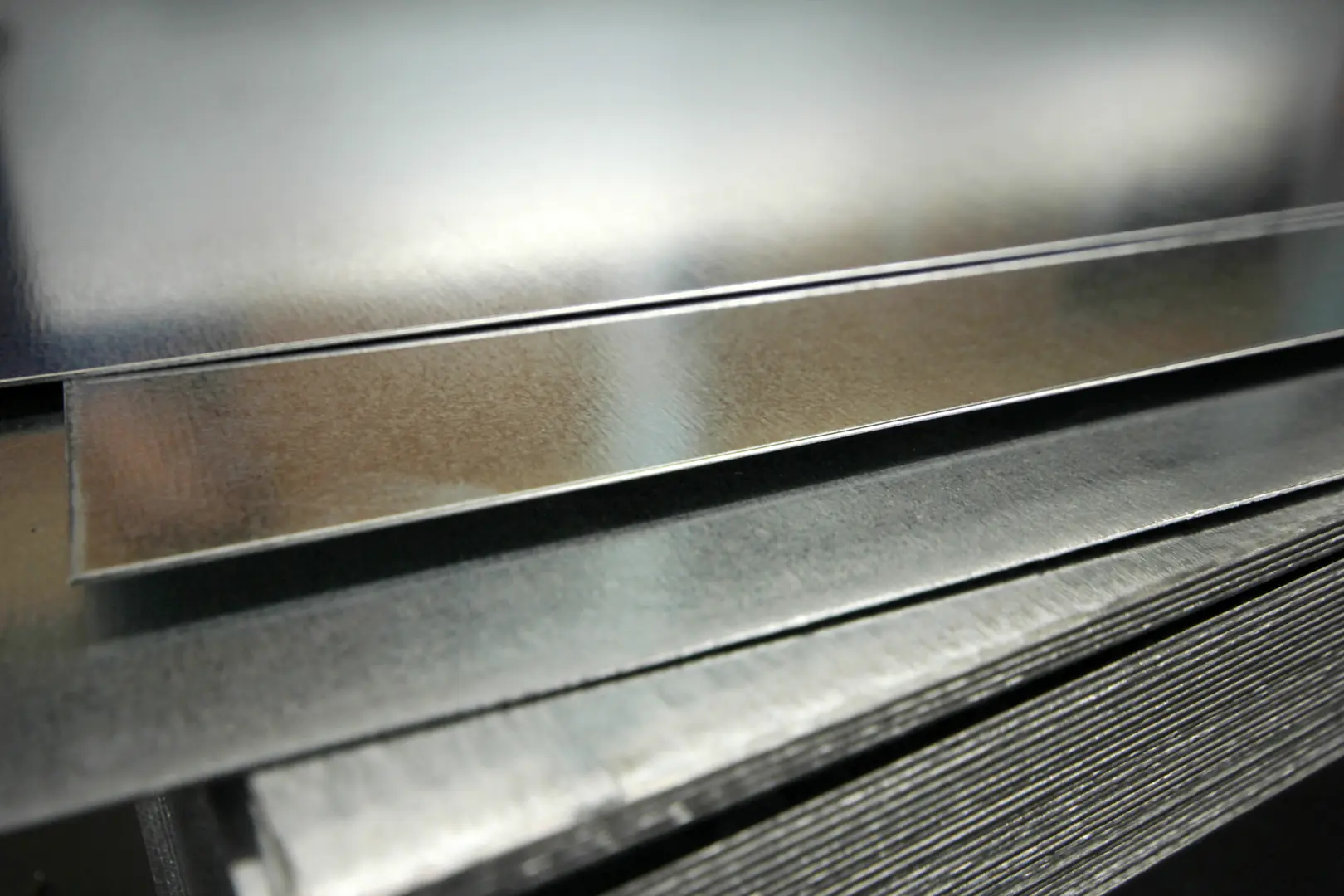
Maintaining a rust-free inventory is not a one-time fix; it's an ongoing process that must be embedded in your company's culture. This is where we circle back to strategy. The ultimate goal is to integrate rust prevention so deeply into your supply chain that it becomes automatic. It's about real-time monitoring and continuous improvement. Technology can help here. For high-value shipments, some of our partners use data loggers inside containers to track humidity and temperature, providing valuable data to refine their shipping and packaging methods. This proactive approach, which focuses on preemptively addressing issues, is what separates market leaders from the rest. It safeguards your reputation and your profitability.
Establishing a Proactive Maintenance Protocol
Create a simple but non-negotiable checklist for receiving and storing stainless steel. This should be part of your standard operating procedure.
- Inspect all incoming shipments for packaging integrity and signs of moisture.
- Check storage areas weekly for potential issues like roof leaks or condensation.
- Ensure proper stock rotation (First-In, First-Out) to minimize long-term storage.
The Role of Technology and Monitoring
Embrace simple technologies that can provide valuable insights. Humidity sensors in your warehouse can alert you to dangerous conditions. Using inventory management software to track the age and storage location of your stock can help you identify and move material that has been sitting for too long.
Building a Culture of Quality
Finally, the most effective tool is a well-trained team. Your warehouse staff, forklift operators, and logistics coordinators are on the front lines. Train them on the "why" behind the rules—why they must use specific slings, why they must keep carbon steel separate, and why a small tear in the packaging is a big deal. When your team understands the value of the material and the science of rust prevention, they become your greatest asset in maintaining a pristine, profitable inventory.
Заключение
Ultimately, mastering rust prevention is a strategic advantage. It moves beyond simple maintenance to become a core part of your value proposition, protecting your inventory, reputation, and profitability. A proactive, integrated approach is the key to success in the global market.
У вас есть вопросы или нужна дополнительная информация?
Свяжитесь с нами, чтобы получить индивидуальную помощь и квалифицированный совет.




 Русский
  English