Beyond Price: Why Steel Quality Matters for Engineering Durability
Choosing steel based on price seems smart. But low quality leads to failure and high long-term costs. Prioritizing quality ensures project durability, safety, and long-term value.
Steel quality is paramount for engineering durability because it directly determines a structure's strength, resilience, and lifespan. High-quality steel mitigates long-term risks, reduces maintenance costs, and ensures compliance with safety standards, making it a smarter investment than simply choosing the lowest price.
In my role at MFY, I speak with engineers and project managers every day. A common theme is the constant pressure to manage costs. But I’ve learned that the most successful leaders in this industry don't just look at the initial price tag of materials. They look at the total cost of ownership over the project's entire lifecycle. This is where the conversation shifts from price to quality, because true durability is built on a foundation of superior materials. Let's explore why this distinction is so critical for the success and safety of any engineering project.
What Key Factors Define Steel Quality in Engineering?
"Quality" can be a vague term in our industry. Using the wrong metrics or making assumptions can lead to material failure. We must focus on specific, measurable properties to define true engineering-grade steel.
Key factors include chemical composition (alloying elements), mechanical properties (tensile strength, yield strength, hardness), corrosion resistance, and manufacturing consistency. These elements collectively determine the steel's performance and suitability for a specific application.
When we talk about steel quality, we're moving beyond a simple surface inspection. We're diving deep into the material science that dictates how a component will perform under stress for decades. At MFY, we see this as a non-negotiable part of the supply chain. The drive for higher quality isn't just a trend; it's a fundamental shift driven by demands for greater sustainability, safety, and regulatory compliance[^1] across the globe. It's about ensuring predictable, reliable performance.
Химический состав
The recipe of the steel is its foundation. The precise balance of elements like chromium, nickel, and molybdenum in stainless steel dictates its core characteristics. For example, adding molybdenum significantly enhances corrosion resistance, which is why Grade 316 is a standard for marine environments. An inconsistent chemical makeup can lead to weak spots and premature failure.
Mechanical Properties
This is where the steel proves its strength. We look at several key metrics to understand how the material will behave under physical stress.
| Mechanical Property | Описание | Importance in Engineering |
|---|---|---|
| Прочность на разрыв | The maximum stress a material can withstand while being pulled. | Prevents components from breaking under tension. |
| Предел текучести | The stress at which the material begins to deform permanently. | Defines the material's elastic limit for structural design. |
| Твердость | The material's resistance to localized surface indentation. | Crucial for applications with high wear and abrasion. |
Manufacturing Consistency
Finally, true quality means consistency from one batch to the next. A reliable manufacturer uses strict process controls to ensure that every coil, sheet, or pipe meets the exact same specifications. This predictability is what allows engineers to design with confidence, knowing the material they specify is the material they will receive.
How Does Steel Quality Directly Impact Project Durability?
The link between a material choice and long-term performance isn't always immediately obvious. But a weak link in the material supply chain can cause catastrophic failure years down the line.
High-quality steel enhances durability by providing superior resistance to corrosion, fatigue, and environmental stress. This extends the structure's service life, reduces the need for costly repairs, and ensures it performs reliably under its intended operational loads for decades.
The conversation about quality is really a conversation about lifecycle value. A cheaper, lower-grade steel might save money on day one, but it will almost certainly cost more over the life of the project in maintenance, repairs, and eventual replacement. We see this in high-stakes sectors like infrastructure and industrial machinery, where failure is not an option. The initial material cost is a small fraction of the total project value, but its impact on long-term performance is enormous. This is why forward-thinking firms are strategically shifting to premium steel sourcing—it's a direct investment in risk mitigation.
Lifecycle Cost vs. Initial Price
A bridge built with superior corrosion-resistant steel may cost more upfront, but it will require far less maintenance and repainting over its 50-year lifespan. This dramatically lowers the total cost of ownership. I remember a client in Southeast Asia who built a coastal processing plant. They initially chose a lower-grade steel to cut costs, but within five years, corrosion forced a major shutdown and replacement. The cost of downtime and rework was ten times their initial savings.
Resilience in Harsh Environments
Durability is about withstanding the expected and the unexpected. High-quality steel offers predictable performance against environmental challenges.
- Corrosion Resistance: In marine or chemical environments, the right alloy prevents degradation that weakens the structure.
- Fatigue Resistance: For components under constant vibration or cyclic loads, like in machinery or bridges, superior steel resists the formation of micro-cracks that lead to failure.
- Temperature Stability: In applications with extreme heat or cold, quality steel maintains its structural properties without becoming brittle or weak.
What Are the Real Risks of Using Low-Quality Steel?
Cutting costs with cheaper steel is always tempting on paper. But the hidden risks can be catastrophic, from financial ruin to severe safety hazards. Recognizing these dangers makes the case for quality undeniable.
The risks are severe: structural failure, increased maintenance and replacement costs, project delays, reputational damage, and non-compliance with building codes and safety regulations. In the worst cases, it can lead to catastrophic accidents and loss of life.
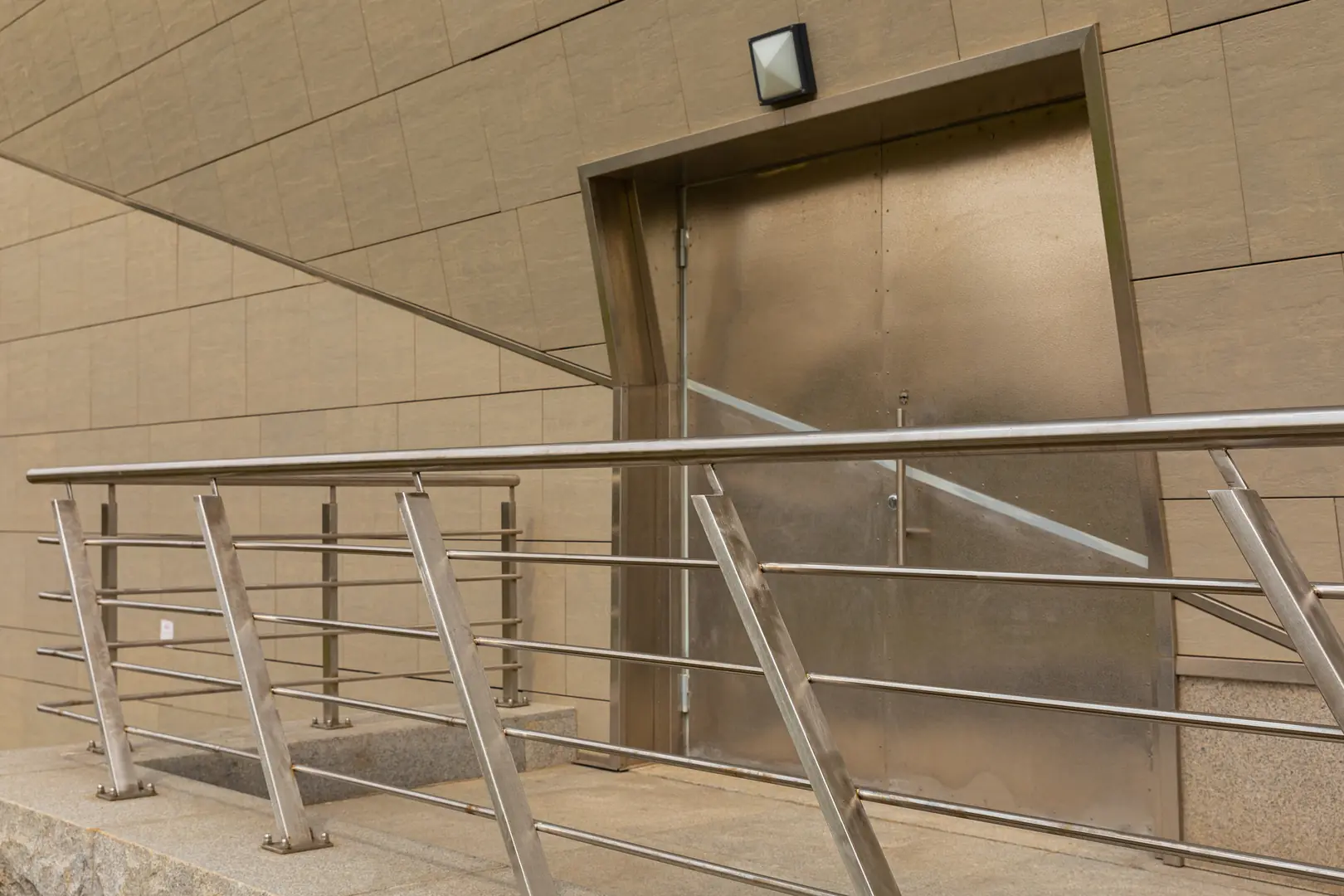
The consequences of material failure extend far beyond the failed component itself. It creates a ripple effect that can jeopardize an entire project, a company's reputation, and public safety. This is the core reason why the industry is moving towards a quality-first mindset. The initial savings from using substandard materials are an illusion when weighed against the potential for disaster. It's a gamble that responsible engineers and contractors are simply unwilling to take.
Structural and Safety Risks
This is the most critical risk. A steel beam that doesn't meet its specified yield strength can buckle under load. A pipe with inconsistent wall thickness can burst under pressure. These aren't theoretical problems; they are real-world failures that can lead to building collapses, bridge failures, and industrial accidents. The primary responsibility of an engineer is public safety, and that starts with specifying materials that are guaranteed to perform as designed.
Financial Consequences
The financial fallout from using low-quality steel is significant. It includes:
- High Maintenance Costs: Constant repairs and patchwork to address corrosion and wear.
- Replacement Costs: The expense of tearing out and replacing failed components, which is often far more costly than the initial installation.
- Downtime Losses: In an industrial setting, a failed component can shut down an entire production line, leading to massive revenue loss.
- Litigation and Fines: Failures due to non-compliant materials can result in expensive lawsuits and regulatory penalties.
Regulatory and Reputational Damage
Projects must adhere to strict local and international building codes and standards. Using low-quality steel can lead to failed inspections, project rejection, and the loss of professional licenses. Beyond that, a company associated with a structural failure suffers immense reputational damage that can take years to repair, destroying client trust and future business opportunities.
How Can You Ensure You're Selecting High-Quality Steel?
Sourcing reliable steel is a major challenge in a complex global market. A wrong choice or a fraudulent certificate can undermine an entire project. A clear verification process ensures you get the quality you pay for.
Engineers can ensure quality by partnering with reputable suppliers who provide comprehensive documentation, such as Mill Test Certificates (MTCs). They should also consider independent testing, verify compliance with international standards (like ASTM or EN), and perform supplier audits.
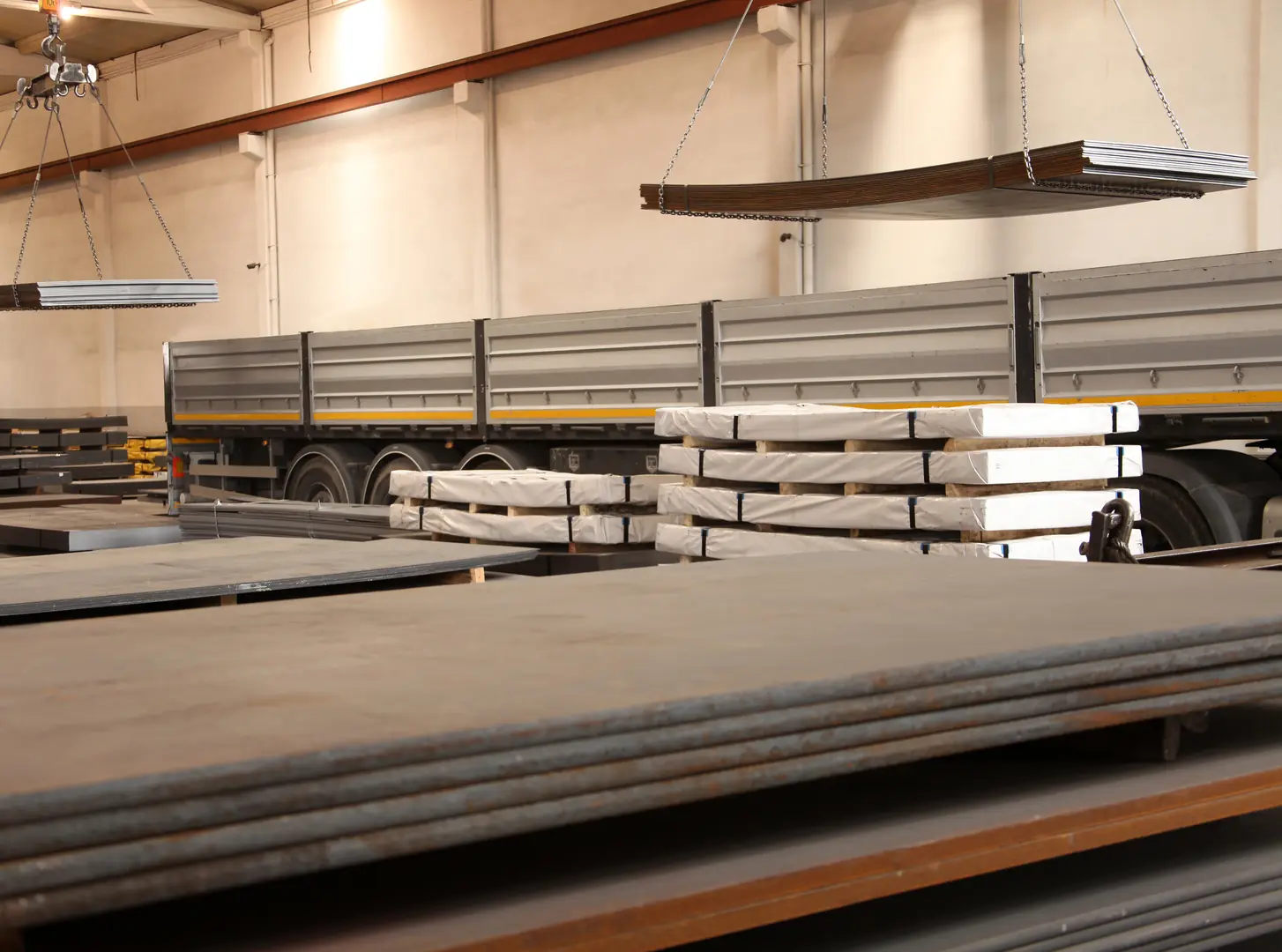
This is where the partnership between the engineer and the supplier becomes crucial. At MFY, our role isn't just to sell steel; it's to provide the assurance and transparency our clients need to build with confidence. We see ourselves as part of their quality control process. A trustworthy supplier should welcome scrutiny and be able to provide a clear, traceable path from the mill to the project site. This is fundamental to building a resilient supply chain.
The Role of Mill Test Certificates (MTCs)
An MTC is the material's birth certificate. It is a quality assurance document that certifies a material's chemical and physical properties. A legitimate MTC from the original mill is your first line of defense. It should detail:
- Chemical analysis showing the exact percentage of all key elements.
- Results of mechanical tests, including tensile strength, yield strength, and elongation.
- The international standard (e.g., ASTM A240 for stainless steel sheet) to which the material conforms.
Adherence to Global Standards
Standards from organizations like ASTM International, EN (European Norms), and ISO provide a universal language for steel quality. Specifying steel that conforms to a particular standard ensures that it meets a defined set of minimum performance criteria. Your supplier must be able to demonstrate and certify that their products consistently meet or exceed these global benchmarks.
Building Strategic Supplier Partnerships
Ultimately, the best way to ensure quality is to work with suppliers you trust. A strategic partner is more than a vendor; they are an extension of your team. They understand your project's technical requirements, have robust internal quality control systems, and provide transparent documentation. Look for suppliers with a long track record, deep industry knowledge, and a commitment to quality that aligns with your own.
What Are the Best Practices for Maintaining Steel Integrity Post-Installation?
Even the highest-quality steel needs care after it's installed. Neglect can lead to premature degradation and compromise the safety and longevity of the structure. Proactive maintenance preserves the steel's integrity for its entire lifespan.
Best practices include implementing a regular inspection schedule, applying protective coatings where necessary, ensuring proper drainage to prevent water accumulation, and promptly cleaning surfaces to remove corrosive contaminants. A proactive maintenance plan is key to maximizing durability.

The job isn't finished once the steel is in place. Protecting the initial investment in quality material requires a long-term mindset. A well-designed maintenance plan is not a cost center; it is a value preservation strategy. It ensures that the steel performs as intended for its full design life, delivering on the promise of durability that justified the initial investment. This final step is crucial for realizing the full lifecycle value of high-quality steel.
Proactive Inspection Schedules
Regular visual inspections are the simplest and most effective way to catch potential issues early. The frequency of these inspections depends on the environment and application.
| Окружающая среда | Inspection Frequency | Key Items to Check |
|---|---|---|
| Marine/Coastal | 6-12 Months | Salt deposits, signs of pitting, integrity of coatings. |
| Industrial | 12 Months | Chemical residue, discoloration, weld integrity. |
| Urban/Mild | 24-36 Months | Dirt accumulation, signs of surface rust, drainage blockage. |
Protective Measures and Cleaning
For stainless steel, its passive layer is what provides corrosion resistance. Keeping this layer clean and intact is essential. This means regularly washing away dirt, grime, and any chloride-containing deposits (like salt) with mild detergent and water. For carbon steel structures, maintaining the integrity of protective coatings like paint or galvanization is critical. Any scratches or damage to the coating should be repaired immediately to prevent underlying corrosion from taking hold. Ensuring proper drainage is also vital, as standing water is a primary catalyst for corrosion on any type of steel.
Заключение
Investing in high-quality steel is not an expense; it is a strategic decision that underpins the success of your project. It ensures durability, enhances safety, and provides long-term financial viability. Prioritizing material integrity from the start is the only way to build a resilient and successful future.
У вас есть вопросы или нужна дополнительная информация?
Свяжитесь с нами, чтобы получить индивидуальную помощь и квалифицированный совет.

 Русский
  English