304 vs 316: Which is Better in Terms of Export Cost and Corrosion Resistance?
Choosing the right stainless steel grade is a critical decision. The wrong choice can lead to budget overruns or premature material failure. Understanding the fundamental differences between 304 and 316 is key.
316 stainless steel offers superior corrosion resistance, especially against chlorides, justifying its higher export cost for harsh environments. 304 is more cost-effective for general-purpose applications with lower corrosion risk, making it a versatile choice for many international projects.
As the Global Business Director at MFY, I guide our partners through this exact decision every day. It's a question that balances upfront investment against long-term performance. The answer isn’t always simple, but by breaking down the key factors—composition, cost, and corrosion resistance—we can arrive at the most strategic choice for your specific project. Let’s dive into the details.
What are the key differences in composition between 304 and 316 stainless steel?
These two grades may look identical, but they are not the same. This hidden difference in their chemical makeup dramatically impacts performance. The key distinction lies in one crucial element: molybdenum[^1].
The primary compositional difference is that 316 stainless steel contains 2-3% molybdenum, which 304 lacks. This addition significantly enhances its resistance to corrosion, particularly from chlorides and other industrial chemicals, making it the superior choice for more demanding environments.
To truly understand the performance, we need to look at the ingredients. Both 304 and 316 are austenitic stainless steels[^2], prized for their excellent formability and strength. They share a similar base of chromium and nickel, which are fundamental to their "stainless" properties. However, the addition of molybdenum in grade 316 is what sets it apart and defines its primary use cases. I often explain it to clients like this: think of chromium as a good raincoat that protects you from a light shower. Molybdenum is the extra waterproofing seal on the zippers and seams, which is absolutely essential when you're facing a real storm. It provides that next level of protection against very specific and aggressive corrosive attacks.
The Role of Chromium and Nickel
Chromium is the star player in all stainless steels. It reacts with oxygen to form a thin, stable, and passive layer on the surface of the steel. This layer protects the iron from rusting, giving the material its signature corrosion resistance. Nickel enhances this effect, but more importantly, it improves the steel's toughness, ductility, and formability, making it easier to work with.
Molybdenum: The Game-Changer
Molybdenum is the key ingredient that gives 316 its enhanced corrosion resistance, especially against chlorides. Even a small amount, typically 2-3%, makes a massive difference in preventing pitting and crevice corrosion[^3]. This is why 316 is often called "marine grade" stainless steel.
| Element | Grade 304 (%) | Grade 316 (%) | Key Function |
|---|---|---|---|
| Chromium | 18-20 | 16-18 | Forms passive layer for corrosion resistance |
| Nickel | 8-10.5 | 10-14 | Improves formability and toughness |
| Molybdenum | - | 2-3 | Provides chloride and acid resistance |
| Carbon | ≤ 0.08 | ≤ 0.08 | Affects strength and weldability |
How does the cost of 304 compare to 316 in export scenarios?
Budgets are always a primary concern in global trade and manufacturing. Choosing the pricier option without a clear justification can hurt your bottom line. You must understand what drives the cost difference.
In export markets, 316 stainless steel is typically 20-30% more expensive than 304. This price premium is driven by the added cost of molybdenum and often a higher nickel content, which are valuable commodity metals traded on global exchanges.
When advising clients on export projects, the conversation always turns to cost. The initial price tag of 304 is undeniably attractive, making it the go-to for many cost-sensitive applications. However, focusing solely on the upfront material cost can be a shortsighted strategy. We must consider the total cost of ownership[^4] over the project's entire lifecycle. I remember a project in Southeast Asia where a client initially chose 304 for coastal-adjacent storage tanks to save on initial capital. Within a few years, the humid, salt-laden air caused significant corrosion. The subsequent repair and replacement costs far exceeded the initial savings they would have realized by choosing 316 from the start. This experience highlights a crucial lesson in material selection.
Upfront Material Cost
The price of stainless steel is directly tied to the global market prices of its alloying elements. Molybdenum and nickel are expensive metals. Because 316 contains both of these in higher quantities than 304, its base price will always be higher. For large-scale projects, this difference can add up to a significant sum, making 304 a compelling choice if the application's environment permits it. At MFY, we provide transparent pricing based on current market rates to help our clients make informed budgetary decisions.
Total Cost of Ownership (TCO)
This is where the true value of 316 becomes apparent. In a corrosive environment, the higher initial cost is an investment in longevity and reliability. A 316 component will last longer and require less maintenance and fewer replacements than a 304 component in the same harsh setting. This reduces downtime, labor costs, and the risk of failure, leading to a lower TCO over time. The decision pivots from "How much does it cost now?" to "What is the long-term value and risk?"
What are the corrosion resistance properties of 304 vs 316?
Corrosion is the silent enemy of any steel structure or component. It can lead to catastrophic failures, costly replacements, and safety hazards. Choosing the right grade provides a robust defense against this threat.
316 stainless steel offers significantly better corrosion resistance than 304, especially against pitting and crevice corrosion in chloride-rich environments like coastal areas or chemical plants. 304 is excellent for general atmospheric corrosion but is vulnerable to chlorides.
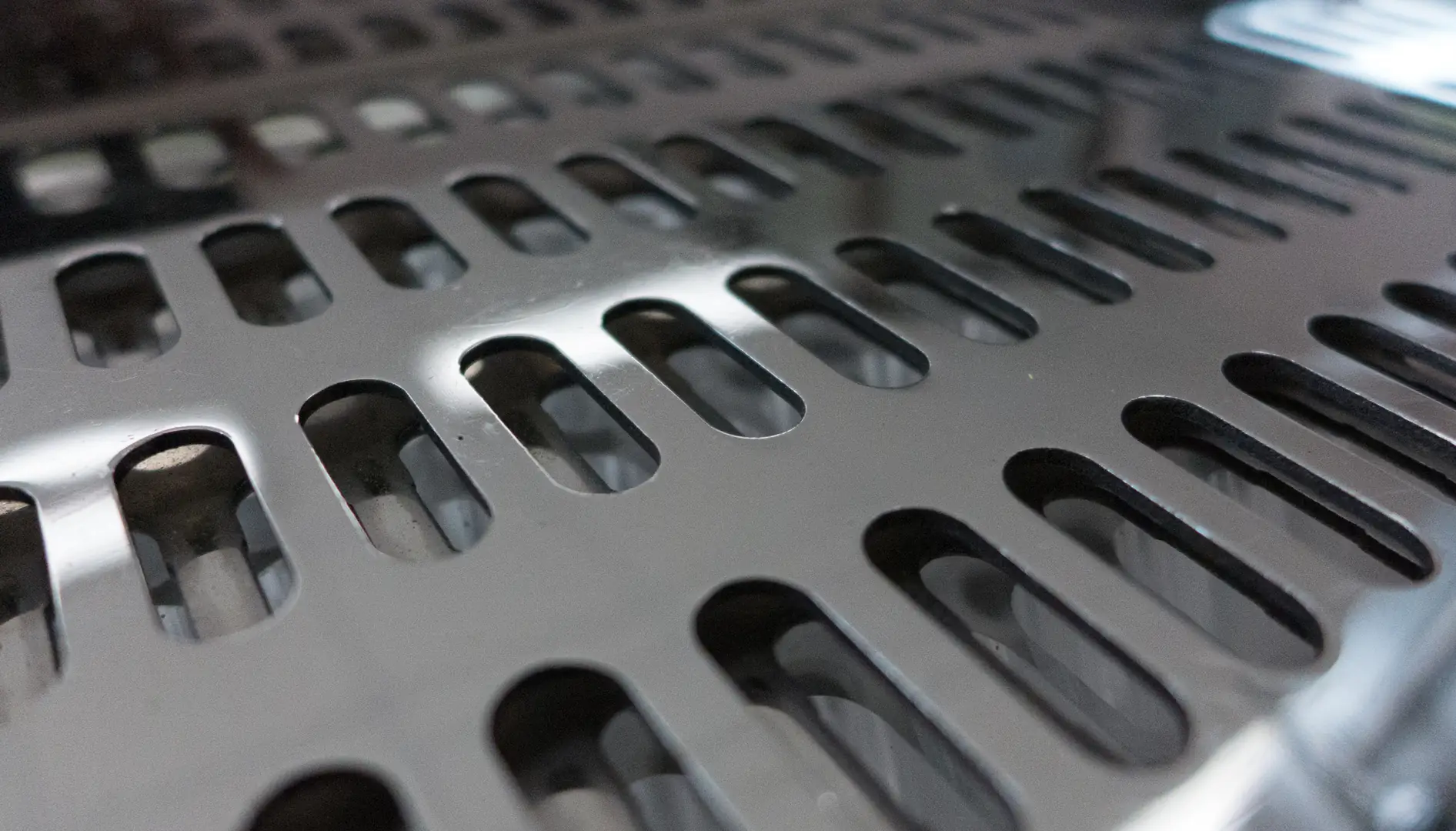
The difference in corrosion resistance is the most critical factor separating these two grades. While 304 is perfectly suitable for a wide range of applications, its Achilles' heel is its susceptibility to chloride ions. This is where 316, fortified with molybdenum, truly shines. For our partners in the Middle East, where coastal construction, desalination plants, and high-temperature, saline environments are common, 316 isn't just a recommendation; it's a necessity. The material's ability to withstand these aggressive conditions ensures the integrity and longevity of critical infrastructure. Understanding the specific type of corrosion your project will face is fundamental to making the right choice.
General Atmospheric Corrosion
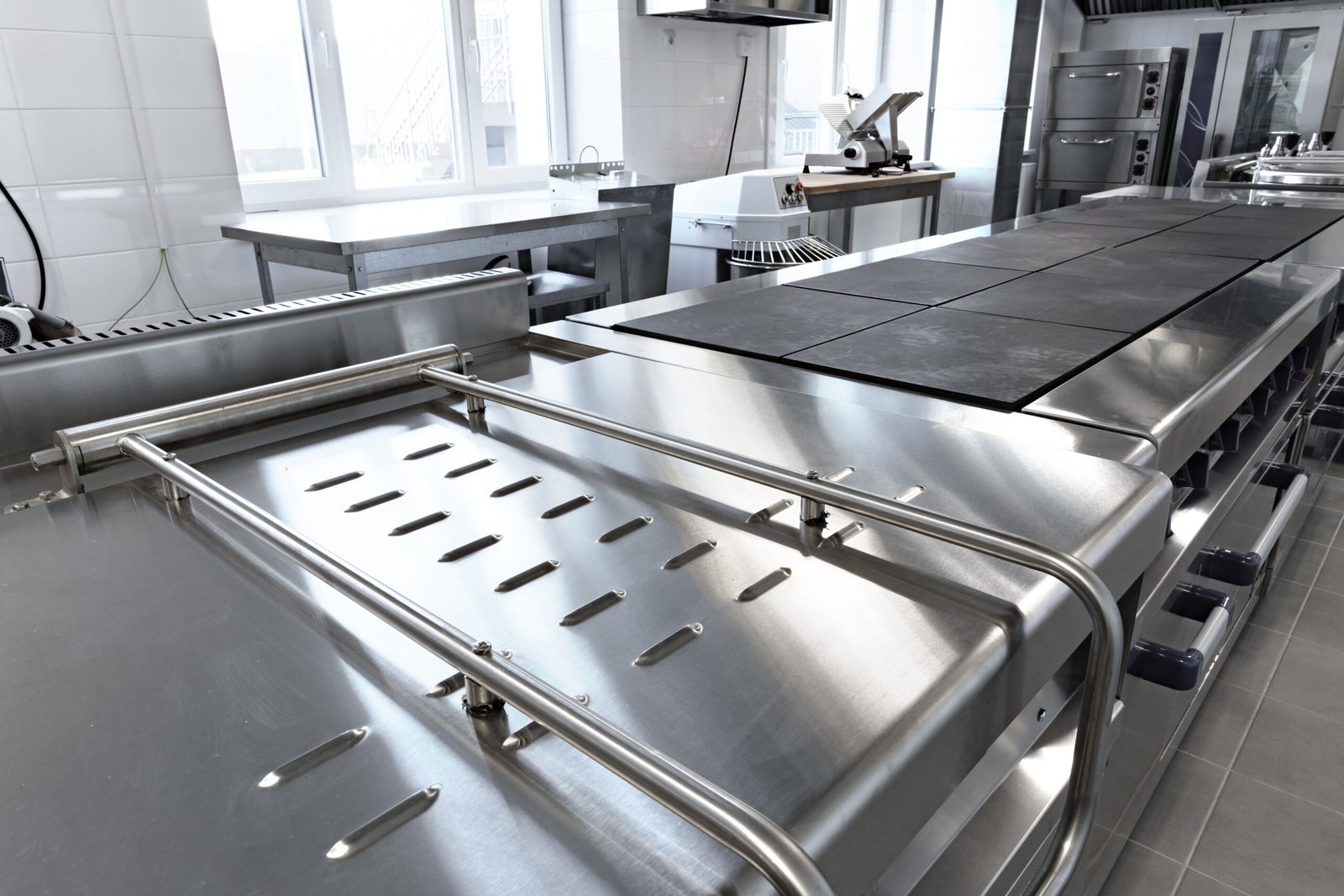
For most inland applications, 304 provides more than enough protection. It easily withstands exposure to rain, humidity, and typical urban pollution. This is why it's so common in kitchen appliances, indoor architectural features, and food processing equipment where regular cleaning prevents any corrosive buildup. It offers a fantastic balance of performance and cost for these controlled or mild environments.
Chloride and Chemical Resistance
This is the domain of 316. Chloride ions, found in seawater, de-icing salts, and many industrial chemicals, can break down the passive layer of 304 steel, leading to localized corrosion like pitting (small holes) and crevice corrosion (corrosion in tight spaces). The molybdenum in 316 actively helps to stabilize this passive layer and prevent such attacks. This makes it the only viable choice for marine hardware, offshore platforms, chemical processing plants, and any equipment that will be in direct contact with salt or other corrosive chemicals.
How do these differences impact the selection for various applications?
Applying the wrong material to a job is a common and costly mistake. This can lead to project delays, unexpected maintenance costs, and even reputational damage. The solution is simple: match the steel grade to the application's environment.
304 is ideal for indoor or mild outdoor applications like kitchen equipment, architectural paneling, and food processing tanks. 316 is essential for marine hardware, chemical processing equipment, medical implants, and coastal architectural structures where chloride exposure is high.
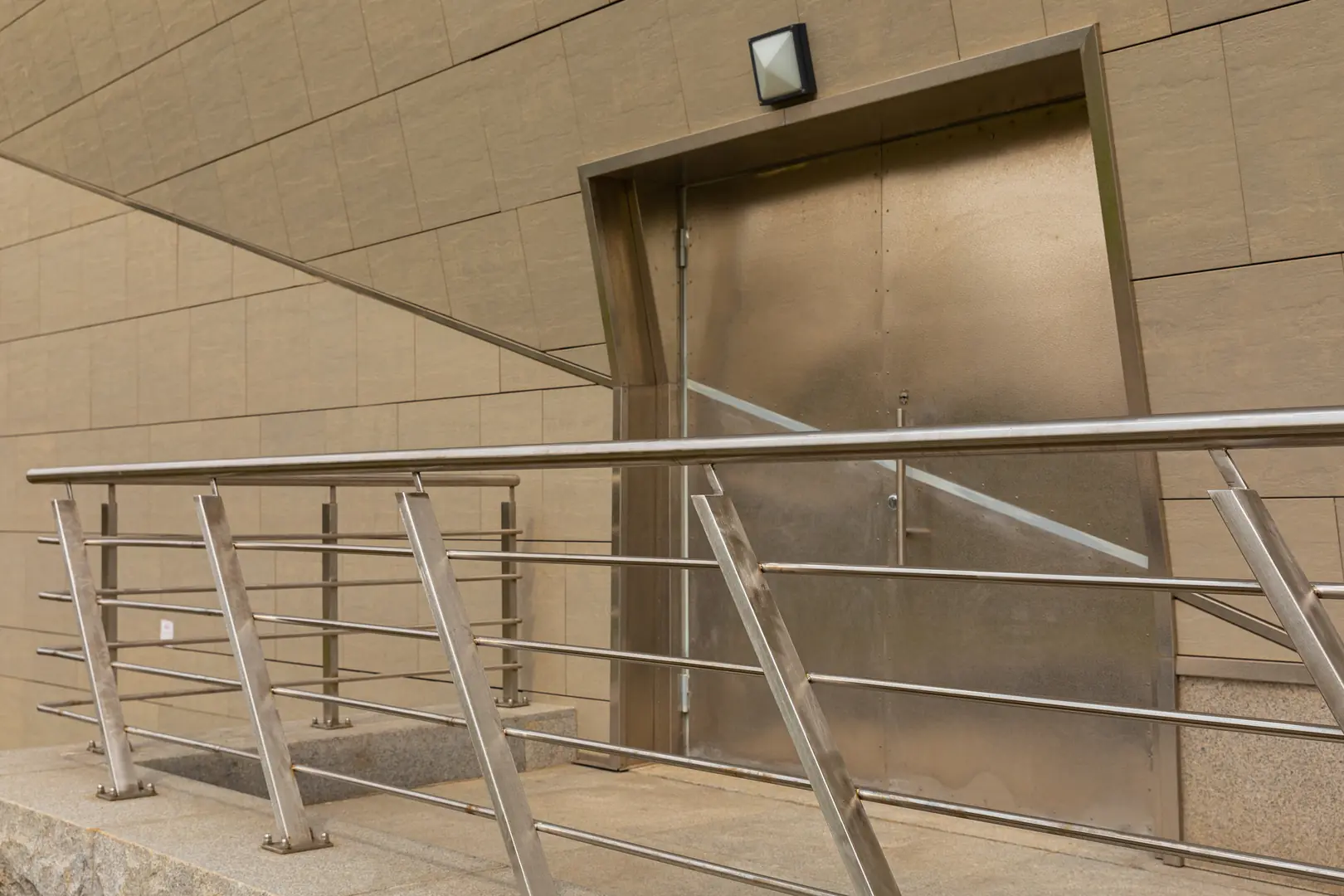
At MFY, we don't just sell steel; we provide solutions. Our role is to help our clients navigate these choices to optimize their projects for both cost and performance. For example, a client in the food and beverage industry might need 304 for standard mixing vats but require 316 for piping that handles saline solutions or aggressive cleaning agents. It’s about applying a nuanced, application-specific approach rather than a one-size-fits-all rule. The environment dictates the material. By understanding the specific challenges—be it chemical exposure, salinity, or temperature—we can confidently recommend the right grade.
Common Uses for 304 Stainless Steel
Thanks to its good corrosion resistance and excellent formability at a lower cost, 304 is one of the most widely used stainless steels in the world. It is the workhorse of the industry for applications where chloride exposure is not a concern.
- Food & Beverage: Tanks, piping, and preparation surfaces.
- Architecture: Indoor wall panels, elevator doors, and trim.
- Home Appliances: Sinks, cookware, and appliance facings.
- General Industry: Storage tanks and light structural components.
Where 316 Stainless Steel Excels
The superior corrosion resistance of 316 makes it the mandatory choice for more demanding and critical applications where failure is not an option.
- Marine: Boat fittings, railings, and hardware.
- Chemical & Pharma: Processing equipment, pressure vessels, and piping.
- Medical: Surgical instruments and biomedical implants.
- Architecture: Coastal building facades, structural components in swimming pools.
What are the recommendations for choosing between 304 and 316 for export?
Making the final call can be daunting, especially for international projects. A poor decision has long-term financial and operational consequences. The best approach is to follow a simple, logic-based selection process.
For export, choose 304 when budget is the primary driver and the application is in a low-corrosion environment. Opt for 316 if the project involves any exposure to salt water, de-icing salts, or harsh chemicals, prioritizing long-term durability over initial cost.
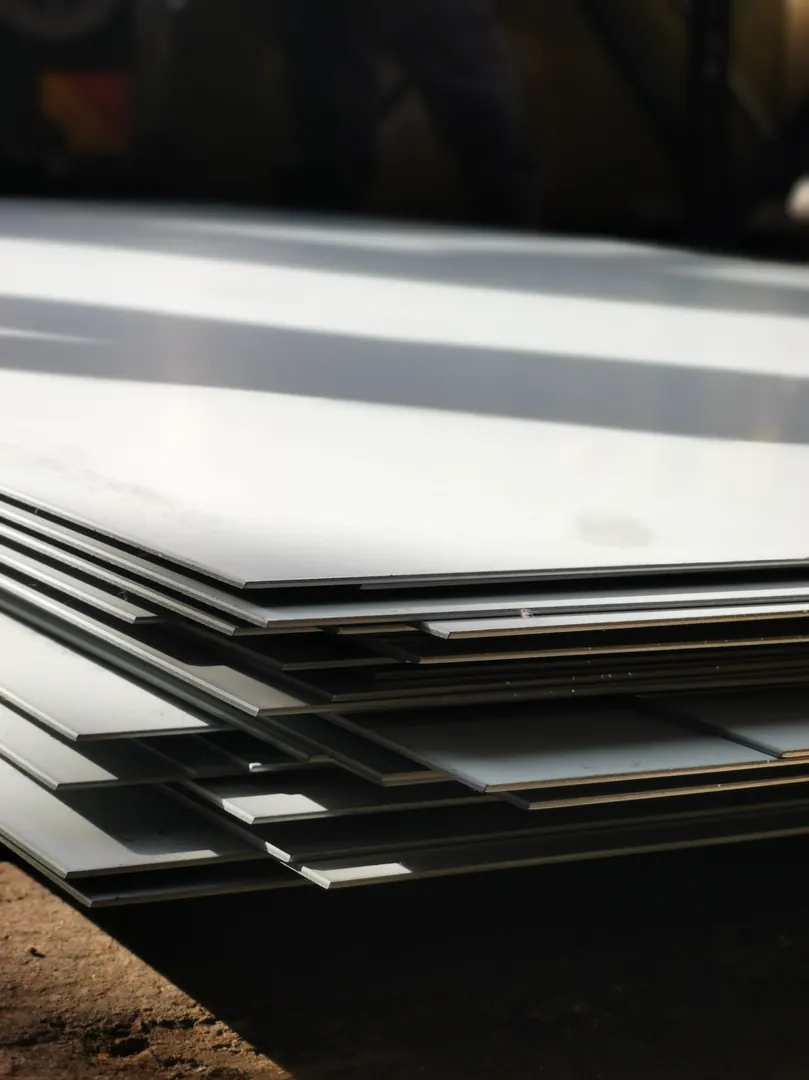
Ultimately, the decision comes down to a strategic risk assessment. You are balancing the immediate, tangible savings of choosing 304 against the long-term, intangible value of 316's durability. My advice is always to err on the side of caution. If there is any doubt about the environmental conditions, investing in 316 is a smart insurance policy against future problems. The right choice ensures your investment is secure and performs as expected for years to come. At MFY, our goal is to help you build resilient supply chains, and that process starts with selecting the right material for the job.
A Quick Decision Checklist
Ask yourself these questions before making a final decision:
- Environment: Will the material be used within 50km of a coastline or in an area where de-icing salts are common?
- Chemical Exposure: Will the material come into contact with acids, chlorides, or other corrosive industrial chemicals?
- Maintenance: Is the component in a location that is difficult or expensive to access for repair or replacement?
- Lifecycle: Is long-term reliability (20+ years) more critical than minimizing the initial project cost?
If you answer "yes" to any of these questions, 316 is almost certainly the more prudent and cost-effective choice in the long run.
Partnering for Success
Navigating material specifications for international projects can be complex. My team at MFY is always here to help you analyze your project's specific needs, evaluate the environmental factors, and make a choice that aligns with both your budget and your performance requirements. A successful project is built on a foundation of smart decisions, and material selection is one of the most important you will make.
Conclusion
The choice between 304 and 316 isn't about which is better overall, but which is right for your specific application and budget. 304 offers excellent value for general use, while 316 provides essential durability for harsh environments, ensuring long-term performance and peace of mind.
Have Questions or Need More Information?
Get in touch with us for personalized assistance and expert advice.
 English
  Русский