compliance

Does 316L Stainless Steel Plate Deteriorate? Expert Advice for Marine & Chemical Environments
The article addresses the potential deterioration of 316L stainless steel plate in marine and chemical environments despite its high corrosion resistance. It discusses types of localized corrosion such as pitting, crevice corrosion, and stress corrosion cracking, highlighting the importance of proper material selection, design, and maintenance strategies. Adding molybdenum enhances chloride resistance, making 316L suitable for harsh conditions. The piece emphasizes proactive strategies like correct grade selection, sound design, quality fabrication, and regular maintenance to maximize the material’s lifespan and operational safety….
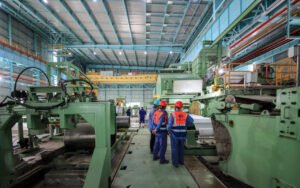
How to Check the Quality of China Stainless Steel Coil/Sheet? 5-Point Expert Inspection
This article provides a comprehensive 5-point framework for inspecting the quality of China stainless steel coils and sheets. It details the importance of verifying industry standards, conducting visual inspections for surface defects, measuring thickness and tolerance, analyzing chemical composition, and evaluating mechanical properties. These steps ensure reliability and performance in projects involving stainless steel. By following these guidelines, businesses can mitigate risks and build trust in their supply chains, securing top-quality materials from China’s prominent stainless steel industry….
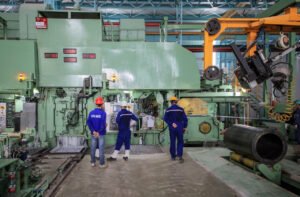
Industrial Rust Remediation: Techniques for Permanent Stainless Steel Protection
Industrial rust remediation offers a permanent solution for protecting stainless steel assets from corrosion. The process involves assessing rust damage, preparing surfaces meticulously, applying advanced removers and inhibitors, and utilizing durable protective coatings. Techniques like non-destructive testing ensure comprehensive evaluation, while methods such as abrasive blasting and acid pickling prepare surfaces for treatment. Applying industrial-grade rust removers correctly and choosing high-performance coatings like nanocoatings and ceramic-epoxy ensures long-term protection. Post-remediation, regular monitoring and maintenance enhance asset longevity, safeguarding investments in infrastructure projects….
5-Step Protocol for Stainless Steel Plate Export Inspection
The article outlines a 5-step protocol for the export inspection of stainless steel plates, ensuring they meet global standards and client specifications. It includes visual inspection, dimensional verification, surface analysis, material testing, and final documentation review. This comprehensive process helps in maintaining high product quality, building trust with international partners, and preventing costly returns. Each step is meticulously conducted using advanced tools and techniques, ensuring that every plate shipped is flawless and compliant with international regulations, ultimately bolstering MFY’s reputation as a reliable supplier….
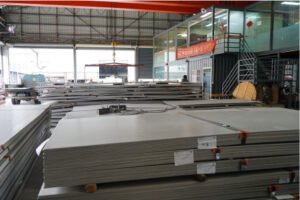
Pinpointing the Cause of Stainless Steel Pinholes and Our Quality Control Solution
The article addresses the issue of pinholes in stainless steel, which can lead to structural failures and corrosion. It discusses the causes, primarily gas entrapment during the solidification of steel, and the role of contaminants. MFY employs rigorous quality control measures, including Non-Destructive Testing (NDT) methods such as ultrasonic and eddy current testing, to detect and prevent these defects. The piece emphasizes the importance of understanding the production process and maintaining strict control over raw materials and manufacturing conditions to ensure high-quality stainless steel with no pinholes….
Root Causes of Corrosion on 316 Stainless Steel Fasteners in Coastal Projects
The article explores the root causes of corrosion on 316 stainless steel fasteners used in coastal projects, emphasizing the interaction between environmental factors and material deficiencies such as improper passivation and manufacturing flaws. It identifies pitting and crevice corrosion as the main issues, driven by chloride exposure and environmental conditions like high humidity and temperature. The piece suggests solutions such as using higher grade materials, advanced surface treatments, and strategic design improvements to mitigate corrosion risks. A proactive maintenance plan including regular freshwater rinsing and inspections is recommended to ensure long-term reliability and project safety….
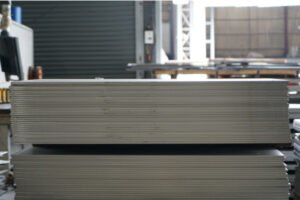
Stainless Steel Plate Corrosion Test: Methods, Standards, & Results
“`markdown # How Do We Guarantee Stainless Steel Plate Durability Through Corrosion Testing? Struggling to ensure your stainless steel will last? Material failure is costly and damages your reput……
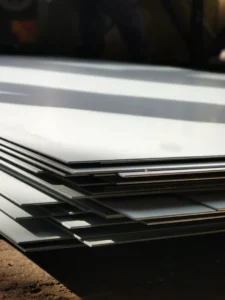
Why Food-Grade 304 Stainless Steel is Crucial for Health & Safety
The article emphasizes the importance of using 304 stainless steel in food applications due to its corrosion-resistant and non-reactive properties, which prevent contamination and bacterial growth. The specific alloy composition of 18% chromium and 8% nickel ensures it is safe for contact with food and beverages. It meets global safety standards, making it ideal for manufacturers aiming to maintain hygiene and avoid health risks associated with lesser-grade materials. Proper maintenance and verification through trusted suppliers are essential to preserve the safety benefits of 304 stainless steel….
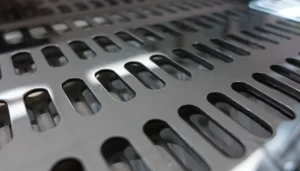
How to Ensure 304 Stainless Steel Plates Meet Food-Grade Standards
Ensuring that 304 stainless steel plates meet food-grade standards involves a multi-step verification process to prevent contamination and ensure safety. Key steps include confirming the chemical composition, ensuring a smooth surface finish, conducting specific tests, and implementing a robust maintenance plan. MFY emphasizes the importance of these processes to comply with international food safety regulations. By focusing on high corrosion resistance, non-porous surfaces, and rigorous testing, MFY helps clients maintain hygienic standards, guaranteeing the safety and quality of equipment used in food processing….
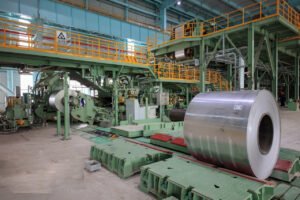
Quality Inspection Checklist for Stainless Steel Sheet Before Shipment
Are you worried about receiving stainless steel sheets that don’t meet your specifications, leading to costly project delays or rework? This common…
 English
  Русский