Reducing Downtime: Fastest Industrial Methods for Stainless Steel Rust Removal
Rust on your stainless steel assets causes costly operational delays. This downtime eats into your profits and project timelines, creating a significant problem for your business's efficiency and reliability.
The fastest industrial methods to remove stainless steel rust and reduce downtime involve a combination of accurate assessment, followed by advanced techniques like laser cleaning or specialized chemical treatments, which offer speed, precision, and minimal damage to the underlying material.
Dealing with rust is an unavoidable reality in many industrial settings. But how you deal with it makes all the difference. It's not just about cleaning the surface; it's about doing it quickly, effectively, and in a way that protects your long-term investment. Let's explore the methods that keep your operations running smoothly.
How Do You Properly Assess the Extent of Rust on Stainless Steel Surfaces?
Misjudging the severity of rust is a common mistake. This leads to choosing the wrong treatment, wasting time and resources, and potentially causing more damage to your equipment.
To properly assess rust, conduct a thorough visual inspection to classify its type (pitting, crevice, general) and severity. Use tools like depth gauges for pitting and analyze environmental factors to understand the root cause, ensuring you select the most effective removal strategy.
Before you can solve a problem, you must understand its scale. Rushing into a solution without a proper diagnosis is a recipe for failure, especially in high-stakes industrial environments. I remember a client in Southeast Asia who faced recurring rust on their food processing equipment. They kept using a light-duty chemical wash, but the problem returned within weeks. The issue was that they were only treating the surface-level discoloration, not the microscopic pitting that was forming. A proper assessment would have saved them months of frustration and production losses. A systematic approach is not just best practice; it's a critical step in asset management.
Visual Inspection and Classification
The first step is always a careful visual check. You need to identify what you're dealing with. Is it a light, uniform orange haze, or are there deep, localized pits? The type of corrosion tells a story about the cause. We generally classify it into a few key levels to guide our response.
Tools for a Deeper Look
For more than just surface rust, visual checks aren't enough. We need data. Simple tools like a pit depth gauge can tell you how far the corrosion has eaten into the material. In more critical applications, we might even recommend non-destructive testing (NDT)[^1] methods to check the structural integrity of the steel. This data-driven approach removes guesswork and ensures the chosen treatment is appropriate for the damage.
| Rust Level | Visual Characteristics | Recommended First Action |
|---|---|---|
| Light | Minor surface discoloration, easily wiped away. | Mild chemical cleaner (e.g., citric acid), light polish. |
| Moderate | Noticeable orange/brown texture, slight surface roughness. | Stronger chemical treatment, light mechanical abrasion. |
| Severe | Deep pits, flaking, significant material degradation. | Aggressive mechanical removal followed by surface repair. |
What's the Best Way to Choose the Right Rust Removal Method for Industrial Applications?
With so many rust removal options available, choosing one can be overwhelming. Selecting an inefficient or overly aggressive method can extend downtime or even damage the asset you're trying to save.
The best way to choose a rust removal method is to balance four key factors: the severity of the rust, the grade of stainless steel, your tolerance for downtime, and any environmental or safety regulations. The right choice optimizes for speed and asset preservation.
The decision-making process is a strategic one. It's not about finding a single "best" method, but the best method for a specific situation. The root cause of costly mistakes often lies in a one-size-fits-all approach. As the industry evolves, the demand for sustainable practices and the high cost of downtime are pushing us toward more advanced solutions. This is where innovation becomes a competitive advantage. At MFY, we champion this shift because we know that smarter solutions lead to more resilient supply chains for our partners.
Balancing Speed, Cost, and Surface Integrity
The traditional trade-off has always been between speed and surface preservation. Aggressive mechanical methods like grinding are fast but can damage the steel's passive layer, making it more susceptible to future corrosion. Gentle chemical methods preserve the surface but can be slow. Your decision must align with your operational priorities. If the equipment is a critical bottleneck in your production line, speed is paramount. If it's a non-critical component, a slower, more meticulous method might be more cost-effective.
The Rise of Advanced Technologies
This is where the game is changing. Technologies like laser cleaning are disrupting the old trade-offs. Laser ablation removes rust with incredible precision, converting it into a fine dust that can be vacuumed away. It's extremely fast, non-contact (so it doesn't damage the substrate), and environmentally friendly as it uses no chemicals or abrasives. While the initial investment can be higher, the reduction in downtime, elimination of consumables, and superior finish often result in a lower total cost of ownership. This is the kind of innovation that drives real-world efficiency.
| Method | Speed | Surface Impact | Environmental Friendliness |
|---|---|---|---|
| Chemical Soak | Slow | Low | Moderate (requires disposal) |
| Mechanical Grind | Fast | High | Low (dust, debris) |
| Laser Cleaning | Very Fast | Very Low | High (no consumables) |
How Can You Implement Chemical Treatments for Efficient Rust Removal?
Chemicals are effective but can be hazardous. Using the wrong type, concentration, or application process can damage the stainless steel, create safety risks for your team, and lead to compliance issues.
To implement chemical treatments efficiently, first select the appropriate acid—like citric or phosphoric acid—for the rust severity and steel grade. Apply it according to safety protocols, allow sufficient dwell time, then thoroughly neutralize and rinse the surface to prevent further chemical reactions.
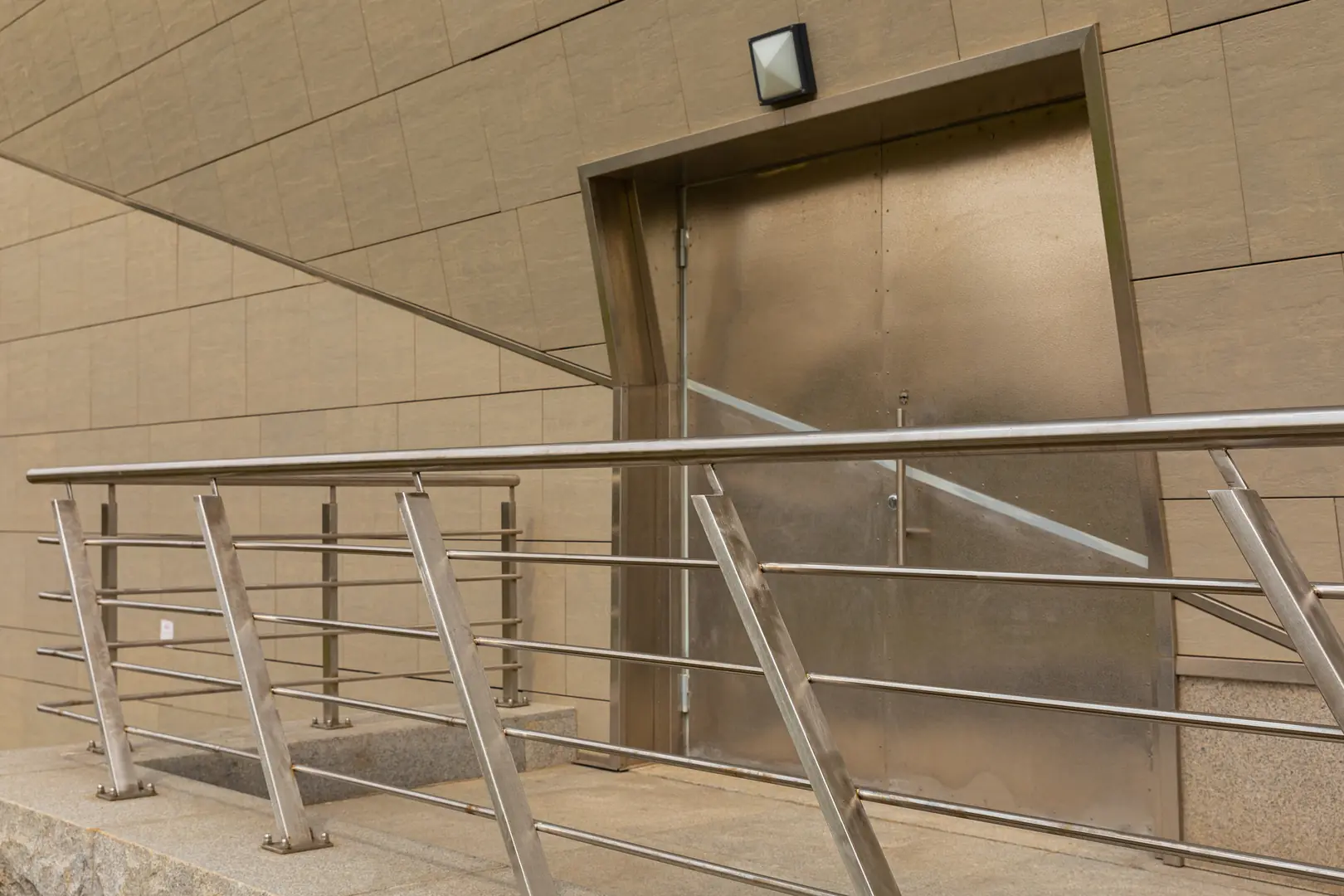
Chemical treatments are a powerful tool when used correctly. The key is precision and control. I've seen situations where a team used a highly corrosive acid on a food-grade surface, which not only damaged the finish but also created a potential contamination risk. The goal is to remove the iron oxide (rust) without attacking the chromium oxide layer that gives stainless steel its corrosion resistance. This requires knowledge of both the chemical agents and the material you are treating. At MFY, we often guide our partners on material compatibility, ensuring they use treatments that preserve the integrity of the high-quality steel we supply.
Selecting the Right Chemical Agent
Not all acids are created equal. For light surface rust, a mild organic acid like citric acid is often sufficient and much safer to handle. For more stubborn rust, phosphoric acid is effective because it converts the iron oxide into a stable phosphate layer that can offer some minor, temporary protection. Harsh acids like hydrochloric acid should generally be avoided as they can cause significant pitting and are highly corrosive to stainless steel. Always start with the mildest effective option.
Application and Safety Protocols
Proper procedure is non-negotiable. The area must be well-ventilated, and personnel must wear appropriate personal protective equipment (PPE), including gloves, goggles, and respirators if needed. The chemical should be applied evenly with a brush or spray, allowed to work for the recommended time (don't let it dry on the surface), and then be completely neutralized and rinsed away with clean water. Failing to neutralize properly is a common error that leaves residual acid to continue eating away at the steel long after the rust is gone.
When Should You Utilize Mechanical Techniques to Expedite Rust Removal?
Heavy rust requires more than a simple chemical wipe. But using aggressive mechanical methods incorrectly can severely scratch the surface, remove too much base material, and destroy the steel's protective passive layer.
Utilize mechanical techniques like grinding, wire brushing, or abrasive blasting for severe, thick, or pitted rust that chemical treatments cannot penetrate. These methods are fast and effective for heavy corrosion but must be followed by surface refinishing and passivation to restore protection.
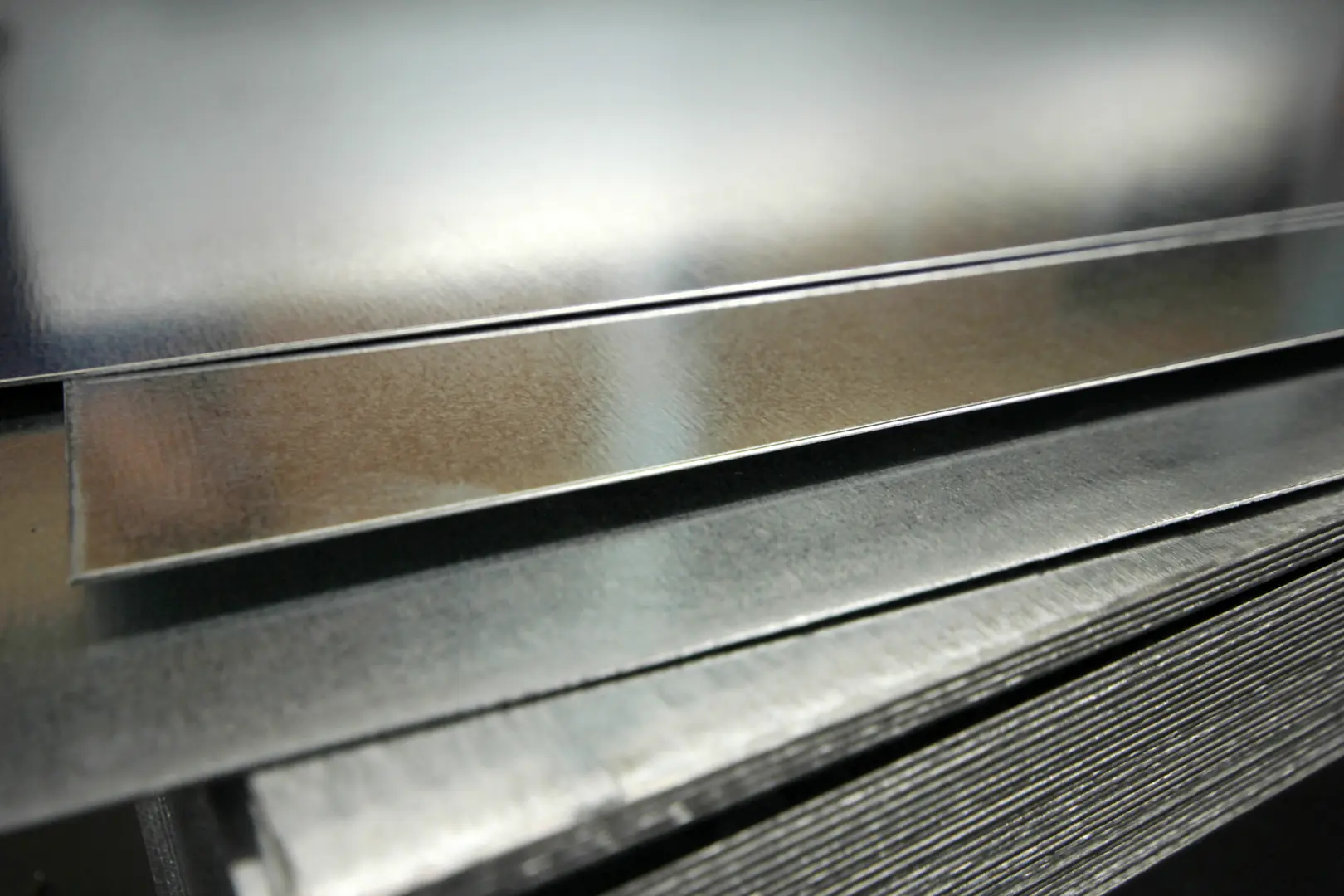
Mechanical removal is about controlled force. It's the go-to solution when you're facing serious degradation and need to get back to a clean, solid metal base quickly. Think of it as surgery for your steel. You have to be aggressive enough to remove the diseased tissue (the rust) but precise enough not to harm the healthy tissue underneath. This is where operator skill is paramount. However, the most exciting developments in this space are moving away from brute force and towards advanced, energy-based methods.
Traditional Mechanical Methods
Common methods include using a wire wheel on a grinder, needle scaling, or even sandblasting. These are effective for stripping away heavy scale and deep rust. The major downside is the damage they cause to the surface finish. After using these methods, the surface is often rough and full of scratches, which can actually become new sites for rust to form. Therefore, a post-treatment process of sanding, polishing, and re-passivating the surface is absolutely essential.
The Modern Alternative: Laser Cleaning
This is where I see the future of industrial maintenance. As I mentioned, laser cleaning is a game-changer. I saw a live demonstration at a trade show in Germany, and the difference was stunning. A heavily rusted steel plate was cleaned to a bright, metallic finish in seconds, with no dust, no noise, and no damage to the substrate. The laser's high-energy pulses vaporize the rust and contaminants without touching the metal underneath. It's the perfect combination of speed and precision, embodying the efficiency that modern industry demands. It reduces downtime not only during the removal process but also by eliminating the extensive post-treatment repair work that traditional methods require.
How Can You Ensure Proper Maintenance to Prevent Future Rust Formation?
Removing rust is a reactive, costly solution. If you don't address the root cause, the corrosion will inevitably return, trapping you in a cycle of downtime and repair.
To prevent future rust, implement a proactive maintenance plan that includes regular cleaning to remove corrosive deposits, periodic passivation to restore the steel's protective layer, and controlling environmental factors like humidity and exposure to chlorides.
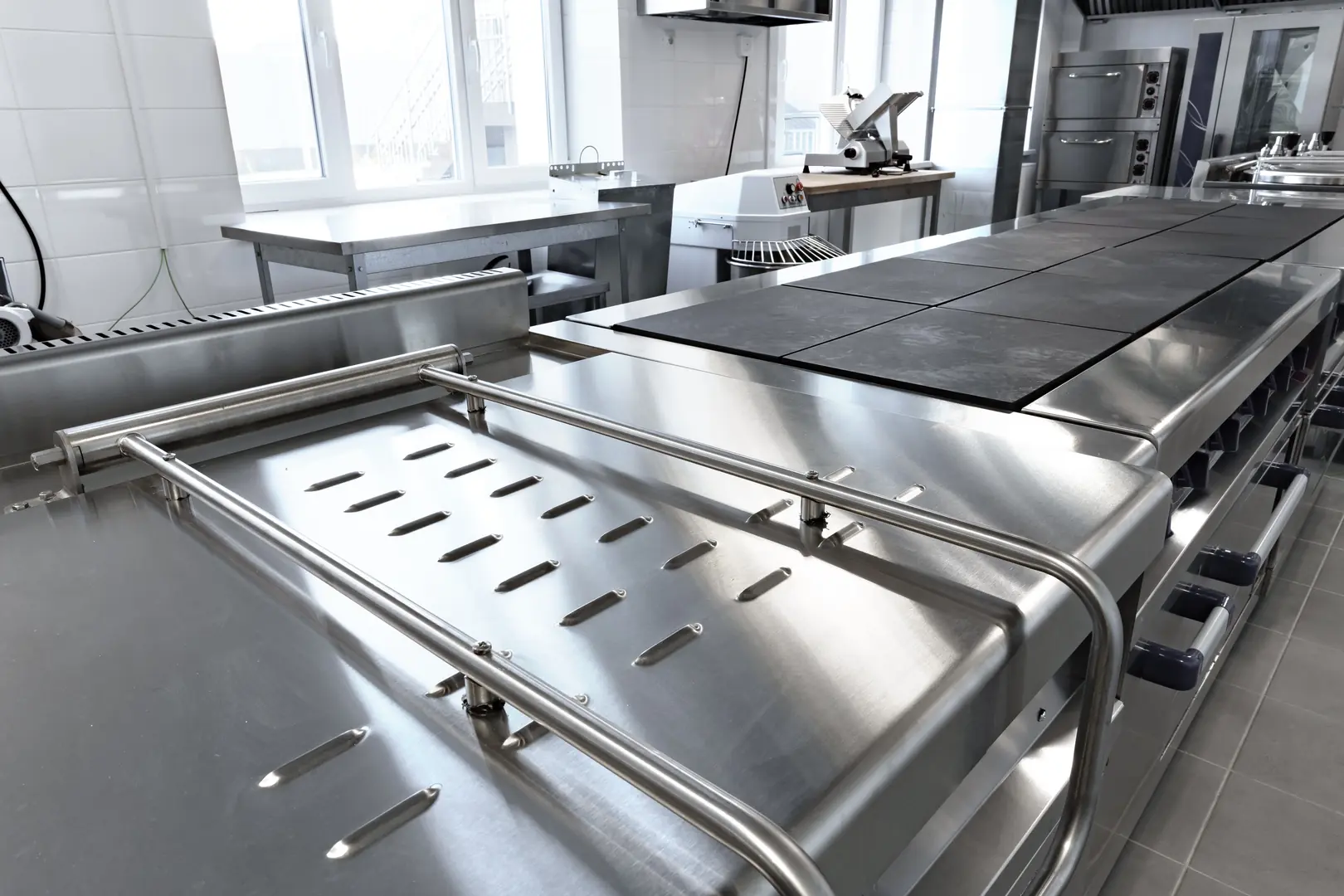
The most effective way to reduce downtime from rust is to prevent it from forming in the first place. This requires a shift in mindset from reactive repair to proactive preservation. It’s the most cost-effective strategy in the long run. This philosophy starts right at the beginning of the supply chain. This is why at MFY, we are so focused on the quality and specific grade of the stainless steel we produce and deliver. Providing our clients with the correct, high-quality material for their specific application is the first and most important step in preventing corrosion down the line. A well-designed system built with the right materials requires far less intervention.
Creating a Maintenance Schedule
A documented maintenance schedule is your best defense. It should detail the what, when, and how of cleaning procedures. For example, equipment exposed to salt or industrial chemicals should be rinsed with fresh water daily. Food processing equipment requires rigorous sanitization schedules. The frequency depends entirely on the service environment. The key is consistency. A simple, regular cleaning routine is far more effective than an intensive, infrequent deep clean.
Passivation and Protective Coatings
Passivation is a chemical process that enhances the natural corrosion resistance of stainless steel. After any mechanical repair or rust removal, the surface must be re-passivated to restore its protective chromium oxide layer. For extremely harsh environments, you might also consider specialized protective coatings. These add an extra barrier between the steel and the corrosive elements. Investing in these proactive steps pays for itself many times over by extending the life of your assets and ensuring operational continuity.
Conclusion
To minimize downtime, a strategic approach to rust is essential. It starts with accurate assessment, moves to selecting the right method—increasingly advanced options like laser cleaning—and ends with a robust, proactive maintenance plan to prevent recurrence. This keeps your operations efficient and profitable.
Have Questions or Need More Information?
Get in touch with us for personalized assistance and expert advice.


 English
  Русский