Choosing 316L Sheets: Critical Applications for Chemical and Oil Industries
Facing corrosion and failure in harsh environments? These risks disrupt operations and increase costs. 316L нержавеющая сталь[^1] sheets offer the robust, reliable solution you need for safety.
316L stainless steel sheets are critical due to their superior corrosion resistance, especially against chlorides and industrial chemicals. Their low carbon content minimizes carbide precipitation during welding, ensuring structural integrity and long-term reliability in demanding chemical and oil industry applications.
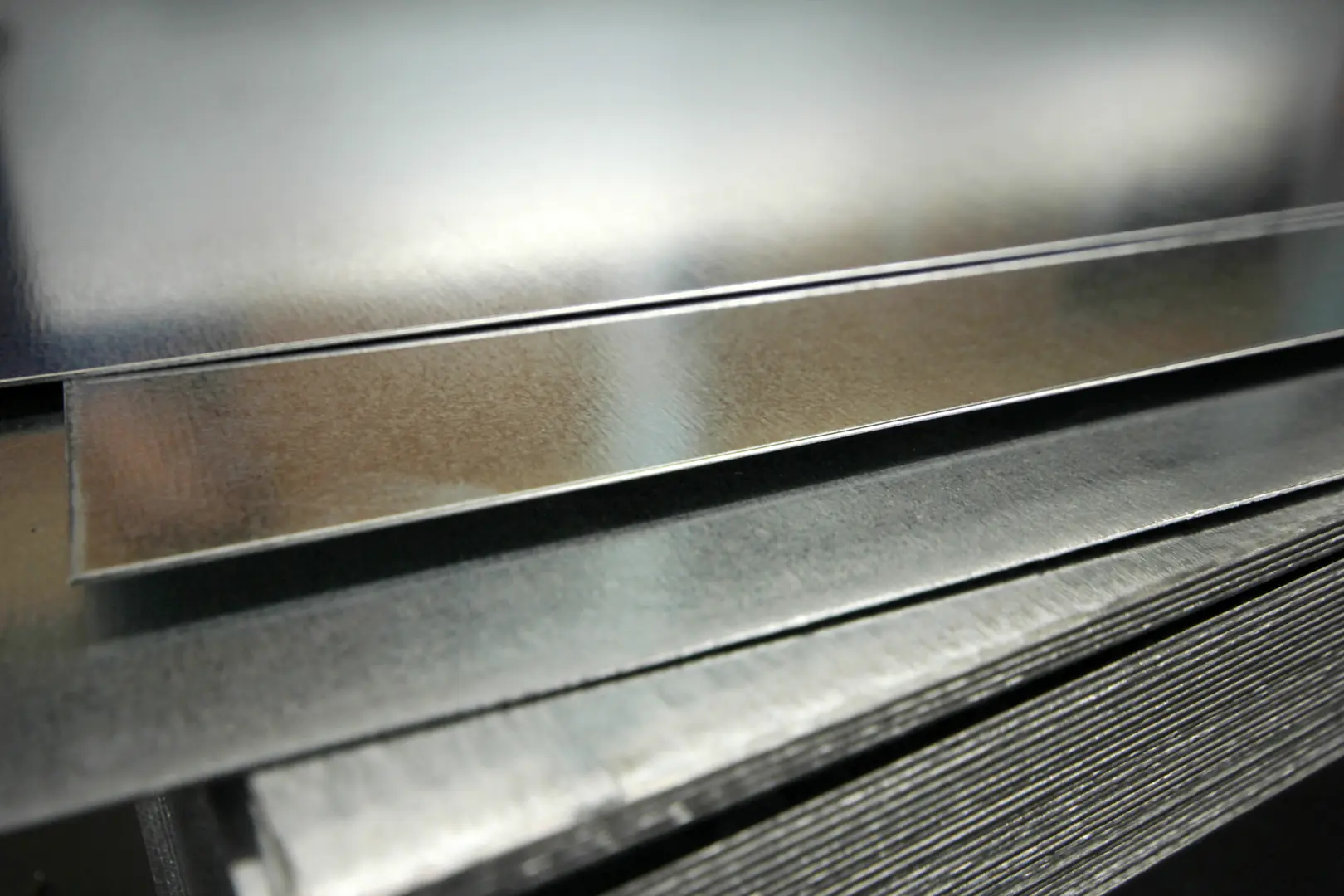
This material's importance goes beyond its basic properties. In my experience as Global Business Director at MFY, I've seen how the right material choice is not just a technical decision, but a strategic one driven by increasing regulatory pressures for safety and operational reliability. Let's explore why 316L has become the backbone for efficiency and compliance in these critical sectors.
What Makes 316L Stainless Steel a Go-To for Industrial Use?
Choosing the wrong material leads to costly failures. The constant threat of corrosion can compromise your entire operation. 316L provides the durability and resistance industries have come to trust.
316L stainless steel is a go-to material because of its molybdenum content, which significantly enhances corrosion resistance. Its low carbon ("L") nature prevents sensitization during welding, making it ideal for heavy-gauge components in aggressive environments.

When we dive deeper, the value of 316L becomes even clearer. It's not just another alloy; it's a carefully engineered solution for some of the toughest industrial challenges. The "L" in 316L stands for low carbon, which is a crucial distinction. In standard 316 steel, welding can cause carbon to bond with chromium, forming chromium carbide at the grain boundaries. This process, called sensitization, depletes the chromium needed for corrosion resistance, making the weld zone vulnerable. The low carbon content in 316L (typically below 0.03%) drastically reduces this risk, allowing for safe welding of thick sections without post-weld heat treatment. This is a massive advantage in constructing large vessels and complex piping systems.
The Chemistry of Resilience
The real hero in 316L’s composition is molybdenum. The addition of 2-3% molybdenum is what elevates its performance above standard 304 stainless steel, especially in environments containing chlorides. This makes it exceptionally resistant to pitting and crevice corrosion, two common and destructive forms of localized corrosion that can lead to sudden, catastrophic failures in chemical plants and offshore oil rigs.
Beyond Corrosion Resistance
While its primary benefit is corrosion resistance, 316L also offers excellent formability, toughness, and performance at both cryogenic and elevated temperatures. This versatility makes it a reliable choice for a wide array of components.
| Недвижимость | Нержавеющая сталь 304 | Нержавеющая сталь 316L |
|---|---|---|
| Molybdenum Content | None | 2-3% |
| Chloride Resistance | Хорошо | Превосходно |
| Свариваемость | Хорошо | Excellent (Low Carbon) |
| Typical Cost | Нижний | Выше |
| Лучшее для | General Purpose, Food | Chemical, Marine, Oil & Gas |
How Are 316L Sheets Currently Used in Chemical and Oil Operations?
Unsure where 316L fits best? Misapplication can be a costly mistake. We see it used to solve specific, high-stakes problems across the industry every day, driven by a need for unwavering reliability.
In the chemical and oil industries, 316L sheets are extensively used for storage tanks, pressure vessels, piping systems, and heat exchangers. They are essential for handling corrosive substances like sulfuric acid, chlorides, and other industrial chemicals safely.
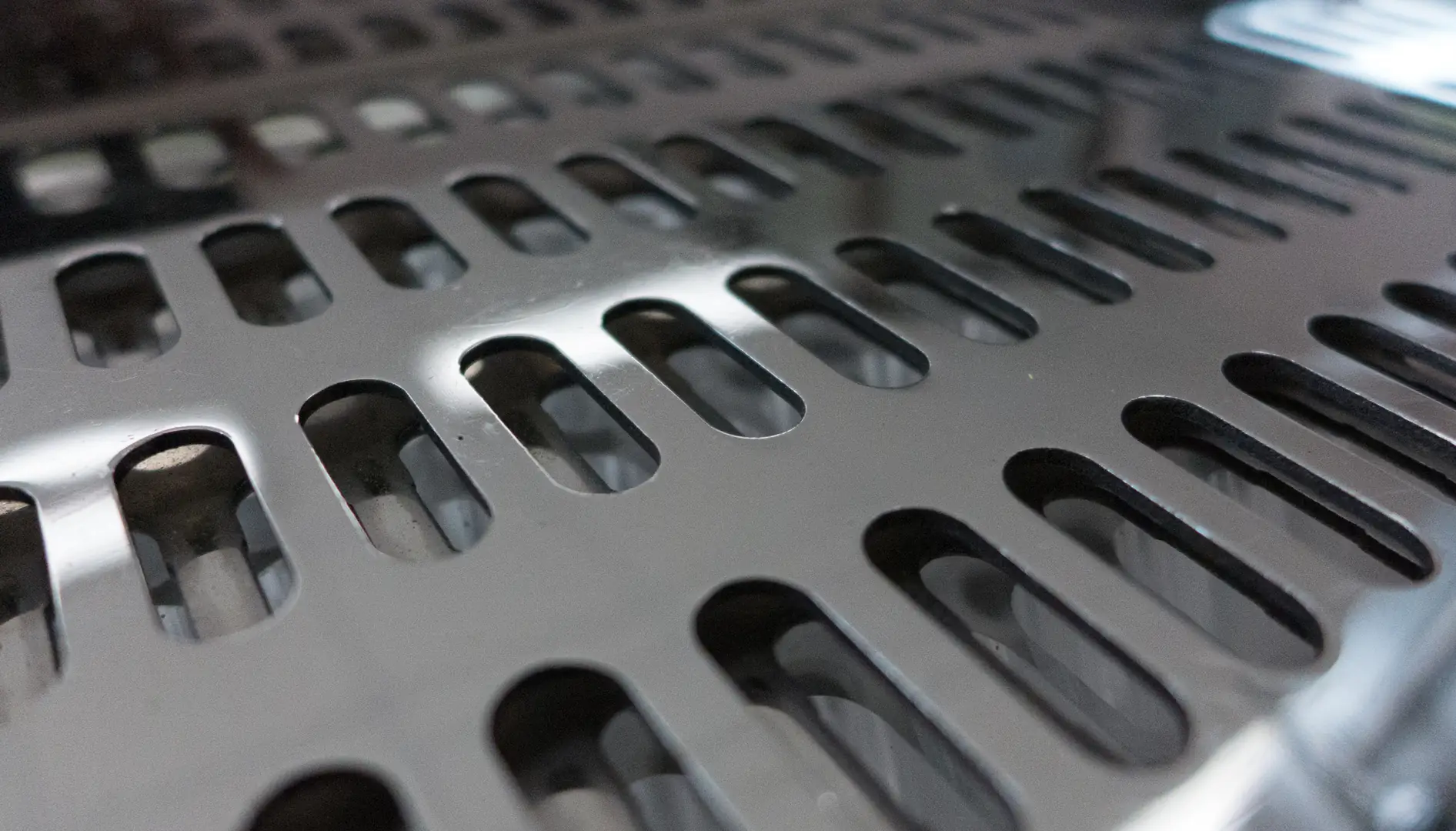
The adoption of 316L sheets isn't just about material preference; it's a direct response to the operational and regulatory demands for safety and minimized downtime. I recall a client in the Middle East whose processing plant was facing constant leaks in their piping. The acidic nature of the processed fluids was eating through their previous material. Switching to MFY's 316L sheets not only stopped the leaks but also extended their maintenance cycle by over two years. This wasn't just a material upgrade; it was a strategic move that lowered their long-term operational costs and improved site safety. This story highlights a key trend: industries are moving towards materials that enhance lifecycle performance and support sustainable, uninterrupted operations.
Chemical Processing and Storage
In chemical plants, 316L is the standard for equipment that comes into contact with aggressive chemicals. This includes reactors, distillation columns, and large-scale storage tanks. Its ability to resist a wide range of acids and alkaline solutions prevents contamination of the final product and ensures the structural integrity of the equipment, which is a key compliance requirement.
Oil and Gas Exploration and Refining
From offshore platforms exposed to saltwater spray to onshore refineries processing sour crude oil, the oil and gas sector relies heavily on 316L. It's used for cladding on pressure vessels, for constructing intricate piping networks, and in heat exchangers that operate under high pressure and temperature. The material's resistance to chloride-induced corrosion is absolutely critical in these environments.
What Challenges Arise When Using 316L Sheets in Harsh Environments?
Think 316L is invincible? Even this robust material has its limits. Pushing it past its breaking point can lead to unexpected and catastrophic failures in your system.
Despite its strengths, challenges with 316L include vulnerability to stress corrosion cracking (SCC) at high temperatures (above 60°C) in chloride-rich environments. Pitting corrosion can also occur in extremely aggressive conditions, requiring careful material selection and monitoring.

Understanding the limitations of 316L is just as important as knowing its strengths. It's a fantastic material, but it's not a universal solution for every single application. The key is to operate within its designed environmental parameters. I've seen projects where teams specified 316L out of habit, only to run into issues because the specific combination of temperature, chloride concentration, and tensile stress was overlooked. This is where true expertise comes in—not just selling a product, but understanding the application to ensure the material performs as expected for its entire service life. The goal is always long-term reliability, and that begins with an honest assessment of a material's boundaries.
Understanding Stress Corrosion Cracking (SCC)
SCC is a subtle but dangerous failure mode. It can occur when the material is under tensile stress in a corrosive environment, particularly one with chlorides and elevated temperatures. The cracks can be microscopic and propagate without any obvious signs until failure is imminent. This is why for certain high-temperature, high-chloride applications, we might guide a client toward a duplex stainless steel instead.
The Threat of Pitting and Crevice Corrosion
While 316L has excellent resistance to pitting, it's not immune. In stagnant, highly concentrated chloride solutions, pitting can still be initiated. Similarly, crevices—found under gaskets, seals, or bolt heads—can create a localized environment where corrosion can accelerate. Proper design that minimizes crevices is a critical, yet often overlooked, aspect of using 316L effectively.
How Can We Enhance the Performance of 316L Sheets?
Worried about material limitations? You can proactively mitigate risks. Simple enhancements and proper practices can significantly extend the life and reliability of your 316L components.
Enhance 316L performance through proper design to avoid crevices, surface finishing like passivation to improve the protective oxide layer, and regular monitoring. For extreme conditions, consider higher-grade duplex stainless steels, but often, optimizing 316L is more cost-effective.
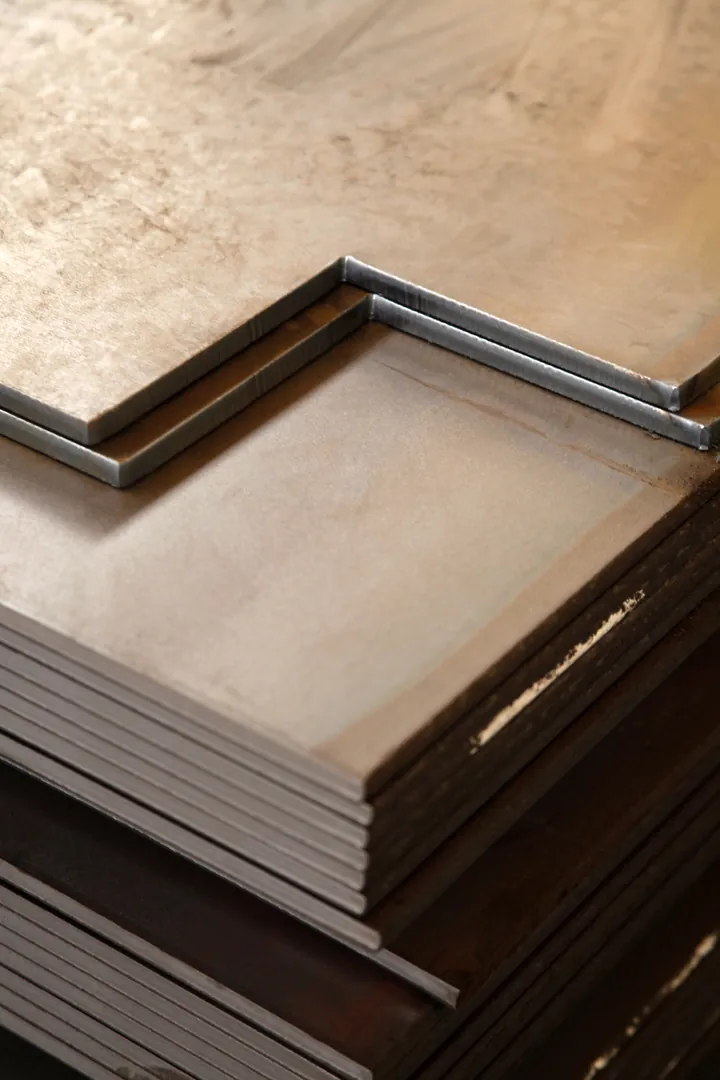
Maximizing the value of your 316L investment is about more than just the initial purchase; it’s about a holistic approach to its lifecycle. At MFY, we don't just supply steel; we partner with our clients to ensure it delivers lasting performance. This philosophy is rooted in the industry's shift towards sustainability and lower total cost of ownership. A slightly higher upfront investment in proper fabrication, finishing, and maintenance planning pays for itself many times over by reducing maintenance frequency and preventing costly downtime. We encourage our clients to think about the material's entire journey, from our warehouse to its final day of service decades later.
Best Practices in Fabrication and Installation
The performance of a 316L component is heavily influenced by how it's made. Using tools dedicated to stainless steel prevents iron contamination that can lead to rust. Proper welding techniques, as we discussed, are crucial. After fabrication, treatments like pickling and passivation are essential. Pickling removes any heat tint or contaminants from welding, while passivation helps to restore and thicken the passive chromium oxide layer that gives stainless steel its corrosion resistance.
The Role of Maintenance and Monitoring
Once in service, a well-designed 316L system requires minimal, but not zero, maintenance. Regular inspections for signs of corrosion, especially in critical areas, are prudent. A simple routine of cleaning surfaces to remove deposits can prevent localized corrosion from taking hold. This proactive approach ensures the material meets its expected design life and maintains operational safety.
What is the Best Technical Advice for Selecting 316L Sheets in Industry?
Making the final purchasing decision is tough. A wrong choice can have long-term consequences. My advice is to focus on the total cost of ownership, not just the initial price tag.
The best advice is to thoroughly analyze your operational environment—chemical concentration, temperature, and pressure. Partner with a supplier who provides full traceability and material test certificates (MTCs) to guarantee quality and compliance with industry standards like ASTM.
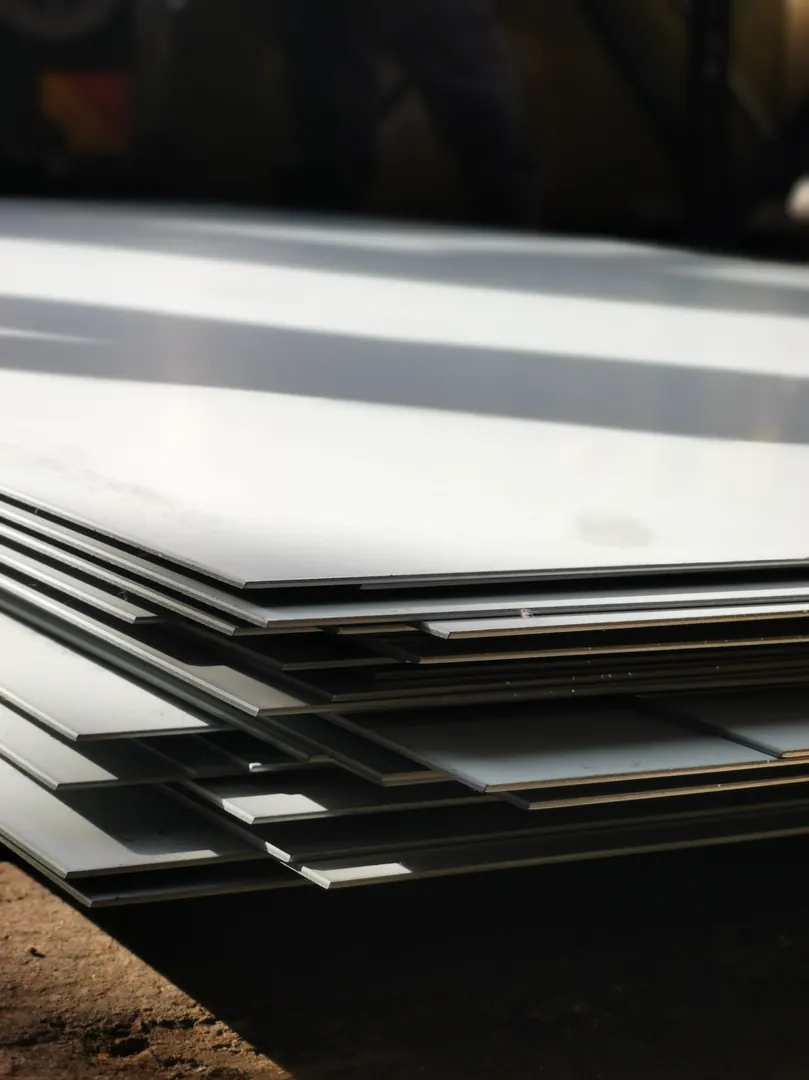
Ultimately, selecting the right 316L sheet comes down to a partnership built on trust and transparency. The market is filled with options, but not all steel is created equal. The increasing pressure for regulatory compliance means that documentation and quality assurance are no longer optional—they are essential. When you select a supplier, you are selecting a partner in your operational success. That partner must be able to provide not just the material, but the proof of its quality and the expertise to ensure it's the right fit for your application. This is where a fully integrated supply chain like ours at MFY becomes a major competitive advantage for our customers. We control quality from production to delivery, providing the assurance you need to build with confidence.
Auditing Your Operational Needs
Before you even request a quote, have a clear picture of your requirements. Document everything from the specific chemicals and their concentrations to the operating temperatures and pressures. This data is the foundation for making an informed decision.
Vetting Your Supply Chain Partner
Your supplier should be more than just a vendor. They should be a technical resource. Ask them about their quality control processes. Request a sample Material Test Certificate (MTC) to see the level of detail they provide. A reliable partner will welcome this scrutiny because it demonstrates their commitment to quality.
| Selection Criteria | What to Look For |
|---|---|
| Environment Analysis | Detailed data on chemicals, temperature, pressure, and flow. |
| Material Certification | Full MTC with chemical composition and mechanical properties. |
| Supplier Traceability | Ability to trace the material back to the heat number and production batch. |
| Industry Standards | Confirmation that the material meets ASTM, ASME, or other relevant standards. |
| Supplier Expertise | A partner who asks questions and helps validate your choice. |
Заключение
Choosing 316L sheets is a strategic decision for safety, compliance, and long-term operational efficiency. It's about investing in reliability to minimize downtime and secure your assets. Partner with experts to ensure you get the right material for your critical applications.
У вас есть вопросы или нужна дополнительная информация?
Свяжитесь с нами, чтобы получить индивидуальную помощь и квалифицированный совет.

 Русский
  English