
Stainless Steel Price: How China Suppliers Mitigate Tariff Impact on Market Exports
Tariff uncertainty complicates your steel sourcing, threatening project budgets and timelines. Discover how we navigate these challenges to ensure a stable, reliable supply for your business.
Chinese stainless steel suppliers mitigate tariff impacts through strategic pricing, supply chain optimization, and focusing on value-added products. They leverage large-scale production and digital platforms to absorb costs, ensuring competitive and stable export prices for global partners.
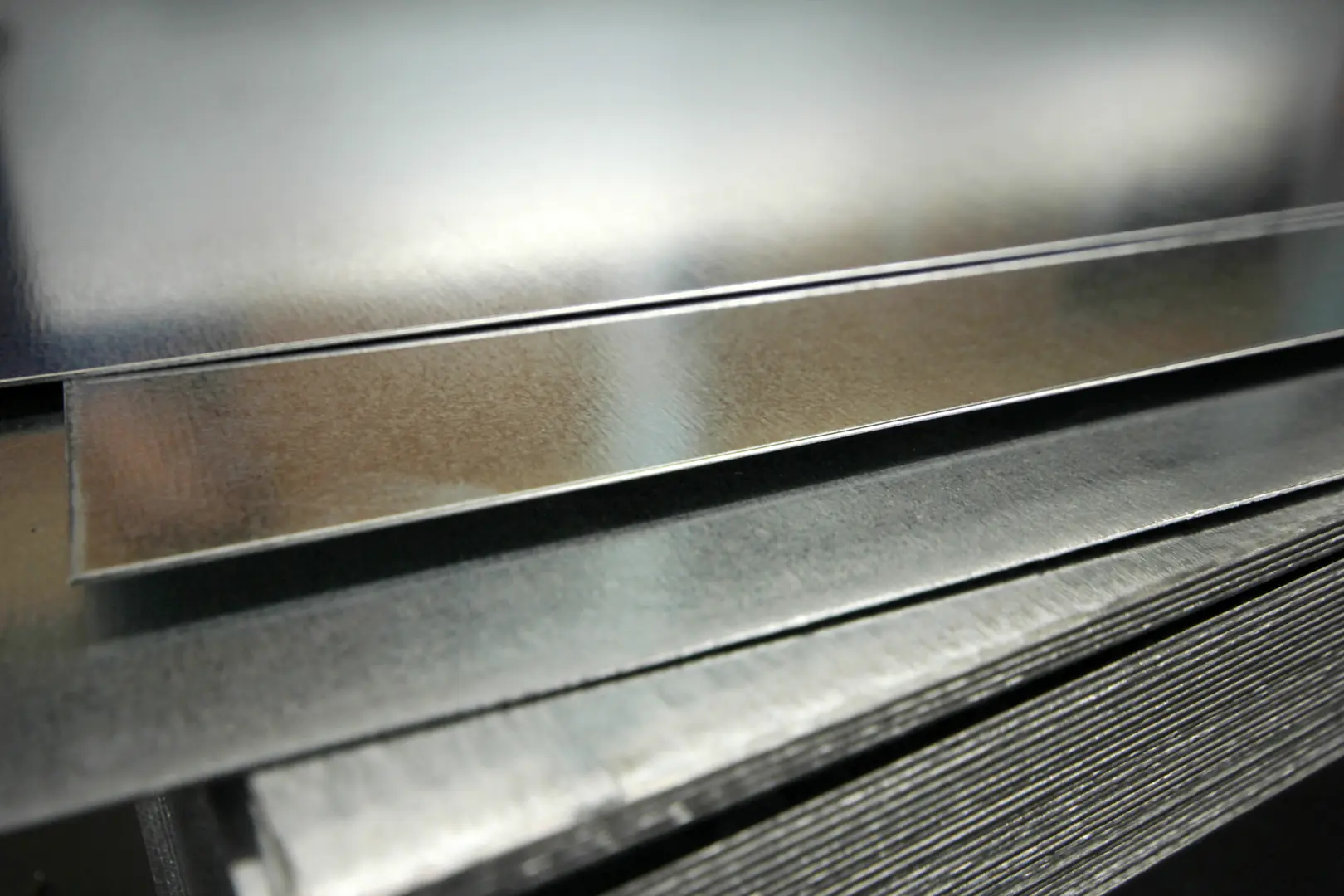
As the Global Business Director at MFY, I talk with partners every day who are concerned about market volatility. Tariffs, in particular, can create a lot of uncertainty. But I want to show you that with the right partner, these challenges are manageable. It's not about magic; it's about having a smart, resilient strategy. Let’s break down how we, as a leading Chinese supplier, ensure that trade policies don’t disrupt your supply chain.
What Are the Key Dynamics Shaping the Global Stainless Steel Market?
The global market feels unpredictable, and constant shifts create sourcing risks. We analyze these dynamics to provide you with a clear, stable path forward for your supply needs.
The market is shaped by production capacities, raw material costs like nickel, geopolitical events, and shifting demand from sectors like construction and automotive. China's role as a major producer is a central, stabilizing factor in this complex global equation.
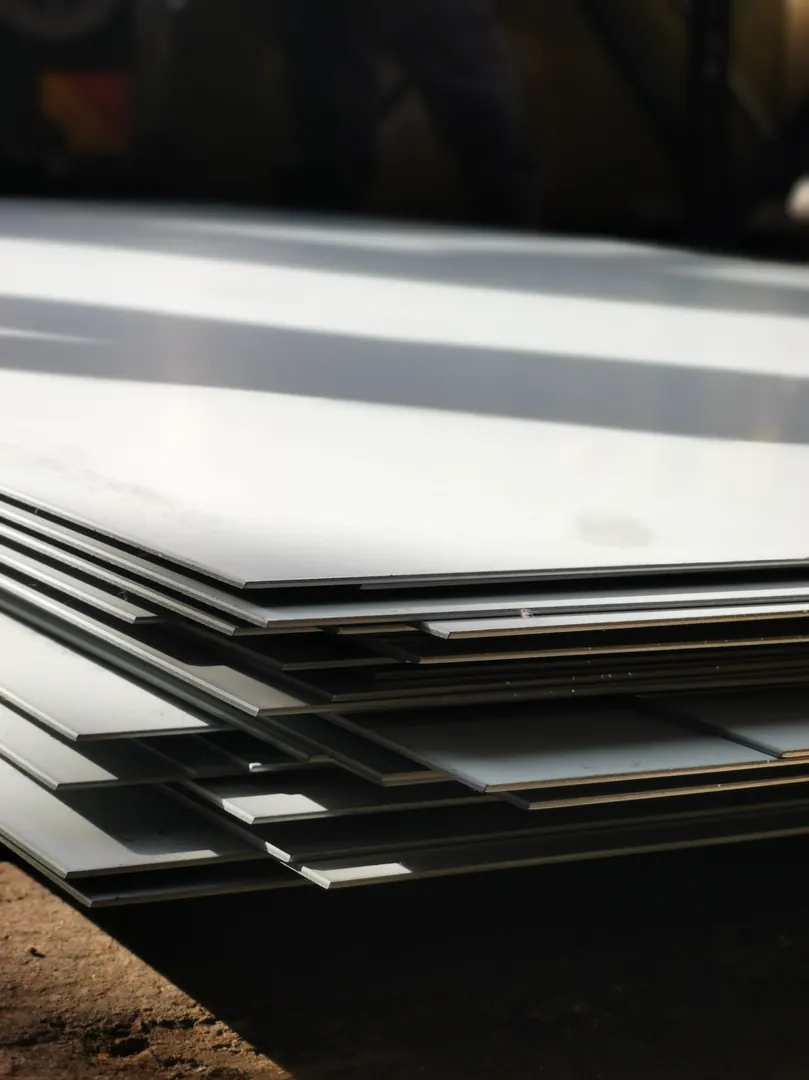
To understand how we manage tariff impacts, you first need to see the bigger picture. The stainless steel market is not a simple one. It’s a complex ecosystem where several key factors are always in play. At MFY, we monitor these elements constantly because they form the foundation of our pricing and supply strategy.
The Role of Production Capacity
China's massive production capacity[^1] is the most significant factor. It acts as a shock absorber for the global market. When demand spikes in one region, our ability to scale production helps prevent extreme price hikes. This scale gives us leverage to negotiate better rates on raw materials and shipping, and those savings are a key part of how we absorb external cost pressures like tariffs. Our fully integrated supply chain, from raw material sourcing to final product, gives us a level of control that is essential for maintaining stability.
Raw Material Volatility
The price of nickel, chromium, and other alloys can swing wildly, directly impacting the cost of stainless steel. We hedge against this volatility through long-term contracts and strategic sourcing. By securing raw materials at stable prices, we build a predictable cost base. This is crucial because it allows us to isolate the impact of tariffs and deal with it as a separate variable, rather than letting it get lost in a sea of other fluctuating costs.
| Market Factor | Impact on Stability | Подход MFY |
|---|---|---|
| Production Scale | High capacity stabilizes prices. | Leverage our large-scale production to absorb costs. |
| Затраты на сырье | High volatility can cause price spikes. | Secure long-term contracts for price predictability. |
| Global Demand | Shifting demand creates uncertainty. | Diversify across industries and regions to balance demand. |
Which Tariff Regulations Currently Impact Stainless Steel Exports?
Confused by complex tariffs? These regulations can unexpectedly inflate your costs. We monitor these trade policies closely to protect your bottom line and ensure transparency for you.
Key regulations include anti-dumping duties[^2] (AD) and countervailing duties[^3] (CVD) from major importers like the EU and the US. Тарифы по разделу 232[^4] also play a role. These policies are designed to protect domestic industries but create pricing challenges for exporters.
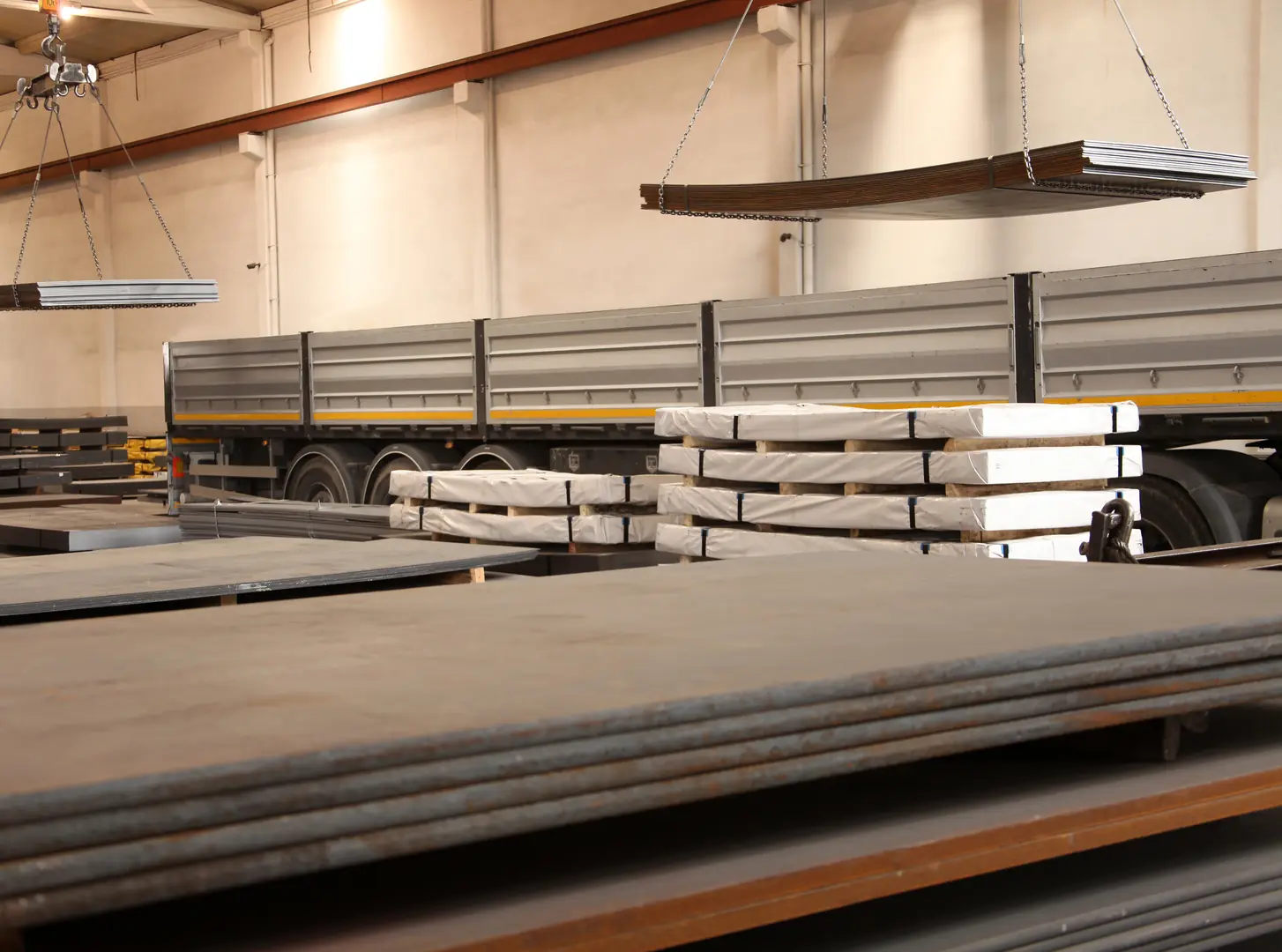
Navigating the world of trade regulations can feel like trying to read a map in a foreign language. But for us, it's a critical part of our job. Understanding these rules allows us to plan ahead and structure our exports in a way that minimizes the financial impact on our clients. I remember a client in Europe who was suddenly faced with a 25% duty on an order from another supplier, which completely derailed their project budget. That's the kind of surprise we work hard to prevent.
Anti-Dumping and Countervailing Duties (AD/CVD)
These are the most common types of tariffs we encounter. An anti-dumping duty is applied when a country believes a foreign company is selling a product at a price lower than its domestic market value. A countervailing duty is applied when a foreign government is found to be subsidizing its exporters, giving them an unfair advantage. These duties are often specific to certain companies and product types, so a deep understanding of the regulations is essential for compliance and strategic planning.
Navigating the Red Tape
Our export teams are experts in international trade law. We manage all the necessary paperwork and ensure our products are correctly classified to avoid unnecessary penalties. By staying ahead of policy changes, we can advise our partners on the most cost-effective sourcing strategies. This proactive approach means you get clear, transparent pricing without hidden costs, allowing you to plan your projects with confidence.
| Tariff Type | Назначение | Impact on Importer |
|---|---|---|
| Anti-Dumping (AD) | To prevent selling below fair market value. | Increases the final cost of imported goods. |
| Countervailing (CVD) | To offset foreign government subsidies. | Levels the playing field with domestic producers. |
| Section 232 | To protect national security interests. | Broadly applies to steel imports from many countries. |
What Are the Main Challenges Chinese Suppliers Face When Exporting Stainless Steel?
Worried about supplier reliability? Exporters face immense pressure from tariffs and competition. We've built a resilient system to overcome these hurdles for our partners worldwide.
Chinese suppliers face challenges like navigating complex and shifting tariff landscapes, managing price volatility, and maintaining competitiveness against other global producers. Ensuring consistent quality and logistical efficiency amidst trade friction is also a primary concern for us.
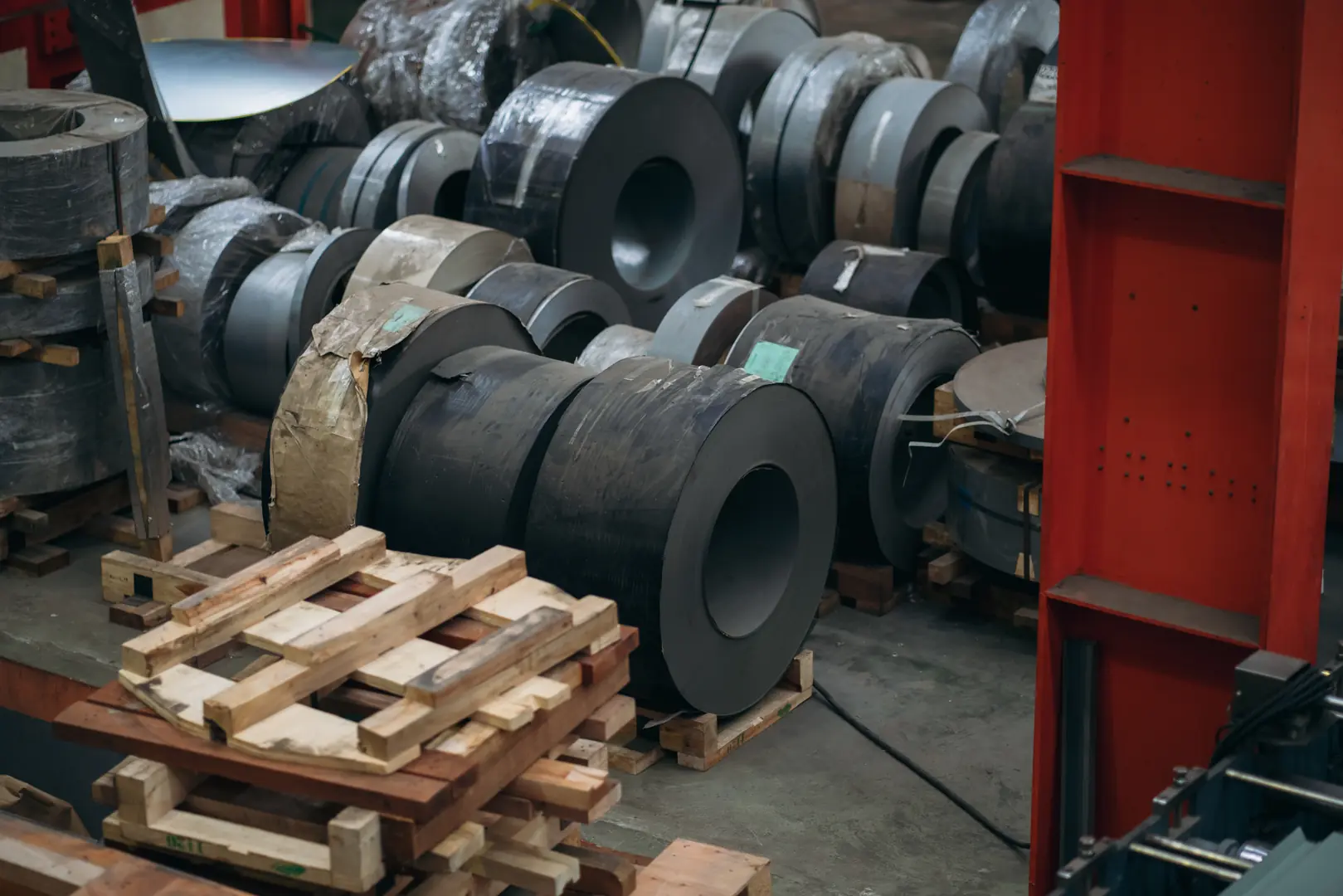
It’s easy to see tariffs as just a number, but for us, they represent a significant business challenge that requires a robust response. The pressure is twofold: we must absorb some of the cost to remain competitive, but we also must ensure our business remains profitable and sustainable. This balancing act is at the core of our export strategy. Our clients depend on us for stability, so we cannot simply pass every cost increase on to them.
The Cost Absorption Dilemma
The primary challenge is financial. When a new tariff is imposed, we have to decide how much of that cost we can absorb. This is where our scale becomes a major advantage. Because we operate with high efficiency and large volumes, our profit margins per unit are structured to handle some fluctuation. We see it as an investment in our long-term relationships with clients. By absorbing a portion of the tariff, we demonstrate our commitment to being a stable, reliable partner, not just a transactional supplier.
Maintaining a Competitive Edge
Beyond just price, we face the challenge of proving our value against competitors from countries not affected by the same tariffs. This forces us to be better in every other area. We must guarantee superior quality, provide faster delivery times, and offer more flexible service. This pressure has pushed us to innovate, optimizing every step of our supply chain and leveraging technology to improve efficiency. In a way, the challenge of tariffs has made us a stronger, more agile company.
What Strategies Do China's Suppliers Use to Mitigate Tariff Effects?
Need a cost-effective steel source that isn't disrupted by trade politics? Our strategy focuses on intelligent solutions that deliver value and price stability directly to you.
We employ a multi-faceted strategy: optimizing our supply chain for efficiency, absorbing a portion of tariff costs through our scale, and shifting focus to higher-value, specialized stainless steel products. This approach ensures our partners receive maximum value and stable pricing.
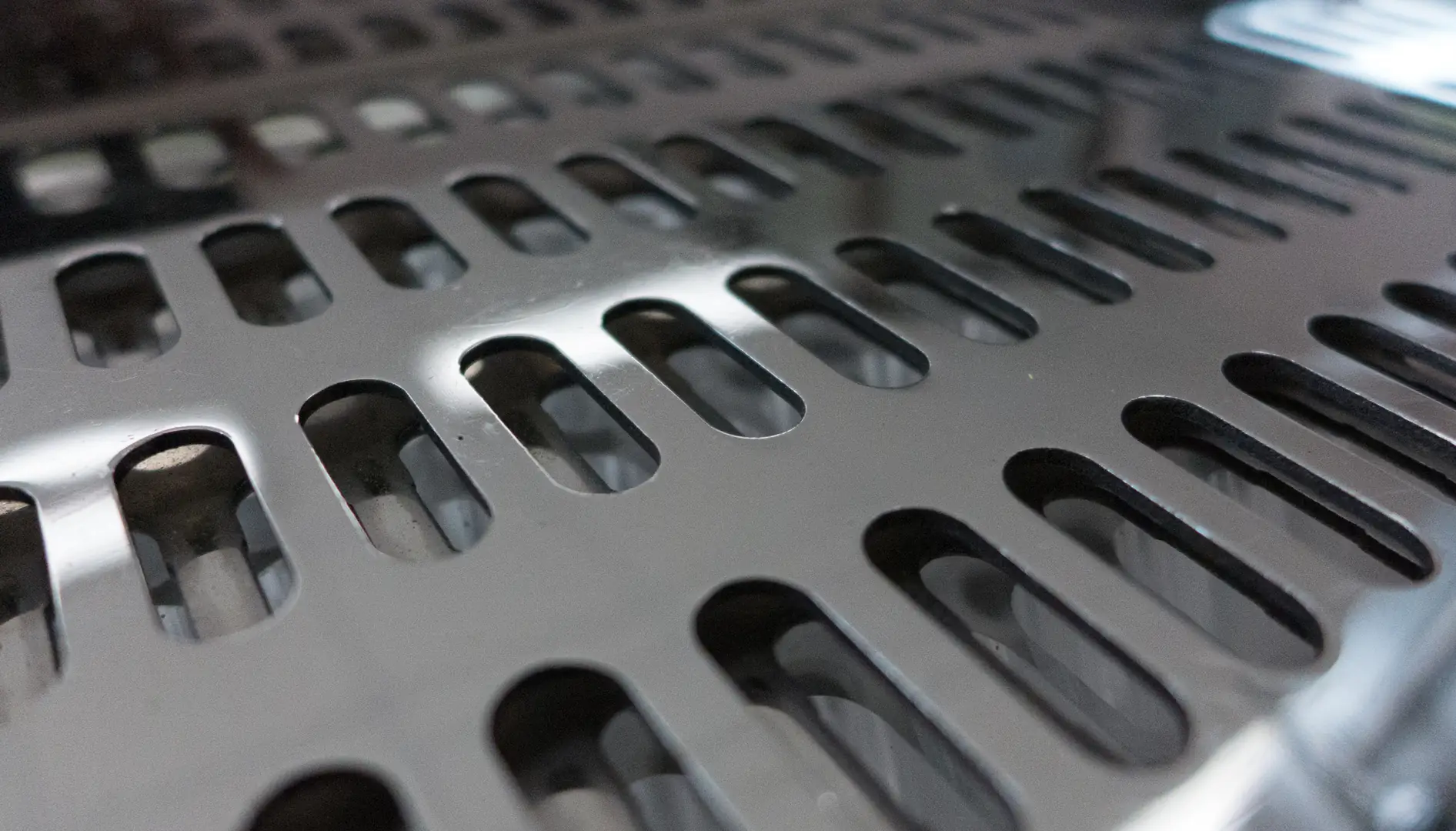
This is where our strategy truly comes to life. Mitigating tariff impact isn't about one single action; it's a combination of several deliberate, coordinated efforts. Our goal is to shield our customers from as much market volatility as possible. We’ve honed this approach over years of navigating the global trade environment, and it’s built on three core pillars.
Strategic Pricing and Cost Absorption
As I mentioned, our large production scale gives us the ability to absorb a portion of the tariff-related costs. We don't see this as a loss; we see it as a strategic pricing decision. By keeping our prices stable and competitive, we retain our market share and build loyalty with our partners. This is a long-term view. We know that a reliable supply chain is more valuable to our clients than a small, short-term price difference.
Focus on Value-Added Products
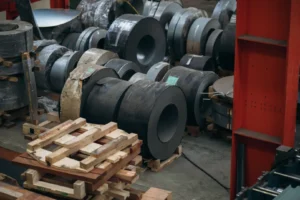
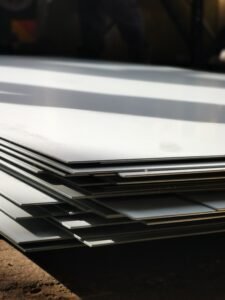
Another key strategy is to increase the proportion of value-added products in our export portfolio. Instead of just shipping standard coils or sheets, we offer products with specialized finishes, custom cutting, or unique grades. Tariffs are often calculated based on weight or base value. When the product itself has a higher intrinsic value, the tariff becomes a smaller percentage of the total cost. This approach not only mitigates the tariff's impact but also provides our clients with products that are closer to their final needs, saving them time and processing costs.
Supply Chain Optimization
Our integrated supply chain is our most powerful tool. By controlling everything from raw materials to final delivery, we can eliminate inefficiencies at every stage. This continuous optimization allows us to reduce our internal costs, creating a buffer that can be used to offset external pressures like tariffs.
| Strategy | How It Works | Benefit for You (The Client) |
|---|---|---|
| Cost Absorption | We use our scale to absorb a part of the tariff cost. | More stable and predictable pricing. |
| Value-Added Focus | We export higher-value, specialized products. | The tariff is a smaller part of the total cost. |
| Supply Chain Mastery | We optimize every step from production to logistics. | Lower overall costs and faster, more reliable delivery. |
How Do Technological Innovations Help in Stainless Steel Production and Export?
Is your current supply chain slow and opaque? Outdated processes create delays and increase costs. We leverage technology to streamline every step, from production to delivery for you.
Technology helps by improving production efficiency, which lowers base costs. Digital platforms for sales and logistics streamline transactions, reduce overhead, and enhance communication. This allows us to respond faster to market changes and client needs, mitigating tariff impacts.

In today's market, you cannot be resilient without being technologically advanced. At MFY, we have embraced a digital-first approach to transform how we do business. This isn't just about having a modern website; it's about integrating technology into the core of our operations to create tangible benefits for our clients, especially in a tariff-heavy environment. This agility is a key part of how we provide a stable and efficient service.
Digitalizing the Trade Process
We have invested heavily in a digital sales platform that simplifies the entire procurement process. Our clients can view our real-time inventory, place orders, and track their shipments from the factory to their port. This transparency eliminates guesswork and reduces the administrative burden on your team. It also allows us to process orders faster and more accurately, which is crucial when trade regulations can change quickly. This speed and efficiency help us reduce our own operational costs, which in turn helps us absorb external price pressures.
Innovations in Trade Finance
Dealing with international payments and financing can be complex. We are pioneering innovative trade finance solutions[^5] to make this easier for our partners. By working with financial institutions and leveraging new technologies, we can offer more flexible payment terms and reduce transaction costs. This financial agility helps our clients manage their cash flow better and reduces the overall risk associated with international trade. It’s another way we add value beyond the product itself, reinforcing our role as a strategic partner in your success.
Заключение
In a complex global market, Chinese suppliers like MFY offer stability. Through strategic pricing, supply chain mastery, and technological adoption, we successfully navigate tariff challenges. We deliver reliable, cost-effective stainless steel, ensuring your projects remain on track and on budget.
У вас есть вопросы или нужна дополнительная информация?
Свяжитесь с нами, чтобы получить индивидуальную помощь и квалифицированный совет.




 Русский
  English