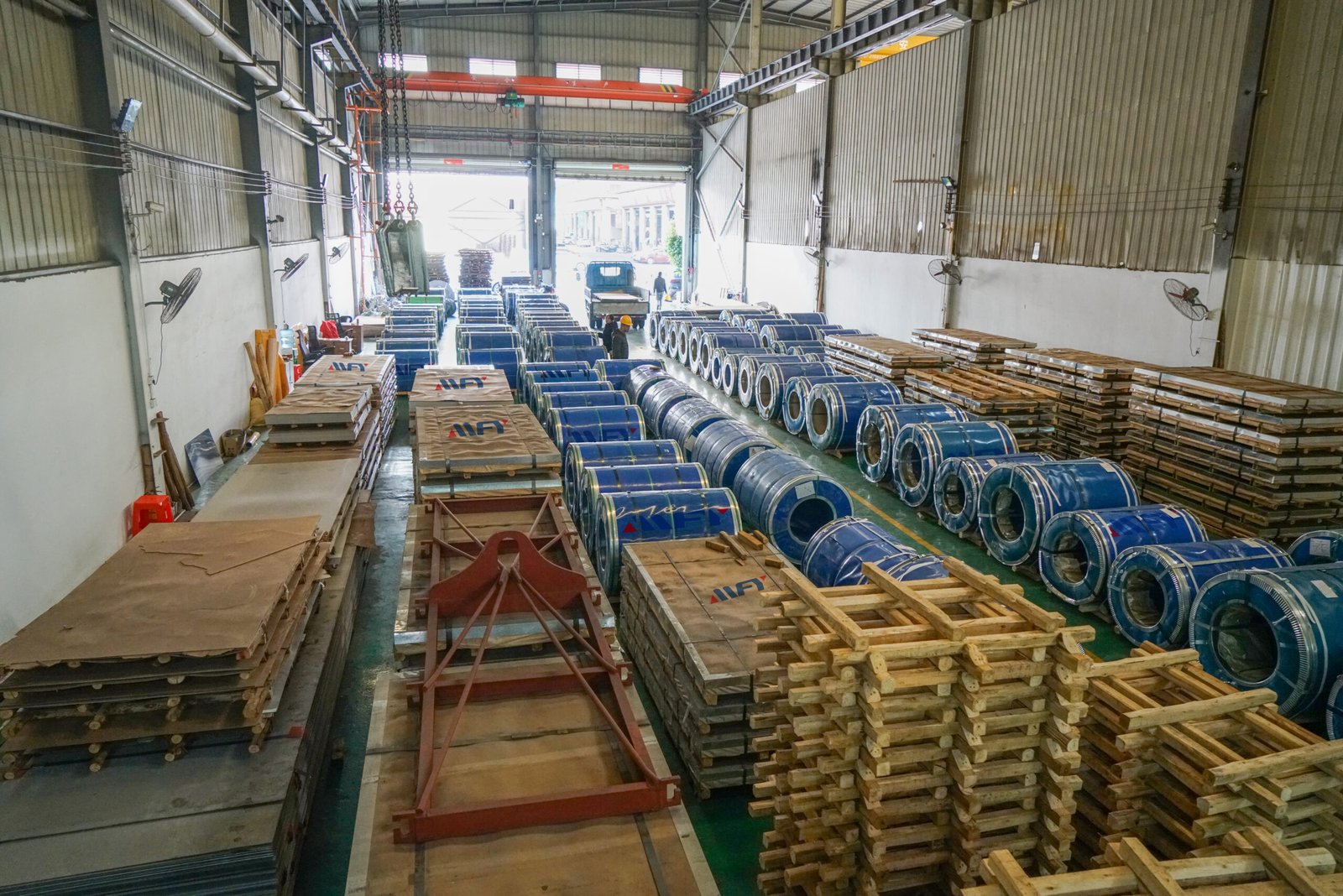
5 Stainless Steel Cost-Saving Tips for ME Engineering Projects: An Integrated Supply View
Soaring project budgets are a constant pressure. Stainless steel is a major expense, threatening your profitability. An integrated supply view unlocks hidden savings and secures your competitive edge.
To save costs, Middle East engineering projects should select cost-effective grades, leverage bulk purchasing, design efficiently, optimize logistics, and use advanced fabrication. An integrated supply partner is key to unlocking these savings.
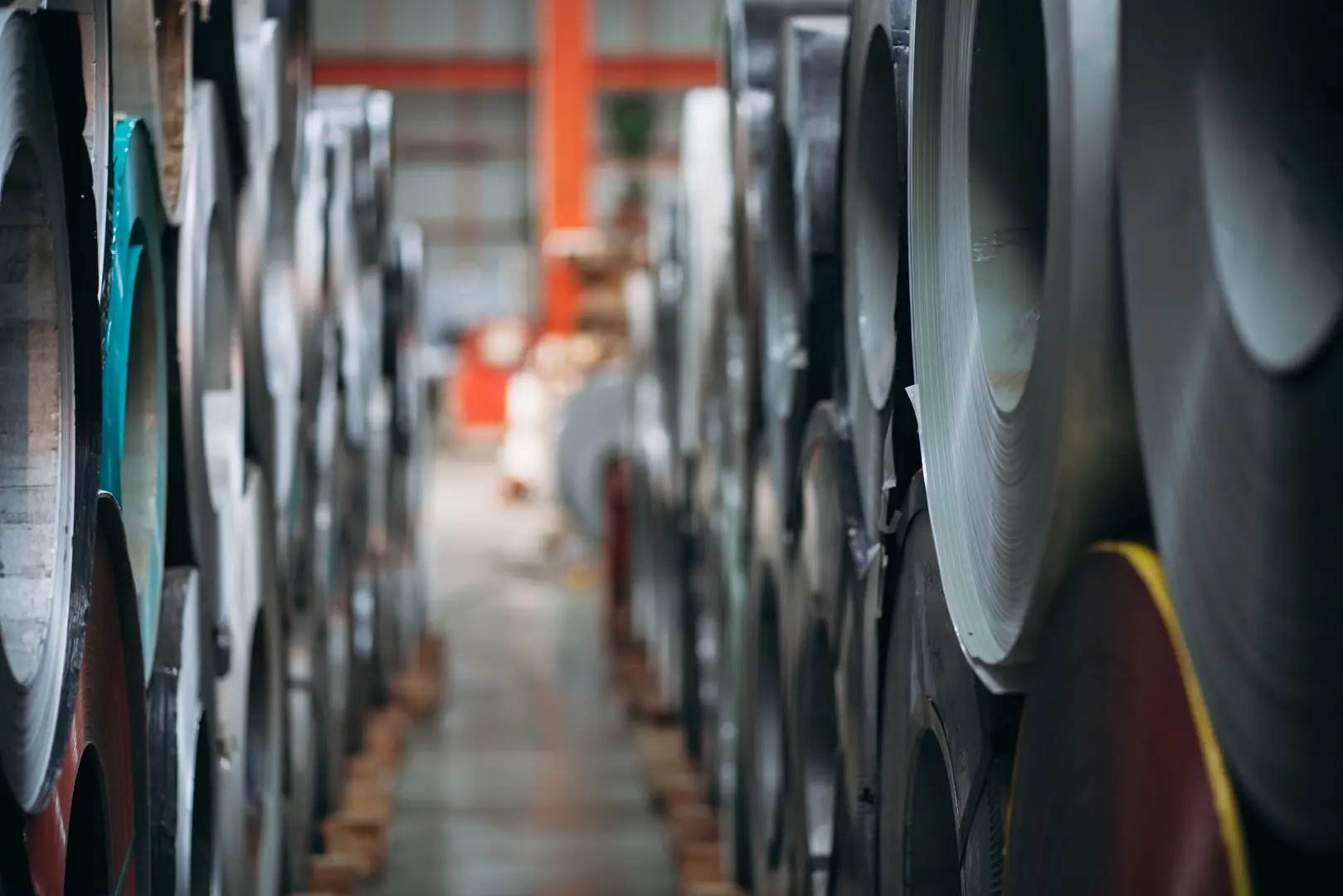
I'm Cosmos, the Global Business Director at MFY. Over the years, I've worked with countless contractors and project managers across the Middle East. I've seen firsthand how a strategic approach to stainless steel procurement can make or break a project's budget. It’s not just about finding the lowest price per ton; it’s about optimizing the entire value chain, from raw material to final installation. Let's break down five practical, high-impact strategies that you can implement by partnering with an integrated supplier.
How do you identify the most cost-effective stainless steel grades?
Choosing the wrong grade is a costly mistake. Over-specifying wastes money on unnecessary performance, while under-specifying risks catastrophic failure and rework. A proper analysis finds the optimal balance.
Identify cost-effective grades by matching the material's corrosion resistance, strength, and finish to the specific environmental and structural demands of the project. Avoid over-engineering by consulting with your supply partner.
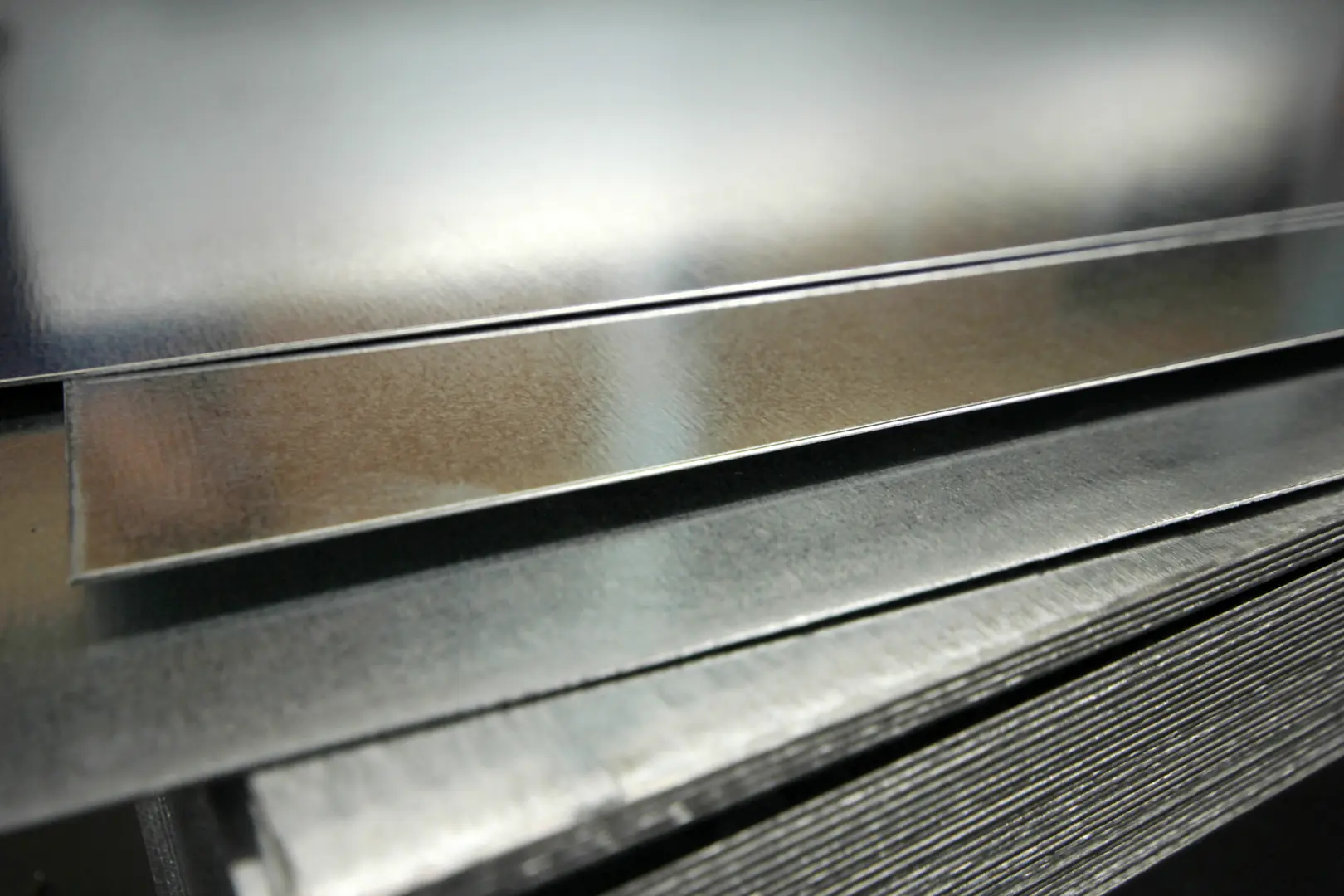
In the world of engineering, more is not always better, especially when it comes to material specifications. The key is to select a grade that meets the project's requirements without exceeding them. I remember a client in Dubai working on a large-scale interior architectural project. They initially specified grade 316L for all stainless steel elements, a premium choice excellent for harsh coastal environments. However, after discussing the application, we realized that for the indoor, non-corrosive elements, grade 304 or even 430 offered the necessary aesthetic and structural properties at a significantly lower cost. This simple change saved them nearly 20% on their material budget without compromising quality or safety.
Balancing Performance and Price
The diverse environments in the Middle East, from humid coastlines to arid inland regions, demand careful consideration. A material perfect for a coastal desalination plant in Jeddah is overkill for an inland structural frame in Riyadh. This is where deep material knowledge becomes a financial tool. An integrated supplier like MFY can provide the data and expertise to help you make these informed decisions. We look at your specific application—its exposure to chlorides, temperature fluctuations, and mechanical stress—and recommend the most economical grade that guarantees long-term performance.
| Класс | Относительная стоимость | Устойчивость к коррозии | Common ME Application |
|---|---|---|---|
| 316L | Высокий | Превосходно | Coastal, Marine, Chemical |
| 304 | Средний | Хорошо | General, Architectural, Food |
| 430 | Низкий | Ярмарка | Interior, Decorative, Dry |
By working together, we can move beyond a one-size-fits-all approach and tailor a material strategy that directly supports your bottom line.
How can you leverage bulk purchasing for better material costs?
Small, frequent orders are inefficient and expensive. They lead to higher unit prices, increased shipping fees, and complex logistical management. Strategic bulk purchasing locks in better rates and simplifies your supply chain.
Leverage bulk purchasing by consolidating material requirements across project phases or multiple projects. This strategy gives you greater negotiating power with suppliers and significantly reduces the per-unit cost of stainless steel.
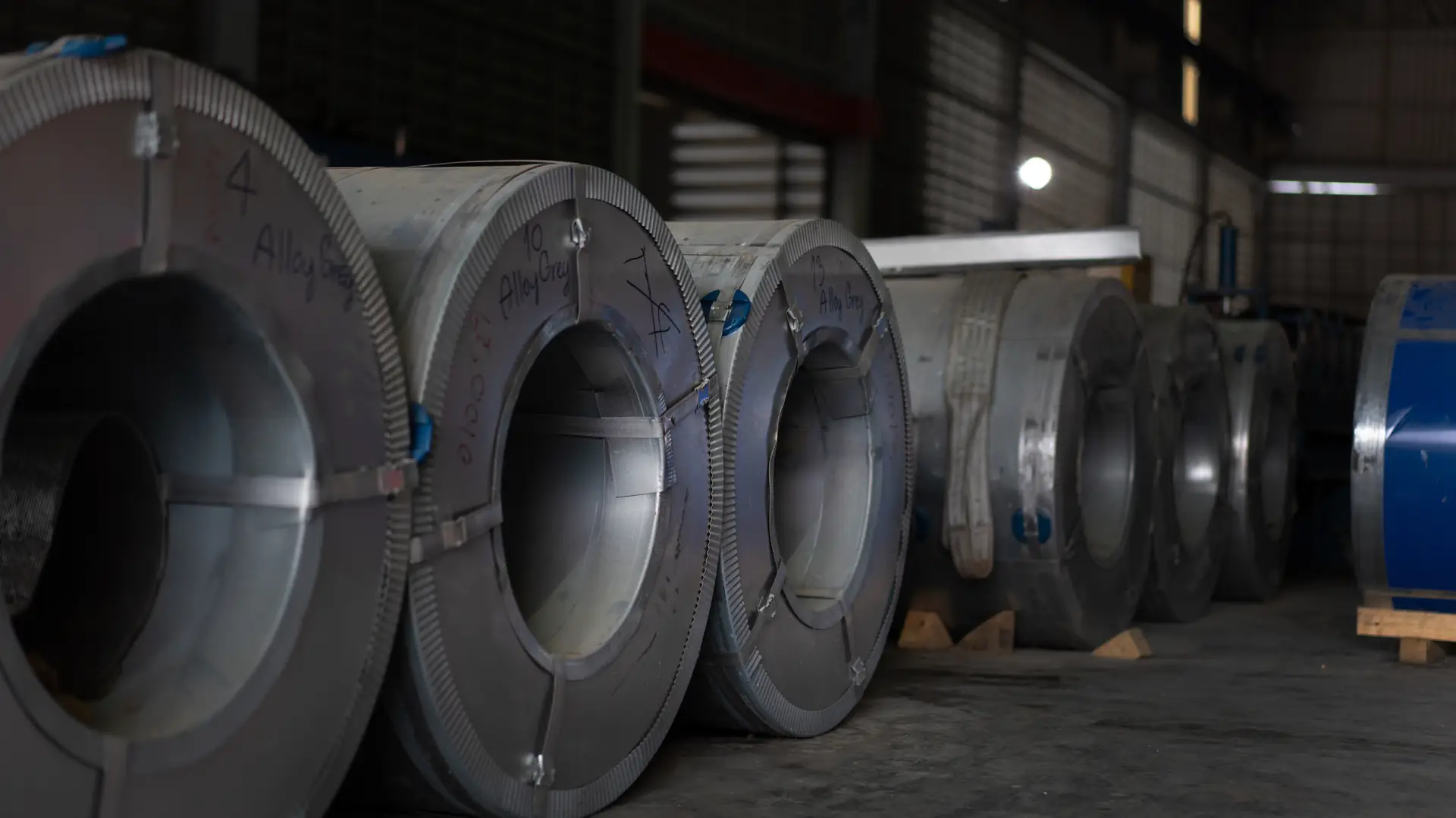
The basic principle of economies of scale[^1] is a powerful tool in our industry. The larger the order, the better the price we can offer. But true strategic purchasing goes beyond a single large order. It involves forecasting and consolidation. At MFY, our integrated model, which covers everything from raw materials to production, gives us a unique ability to manage large-volume orders effectively. We can help clients bundle their needs for an entire project—or even across multiple projects—into a single, large-scale procurement plan. This not only secures a lower per-ton price but also helps mitigate the impact of market price volatility.
The Power of Volume
When you commit to a larger volume, we can optimize our production schedules, secure raw materials more efficiently, and pass those savings directly on to you. This is especially critical in the Middle East, where large-scale infrastructure and construction projects have massive and predictable steel requirements. Instead of purchasing on a phase-by-phase basis, a consolidated approach provides cost certainty and supply security.
Mitigating Price Volatility
A fragmented purchasing strategy exposes you to constant fluctuations in the commodities market. By placing a larger, forward-looking order with a partner like MFY, you can often lock in a price, protecting your budget from unexpected spikes. We hold significant inventory, which acts as a buffer against market turbulence, ensuring our long-term partners have a stable and reliable supply at a predictable cost. This foresight is a cornerstone of effective project management.
How do efficient design practices minimize stainless steel waste?
Poor design creates expensive scrap material. Every offcut represents lost profit, wasted resources, and an added logistical burden for disposal. Smart, collaborative design minimizes this waste from the very beginning.
Efficient design minimizes waste by specifying standard sheet and coil sizes, optimizing cutting patterns (nesting), and designing components that reduce the need for complex fabrication and welding, thus lowering material and labor costs.
The most significant cost savings are often realized before the first piece of steel is ever cut. This is achieved through Design for Manufacturability (DfM)[^2]. I recall working with an engineering firm in Saudi Arabia on a series of equipment enclosures. Their initial design required custom-sized sheets, which would have generated over 15% scrap from our standard coils. By involving our technical team early, we helped them slightly adjust their dimensions to align with standard industry widths. This small change had a massive impact: it virtually eliminated material waste, simplified the cutting process, and accelerated their production timeline.
Designing for Manufacturability
This collaborative approach is central to our philosophy at MFY. Our role isn't just to supply material; it's to be a partner in efficiency. We can provide your design team with our exact stock dimensions for coils and sheets. By designing components that make optimal use of these standard sizes, you minimize the "offcut" percentage, which is a direct hit to your bottom line. Furthermore, we can advise on designs that reduce the number of welds or complex bends, which not only saves material but also significantly cuts down on expensive fabrication labor.
The Supplier as a Design Partner
Think of your supplier as an extension of your engineering team. We see thousands of designs and fabrication processes. We know what works, what's efficient, and where the hidden costs lie. Engaging with us during the design phase allows you to leverage this vast experience, ensuring your project is optimized for cost-effectiveness from the blueprint stage onward.
How can you optimize logistics and supply chain management?
Supply chain delays are project killers. Waiting for materials can bring a multi-million-dollar project to a standstill, creating massive cost overruns. An integrated, transparent supply chain ensures on-time delivery and budget stability.
Optimize logistics by partnering with a supplier who offers an integrated supply chain. This provides end-to-end visibility, consolidated shipping, and proactive management to prevent delays and reduce transportation and holding costs.
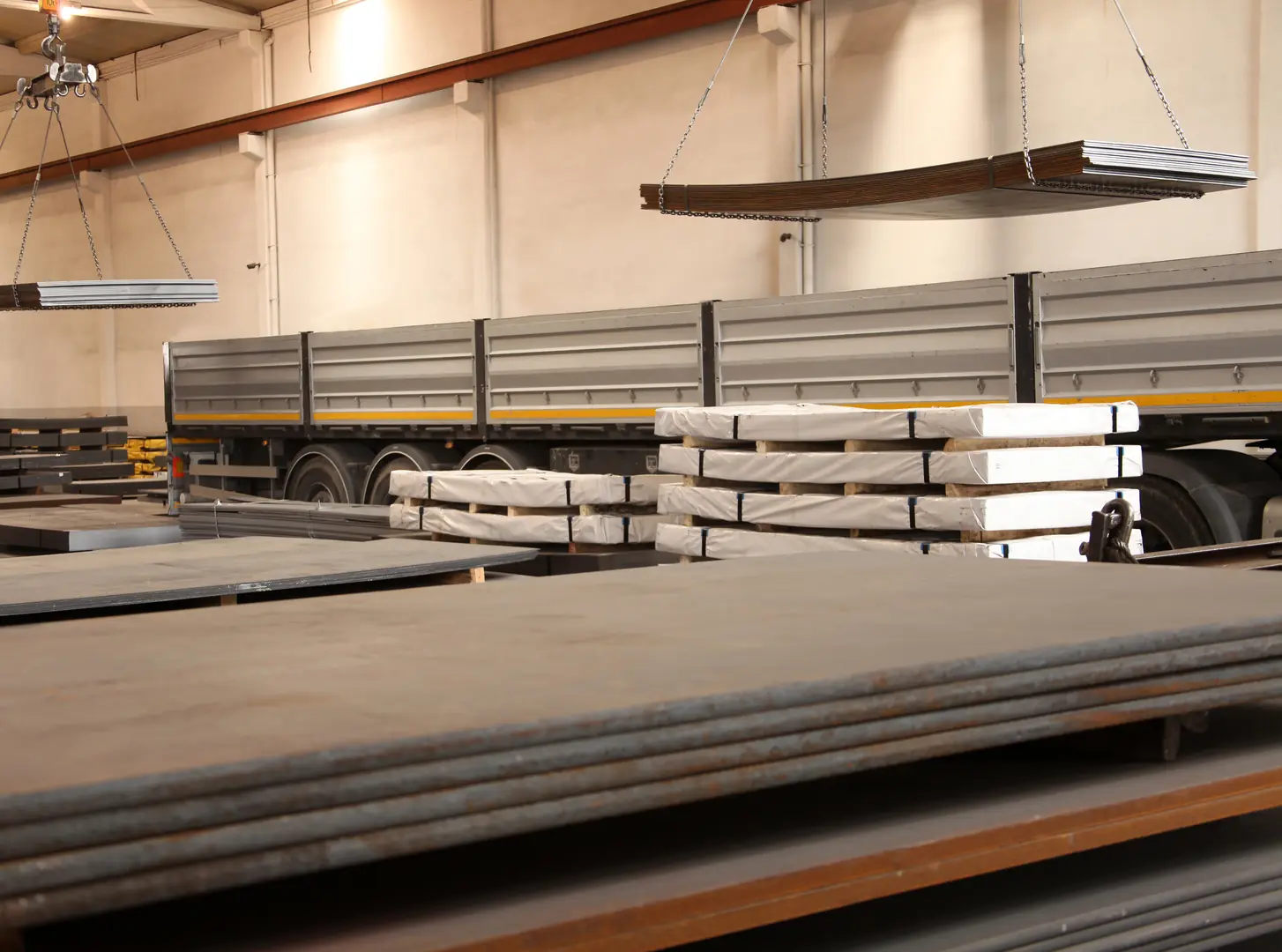
The traditional supply chain for industrial materials is often fragmented. You might deal with a mill, a separate trading company, a freight forwarder, and a local logistics provider. Each handoff is a point of potential delay, miscommunication, and added cost. This is where the integrated model proves its immense value. At MFY, we manage the entire process—from our own production facilities to the port, onto the ship, and through to customs clearance. This single chain of custody eliminates the blame game and gives our clients one point of contact and complete transparency.
The Integrated Advantage
I recently spoke with a contractor in Qatar who was struggling with unpredictable material arrivals from multiple suppliers, which made workforce planning a nightmare. After switching to our integrated service, he knew exactly where his shipment was at all times. This predictability allowed him to schedule his teams with confidence, improving labor efficiency and keeping the project on track.
Digital Tools for a Smarter Supply Chain
We leverage digital innovation to enhance this transparency. Our clients have access to real-time inventory and tracking data, allowing them to see their order's progress from our warehouse to their project site. This isn't just about convenience; it's a powerful planning tool that helps manage on-site inventory, reduce holding costs, and ensure materials arrive precisely when needed.
| Характеристика | Fragmented Supply Chain | Integrated Supply Chain (MFY) |
|---|---|---|
| Communication | Multiple contacts, complex | Single point of contact |
| Visibility | Low, often delayed info | High, real-time tracking |
| Risk | High (multiple failure points) | Low (managed end-to-end) |
| Стоимость | Multiple margins, hidden fees | Transparent, consolidated cost |
How do advanced fabrication techniques reduce labor costs?
On-site fabrication is time-consuming and expensive. It requires a large footprint, specialized equipment, and highly skilled labor, all of which are premium resources on a busy project site. Off-site pre-fabrication is the smarter alternative.
Advanced fabrication techniques, such as CNC laser cutting and pre-forming services offered by your supplier, reduce on-site labor costs. Receiving materials closer to their final shape minimizes assembly time and specialized work on-site.
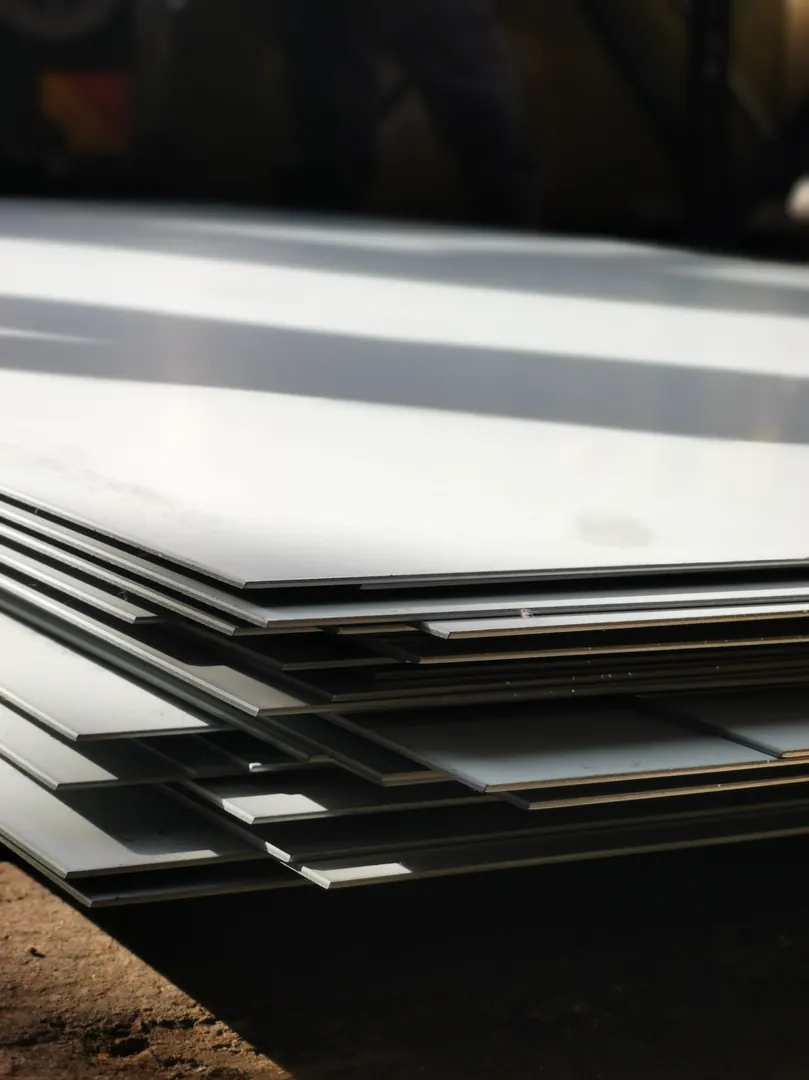
One of the most effective ways to save money is to reduce the amount of work that needs to be done on-site. Labor is often one of the highest and most unpredictable costs in any engineering project. By using a supplier that offers value-added fabrication services, you can shift a significant portion of this work to a more controlled and cost-effective factory environment. At MFY, our service centers are equipped with advanced machinery for precision cutting, slitting, and even basic forming.
Shifting Work Off-Site
Instead of receiving a standard 4x8-foot sheet of stainless steel that your team needs to measure, mark, and cut, imagine receiving a pallet of components cut to your exact specifications, ready for assembly. This is the value we provide. For a large-scale construction project in the UAE, we delivered thousands of stainless steel panels, all pre-cut to size with protective film applied. This saved the contractor hundreds of hours of on-site labor, reduced the risk of scratching the material during handling, and dramatically accelerated their cladding installation schedule.
The Impact on Project Timelines
This approach doesn't just cut direct labor costs; it also compresses your project timeline. Faster assembly means the project moves to the next phase sooner, reducing overheads and financing costs. It simplifies site logistics, requires less laydown area for raw materials, and improves overall project safety by minimizing on-site cutting and grinding operations. It's a holistic approach to efficiency that transforms your material supplier into a true production partner.
Заключение
The key to unlocking significant cost savings in Middle East engineering projects is not just about price negotiation. It is about adopting an integrated supply view—from grade selection and design to logistics and fabrication. A strategic partner like MFY helps you optimize every step for maximum value.
У вас есть вопросы или нужна дополнительная информация?
Свяжитесь с нами, чтобы получить индивидуальную помощь и квалифицированный совет.



 Русский
  English