знания
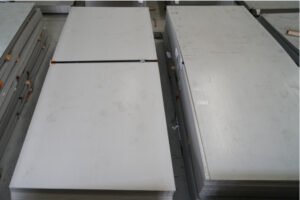
Optimizing Yield Strength: A Guide to Welding 304 Stainless Steel for Construction
This article provides a comprehensive guide to welding 304 stainless steel for construction, focusing on optimizing yield strength and ensuring structural integrity. It covers the crucial aspects such as understanding the material properties, meticulous environmental preparation, and using appropriate welding techniques like TIG and Laser Beam Welding. The article emphasizes the importance of post-weld treatments to restore corrosion resistance and discusses both non-destructive and destructive testing methods to validate weld strength. By adopting these practices, engineers and project managers can meet the demands of modern, robust construction projects….
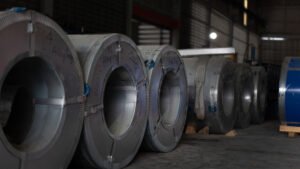
Corrosion Resistance in 304 Stainless Steel Welds: Technical Analysis
The article delves into the corrosion resistance of 304 stainless steel welds, emphasizing the importance of weld integrity due to the changes in the metal’s microstructure during welding. It highlights the role of the chromium oxide layer in protecting steel and discusses the impact of welding techniques on corrosion resistance. Key challenges such as intergranular, pitting, and crevice corrosion are examined, alongside measures to enhance weld durability, including material selection and post-weld treatments. The article underscores the significance of regular maintenance to preserve weld integrity, ensuring long-term asset reliability….
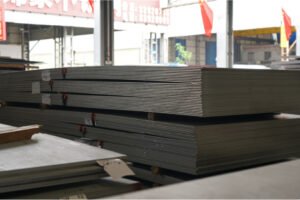
Stainless Steel Plate 304/304L No. 1 Finish: How to Ensure Consistent Quality for Industrial Applications
Ensuring consistent quality in 304/304L No. 1 finish stainless steel plates involves a comprehensive strategy that MFY employs, focusing on material characteristics, strict quality parameters, and robust manufacturing controls. The process includes understanding the unique properties of the No. 1 finish, which features excellent corrosion resistance and mechanical properties ideal for industrial applications. MFY integrates quality checks throughout production, from raw material verification to real-time monitoring of annealing and pickling processes. Regular inspections and testing are crucial to validate quality, while proper storage and handling prevent contamination and damage, ensuring the plates maintain their integrity from mill to client….

Beyond Price: Why Steel Quality Matters for Engineering Durability
This article explores the critical importance of steel quality in engineering projects. High-quality steel enhances durability, reduces maintenance costs, and ensures compliance with safety standards, providing long-term value beyond initial cost savings. Key factors defining steel quality include chemical composition, mechanical properties, and manufacturing consistency. The risks of using low-quality steel include structural failure, increased costs, and safety hazards. Best practices for maintaining steel integrity post-installation are also discussed, highlighting the importance of proactive maintenance to preserve the material’s performance….
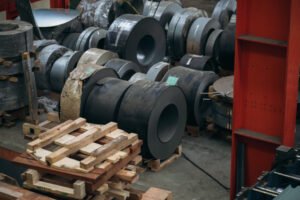
Black Spot Defects: Causes and Removal Protocols for Stainless Steel Sheet
Black spot defects on stainless steel sheets are common but manageable surface issues that can severely impact both the aesthetic and functional qualities of the material. These defects are typically caused by contamination or process control failures during production. Effective methods for removal include mechanical polishing for embedded particles and chemical treatments for oxide inclusions. Prevention is key, involving stringent cleaning protocols, controlled atmospheric conditions during annealing, and advanced quality control measures. By understanding and addressing these defects, businesses can maintain the integrity and value of stainless steel products, avoiding costly rejections and ensuring long-term durability….

The Distinction Between Rusting and Corroding: A Guide to Corrosion Mitigation
Understanding the distinction between rusting and corrosion is crucial for effective material longevity and mitigation strategies in engineering and construction. Rusting is a specific type of corrosion affecting only iron and its alloys, forming iron oxide, while corrosion is a broader term for the chemical degradation of metals due to environmental reactions. This article highlights the importance of recognizing these differences to make informed decisions and avoid costly failures. Effective solutions include using corrosion-resistant alloys like stainless steel, applying protective coatings, and employing cathodic protection. Long-term strategies should involve proper material selection, environmental control, and regular maintenance to ensure safety and reduce financial losses….
Targeting Pitting: How to Deal with Localized Stainless Steel Rust Spots
Localized rust spots on stainless steel, often due to chloride exposure, can compromise structural integrity. Effective management involves identifying causes, treating affected areas through cleaning and passivation, and implementing preventive measures such as material selection and regular maintenance. Pitting corrosion can lead to sudden structural failure if ignored, and can also affect hygiene in sanitary applications. Identifying rust spots early through visual and advanced methods like dye penetrant and ultrasonic testing is crucial. Prevention includes strategic alloy selection, protective coatings, and environmental control to safeguard stainless steel assets….
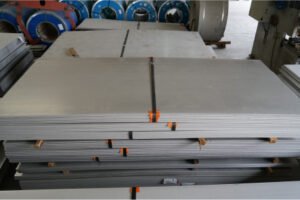
Inventory Risk: Best Practices for Storing Stainless Steel Coils and Sheets
Storing stainless steel coils and sheets involves significant risks, such as corrosion and physical damage, which can affect material quality and operational efficiency. MFY outlines best practices to mitigate these risks, including climate-controlled storage to prevent corrosion, advanced inventory management systems for accurate tracking, and proper handling techniques. By implementing these strategies, businesses can safeguard material quality, reduce waste, and maintain a competitive supply chain. Effective storage is not just about protection but also about enhancing the reliability and value of stainless steel products….

Visual Guide: Quickly Identifying the 7 Most Common Stainless Steel Surface Defects
This guide provides a systematic approach to quickly identify the 7 most common stainless steel surface defects, including scratches, dents, rust, pitting, discoloration, inconsistent finishes, and inclusions. Recognizing these defects is critical for maintaining material quality and preventing project delays and costly disputes. By understanding the impact of these flaws on corrosion resistance, structural integrity, and aesthetic appeal, businesses can protect investments, timelines, and reputations. The guide emphasizes the importance of early detection and offers practical tips for visual inspection to enhance quality control processes….
Long-Term Protection: 5 Proven Strategies for Preventing Stainless Steel Rust
Stainless steel rust can undermine investment and project integrity. This article outlines five proven strategies to ensure long-term protection: understanding rust causes, selecting the right steel grade, applying surface treatments, conducting regular maintenance, and considering advanced coatings for extreme environments. By combining these approaches, stainless steel assets can achieve unparalleled longevity and performance, regardless of environmental challenges. MFY’s expertise helps clients build comprehensive strategies to protect their stainless steel investments….
 Русский
  English