приложения
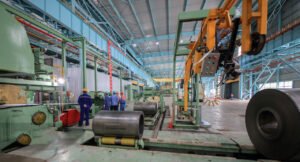
Where are Stainless Steel Flat Bar and Round Bars Used?
Stainless steel flat and round bars are crucial in construction, manufacturing, and architecture due to their durability, strength, and corrosion resistance. Flat bars are typically used for supports and frames, while round bars are ideal for shafts and fasteners. Current trends highlight their role in green technology and architectural design, emphasizing sustainability and aesthetic appeal. Selecting the right stainless steel grade can prevent costly issues, and partnering with knowledgeable suppliers ensures optimal material choice for specific environments. Proper implementation during fabrication maximizes their performance and longevity….
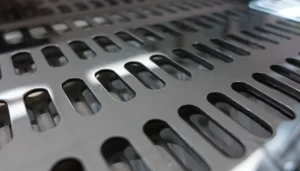
Choosing 316L Sheets: Critical Applications for Chemical and Oil Industries
316L stainless steel sheets are essential in the chemical and oil industries due to their superior corrosion resistance, particularly in chloride and industrial chemical environments. Their low carbon content minimizes carbide precipitation during welding, ensuring structural integrity. These sheets are widely used in storage tanks, pressure vessels, and piping systems, offering excellent formability and toughness. Despite challenges like stress corrosion cracking, proper design and maintenance can enhance their lifespan. Partnering with reliable suppliers ensures quality and compliance with industry standards, making 316L sheets a strategic choice for operational reliability….
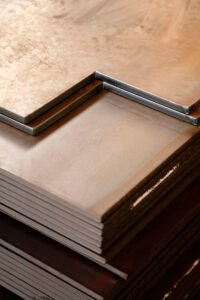
Reducing Downtime: Fastest Industrial Methods for Stainless Steel Rust Removal
Rust on stainless steel assets can lead to costly operational delays. To reduce downtime, it’s crucial to accurately assess rust severity and choose appropriate removal methods. Advanced techniques like laser cleaning provide speed and precision without damaging the material. Chemical treatments and mechanical methods are also effective, but must be carefully chosen based on rust severity and environmental factors. Implementing a proactive maintenance plan, including regular cleaning and passivation, is essential to prevent future rust formation. These strategies ensure efficient operations and long-term asset protection….

Overcoming Saltwater Corrosion with Duplex Stainless Steel: A Proven Solution
“`markdown # How Can Duplex Stainless Steel Overcome Saltwater Corrosion as a Proven Solution? Struggling with saltwater destroying your metal infrastructure? The constant repairs are costly and ……
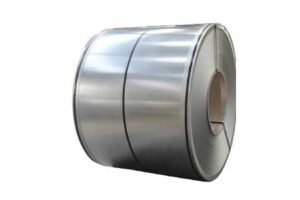
Why 316L is the Top Choice for Marine Engineering Projects
316L stainless steel is the preferred material for marine engineering projects due to its exceptional resistance to chloride-induced corrosion, pitting, and crevice corrosion, thanks to its unique chemical composition including added molybdenum and low carbon content. These properties ensure the longevity and safety of structures in high-salinity seawater environments. Industry leaders consistently select 316L for its strategic advantages in reliability and cost-effectiveness. Its robust mechanical properties and corrosion resistance make it ideal for critical applications like offshore platforms, seawater piping systems, and high-strength fasteners, ultimately reducing lifecycle costs and enhancing project viability….
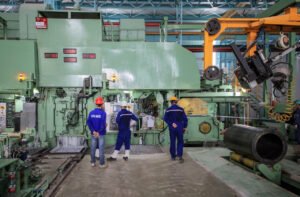
A Guide to Welding Stainless Steel Plates: Techniques & Tips
Welding stainless steel plates requires meticulous preparation and the correct technique selection such as TIG or MIG for optimal results. Key steps include thorough cleaning, proper safety measures, and choosing the right welding method based on plate thickness and application. Challenges like distortion and weld cracking can be managed with precise heat control and material selection. Post-weld cleaning and passivation are crucial to restore corrosion resistance and ensure lasting quality. By adhering to these principles, you can achieve strong, high-quality welds that meet industry standards….
How to Leverage 316L Stainless Steel for Harsh Marine Conditions
316L stainless steel is a superior choice for marine environments due to its excellent corrosion resistance, particularly against chloride-induced attacks found in saltwater. Its molybdenum content prevents pitting, ensuring long-term durability and low maintenance. This makes it ideal for offshore platforms, shipbuilding, and coastal infrastructure. By selecting the right forms and finishes of 316L, such as sheets, pipes, and bars, tailored to specific applications, businesses can ensure structural integrity and cost-effectiveness. Proper installation and maintenance practices further enhance its performance, making 316L a strategic choice for resilient marine constructions….
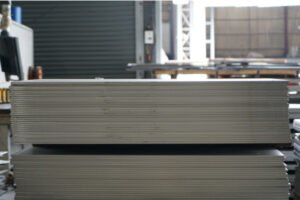
316L Stainless Steel Plate in Marine Environments: Performance & Use
316L stainless steel plates are ideal for marine environments due to their superior corrosion resistance, particularly against chloride-induced corrosion. They are preferred for applications such as shipbuilding, offshore platforms, and coastal infrastructure, where durability and reliability are critical. The low carbon content of 316L prevents weld decay, ensuring long-term structural integrity. Regular maintenance, including rinsing with fresh water, can optimize the longevity of 316L components by preventing surface staining and ensuring performance. Investing in 316L stainless steel is a strategic choice for projects facing harsh marine conditions….
070605 Как проверить нержавеющую сталь 304?
Вы пытаетесь повысить твердость деталей из нержавеющей стали 304, полагая, что для этого достаточно простой термической обработки?...
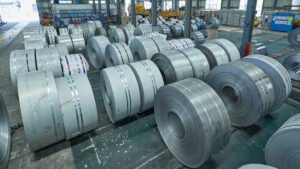
Рулонная лента из нержавеющей стали: Больше, чем просто материал
Sourcing consistent, high-quality stainless steel coil strip can be a persistent challenge, often leading to production delays and final product defects. These…
 Русский
  English