Where are Stainless Steel Flat Bar and Round Bars Used?
Choosing the right structural material is a constant challenge. A wrong decision can compromise your project's integrity and budget. Stainless steel bars offer the versatile, durable solution you need.
Stainless steel flat and round bars are essential in construction for structural frames, manufacturing for machinery parts like shafts and fasteners, and architecture for decorative and functional elements. Their primary use is in applications demanding high strength, corrosion resistance, and longevity.
These simple components are the unsung heroes of modern industry. From the skyscrapers that define our cities to the machines that power our factories, stainless steel bars provide the foundational strength and resilience required. As the Global Business Director at MFY, I've seen firsthand how these materials are not just inputs, but enablers of innovation. Let's explore their specific roles, the latest trends, and how to select the perfect bar for your next project.
What is the role of stainless steel flat and round bars in industry?
Understanding a material's core function is vital. Misunderstanding its purpose can lead to over-engineering or, worse, structural failure. Their role is to provide foundational strength and long-term reliability.
The primary role of stainless steel bars is to serve as structural and mechanical components. Flat bars are often used for supports, braces, and frames, while round bars are ideal for shafts, axles, pins, and fasteners where rotational or tensile strength is key.
At their core, these bars are about performance and adaptability. They are not just passive pieces of metal; they are active components that ensure safety and operational efficiency. I remember a client in the food processing industry who was using standard carbon steel for their conveyor system supports. The constant wash-downs led to corrosion and frequent replacements. By switching to 304-grade stainless steel flat bars, we didn't just solve a rust problem; we enhanced the system's hygiene, reduced downtime, and extended the equipment's service life significantly. This is a perfect example of how these bars are more than just a material—they are a long-term business solution.
The Structural Backbone
In construction and infrastructure, flat bars are the workhorses. They are used as base plates, brackets, and stiffeners in large steel fabrications. Their rectangular profile makes them easy to weld, drill, and connect, forming the invisible skeleton that supports everything from building facades to bridge railings. Their corrosion resistance is critical here, especially in coastal or industrial environments where atmospheric corrosion can cripple lesser materials.
Precision in Motion
Round bars are the heart of the manufacturing and automotive sectors. Their uniform circular cross-section makes them perfect for machining into high-precision parts. Think about it: every electric motor has a shaft, every hydraulic system has pistons, and countless machines rely on axles and dowel pins. These are almost always made from stainless steel round bars because they offer a combination of strength, machinability[^1], and resistance to wear and tear.
| Bar Type | Primary Geometry | Common Applications | Key Advantage |
|---|---|---|---|
| Flat Bar | Rectangular | Structural supports, braces, frames, base plates | Ease of fabrication |
| Round Bar | Circular | Shafts, axles, fasteners, pins, spindles | Machinability, strength |
What are the current usage trends for stainless steel bars?
Industries are evolving faster than ever. If you fall behind on material trends, you risk losing your competitive edge. The biggest trend is the move towards sustainability and high-performance applications.
Current trends show a significant increase in the use of stainless steel bars in green technology, including solar panel frames and wind turbine components. There is also growing demand in advanced manufacturing for precision-machined parts and in architectural design for aesthetic, low-maintenance structures.
We are seeing a clear shift in the market. Ten years ago, the conversation was almost exclusively about cost and basic corrosion resistance. Today, our clients are asking about lifecycle value, environmental impact, and performance under extreme conditions. This is where stainless steel truly shines. We are moving beyond its traditional roles and seeing it as a key enabler of a more sustainable future. I recently worked with a consortium developing a large-scale desalination plant. They chose 316L stainless steel[^2] round bars for the pump shafts and flat bars for the support structures, not just for the saltwater resistance, but because the material's longevity aligned with their 50-year operational goal and commitment to sustainable infrastructure.
The Green Revolution
The global push for renewable energy and sustainable infrastructure is a major driver for stainless steel. Flat bars are used to construct the mounting racks for vast solar farms, providing decades of maintenance-free service under the sun. In wind turbines, high-strength stainless round bars are machined into critical components that must withstand immense stress and fatigue. Because stainless steel is 100% recyclable without loss of quality, it fits perfectly into the circular economy[^3] model that many of these green projects champion.
Architecture and Aesthetics
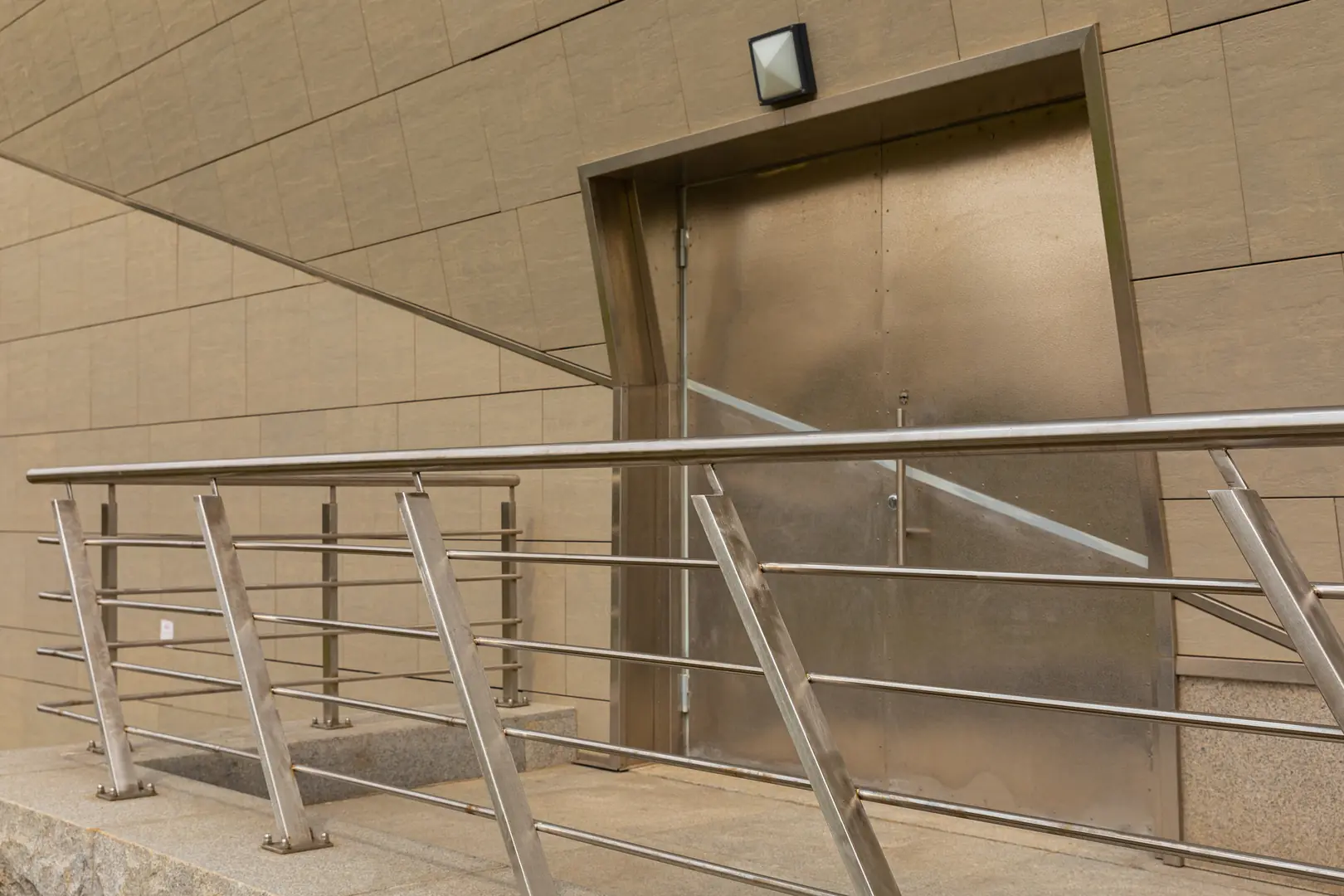
Architects and designers are also increasingly specifying stainless steel bars. They use them for everything from sleek, modern balustrades and handrails to intricate facade elements. The clean finish and minimal maintenance make it a preferred material for public spaces and high-end commercial buildings. Here, the material is chosen not just for its strength, but for its beauty and ability to convey a sense of modern, durable quality.
What are the challenges in selecting the right stainless steel bar?
Choosing the correct grade of stainless steel can seem complex. Making the wrong choice can lead to costly corrosion, mechanical failure, and project delays. Understanding the key environmental and mechanical factors simplifies the decision.
The main challenges include matching the stainless steel grade (e.g., 304, 316) to the specific corrosive environment, balancing the initial material cost against the long-term performance benefits, and ensuring a consistent and reliable supply chain for the required specifications.
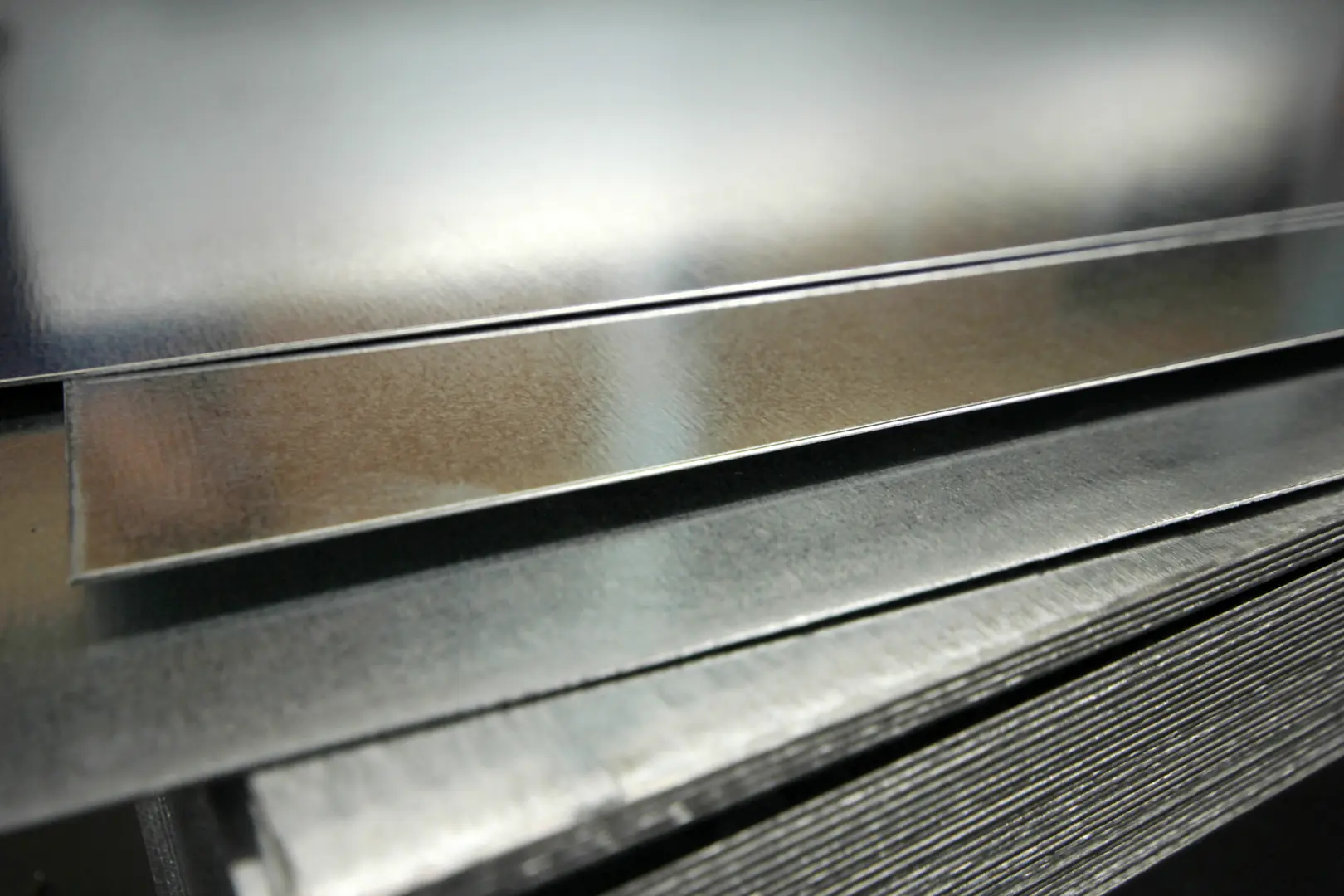
This is where deep industry knowledge becomes critical. It’s not enough to simply know that "316 is better for salt." You have to understand the nuances of chloride concentrations, operating temperatures, and potential for crevice corrosion[^4]. I often tell my team that our job isn't just to sell steel; it's to prevent our clients from making expensive mistakes. A few years ago, a construction contractor for a coastal hotel project nearly specified grade 304 for the balcony railings to save on initial cost. We intervened and showed them data on how the salt spray would cause tea-staining and pitting within a few years. By investing a little more upfront in grade 316, they avoided the massive future cost of replacement and reputational damage.
Environmental Factors vs. Grade
The single most important decision is choosing the right grade. You must analyze the service environment. Will the bar be exposed to saltwater, industrial chemicals, or high humidity? Each scenario demands a different level of corrosion resistance.
| Grade | Key Alloying Element | Best For | Avoid In |
|---|---|---|---|
| 304 | 18% Cr, 8% Ni | General purpose, food/beverage, fresh water | Coastal areas, high-chloride environments |
| 316 | 16% Cr, 10% Ni, 2% Mo | Marine, chemical processing, medical implants | Highly acidic or high-temperature applications |
| 430 | 17% Cr (Ferritic) | Indoor decorative, automotive trim | Structural or load-bearing applications |
Cost vs. Performance
The second challenge is the budget. While stainless steel may have a higher initial cost than carbon steel, its lifecycle value is often far superior. You must factor in the costs of maintenance, repair, and replacement that are avoided by using a durable, corrosion-resistant material from the start.
How can you overcome material selection challenges?
Making the right material choice can feel daunting. This uncertainty can stall projects and create risk. A strategic, partnership-based approach is the best way to ensure success and confidence.
Overcome selection challenges by consulting with material specialists, conducting a thorough analysis of the application's environment, and partnering with an integrated supplier who can provide technical guidance, consistent quality, and a reliable supply chain. Don't make the decision in isolation.
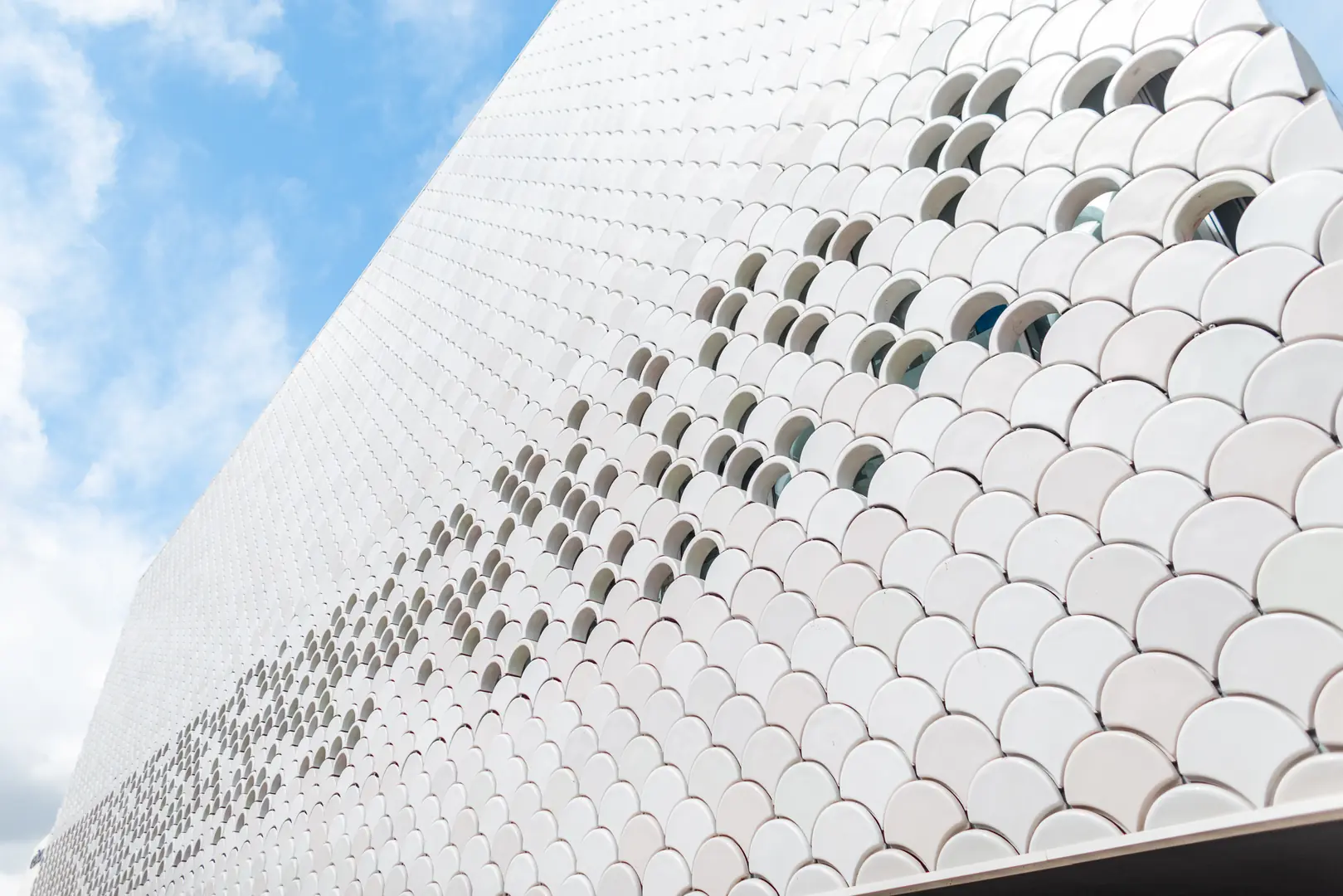
The best way to de-risk your material selection is to leverage expertise. At MFY, we see ourselves as partners, not just vendors. Our technical teams work directly with our clients' engineers to understand the precise demands of their projects. We don't just take an order for "10 tons of 316 round bar"; we ask why they need it and what they hope to achieve. This collaborative process ensures the material is perfectly matched to the application. It transforms the procurement process from a simple transaction into a strategic decision that adds long-term value. This approach builds trust and, more importantly, it builds better, safer, and more durable products and structures for everyone.
A Partnership Approach
Don't go it alone. Your material supplier should be a source of technical knowledge. A good partner will ask probing questions about your project to guide you to the optimal solution. They should be able to provide material certifications, performance data, and case studies to support their recommendations. This is a core part of our philosophy at MFY. We believe an informed customer is our best customer, because they understand the value we bring beyond just the steel itself.
Define and Test
Before committing to a large order, clearly define all the requirements. This includes not only the corrosive environment but also the mechanical loads, temperature range, and fabrication methods (e.g., welding, machining). If you are working on a novel application, consider prototyping with a small batch of material to test its performance in real-world conditions. This "test before you invest" strategy can save you from major headaches down the line.
How can you optimize stainless steel bars in engineering projects?
Just choosing the right bar isn't enough to guarantee success. Poor implementation during design and fabrication can waste material, compromise performance, and increase costs. Smart engineering is the key.
Optimize the use of stainless steel bars by designing for manufacturability, using correct fabrication techniques such as proper welding practices, and considering the total lifecycle cost. Focus on minimizing waste during cutting and avoiding contamination that could compromise corrosion resistance.

This is where engineering excellence meets practical application. True optimization is about efficiency at every stage. It's about designing a component so it can be made from a standard bar size to minimize scrap. It's about using the right cutting tools and welding rods to maintain the steel's properties. I've seen projects where a perfect material choice was undermined by poor fabrication. For example, using tools contaminated with carbon steel can embed iron particles into the stainless surface, leading to unexpected rust spots. That's why we always provide our clients with fabrication guidelines. Helping them succeed in their workshop ensures the final product lives up to the potential of the material we supplied.
Smart Fabrication
Fabrication is where the material's properties can be either preserved or degraded. Proper handling and techniques are non-negotiable.
| Do's | Don'ts |
|---|---|
| Do use dedicated tools for stainless steel. | Don't use tools previously used on carbon steel. |
| Do use the correct filler metal for welding. | Don't overheat the material during cutting/welding. |
| Do clean and passivate welds after fabrication. | Don't allow grinding sparks to land on the surface. |
Lifecycle Cost Analysis
Finally, think beyond the purchase price. A truly optimized project considers the total cost of ownership. A slightly more expensive stainless steel grade that requires zero maintenance for 30 years is far more economical than a cheaper alternative that needs to be inspected, repaired, or replaced every five years. This long-term perspective is the hallmark of smart, sustainable engineering.
Conclusion
Stainless steel flat and round bars are far more than simple commodities. They are the foundational components of modern, resilient, and sustainable industry. Their proper selection and application are critical for any project's success, ensuring safety, longevity, and long-term value for a forward-thinking world.
Have Questions or Need More Information?
Get in touch with us for personalized assistance and expert advice.


 English
  Русский