How to Check the Quality of China Stainless Steel Coil/Sheet? 5-Point Expert Inspection
Sourcing steel from overseas can feel uncertain. Substandard material can cause project failures and damage your reputation. This 5-point inspection framework empowers you to verify quality and invest with confidence.
To check the quality of China stainless steel coil/sheet, conduct a 5-point inspection. This includes verifying industry standards, performing a visual check for defects, measuring thickness and tolerance, analyzing chemical composition, and evaluating mechanical properties. This ensures reliability and performance for your projects.
As the Global Business Director at MFY, I've seen firsthand how a disciplined approach to quality assurance can make or break a project. The global demand for high-quality stainless steel is rising, and China is a major player in this market. But how can you be sure you're getting the quality you need? It’s simpler than you think. It comes down to a systematic process that mitigates risk and builds trust. Let's walk through the five essential steps I use to ensure every coil and sheet we export meets the highest standards.
What are the key industry standards for stainless steel quality?
Struggling to navigate the alphabet soup of global standards? Choosing the wrong one can lead to compliance failures and material incompatibility. The solution is to focus on the primary international standards.
Key industry standards for stainless steel quality include ASTM (American), EN (European), and JIS (Japanese). These define the chemical composition, mechanical properties, and tolerances required for specific grades like 304, 316L, and 430, ensuring global consistency and interoperability for your projects.
Navigating the complexities of international trade starts with a shared language, and in our industry, that language is standards. Without them, quality is just a subjective term. These standards provide a clear, data-driven framework that aligns expectations between the supplier and the buyer. It's the first and most fundamental checkpoint in our quality assurance process. I remember a client in Germany who almost rejected a shipment because the material certification referenced an ASTM standard, while their internal documents were based on the EN equivalent. We quickly provided a comparison chart to show the materials were functionally identical, but it highlighted how crucial this initial alignment is. At MFY, we are fluent in all major standards because our clients are global. Understanding these benchmarks is not just about compliance; it's about ensuring the material you receive is exactly what you need for your specific application, whether you're in Dubai, São Paulo, or Seoul.
Understanding the Big Three
The world of stainless steel primarily revolves around three main bodies of standards. Knowing what they are and where they apply is your first line of defense.
- ASTM (American Society for Testing and Materials): Widely used in North and South America and referenced globally. For example, ASTM A240 covers specifications for chromium and chromium-nickel stainless steel plate, sheet, and strip.
- EN (European Norms): The standard across the European Union. EN 10088 is the key document that specifies the technical delivery conditions for stainless steel sheets, plates, and strips.
- JIS (Japanese Industrial Standards): The primary standard in Japan and widely respected across Asia. JIS G4304 and G4305 are common standards for hot-rolled and cold-rolled stainless steel plates, sheets, and strips.
Grade Comparison Example
While names may differ, the core properties are often very similar. Here’s a quick look at the popular 304 grade across the standards:
| Standard | Grade Designation | Common Name |
|---|---|---|
| ASTM | 304 | 304 Stainless |
| EN | 1.4301 | 304 Stainless |
| JIS | SUS304 | 304 Stainless |
How can you visually inspect for surface defects?
You might think a small scratch is no big deal. But minor surface flaws can point to bigger problems and lead to corrosion. A careful visual inspection is your first practical quality check.
Visually inspect stainless steel by checking for scratches, rust spots, pitting, and inconsistent finish under good lighting. Look for uniformity in color and texture across the entire coil or sheet. Any deviation from the specified finish (e.g., 2B, BA, No.4) is a red flag.
Before we even bring out the measuring tools, my team and I always start with our eyes. A visual inspection is a fast, effective way to gauge the care taken during production, handling, and shipping. It’s a direct reflection of a supplier’s commitment to quality. Substandard materials often reveal themselves through visible flaws. I once visited a potential partner’s warehouse and noticed inconsistent coloring and fine scratches across several coils designated with a 2B finish. While they assured me it was minor, I knew this indicated poor handling or issues in the final rolling and annealing process. These "minor" issues can compromise the passive layer that protects stainless steel from corrosion. For our clients in industries like food processing or architectural design, a flawless surface isn't just for aesthetics; it's a functional requirement. This is why at MFY, every coil and sheet undergoes a rigorous visual check before it's cleared for export, mitigating these risks before they ever reach our customers.
What to Look For
Grab a flashlight and look closely for these common issues:
- Scratches and Gouges: Can compromise the protective oxide layer.
- Rust Spots: A major red flag indicating contamination, often from contact with carbon steel.
- Pitting: Small holes in the surface that can become sites for localized corrosion.
- Roller Marks: Lines or indentations from the rolling process, indicating equipment issues.
- Inconsistent Finish: The surface should be uniform. A 2B finish should be consistently smooth and moderately reflective, not patchy.
Common Defects and Their Impact
| Defect | Potential Impact |
|---|---|
| Deep Scratches | Weakens corrosion resistance, creates hygiene issues. |
| Pitting Corrosion | Can lead to rapid, localized material failure under stress. |
| Inconsistent Color | Suggests issues with heat treatment or chemical composition. |
| Edge Cracks | Indicates material stress, can propagate during forming. |
Which tools are essential for measuring thickness and tolerance?
Assuming the listed thickness is correct can be a costly mistake. Even tiny deviations can throw off fabrication and assembly processes. The right tools provide the objective data you need to be sure.
Essential tools for measuring stainless steel thickness and tolerance include a digital or analog micrometer and a caliper. These instruments provide precise readings to verify that the material's thickness is consistent across its length and width, and that it falls within the accepted tolerance range.
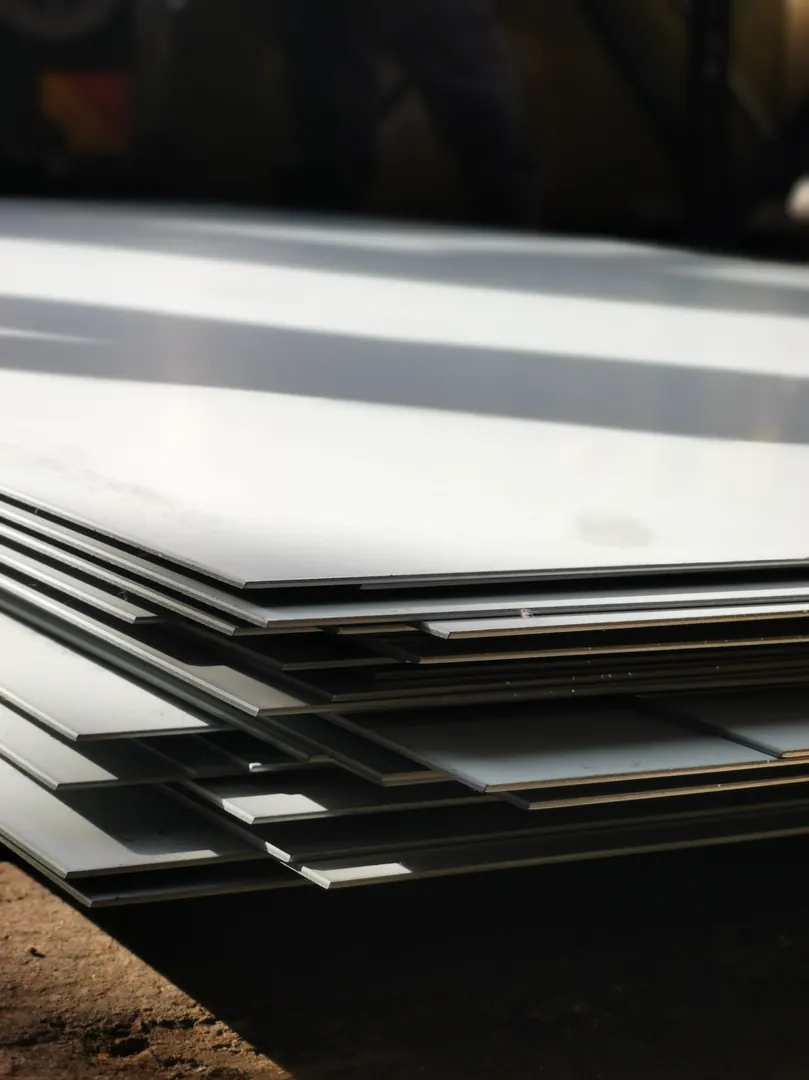
Trust, but verify. This is my motto when it comes to material specifications. A spec sheet is a promise, but precise measurements are proof. Thickness and its consistency—or tolerance—are critical for project integrity. Imagine a contractor fabricating large tanks where the thickness varies even slightly across a sheet. This could create weak points, affect welding quality, and ultimately compromise the entire structure. That’s why we don't just take one measurement. We measure at multiple points: near the edges and in the center of the sheet or coil. This ensures uniformity. Our fully integrated supply chain at MFY gives us a huge advantage here. We have tight control over the entire production process, from melting to final rolling. This allows us to maintain some of the strictest thickness tolerances in the industry, which is a key reason why equipment integrators and high-precision manufacturers partner with us. They know they can rely on our material to perform exactly as specified.
Using a Micrometer Correctly
A micrometer is the go-to tool for this job. For accurate results:
- Zero the Tool: Make sure the micrometer reads '0' when fully closed.
- Clean the Surfaces: Wipe both the micrometer anvils and the steel surface to remove any debris.
- Measure in Multiple Spots: Take readings from the center and at least two edges of the sheet.
- Don't Over-tighten: Turn the thimble until it just clicks to avoid compressing the metal and getting a false reading.
Understanding Tolerance
Tolerance is the permissible limit of variation in a physical dimension. Standards like ASTM A480 define these acceptable ranges.
| Nominal Thickness (mm) | Typical Tolerance (mm) |
|---|---|
| 0.50 - 0.80 | +/- 0.05 |
| 0.81 - 1.25 | +/- 0.06 |
| 1.26 - 2.00 | +/- 0.08 |
| 2.01 - 3.00 | +/- 0.10 |
Why is analyzing chemical composition crucial for quality?
To the naked eye, a 304 sheet and a 316L sheet look identical. But the wrong chemical makeup can lead to catastrophic failure from corrosion. Verifying the alloy composition is non-negotiable.
Analyzing chemical composition is crucial because it verifies the steel's grade and its inherent properties, like corrosion resistance and strength. Key elements like Chromium (Cr) and Nickel (Ni) must be within the specified range to ensure the material performs as expected for its intended application.

The secret to stainless steel's performance is hidden in its DNA—its chemical composition. This is where the material gets its specific properties, whether it's the corrosion resistance of 316L for a marine environment or the formability of 304 for kitchen sinks. A few years ago, a new client in the shipbuilding industry was hesitant to source from China due to past experiences with mislabeled materials. To build trust, we invited them to our facility and demonstrated our inspection process. We used a portable X-ray fluorescence (XRF) analyzer on the exact coils they were ordering. Within seconds, the device confirmed the material was 316L, with the correct percentages of chromium, nickel, and molybdenum. This simple act of transparency secured the deal and turned them into a long-term partner. It proves that verifying the alloy composition isn't just a technical step; it's a cornerstone of building a reliable supply chain. It provides the certainty that the material will stand up to the environment it was designed for.
The Role of Key Alloying Elements
- Chromium (Cr): The most important element. It forms the passive, corrosion-resistant oxide layer on the surface. Typically requires >10.5%.
- Nickel (Ni): Stabilizes the austenitic structure, improving formability, weldability, and toughness.
- Molybdenum (Mo): Significantly increases resistance to pitting and crevice corrosion, especially in chloride-rich environments. This is the key difference between 304 and 316.
Composition Comparison: 304 vs. 316L
| Element | Grade 304 (% by weight) | Grade 316L (% by weight) |
|---|---|---|
| Chromium (Cr) | 18.0 - 20.0 | 16.0 - 18.0 |
| Nickel (Ni) | 8.0 - 10.5 | 10.0 - 14.0 |
| Molybdenum (Mo) | - | 2.0 - 3.0 |
| Carbon (C) | < 0.08 | < 0.03 |
How do you evaluate mechanical properties for performance?
The steel might have the right look and composition, but will it perform under pressure? Without knowing its mechanical properties, you're guessing about its strength and durability. The Mill Test Certificate[^1] holds the answers.
Evaluate mechanical properties by reviewing the supplier's Mill Test Certificate (MTC). Key metrics to check are Tensile Strength (how much it can be pulled before breaking), Yield Strength (the point of permanent deformation), and Elongation (ductility). These determine the material's durability and performance.
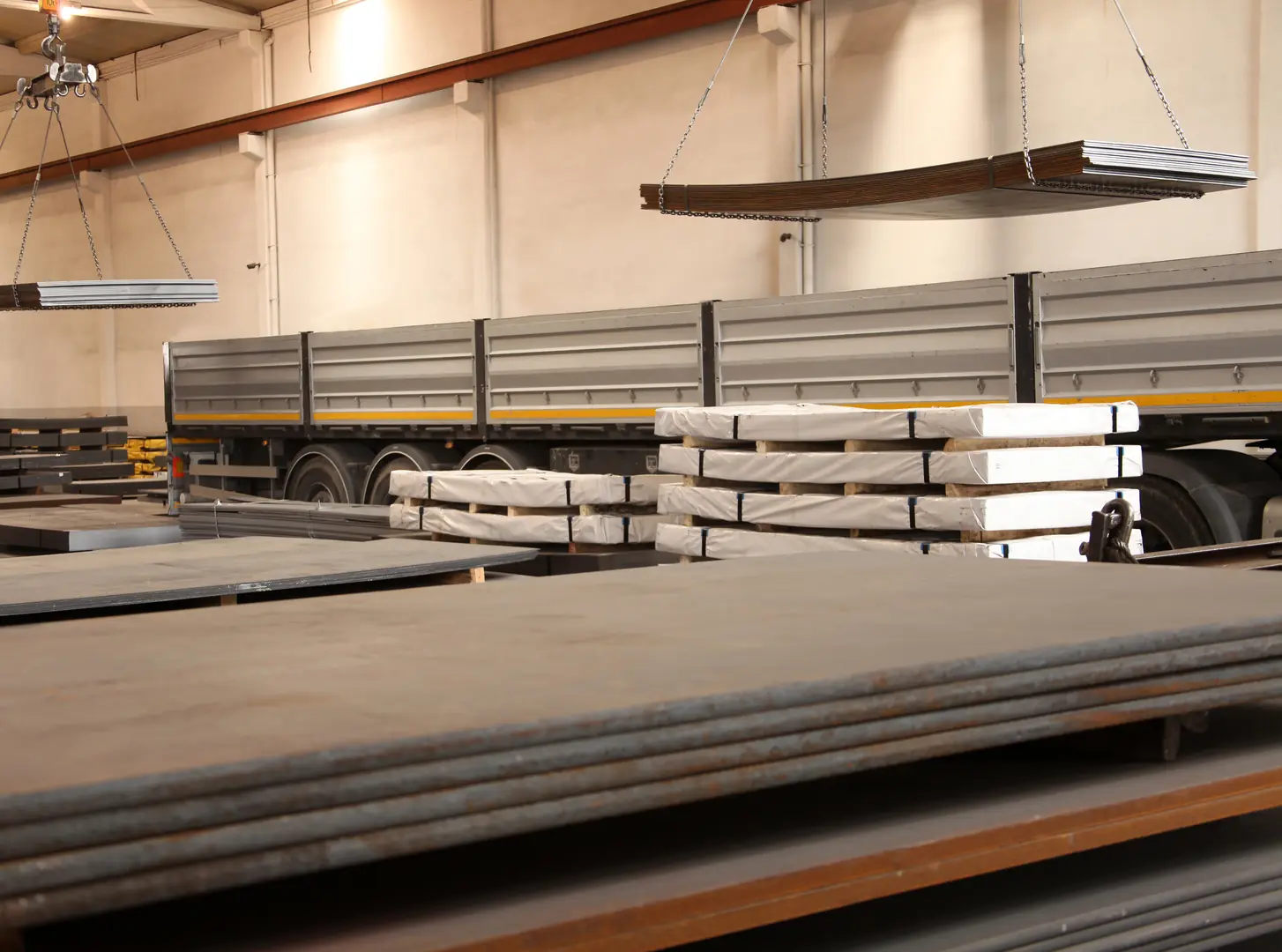
Finally, we arrive at the proof of performance: the mechanical properties. These numbers tell you how the material will behave in the real world—how it will bend, stretch, and respond to stress. Every single shipment that leaves MFY is accompanied by a Mill Test Certificate (MTC). This document is our pledge of quality. It's not just a piece of paper; it's a summary of rigorous testing done on the exact batch of steel you are receiving. It provides the hard data for tensile strength, yield strength, and elongation. For our clients in construction or heavy equipment manufacturing, these values are not negotiable. They are essential for engineering calculations and safety assurances. By providing a comprehensive and accurate MTC, we offer full transparency. It reinforces our commitment to excellence and gives our customers the data they need to build, fabricate, and innovate with total confidence in the materials they are using.
Decoding the Mill Test Certificate (MTC)
The MTC is your material's report card. Look for these three key values:
- Tensile Strength (UTS): The maximum stress a material can withstand while being stretched or pulled before breaking.
- Yield Strength (YS): The stress at which the material begins to deform plastically (permanently). This is often the most critical value for structural engineers.
- Elongation: A measure of the material's ductility. It shows how much the material can be stretched before it fractures, which is vital for forming and stamping operations.
Why These Properties Matter
| Property | Why It's Important | Example Application |
|---|---|---|
| Tensile Strength | Indicates the ultimate load-bearing capacity. | Structural beams, support brackets. |
| Yield Strength | Determines the limit of elastic behavior; crucial for design. | Pressure vessels, automotive frames. |
| Elongation | Measures how much a material can be formed without cracking. | Deep-drawn kitchen sinks, complex automotive parts. |
Conclusion
A systematic 5-point inspection is not just about quality control; it's about securing your supply chain. By verifying standards, visuals, dimensions, chemistry, and mechanics, you build a foundation of reliability and trust with your partners, ensuring long-term success for your projects and business.
Have Questions or Need More Information?
Get in touch with us for personalized assistance and expert advice.

 English
  Русский