
The Distinction Between Rusting and Corroding: A Guide to Corrosion Mitigation
Confusing rust and corrosion leads to costly material failures and project compromises. Understanding the distinction between rusting and corrosion is the first step toward effective mitigation and material longevity.
Rusting is a specific type of corrosion that only affects iron and its alloys, like steel, forming iron oxide. Corrosion is the broader term for the chemical degradation of any metal due to environmental reactions. All rust is corrosion, but not all corrosion is rust.
Hello, I'm Cosmos, Global Business Director at MFY. In my years in the stainless steel industry, I've seen how a simple misunderstanding of these terms can lead to significant financial and structural problems. This isn't just about semantics; it's about making informed decisions that protect your investments and ensure the safety and durability of your projects. The distinction between rusting and corroding is pivotal for anyone in manufacturing, construction, or engineering. Let's break down what you need to know to build resilient and long-lasting solutions.
How Do Rusting and Corrosion Actually Differ?
The terms are often used interchangeably, creating confusion in material specifications. This can lead to selecting the wrong material for a critical application. Let's clarify the precise chemical differences.
Rusting is the formation of reddish-brown iron oxides specifically on iron or steel. Corrosion is a wider process affecting other metals, like aluminum (forming aluminum oxide) or copper (forming a green patina). The key difference is the specific metal and the resulting chemical compound.
To truly grasp this, we need to look at the chemistry. Rust is a visible signal of a very specific electrochemical process. It’s a chemical conversation between iron, oxygen, and water. When you see that familiar flaky, reddish-brown layer on a piece of steel, you are looking at hydrated iron (III) oxide. This process is unique to iron and its alloys. I remember a client in Southeast Asia who was building coastal infrastructure and specified a general "corrosion-resistant" coating for their carbon steel reinforcements. They didn't realize the high salinity would accelerate the specific process of rusting so aggressively that the coating failed within two years. They treated the problem, not the root cause. This highlights why precision matters. Corrosion, on the other hand, is the parent category. It describes the natural tendency of any refined metal to revert to a more stable chemical state. This can manifest in many ways beyond the red flakes of rust. Think of the dull white powder on old aluminum window frames or the beautiful green patina on a copper roof—that's all corrosion, but it's not rust.
The Chemistry of Rust
Rusting requires three ingredients: iron (the anode), oxygen (the cathode), and an electrolyte (usually water). Electrons flow from the iron to the oxygen, causing the iron to oxidize (lose electrons) and form iron ions. These ions then react with water and oxygen to create iron oxide, or rust. This new material is brittle and expands, which can cause further stress and damage to the metal structure.
The Broader Scope of Corrosion
Corrosion is a much wider field. It includes uniform attack, where the entire surface degrades, as well as more insidious forms like pitting corrosion[^1] (small, deep holes) and galvanic corrosion[^2], which occurs when two different metals are in electrical contact in the presence of an electrolyte. Understanding these different forms is critical for engineers designing complex systems where multiple metals are used.
| Feature | Rusting | General Corrosion |
|---|---|---|
| Affected Metals | Iron and its alloys (e.g., steel) | All metals (e.g., aluminum, copper, zinc) |
| Chemical Process | Oxidation of iron | Oxidation of any metal |
| Appearance | Reddish-brown, flaky, brittle | Varies: white powder, green patina, etc. |
| Common Example | A rusted chain-link fence | A tarnished silver spoon |
Why Do Metals Rust and Corrode in the First Place?
Metals naturally degrade when exposed to the elements. This degradation is a constant, costly battle for engineers and asset managers. Understanding the environmental triggers is the first step to prevention.
Metals corrode and rust because they are in an unstable, refined state and tend to revert to their more stable, natural ore form. This electrochemical process is triggered by exposure to an electrolyte, most commonly oxygen and water, which facilitates the transfer of electrons.
At its core, corrosion is a story of thermodynamics. Metals in their pure, usable forms—like a steel beam or an aluminum sheet—are in a high-energy state. Nature prefers a state of lower energy. The ores from which these metals are extracted (like iron ore) are in that lower, more stable state. So, when a refined metal is exposed to the environment, it will naturally try to return to that stable ore form. This is the fundamental driver behind all corrosion. At MFY, we deal with clients across the globe, from the humid climates of Brazil to the industrial zones of Germany. We see firsthand how different environments act as catalysts for this natural process. It's not a matter of if a vulnerable metal will corrode, but when and how fast. The environment provides the necessary ingredients, primarily water and oxygen, to complete the electrochemical circuit that allows the metal to degrade.
The Role of the Environment
The environment is the biggest factor in the rate of corrosion. A piece of steel will last for centuries in a dry desert but might rust away in just a few years in a marine environment. The key culprits are moisture and oxygen. Water acts as the electrolyte, a medium that allows ions to move and the electrochemical reaction to occur. Without it, the process slows dramatically.
Accelerating Factors
Several other environmental factors can speed up corrosion significantly. These are critical considerations during the material selection phase of any project. Ignoring them is a recipe for premature failure.
| Factor | Impact on Corrosion Rate |
|---|---|
| Moisture / Humidity | Essential for the electrochemical reaction. Higher humidity equals faster corrosion. |
| Salinity (Salt) | Saltwater is a much better electrolyte than freshwater, dramatically accelerating rust. |
| Pollutants (e.g., SO2) | Industrial pollutants can create acid rain, which attacks the metal surface. |
| Temperature | Generally, higher temperatures speed up chemical reactions, including corrosion. |
How Does Degradation from Rust and Corrosion Impact Material Integrity?
Surface rust is often dismissed as a simple cosmetic issue. But this is a dangerous assumption. It signals a deeper, structural threat that can compromise safety and performance.
Corrosion and rust reduce a metal's thickness, leading to a loss of mechanical strength, ductility, and load-bearing capacity. This can cause catastrophic structural failures, equipment malfunctions, and leaks in pipelines, posing significant safety risks and incurring massive financial losses.

Rust is more than just an ugly stain; it's a visible indicator of a material transforming into something weaker. Unlike the base metal, rust is brittle and porous. It doesn't have the tensile strength or ductility of steel. As the rust layer forms and flakes off, it exposes fresh metal underneath to the corrosive environment, and the process continues, eating away at the material's cross-section. I once visited a food processing plant where a small, persistently rusted carbon steel support beam was ignored for years. Eventually, it failed under load, causing a production line to collapse. The cost of downtime and repairs was astronomical, all because rust was treated as an aesthetic problem rather than the critical structural warning it was. This is why, in industries from construction to manufacturing, understanding the physical impact of corrosion is non-negotiable. It directly affects the safety of people and the financial health of the business.
Beyond the Surface: Structural Weakening
The primary impact of corrosion is the loss of material, which directly translates to a loss of strength. For a bridge, a building, or a pressure vessel, this reduction in thickness can be catastrophic. The danger is often hidden. Pitting corrosion, for example, can create deep, narrow holes that are hard to detect visually but can punch right through a pipe or tank wall, leading to leaks of hazardous materials.
The Financial and Safety Toll
The consequences of failing to manage corrosion are severe. They go far beyond the cost of replacing a part. Unplanned shutdowns, product contamination (a major issue in food and pharmaceutical industries), and environmental damage from leaks all contribute to the enormous financial burden. Most importantly, structural failures caused by corrosion can lead to injury and loss of life.
| Impact | Affected Industries |
|---|---|
| Reduced Structural Strength | Construction, Infrastructure, Automotive |
| Equipment Failure & Downtime | Manufacturing, Energy, Mining |
| Product Contamination | Food & Beverage, Pharmaceuticals |
| Safety Hazards (Leaks/Failures) | Oil & Gas, Chemical Processing |
What Are the Most Effective Solutions to Prevent Rust and Corrosion?
Protecting valuable metal assets from degradation is a constant challenge. Choosing the wrong strategy wastes time, money, and resources. Let's explore the proven methods for effective corrosion prevention.
Effective solutions include selecting corrosion-resistant alloys like stainless steel, applying protective coatings (paint, powder coating), galvanizing (zinc coating), and using cathodic protection. The best method depends on the material, environment, and desired lifespan.
The most effective way to fight a fire is to prevent it from starting. The same logic applies to corrosion. While there are many ways to treat corrosion after it has begun, the most strategic and cost-effective approach is to choose the right material from the outset. This is where we at MFY focus our expertise. By selecting a material that is inherently resistant to the specific corrosive environment it will face, you design durability directly into the product or structure. This is the fundamental advantage of using stainless steel. Its chromium content forms a passive, self-healing oxide layer[^3] that protects the iron from the electrochemical reactions that cause rust. Instead of applying a temporary barrier like paint, you are using a material with built-in, long-lasting protection. Of course, this isn't the only solution, and the best strategy often involves a combination of methods tailored to the specific application.
Material Selection: The First Line of Defense
Choosing an alloy designed for the environment is paramount. For general atmospheric exposure, a 304-grade stainless steel might be sufficient. For a marine or chemical processing environment, a more robust grade like 316, with added molybdenum for enhanced pitting resistance, is often required. This proactive choice minimizes future maintenance and replacement costs.
Surface Treatments and Coatings
For materials like carbon steel, a barrier between the metal and the environment is necessary. This can be achieved through various methods, each with its own strengths. Galvanizing, for example, coats steel with zinc. The zinc acts as both a physical barrier and a sacrificial anode[^4], corroding preferentially to protect the steel underneath.
| Prevention Method | Pros | Cons | Best Use Case |
|---|---|---|---|
| Stainless Steel | Inherent protection, self-healing, long life | Higher initial cost | Harsh environments, hygiene-critical apps |
| Galvanizing | Excellent protection, sacrificial action | Can be damaged by abrasion | Outdoor structural steel, fasteners |
| Painting / Coating | Low cost, decorative, easy to apply | Requires reapplication, easily damaged | General protection, non-critical apps |
| Cathodic Protection | Protects large, immersed structures | Requires power source, complex design | Pipelines, ship hulls, storage tanks |
What Are the Best Practices for Long-Term Corrosion Mitigation?
A one-time fix or a single coat of paint is not enough for long-term assets. Neglecting ongoing maintenance and a holistic strategy leads to premature and costly failure.
Best practices for long-term mitigation involve a holistic strategy: proper material selection from the start, designing to minimize moisture traps, implementing a regular inspection and maintenance schedule, and controlling the operational environment (e.g., humidity control) wherever possible.
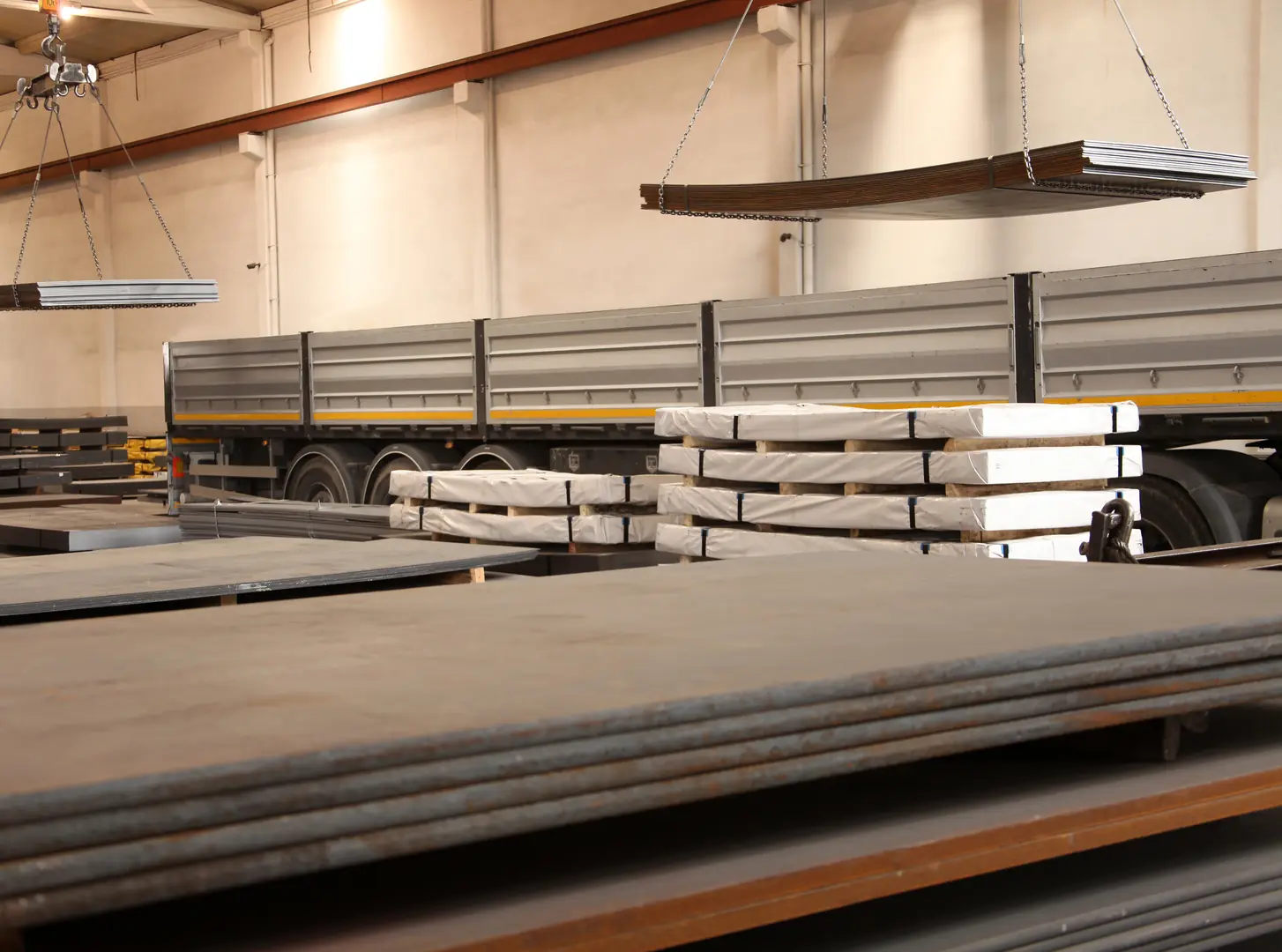
A truly effective corrosion mitigation strategy is not a product you buy; it's a process you implement for the entire lifecycle of an asset. It begins on the drafting table and continues until the structure is decommissioned. The goal is to think proactively, not reactively. As a supplier, we see our role as more than just delivering stainless steel coils or pipes. We see ourselves as partners in our clients' long-term success. We advise them on how to design their systems to avoid common corrosion pitfalls. For example, designing a structure to eliminate crevices or low points where water can collect and stagnate can be just as important as the material it's made from. This proactive mindset, which combines smart design with the right materials and a robust maintenance plan, is what separates long-lasting, low-cost assets from those that are a constant drain on resources.
Design for Durability
The design phase is the most cost-effective time to address corrosion. Engineers should aim to:
- Avoid Crevices: Design joints and connections to be fully welded or sealed to prevent moisture from getting trapped.
- Ensure Drainage: All horizontal surfaces should have a slight slope to allow water to run off easily.
- Isolate Dissimilar Metals: Use non-conductive gaskets or washers to prevent galvanic corrosion when different metals must be in contact.
The Power of Proactive Maintenance
No system is perfect, so a plan for regular monitoring is essential. This creates a feedback loop that ensures the long-term integrity of the asset.
| Mitigation Plan Step | Action Required |
|---|---|
| 1. Initial Risk Assessment | Identify potential corrosion threats based on environment and material. |
| 2. Material Specification | Select the appropriate corrosion-resistant alloy (e.g., specific stainless steel grade). |
| 3. Design Review | Check designs for features that could trap moisture or promote corrosion. |
| 4. Protective System | Apply any necessary coatings or cathodic protection systems correctly. |
| 5. Scheduled Inspections | Implement a regular visual and non-destructive testing schedule. |
| 6. Maintenance & Repair | Clean surfaces regularly and repair any damaged coatings or components promptly. |
Conclusion
Understanding that rust is a specific type of corrosion is more than academic; it's a crucial business insight. This knowledge drives better material selection, smarter design, and proactive maintenance, safeguarding assets and ensuring safety. The key is to invest in a long-term strategy, not just a short-term fix.
Have Questions or Need More Information?
Get in touch with us for personalized assistance and expert advice.


 English
  Русский