Industrial Rust Remediation: Techniques for Permanent Stainless Steel Protection
Rust threatens your valuable stainless steel assets. This corrosion compromises structural integrity and value. Our industrial remediation techniques offer a permanent solution to protect your investment for the long term.
Permanent stainless steel protection is achieved through a systematic process. This includes accurate damage assessment, meticulous surface preparation, application of advanced removers and inhibitors, and implementing long-lasting protective coatings for future resilience and performance.
As someone who has managed supply chains for critical infrastructure projects globally, I've seen firsthand how corrosion can derail timelines and budgets. This isn't just about cleaning a surface; it's about a strategic process to safeguard the future of essential assets. Let's walk through the key steps my team at MFY and I have perfected to ensure the longevity and reliability of stainless steel in demanding environments.
How do you properly assess the extent of rust damage on stainless steel surfaces?
Unseen corrosion can lead to catastrophic failure. Ignoring the true extent of rust is a costly gamble. A thorough assessment is the critical first step to an effective remediation strategy.
To properly assess rust damage, combine a detailed visual inspection for surface rust with non-destructive testing (NDT) methods like ultrasonic testing. This approach reveals both superficial corrosion and underlying structural weaknesses, ensuring a comprehensive evaluation.

A proper assessment goes far beyond a quick visual check. It’s the foundation upon which the entire remediation strategy is built. In my experience, skipping or rushing this stage is the most common cause of failure. I recall a project in Southeast Asia where a client thought they only had minor surface rust on their coastal facility's pipes. Our initial NDT assessment, however, revealed severe pitting corrosion[^1] that was completely invisible to the naked eye. That early detection saved them from a potential and very expensive system failure. The goal is to understand not just if there is rust, but what type it is and how deep it goes. This diagnostic approach is essential for ensuring the longevity and reliability demanded by modern engineering projects.
Key Assessment Techniques
A two-pronged approach is always best. We start with the obvious and then dig deeper to uncover hidden threats.
- Visual and Microscopic Inspection: This identifies surface-level issues like uniform rust, staining, and crevice corrosion.
- Non-Destructive Testing (NDT): This is where we uncover the real story. These methods assess the material's integrity without causing damage.
| NDT Method | Purpose | Best For |
|---|---|---|
| Ultrasonic Testing (UT) | Measures material thickness to detect thinning from corrosion. | Pipes, tanks, structural beams |
| Radiographic Testing (RT) | Uses X-rays to find internal flaws like pitting and voids. | Welds, complex geometries |
| Eddy Current Testing (ET) | Detects very small surface and near-surface cracks. | Heat exchanger tubes, flat surfaces |
By using these methods, we build a complete picture of the asset's health, allowing us to choose the most effective and cost-efficient remediation path.
What is the best way to prepare stainless steel surfaces for rust remediation?
Applying treatments to a dirty or poorly prepared surface is a waste of time and money. Contaminants prevent proper adhesion, and failure is inevitable. Meticulous surface preparation is non-negotiable for lasting protection.
The best preparation involves a multi-stage process. Start with degreasing and cleaning to remove oils and dirt, followed by mechanical or chemical methods like abrasive blasting or acid pickling to create an optimal surface profile for treatment.
Think of surface preparation as laying the foundation for a house. If the foundation is weak, the entire structure will fail. It's the same with protective coatings. The ultimate success of even the most advanced nanocoatings[^2] depends entirely on how well they can bond to the steel. This step is a core part of the modern, cost-effective maintenance solutions that the industry is shifting towards. It ensures that the investment in advanced coatings pays off with maximum life cycle extension. We must create a surface that is not only perfectly clean but also has the right texture, or "profile," for the new coating to grip onto mechanically.
Mechanical vs. Chemical Methods
The choice of method depends on the asset's condition, location, and the type of coating to be applied.
- Mechanical Methods: These use physical force to clean the surface and create a profile. Abrasive blasting (like sandblasting or grit blasting) is the most common. It's highly effective but can be disruptive in operational environments.
- Chemical Methods: These use chemical reactions to remove rust and contaminants. Acid pickling and passivation[^3] are common processes that not only clean the surface but also help restore stainless steel's natural corrosion-resistant layer.
| Preparation Method | Advantage | Disadvantage |
|---|---|---|
| Abrasive Blasting | Creates an excellent surface profile for adhesion. | Can be dusty and is labor-intensive. |
| High-Pressure Water Jetting | Dust-free and environmentally friendly. | May not create a deep enough profile for some coatings. |
| Acid Pickling | Removes all scale and rust; passivates the surface. | Requires careful handling and disposal of chemicals. |
Proper preparation is not a cost; it is an investment in the performance and longevity of the final protective system.
How should you apply industrial-grade rust removers and inhibitors?
Using the wrong product can cause more damage than the rust itself. Applying it incorrectly negates its benefits entirely. Proper selection and application of removers and inhibitors are critical for a successful outcome.
Apply industrial-grade rust removers according to manufacturer specifications, often using brushing or spraying. After removal, neutralize the surface and apply a corrosion inhibitor to prevent flash rusting before the final protective coating is added.
The application stage is where science meets practice. It's crucial to understand the difference between removers and inhibitors. Rust removers are typically acid-based solutions designed to dissolve existing corrosion. Inhibitors, on the other hand, are designed to form a protective chemical barrier on the clean steel surface to prevent new rust from forming, especially "flash rust" that can appear on a freshly prepared surface exposed to humidity. As the industry moves towards more sustainable practices, driven by environmental regulations, we're seeing a welcome shift towards more eco-friendly, low-VOC (volatile organic compound) products. Choosing these newer formulations not only helps with compliance but also improves worker safety.
Application Best Practices
Following a strict protocol is essential for safety and effectiveness.
- Product Selection: Choose a remover that is appropriate for the specific grade of stainless steel and the type of corrosion. A product that is too aggressive can etch and damage the underlying metal.
- Safety First: Always use the recommended personal protective equipment (PPE), including gloves, goggles, and respirators. Ensure proper ventilation in the work area.
- Follow Instructions: Adhere strictly to the manufacturer's guidelines for dilution, application method (brush, spray, dip), and dwell time. Leaving a remover on for too long can be as bad as not leaving it on long enough.
- Neutralize and Rinse: After the rust is removed, the surface must be thoroughly rinsed and neutralized to stop the chemical reaction. Any remaining acidic residue will cause premature failure of the new coating.
- Inhibit Immediately: Apply the corrosion inhibitor to the clean, dry surface as soon as possible to protect it until the final coating is applied.
This disciplined approach ensures the steel is in the optimal state to receive its long-term protection.
What protective coatings are best for long-term rust prevention?
Remediation is only a temporary fix without robust protection. The rust will simply return, wasting all your time and effort. A high-performance protective coating is the key to achieving a truly permanent solution.
For long-term prevention, advanced protective technologies are best. These include nanocoatings, ceramic-epoxy coatings, and electrochemical treatments that provide a durable, impenetrable barrier against corrosive elements, significantly extending the asset's life cycle.

This is where the most exciting innovations are happening. For years, the industry relied on traditional epoxy or polyurethane paints. While effective, they have limitations. Today, the demands of massive infrastructure projects for 50+ year life cycles have pushed us toward a new generation of protective technologies. At MFY, we are deeply involved in this strategic shift. Advanced coatings do more than just cover the steel; they chemically bond with it to create a new, high-performance surface. This is a direct response to the need for more durable, cost-effective, and sustainable solutions that can withstand the most aggressive environments on earth, from offshore oil rigs to chemical processing plants.
The Rise of Advanced Protective Technologies
The market is moving beyond simple barrier coatings to "smart" surface modification techniques.
- Nanocoatings: These use particles at the molecular level to create an incredibly dense, smooth, and non-porous surface. This barrier is virtually impenetrable to water and corrosive agents like chlorides.
- Electrochemical Treatments: Processes like anodizing or electropolishing alter the surface of the stainless steel itself, enhancing its natural passive layer to make it significantly more corrosion-resistant.
| Coating Type | Durability | Environmental Resistance | Cost |
|---|---|---|---|
| Traditional Epoxy | Good | Good | Medium |
| Polyurethane | Very Good (UV resistant) | Very Good | Medium-High |
| Nanocoating | Excellent (Abrasion resistant) | Excellent | High |
Investing in these advanced systems ensures that the remediation work is not just a repair, but a long-term upgrade that enhances the material's performance and value for decades.
How do you monitor and maintain stainless steel surfaces post-remediation?
The job isn't finished after the final coat is applied. Neglect can undo all of your hard work. A proactive monitoring and maintenance plan ensures the longevity and return on investment you paid for.
Post-remediation monitoring involves regular visual inspections and periodic NDT checks on critical areas. Maintenance includes routine cleaning to remove corrosive deposits and immediate touch-ups of any coating damage to prevent new corrosion from starting.
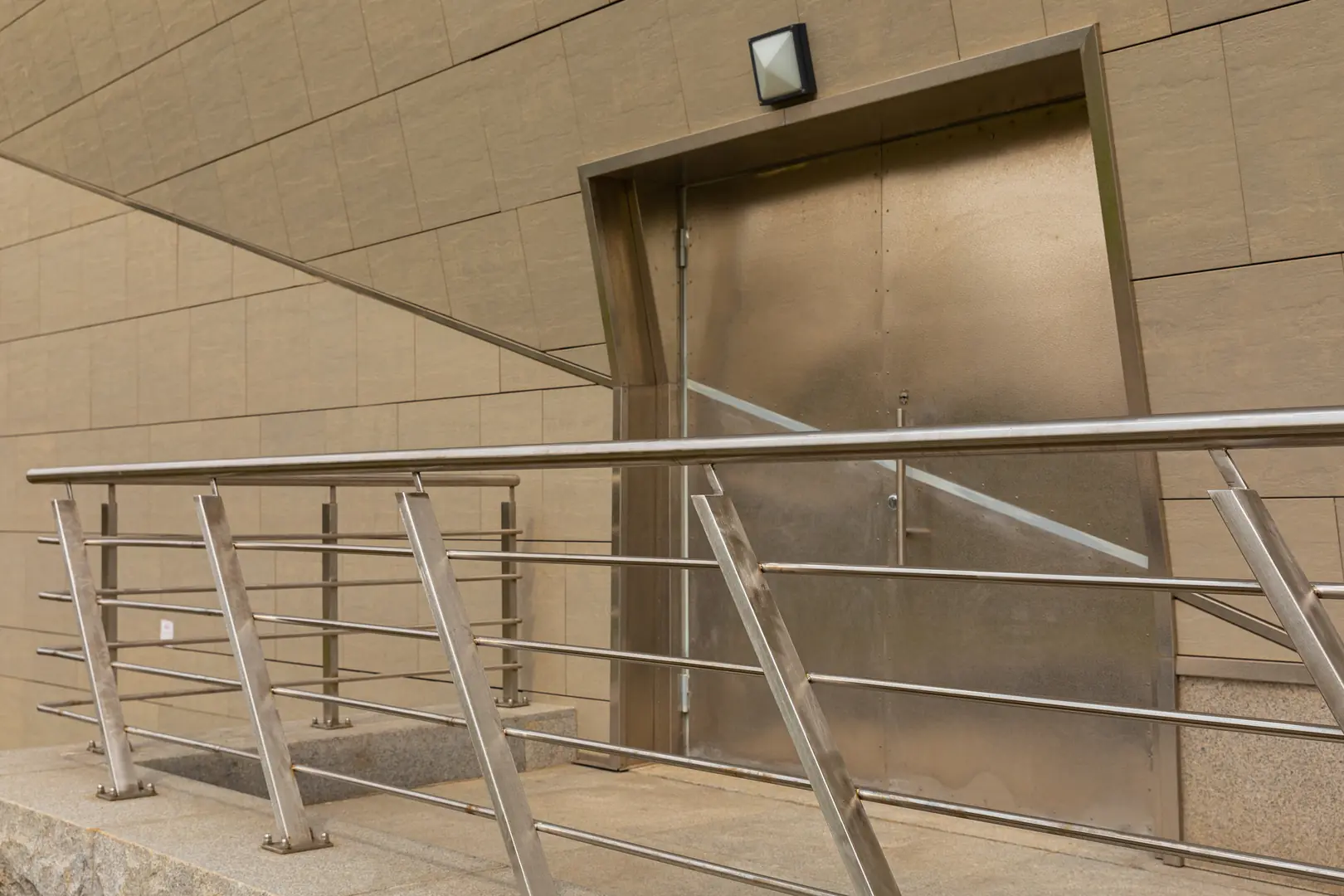
We must treat asset protection as a continuous life cycle, not a one-time event. Establishing a simple, repeatable monitoring plan is the most cost-effective way to guarantee the performance of the protective system. It allows you to catch small problems before they become big, expensive ones. For our clients with large-scale facilities, we help develop a monitoring schedule that prioritizes high-risk areas—such as welds, coastal exposures, or chemical splash zones. This proactive approach is fundamental to modern asset management and is often a requirement for meeting international standards and regulations. It ensures the reliability of the infrastructure and provides predictable maintenance budgets, which is something every manager I speak with values highly.
Building a Proactive Maintenance Plan
A simple checklist can make all the difference.
- Routine Cleaning: Regularly washing down surfaces, especially in marine or industrial environments, removes salt and chemical deposits that can break down coatings over time.
- Scheduled Inspections: A formal schedule for visual checks ensures nothing is missed.
- Immediate Repairs: Touching up any scratches, chips, or damage to the coating as soon as it's discovered is critical. This prevents moisture from getting under the coating and starting corrosion.
| Frequency | Action | Focus Area |
|---|---|---|
| Quarterly | Visual Inspection & Cleaning | All accessible surfaces |
| Annually | Detailed Inspection (close-up) | Welds, joints, high-wear areas |
| Every 3-5 Years | NDT Spot Checks | Critical structural components |
This simple rhythm of care ensures that your stainless steel assets remain protected and perform reliably for their entire designed lifespan.
Conclusion
True rust remediation is a strategic process, not a quick fix. By combining thorough assessment, meticulous preparation, and advanced protective coatings, you can transform vulnerable assets into durable, long-lasting components, securing the future of your infrastructure and your investment.
Have Questions or Need More Information?
Get in touch with us for personalized assistance and expert advice.
 English
  Русский