
Targeting Pitting: How to Deal with Localized Stainless Steel Rust Spots
Seeing rust on stainless steel is alarming. This localized corrosion can compromise structural integrity. Here’s how to effectively identify, treat, and prevent these critical pitting issues.
Dealing with localized stainless steel rust involves identifying the cause, typically chloride exposure, treating the spot by cleaning and passivation, and implementing preventative measures like proper material selection and regular maintenance to ensure long-term integrity and performance.
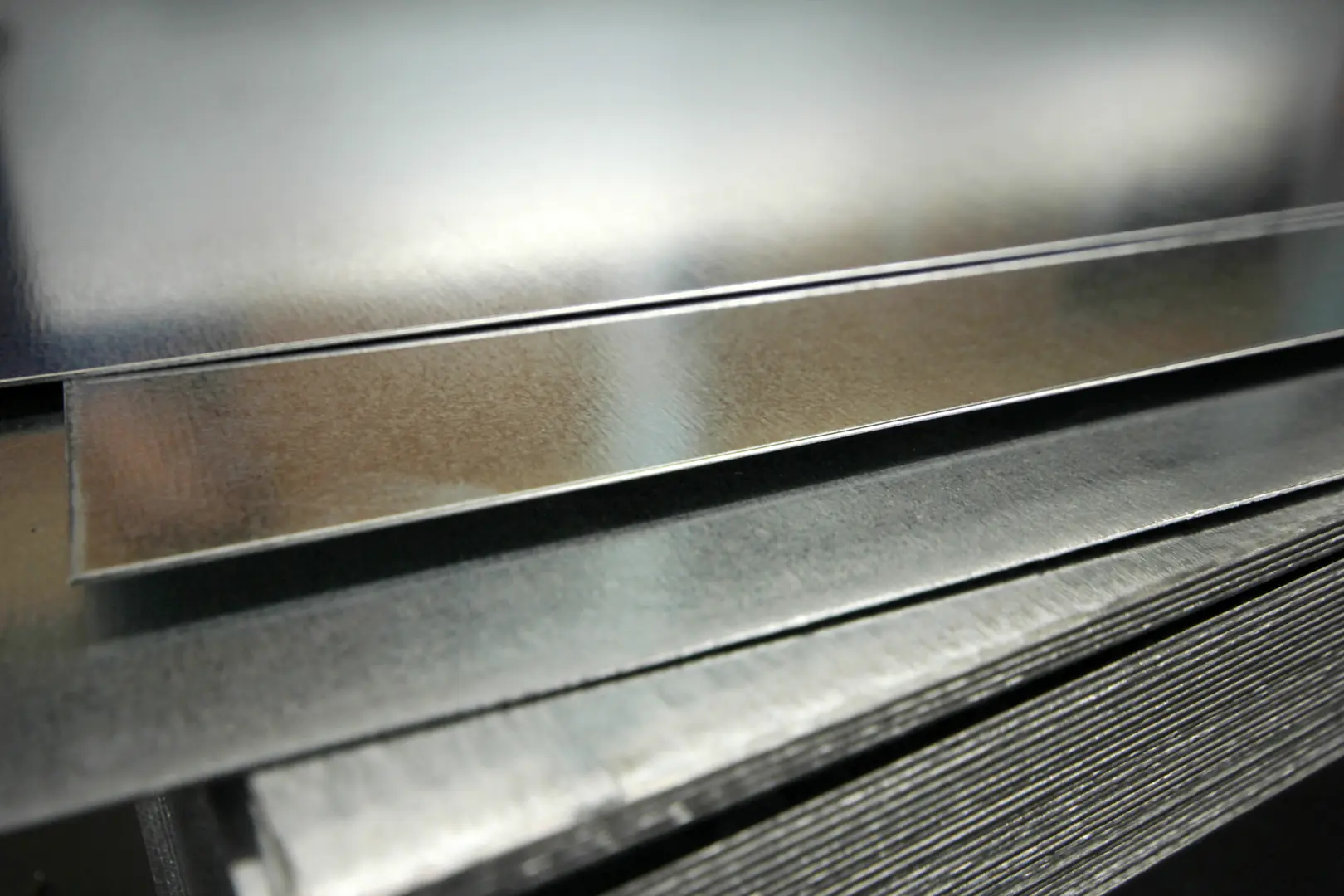
Those small, seemingly minor rust spots are often a symptom of a much larger problem. As the Global Business Director at MFY, I’ve seen how these issues can escalate if they aren't understood and addressed correctly. The integrity of your entire project can depend on how you handle these tiny points of failure. Let's break down what's really happening and how you can protect your assets for the long term.
What causes pitting corrosion in stainless steel?
You chose stainless for its corrosion resistance. Yet, you see tiny rust pits forming. This breakdown of the protective layer can be frustrating and costly.
Pitting corrosion in stainless steel is primarily caused by a localized breakdown of its passive film, most often due to exposure to chloride ions found in marine environments, de-icing salts, and certain industrial chemicals. Material defects can also create vulnerabilities.
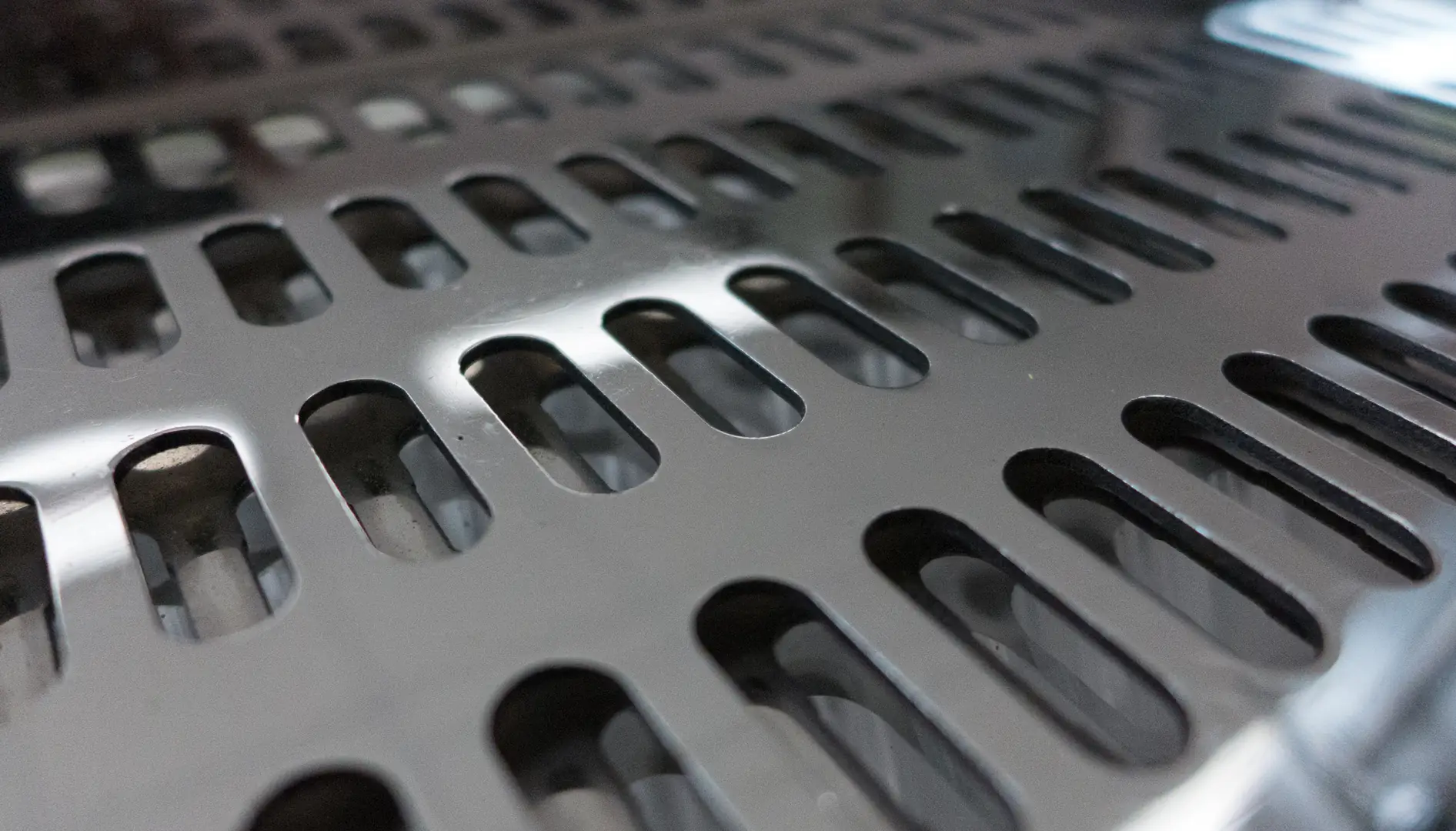
At MFY, we often explain to our clients that stainless steel isn't "stain-proof"—it's "stain-less." Its resilience comes from a thin, invisible passive layer of chromium oxide. When this layer is compromised in a very small area, and it can't repair itself, pitting begins. The core issue is that this form of corrosion can penetrate deep into the material very quickly, while the surface damage looks minimal. It's an insidious threat. I've seen this firsthand in both the petrochemical and marine industries, where the combination of high-stakes operations and harsh environments creates a perfect storm for pitting. A small oversight in material selection can lead to significant operational risks down the line. The fundamental drivers are a combination of external aggressors and internal weaknesses.
Environmental Triggers
The most common culprit is the chloride ion (Cl-). It's aggressive and widespread, found in seawater, road salt, and even in some industrial process fluids. These ions attack the passive layer, creating a tiny anode. The process then accelerates in that small pit, creating an acidic, chloride-rich environment that promotes rapid, localized metal loss. High humidity and temperature act as catalysts, speeding up the entire reaction.
Material and Manufacturing Factors
Not all stainless steel is created equal. The specific alloy composition plays a huge role. For instance, adding molybdenum (as in Grade 316) significantly enhances resistance to chloride pitting. But beyond the alloy, manufacturing defects like non-metallic inclusions or improper heat treatment can create weak spots where the passive layer is vulnerable and corrosion can initiate.
| Factor | Description | High-Risk Environments |
|---|---|---|
| Chlorides | Aggressive ions that break down the passive layer. | Coastal areas, chemical plants, roads with de-icing salt. |
| High Temperature | Accelerates the chemical reaction of corrosion. | Industrial processing, hot and humid climates. |
| Stagnant Solutions | Allows chlorides to concentrate on the surface. | Tanks, pipe crevices, areas under deposits. |
| Material Defects | Inclusions or impurities from manufacturing. | Can be an issue in any application if quality control is poor. |
How does localized rust affect the performance of stainless steel products?
A small rust spot seems insignificant. But ignoring it can lead to catastrophic failure. This hidden danger threatens the safety and lifespan of your equipment and structures.
Localized rust, or pitting, significantly degrades performance by creating stress concentration points that can lead to sudden structural failure, even with minimal material loss. It compromises hygiene in sanitary applications and reduces the overall lifespan of the product.
The most dangerous aspect of pitting corrosion is its deceptive nature. You might see a tiny pinhole on the surface, but underneath, a significant cavity could be forming. This is not just a cosmetic issue; it's a direct threat to structural integrity. The pit acts as a stress riser. Under mechanical load, the stress concentrates at the bottom of that tiny pit, which can then initiate a crack. This crack can propagate rapidly, leading to sudden, unexpected failure of a component that, from the outside, looked perfectly fine. I remember a case with a client in the food processing industry where a small, overlooked pit in a stainless steel tank led to a contamination issue and, eventually, a fatigue crack that forced a costly production shutdown. It was a powerful lesson in how a microscopic problem can have macroscopic consequences.
Structural Integrity Risks
The primary risk is catastrophic failure. Unlike uniform corrosion, which causes a gradual and predictable thinning of the material, pitting removes material in a focused area. This makes it very difficult to predict when failure will occur. A pipe, a structural beam, or a pressure vessel can lose its load-bearing capacity long before any significant weight loss is detected.
Operational and Safety Consequences
Beyond structural failure, pitting has other serious impacts. In industries like pharmaceuticals or food and beverage, the pits can harbor bacteria, making it impossible to properly sanitize equipment. This creates a major compliance and safety risk. In any industry, equipment failure can lead to operational downtime, lost revenue, and, most importantly, potential safety hazards for personnel. This is why at MFY, we emphasize that material selection is not just a technical decision—it's a critical part of risk management.
What methods can be used to identify and assess rust spots on stainless steel?
You suspect corrosion but can't be sure of the extent. Guesswork is risky and expensive. You need reliable methods to assess the damage and plan your response.
Rust spots can be identified through visual inspection for discoloration and pits. For a more thorough assessment, methods like dye penetrant testing (DPT) can reveal surface-breaking defects, while ultrasonic testing (UT) can detect subsurface flaws and material thinning.
Catching pitting corrosion early is the key to preventing major failures. The first line of defense is always a well-trained eye. But because the surface damage can be so small, we often need to rely on more advanced non-destructive testing (NDT) methods to understand the true extent of the problem. Choosing the right method depends on the accessibility of the component and the level of detail you need. For critical applications, we always recommend our clients move beyond simple visual checks and incorporate NDT into their regular maintenance schedules. This proactive approach helps identify vulnerabilities before they become critical failures. It’s about moving from a reactive "fix it when it breaks" mindset to a predictive one that ensures operational resilience and protects the long-term value of the asset.
Simple to Advanced Assessment Techniques
The goal is to find the pits and, more importantly, measure their depth. A simple visual inspection is the starting point, but it can't tell you what's happening below the surface.
Common Identification Methods
- Visual Inspection (VT): The simplest method. Look for the characteristic reddish-brown spots or small pits. A magnifying glass or a simple borescope can help.
- Dye Penetrant Testing (DPT): This is an excellent, low-cost method for finding surface-breaking cracks and pits. A colored dye is applied, and after cleaning the surface, a developer is used to draw the dye out from any defects, making them clearly visible.
- Ultrasonic Testing (UT): This technique uses sound waves to measure the thickness of the material. It is highly effective for detecting internal material loss from pitting, even when the surface opening is tiny. It can help create a "map" of the corrosion damage.
| Method | Best For | Limitations | Cost |
|---|---|---|---|
| Visual Testing (VT) | Initial screening, large pits | Cannot measure depth, misses small pits | Low |
| Dye Penetrant (DPT) | Finding surface-breaking defects | Only works on the surface, requires cleaning | Low-Medium |
| Ultrasonic Testing (UT) | Measuring depth, internal corrosion | Requires a skilled operator, surface must be accessible | Medium-High |
How can pitting corrosion be effectively treated and prevented in stainless steel?
You've found pitting corrosion. Simply cleaning it isn't enough; it will return. You need a strategy that both treats the symptom and prevents its recurrence.
Effective treatment involves mechanically or chemically removing the corroded area, followed by repassivation to restore the protective layer. Prevention is achieved through strategic alloy selection for the specific environment, applying protective coatings, and controlling exposure to corrosive agents.

Prevention is always better than cure. The most robust defense against pitting is a strategic one, starting with the initial design and material selection. I remember a client in the petrochemical sector who was experiencing repeated failures in a piping system. They were using a standard 304 stainless steel in an environment with low but persistent chloride levels. The fix wasn't more frequent repairs; it was a strategic upgrade. We worked with them to analyze the specific environmental conditions and recommended switching to a molybdenum-bearing grade. The failures stopped. This highlights a core philosophy at MFY: we don't just supply material; we provide solutions. A thorough environmental assessment combined with the right alloy formulation is the foundation of a reliable, long-lasting system. It’s about investing in the right solution upfront to avoid much larger costs and risks later.
Immediate Treatment Protocols
Once pitting is identified, you must act.
- Clean: Remove the rust spot and surrounding corrosion products. This can be done mechanically with a stainless steel brush (never carbon steel) or chemically with a pickling paste.
- Restore: The goal is to remove the entire pit. This might require light grinding to ensure all corroded material is gone.
- Repassivate: After cleaning and grinding, the passive layer is gone. You must restore it using a passivating acid (like nitric or citric acid) to rebuild that protective chromium oxide film.
Long-Term Prevention Strategies
Treating a spot is a short-term fix. Long-term reliability comes from prevention.
- Material Selection: This is the most critical step. Use a Pitting Resistance Equivalent Number (PREN)[^1] to select an alloy suitable for your environment. For chloride-rich settings, alloys with higher chromium, molybdenum, and nitrogen are essential.
- Design: Design equipment to eliminate crevices and areas where stagnant solutions can collect and concentrate chlorides. Ensure good drainage.
- Control the Environment: If possible, reduce chloride levels, lower the temperature, or control the pH of the process fluids to make the environment less aggressive.
What are the best practices for maintaining stainless steel to prevent rust formation?
Your stainless steel assets are a major investment. Neglecting maintenance leads to costly repairs. A proactive approach is essential to maximize their lifespan and performance.
Best practices include regular cleaning to remove contaminants, especially chlorides; routine visual inspections for early signs of corrosion; and ensuring the environment remains as dry and clean as possible. Avoid using abrasive materials like steel wool that can damage the passive layer.
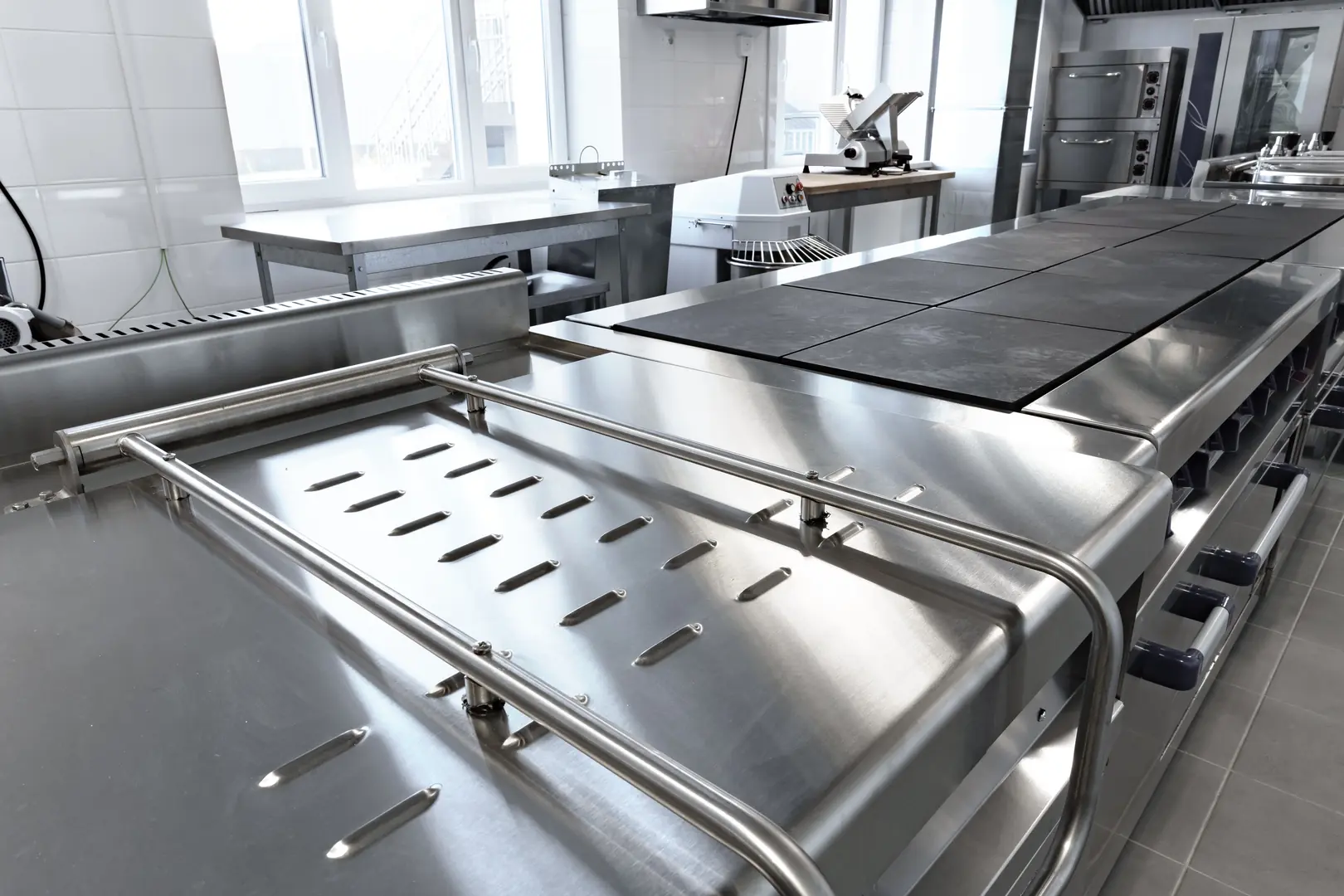
A good maintenance plan is about simple, consistent actions. Think of the passive layer on stainless steel as a shield. The goal of maintenance is to keep that shield clean and intact. Any deposits on the surface—dirt, grime, salt—can trap moisture and chlorides, creating a perfect spot for corrosion to start. Regular cleaning isn't just for appearance; it's a fundamental part of corrosion prevention. The frequency and method of cleaning should be tailored to the environment. A component indoors in a clean office needs very little attention, while a railing on a beachfront property needs frequent rinsing with fresh water. Looking forward, we're seeing a shift towards smarter maintenance. The integration of sensors and real-time monitoring systems will allow for predictive maintenance[^2], empowering operators to address potential issues before any corrosion even begins.
Routine Cleaning and Inspection
A simple but effective maintenance schedule is your best defense.
- Frequent Rinsing: In environments with airborne salts or chlorides, regular rinsing with clean water (low in chlorides) is highly effective.
- Scheduled Cleaning: Use mild detergents and a soft cloth or brush. Always rinse thoroughly with clean water afterward. The goal is to remove surface deposits without damaging the passive film.
- Avoid Contamination: Never use carbon steel tools, brushes, or steel wool on stainless steel. Small iron particles can embed in the surface and become a site for rust to begin.
- Regular Inspection: Incorporate visual checks into your routine maintenance. Look for any signs of discoloration or staining, as these are often the first indicators of a problem.
The Future: Predictive Maintenance
The next evolution in asset protection involves technology. We are moving toward a future where sensors embedded in structures can monitor for corrosive conditions in real-time. This data will allow asset managers to predict when and where corrosion is likely to occur and perform maintenance preemptively. This data-driven approach will save money, reduce downtime, and dramatically improve safety by addressing vulnerabilities before they become threats.
Conclusion
Pitting corrosion is a serious threat, but it is manageable. By understanding its causes, identifying it early, and implementing strategic prevention and maintenance, you can ensure the long-term integrity and reliability of your stainless steel assets.
Have Questions or Need More Information?
Get in touch with us for personalized assistance and expert advice.



 English
  Русский