Does 316L Stainless Steel Plate Deteriorate? Expert Advice for Marine & Chemical Environments
Worried your 316L steel might fail in tough conditions? This uncertainty can risk your project's integrity. We provide the expert advice needed for material longevity and peace of mind.
Yes, 316L stainless steel plate can deteriorate under specific, aggressive conditions. While highly resistant, it is not immune to localized corrosion like pitting or crevice corrosion, especially in high-chloride marine and chemical environments. Proper understanding and maintenance are key.
As the Global Business Director at MFY, I’ve seen firsthand how crucial material selection is for long-term success. Many of our partners in the marine and chemical industries rely on 316L for its reputation as a workhorse alloy. But a reputation isn't a guarantee. The reality is that even the best materials have limits. Understanding these limits is not about doubting the material; it's about empowering you to use it correctly. Let's dive into the specifics so you can protect your investments and ensure operational resilience.
What are the common deterioration concerns for 316L stainless steel plate?
Unseen corrosion can compromise structural integrity. This silent threat causes unexpected failures and costly downtime. Understanding the types of corrosion is the first step to effective prevention.
The primary concerns for 316L are localized corrosion types. This includes pitting corrosion (small holes), crevice corrosion (in tight gaps), and stress corrosion cracking (SCC) under specific tensile stress and environmental conditions.

At MFY, we emphasize that "corrosion resistant" does not mean "corrosion-proof." The distinction is critical. While general corrosion across the entire surface is rare with 316L, localized attacks are the real enemy in harsh environments. I remember a client in the desalination industry who saw premature failure in their piping. The issue wasn't the overall quality of the 316L; it was the design that created tight crevices where seawater could stagnate, leading to aggressive crevice corrosion. This experience highlights why understanding the specific failure modes is so important for engineers and contractors.
Key Corrosion Types Explained
The main threats are insidious because they can progress rapidly while being difficult to detect. Pitting corrosion, for instance, starts as tiny, almost invisible pits on the surface but can quickly penetrate the material's thickness, leading to leaks or structural failure. Crevice corrosion is similar but occurs in shielded areas like under gaskets or bolt heads, where oxygen is depleted and chlorides can concentrate. Finally, Stress Corrosion Cracking (SCC) is a dangerous combination of tensile stress (from manufacturing or operation) and a corrosive environment, which can cause sudden, brittle fractures in a normally ductile material.
Comparing Localized Corrosion Risks
| Тип коррозии | Описание | Common Triggers |
|---|---|---|
| Pitting Corrosion | Formation of small, localized holes on the surface. | High chloride levels, stagnant conditions. |
| Щелевая коррозия | Intense localized corrosion within tight gaps. | Gaskets, bolt heads, surface deposits. |
| Коррозионное растрескивание под напряжением (КРН) | Cracking caused by tensile stress and a corrosive environment. | High temperatures, high chloride levels, applied stress. |
Why does 316L stainless steel perform well in marine and chemical environments?
Choosing the wrong material is an expensive mistake. You need a reliable alloy for harsh settings. 316L's unique composition offers the performance and peace of mind you need.
316L's superior performance comes from its chemical composition. The addition of molybdenum (typically 2-3%) significantly enhances its resistance to chloride-induced corrosion, like pitting, making it ideal for marine and many chemical applications compared to 304 grade.
The secret to 316L's strength lies in its specific alloying elements. While all stainless steels contain chromium, which forms a protective, passive oxide layer on the surface, 316L has a key advantage: molybdenum. This element is a game-changer. It powerfully reinforces that passive layer, making it much more resilient against attacks from chlorides, which are abundant in seawater and many industrial chemicals. The "L" in 316L stands for "low carbon" (less than 0.03%), which further enhances its corrosion resistance, particularly after welding, by preventing the formation of chromium carbides at the grain boundaries. This prevents "weld decay[^1]," a common issue in higher-carbon stainless steels. This careful balance of elements is why we at MFY confidently recommend 316L for so many demanding applications, from offshore oil rigs to chemical processing plants.
The Role of Key Alloying Elements
Each component in the 316L alloy plays a distinct role. Chromium is the foundational element for creating the passive film. Nickel improves the alloy's overall toughness, ductility, and resistance to acids. But it is molybdenum that specifically targets and defeats the chloride ions that cause pitting and crevice corrosion.
316L vs. 304 Composition
This table clearly shows the key difference that gives 316L its edge in marine and chemical settings.
| Элемент | Typical % in 304 Stainless Steel | Typical % in 316L Stainless Steel | Основная функция |
|---|---|---|---|
| Хром (Cr) | 18-20% | 16-18% | Forms passive corrosion-resistant layer. |
| Никель (Ni) | 8-10.5% | 10-14% | Improves toughness and acid resistance. |
| Молибден (Mo) | ~0% | 2-3% | Significantly enhances chloride resistance. |
| Углерод (C) | < 0,08% | < 0.03% | Low carbon prevents weld decay. |
What factors contribute to the deterioration of 316L stainless steel?
Even the best materials can fail. Environmental factors can turn a solid investment into a liability. Knowing these triggers helps you control your operational risks effectively.
Deterioration is driven by a combination of environmental and operational factors. Key contributors include high chloride concentrations, low pH (acidic conditions), elevated temperatures, stagnant or low-oxygen conditions, and poor fabrication or design creating crevices.
The performance of 316L is a dynamic interplay between the material's inherent properties and its service environment. It’s a mistake to think of its corrosion resistance as a fixed value. For example, the passive layer that protects the steel is stable in many conditions, but it can be broken down. High concentrations of chlorides, like in brine or coastal fog, are aggressive attackers. When you combine this with elevated temperatures, the rate of corrosion can accelerate dramatically. I once consulted on a project where 316L tanks were failing. The chemical they stored was fine at room temperature, but during processing, the temperature rose by 40°C. This increase was enough to push the environment past the steel's resistance threshold, initiating pitting. This is why a full environmental analysis—not just a chemical compatibility check—is essential before finalizing material selection.
Environmental and Operational Triggers
It's crucial to understand that these factors often work together, creating a more aggressive environment than any single factor would alone. A design that allows for stagnant water is a minor issue in a pure water system, but it becomes a major corrosion site in a high-chloride environment.
Key Deterioration Factors and Their Impact
| Фактор | Impact on 316L Stainless Steel | Example Scenario |
|---|---|---|
| High Chloride Concentration | Breaks down the passive layer, initiating pitting and crevice corrosion. | Seawater immersion, de-icing salts, certain chemical processes. |
| Elevated Temperature | Accelerates the rate of all chemical reactions, including corrosion. | Heat exchangers, high-temperature chemical reactors. |
| Low pH / Acidity | Can attack the passive layer, leading to general or localized corrosion. | Acid storage tanks, industrial effluent streams. |
| Stagnant Conditions | Depletes oxygen and allows chlorides to concentrate, promoting crevice corrosion. | Gaps under washers, water tanks with infrequent cycling. |
| Surface Contamination | Deposits of iron or other materials can create galvanic cells, causing localized corrosion. | Grinding dust from carbon steel tools left on the surface. |
How can the longevity of 316L stainless steel in harsh environments be ensured?
Material failure is not an option. You need to guarantee asset lifespan from day one. Proactive strategies are the solution to maximizing your return on investment and operational safety.
Ensuring longevity involves a multi-faceted approach. This includes correct grade selection for the specific environment, proper design to avoid crevices, high-quality fabrication practices, and applying protective surface treatments where necessary.
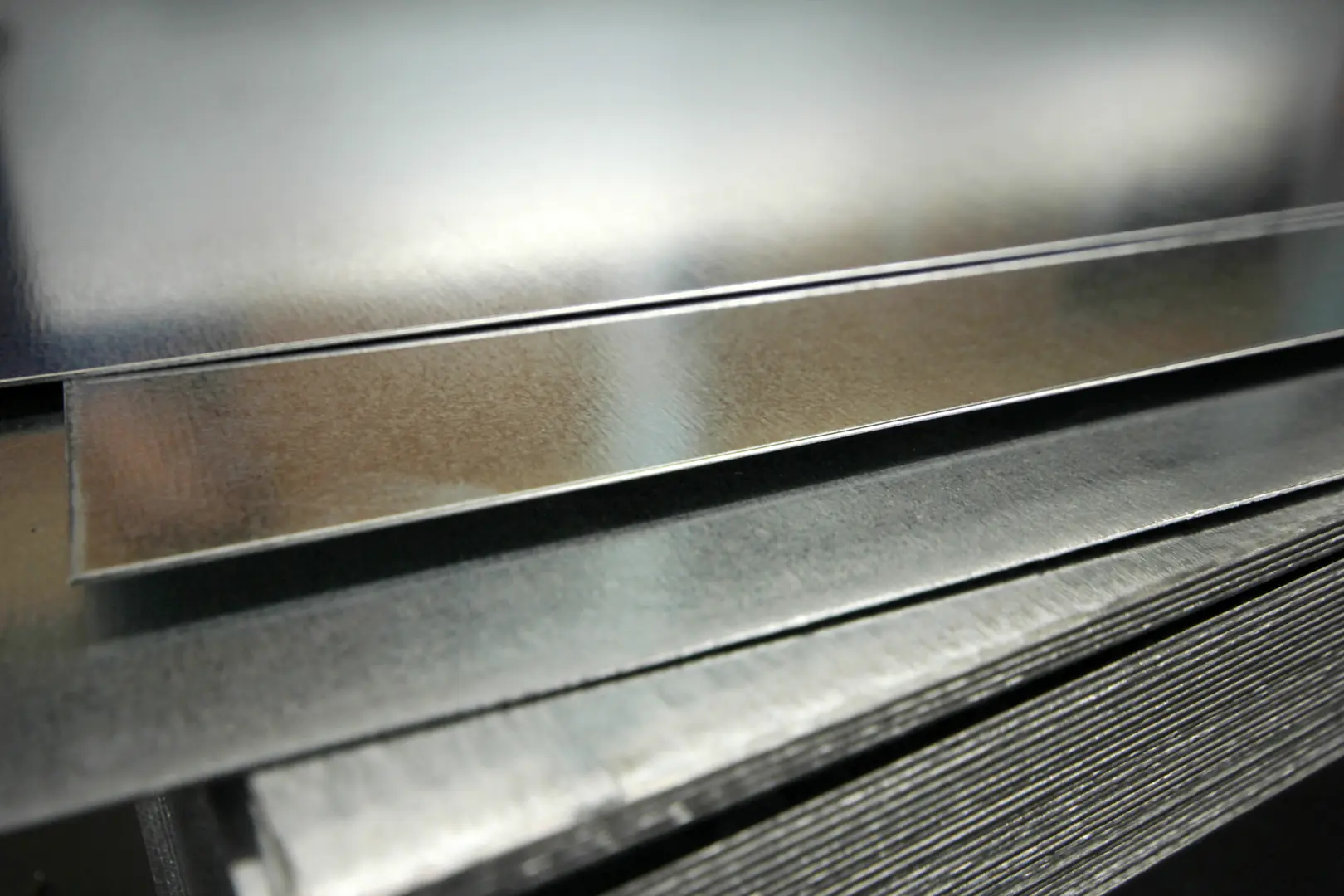
Ensuring the longevity of 316L begins long before it's ever installed. It starts with a rigorous approach to design and specification. At MFY, we work closely with our clients to understand the full scope of their application's environment. Sometimes, standard 316L is perfect. In other cases, where chloride levels or temperatures are exceptionally high, we might recommend a higher-molybdenum grade like 317L or a duplex stainless steel. The design phase is equally critical. We advise engineers to design for drainage, eliminate tight gaps where possible, and ensure smooth, cleanable surfaces. During fabrication, proper welding techniques are essential to preserve the material's corrosion resistance. This includes using the correct filler material and ensuring the post-weld cleaning process, known as passivation[^2], is done correctly to restore the passive chromium oxide layer. It's a holistic process where every step matters.
Proactive Strategies for Longevity
A proactive mindset saves enormous costs and prevents safety hazards down the line. Investing time in the planning and fabrication stages pays dividends over the entire life cycle of the asset.
Key Strategies for Maximizing Lifespan
| Strategy | Описание | Best Practice |
|---|---|---|
| Proper Material Selection | Choose the grade based on a thorough analysis of the service environment. | Test for chloride concentration, pH, and operating temperature. |
| Sound Design Principles | Design components to minimize crevices, facilitate drainage, and reduce stress. | Use welded butt joints instead of bolted flanges where possible. |
| Quality Fabrication | Use correct welding procedures and avoid cross-contamination from other metals. | Use dedicated stainless steel tools and proper post-weld cleaning. |
| Surface Treatments | Passivation and electropolishing can enhance the passive layer and cleanability. | Passivate all new fabrications to remove free iron and optimize resistance. |
What are the best practices for maintaining 316L stainless steel in marine and chemical settings?
Installation is just the beginning. Neglecting maintenance leads to premature failure. A simple, consistent maintenance plan is the key to protecting your assets long-term.
Best practices include regular cleaning to remove surface deposits and chlorides, routine visual inspections for early signs of corrosion, and monitoring environmental conditions. Immediate repair of any mechanical damage is also crucial.
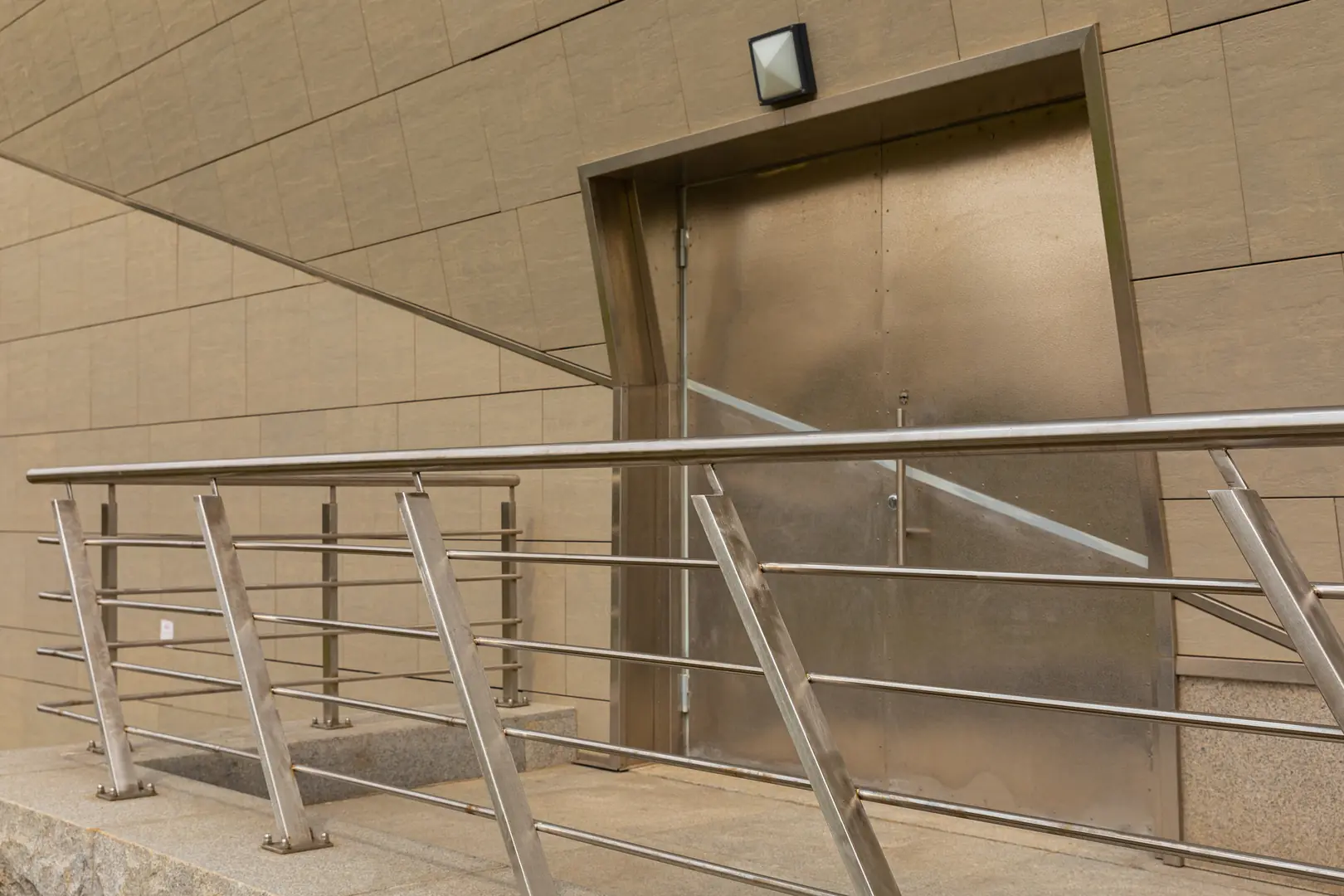
I often tell our partners that the best friend of 316L stainless steel is fresh water. It sounds simple, but a regular cleaning or rinsing schedule can make a world of difference, especially in marine environments. The goal is to wash away the chloride deposits that accumulate on the surface before they have a chance to concentrate and break down the passive layer. I saw this with a client who had architectural 316L panels on a building near the coast. The panels exposed to rain stayed pristine, while those in sheltered areas showed tea-staining. A simple quarterly freshwater wash was all it took to solve the problem. Beyond cleaning, a culture of regular inspection is vital. Train your team to look for early warning signs like discoloration, light pitting, or rust stains. Catching these issues early allows for simple re-passivation or repair, preventing a small spot from becoming a major failure.
A Practical Maintenance Checklist
A structured approach to maintenance ensures nothing is overlooked and extends the service life of your 316L components significantly. It's a low-cost insurance policy for a high-value asset.
Routine Maintenance Schedule
| Частота | Task | Назначение |
|---|---|---|
| Monthly | Visual Inspection: | Check for discoloration, staining, or any signs of localized corrosion. |
| Quarterly (in harsh environments) | Freshwater Cleaning: | Rinse surfaces to remove salt deposits, chlorides, and other contaminants. |
| Annually | Thorough Cleaning: | Use a mild detergent and a soft cloth/brush. Re-passivate if necessary. |
| As Needed | Damage Repair: | Immediately address any scratches or gouges that could become corrosion sites. |
| Ongoing | Environmental Monitoring: | Keep track of any changes in operating temperature, pH, or chemical concentration. |
Заключение
While 316L stainless steel is a robust choice for harsh environments, it is not invincible. Understanding its vulnerabilities to localized corrosion and implementing proactive design, selection, and maintenance strategies are critical to ensuring its long-term performance, safety, and cost-effectiveness in your projects.
У вас есть вопросы или нужна дополнительная информация?
Свяжитесь с нами, чтобы получить индивидуальную помощь и квалифицированный совет.
 Русский
  English