
The Top 7 Common Defects in Stainless Steel Sheets and How to Spot Them
Imperfect steel sheets cause project delays and budget overruns. These hidden flaws compromise quality and your reputation. Knowing the top 7 defects empowers you to ensure quality control from day one.
The top seven common defects in stainless steel sheets are surface scratches, dents, corrosion spots, uneven color, delamination, wavy deformation, and edge damage. Spotting them early through diligent inspection is crucial for ensuring material integrity and preventing costly project failures down the line.
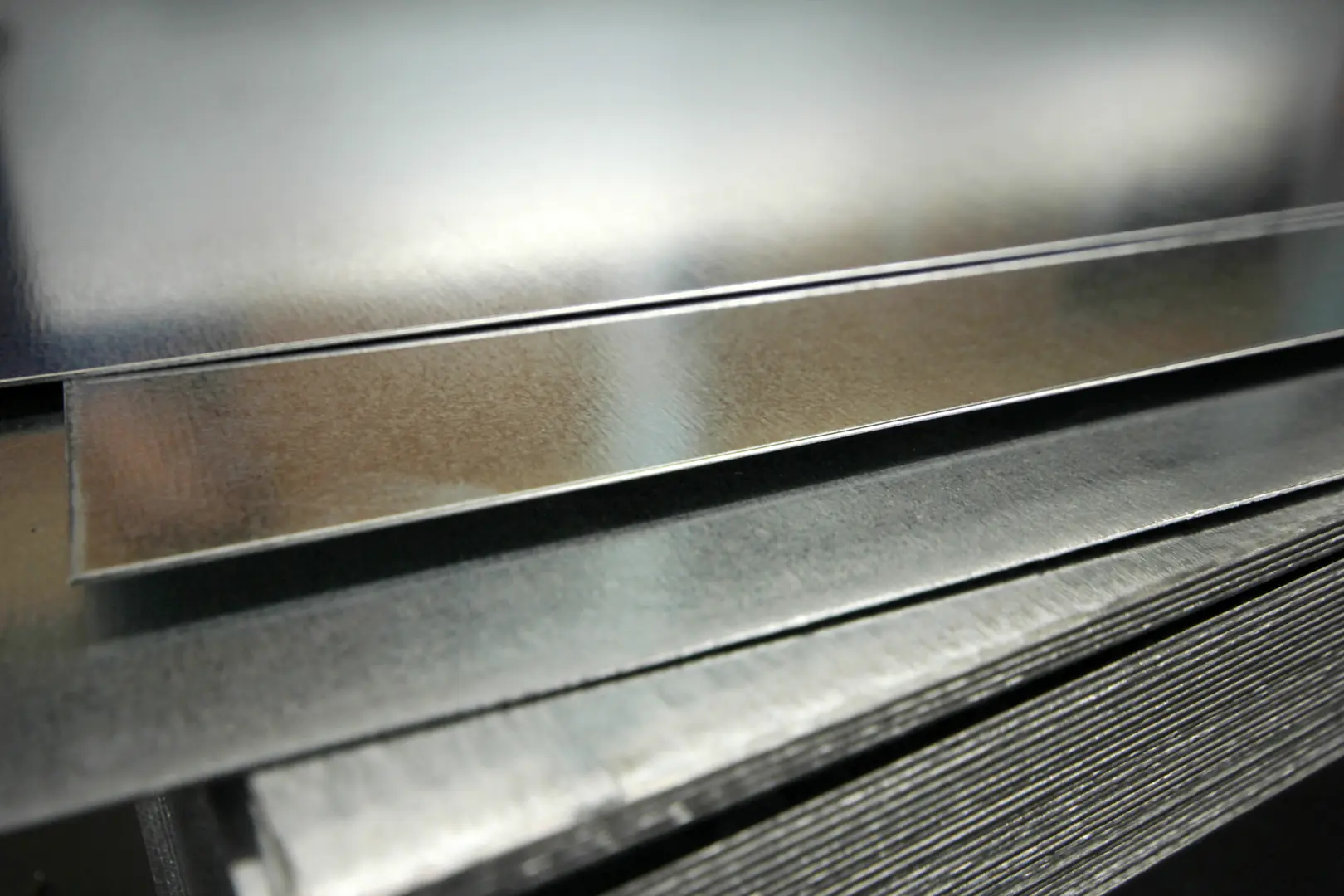
As the Global Business Director for MFY, I’ve seen firsthand how a single, overlooked flaw can derail an entire project. Quality isn't just a buzzword for us; it's the foundation of trust with our partners worldwide. Whether you're in manufacturing, construction, or distribution, your ability to identify subpar material is your first line of defense. Let's walk through what you need to look for, why it happens, and how to protect your operations.
What Are the Most Common Defects Found in Stainless Steel Sheets?
Unsure what to look for when inspecting stainless steel sheets? This uncertainty can lead to accepting subpar materials, causing problems later. Here are the top seven defects to watch for.
The most common defects are surface imperfections like scratches and dents, corrosion-related issues such as rust spots, aesthetic flaws like uneven color, structural problems including delamination and wavy deformation, and physical damage like compromised edges. Each signals a potential quality issue.
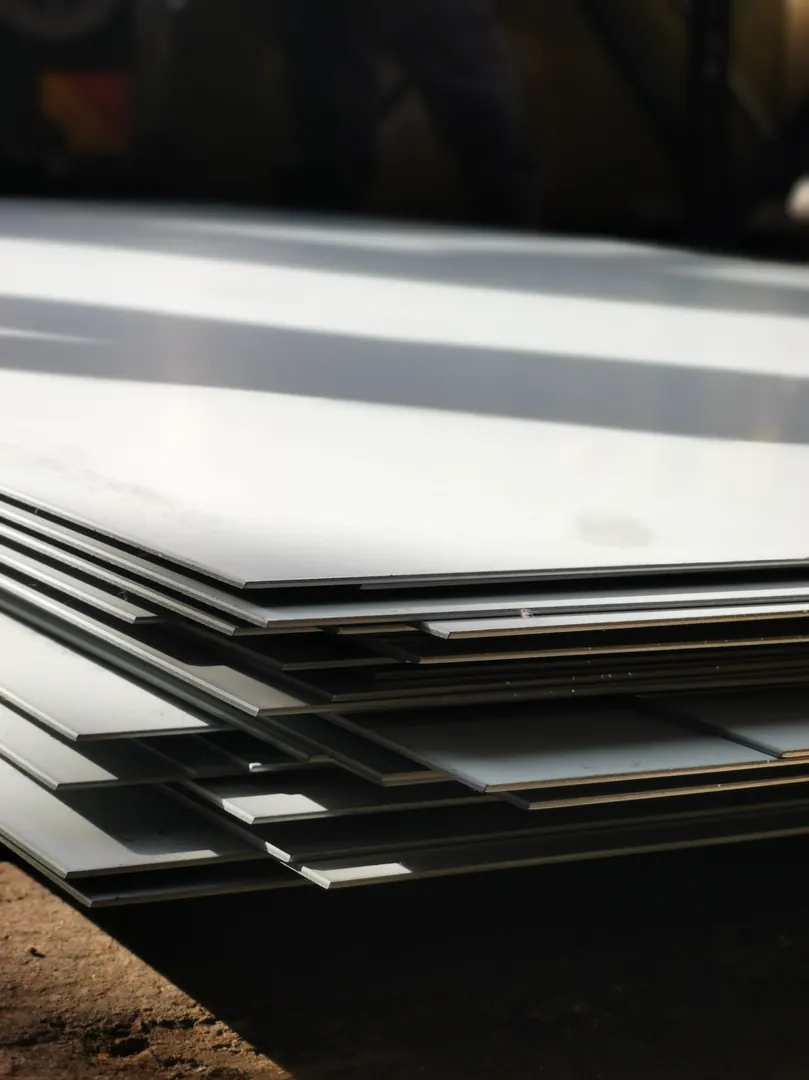
Understanding these defects is the first step toward building a robust quality assurance process. In my experience, teams that can quickly and accurately identify these issues are the ones who consistently deliver high-quality results. I remember a client in Germany, a high-end appliance manufacturer, who nearly approved a shipment with subtle wavy deformations. Spotting it saved them from a product recall that would have cost millions. It’s that serious. Let’s break down the "rogues' gallery" of defects you need to know.
A Quick Guide to the Top 7 Defects
These seven categories cover the vast majority of issues you'll encounter. Familiarizing your team with them is non-negotiable for anyone serious about quality.
| Defect Type | Description | Primary Concern |
|---|---|---|
| Surface Scratches | Abrasions or grooves on the sheet's surface. | Aesthetics, potential corrosion point |
| Dents | Depressions or indentations from impact. | Aesthetics, structural integrity |
| Corrosion Spots | Localized rust or pitting, often from contamination. | Durability, structural failure |
| Uneven Color | Inconsistent finish, streaks, or patches of discoloration. | Aesthetics, brand reputation |
| Delamination | Separation of layers within the steel sheet. | Severe structural weakness |
| Wavy Deformation | The sheet is not perfectly flat, showing waves or ripples. | Fit and finish, structural stability |
| Edge Damage | Cracks, burrs, or unevenness along the sheet's edges. | Safety, processing issues |
What Causes These Defects in Stainless Steel Sheets?
Defects often seem to appear without a clear reason. This makes prevention difficult and unpredictable for your team. Understanding the root causes, from production to handling, is the first step.
Defects in stainless steel sheets are primarily caused by issues in the production process (e.g., improper rolling or annealing), damage during handling and transportation, poor raw material quality, or exposure to corrosive elements during storage. Each stage presents a unique risk.
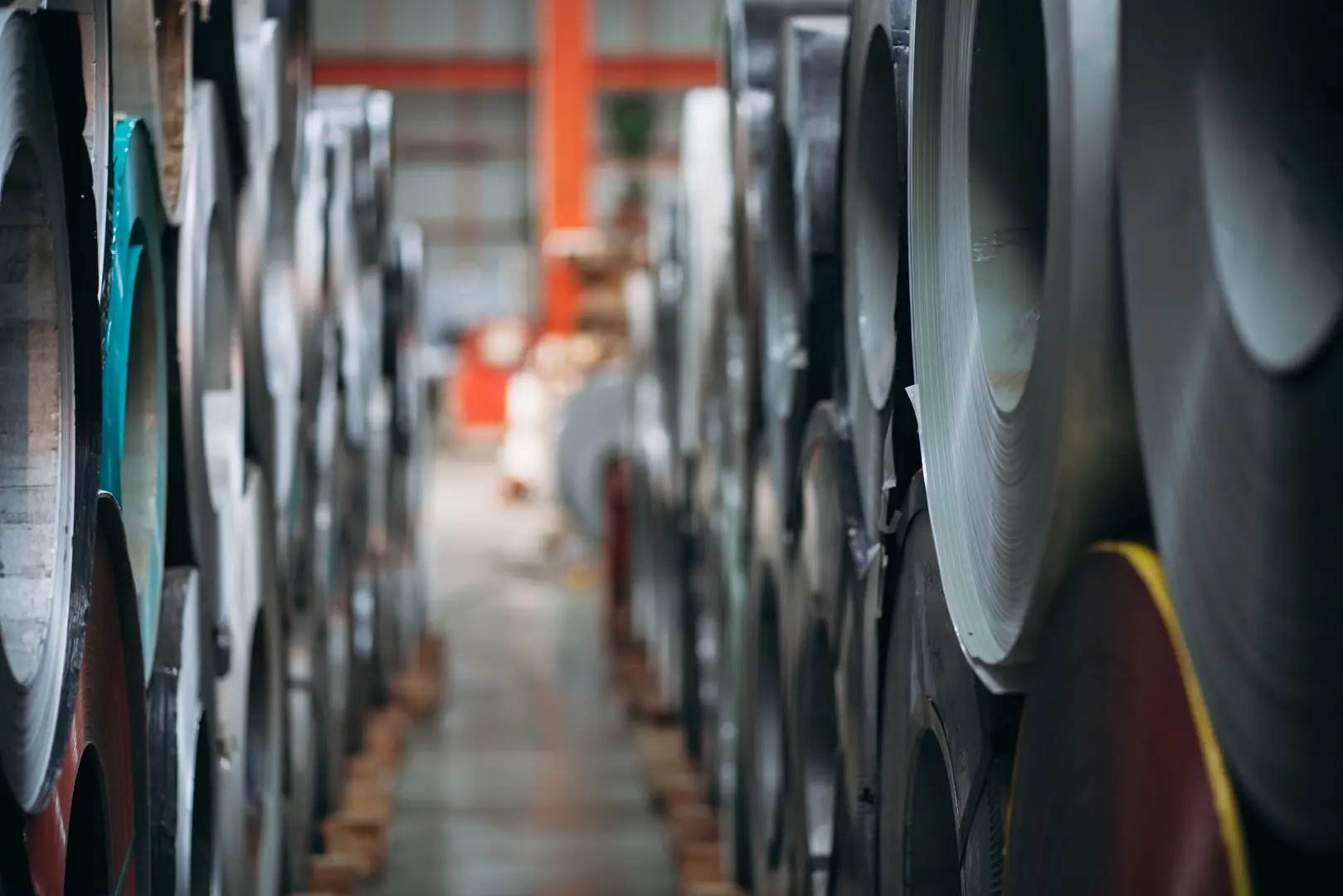
At MFY, our integrated supply chain[^1] gives us a huge advantage here. Because we manage everything from raw materials to final delivery, we can pinpoint and control the variables that lead to defects. It's not magic; it's meticulous process management. Defects don't just happen—they are the result of a breakdown somewhere in the chain. Identifying that breakdown is key to prevention.
Pinpointing the Root Causes
Most defects can be traced back to one of three areas: production, logistics, or environment.
-
H3: Production & Processing Issues
The journey from a raw slab to a finished sheet is complex. An error at any stage can introduce a flaw. For example, improperly calibrated rollers can cause wavy deformation. Contaminants in the annealing furnace can lead to uneven color or even compromise the steel's passive layer, inviting corrosion. Similarly, dull blades during the slitting process are a primary cause of edge damage and burrs. This is why we invest heavily in state-of-the-art machinery and rigorous maintenance schedules. -
H3: Handling & Transportation Mishaps
A perfect sheet can leave the factory and arrive at its destination with dents and scratches. This is almost always due to improper handling. Insufficient packaging, careless forklift operation, or unsecured loads during transit are common culprits. I once visited a warehouse where coils were stored without proper separation, leading to widespread surface scratches across an entire batch. It was a costly lesson in the importance of logistics protocols. -
H3: Environmental & Storage Factors
Stainless steel is resistant to corrosion, not immune to it. Storing sheets in a damp, humid environment or allowing them to come into contact with carbon steel or other contaminants can lead to corrosion spots. This is especially true for lower grades of stainless steel. A controlled, clean, and dry storage facility is not a luxury; it's a necessity for preserving material quality.
How Do These Defects Impact the Performance and Aesthetics of Stainless Steel Sheets?
Minor flaws might seem harmless at first glance. But they can lead to catastrophic structural failure or a poor finish that ruins a project. Let's examine how each defect compromises your integrity.
Defects severely impact stainless steel sheets by reducing structural integrity, compromising corrosion resistance, creating safety hazards, and degrading the final product's appearance. This directly affects performance, value, and brand reputation, leading to costly rejections and rework.

The impact of a defect goes far beyond what you can see. It's about the trust your customers place in your work. For an engineering contractor, a wavy sheet isn't just an aesthetic issue; it's a component that won't fit correctly, causing delays and extra labor costs. For a manufacturer, a scratch isn't just a mark; it's a potential point of failure where corrosion can begin, shortening the product's lifespan. We see our role as a supplier as being the guardian of our clients' reputations.
The True Cost of a Flaw
The consequences of using defective material can be broken down into three critical areas.
-
H3: Compromised Structural Integrity
Defects like delamination or significant wavy deformation are not cosmetic. Delamination is an internal separation that can lead to complete structural failure under load—a massive safety risk in construction or equipment manufacturing. Wavy sheets create stress points when forced into place, potentially leading to fatigue and cracking over time. -
H3: Reduced Corrosion Resistance
The "magic" of stainless steel lies in its passive chromium oxide layer[^2]. Scratches can break through this protective layer, exposing the underlying steel to the elements and creating a starting point for rust. Similarly, corrosion spots indicate that the passive layer has already been compromised, and the decay will only spread. -
H3: Aesthetic and Brand Reputation Damage
In applications like architecture, kitchen appliances, or automotive trim, the finish is everything. Dents, scratches, and uneven color are unacceptable. Using such materials reflects poorly on the brand and can lead to product rejection. I worked with an architectural firm in Dubai that specified a mirror finish for a skyscraper's facade. A batch with minor color inconsistencies was immediately rejected, as it would have ruined the building's entire look.
What Are the Effective Methods to Identify Defects in Stainless Steel Sheets?
Spotting defects often requires more than a quick glance. Missing them can be incredibly costly down the line. Combine rigorous visual inspection with advanced testing for foolproof quality control.
Effective identification methods include a systematic visual inspection under good lighting, the use of precision measurement tools like calipers and thickness gauges, and leveraging non-destructive testing (NDT) such as ultrasonic or eddy current tests for detecting internal flaws.
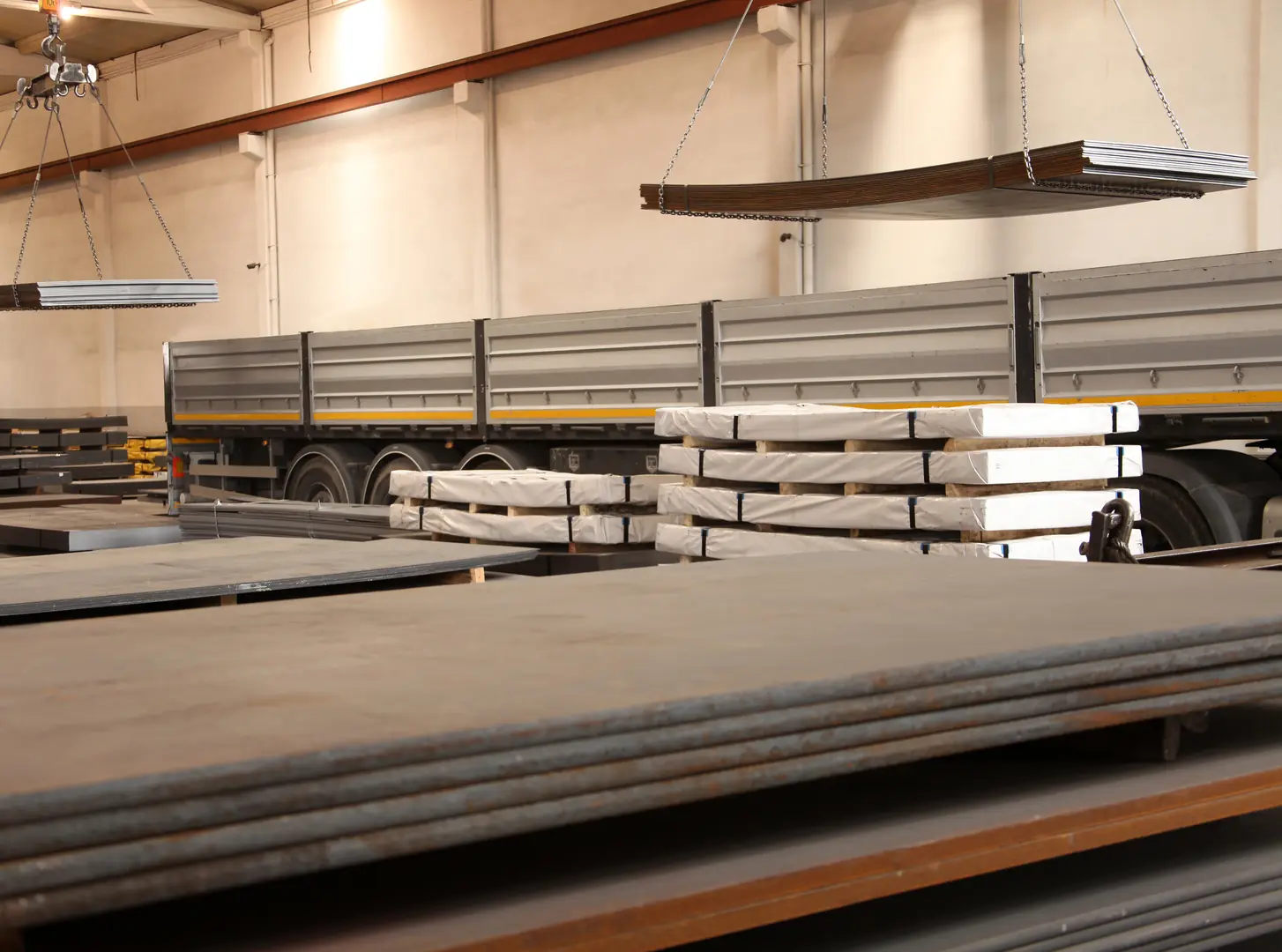
At MFY, we operate on a "trust but verify" principle. Our production teams are highly trained, but we still implement a multi-stage quality control process. This isn't about a lack of trust; it's about ensuring a consistent, repeatable standard of excellence. Relying on a single method of inspection is a recipe for failure. A comprehensive approach is the only way to guarantee that the material leaving our facility meets the exact specifications our clients demand.
A Multi-Layered Inspection Strategy
A robust quality control program combines simple, effective techniques with advanced technology.
-
H3: The Power of Visual Inspection
This is the first and most important line of defense. A well-trained inspector in a properly lit area can identify the majority of surface defects: scratches, dents, color variations, and obvious edge damage. The key is to be systematic—inspecting the entire surface from multiple angles, not just a quick scan. -
H3: Precision Measurement Tools
Your eyes can't measure flatness or thickness. Tools are essential for verifying specifications.- Calipers & Micrometers: Verify thickness and check for uniformity across the sheet.
- Straight Edge & Feeler Gauges: Detect and quantify wavy deformation by measuring gaps between the straight edge and the sheet's surface.
-
H3: Advanced Non-Destructive Testing (NDT)
For critical applications, you need to know what's happening inside the steel. NDT methods allow us to find subsurface flaws without damaging the material.- Ultrasonic Testing (UT): Excellent for detecting internal delamination.
- Eddy Current Testing: Effective for finding surface and near-surface cracks that might be invisible to the naked eye.
This level of scrutiny is part of why global leaders in demanding sectors trust us. They know we've already done the deep-dive inspection for them.
What Are the Best Practices for Preventing Defects in Stainless Steel Sheets?
Reacting to defects after they occur is inefficient. Constant rework, rejections, and delays hurt your bottom line. Proactive prevention through strict protocols is the key to consistency and profitability.
Best practices for prevention include implementing strict quality control from raw material sourcing, optimizing production and handling processes, providing continuous staff training on proper techniques, and maintaining a clean, controlled environment for storage and transport.
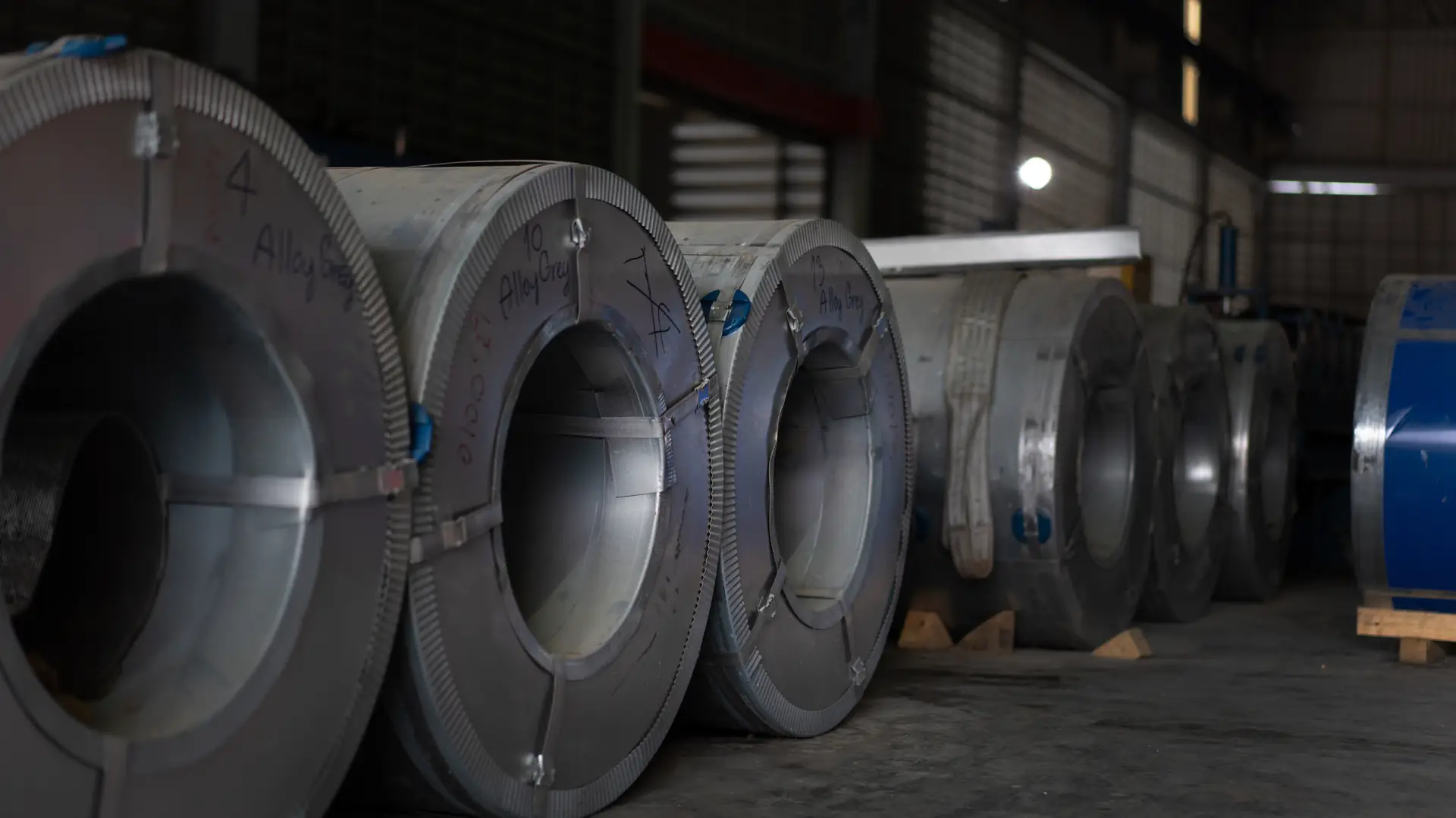
Prevention is where we focus most of our energy at MFY. It's far more efficient and cost-effective to get it right the first time. This philosophy is embedded in our entire operation, from how we select our raw material suppliers to the way we package our finished products for export. It’s about building a culture of quality where every team member understands their role in protecting the integrity of the final product. A proactive approach transforms quality control from a cost center into a competitive advantage.
Building a Culture of Quality
Preventing defects isn't a single action but a continuous system.
-
End-to-End Supply Chain Control
The process starts with vetting your raw material suppliers. A flawless production process can't fix poor-quality inputs. Having an integrated supply chain, as we do, gives us unparalleled control. We know the exact composition and quality of the raw materials before they even enter our mills, eliminating a huge variable. -
Process Optimization and Automation
We continuously analyze our production data to identify potential stress points where defects are more likely to occur. Investing in automation for repetitive tasks, such as material handling, reduces the chance of human error that leads to dents and scratches. Regular maintenance and calibration of all machinery is a non-negotiable part of our daily operations. -
Rigorous Training and Handling Protocols
Your people are your most critical asset in quality control. We provide ongoing training for all staff, from machine operators to logistics personnel, on best practices for handling stainless steel. This includes everything from how to properly lift a sheet to the correct way to stack and secure coils for shipment. Clear, documented protocols ensure everyone is working to the same high standard.
Conclusion
Identifying and preventing these seven common defects is not just about quality control. It's about protecting your project's integrity, your budget, and your reputation in a competitive market. Proactive inspection and a commitment to prevention are your best defense against costly material failures.
Have Questions or Need More Information?
Get in touch with us for personalized assistance and expert advice.



 English
  Русский