Stainless Steel Plate Surface Finishes: Types & Aesthetics
Choosing a stainless steel finish feels overwhelming. The wrong choice can ruin your project's look and durability. Understanding the options ensures you get both performance and beauty.
A stainless steel plate surface finish is the final texture and appearance applied to the steel's surface. It's a critical specification that dictates not only the material's aesthetic appeal but also its functional properties, such as corrosion resistance, cleanability, and reflectivity for various applications.
As the Global Business Director at MFY, I've seen countless projects succeed or fail based on this one decision. A surface finish isn't just a final touch; it's an integral part of the design and engineering process. It defines how the material interacts with its environment, both visually and physically. In this guide, I'll break down everything you need to know to make an informed choice, from the standard types to the subtle nuances that can elevate your project from good to great. Let’s dive in.
What are the common types of stainless steel plate surface finishes?
The sheer number of available finishes can be confusing. Using a finish that's unsuited for the application is a common and costly mistake. Let’s clarify the main industry standards.
The most common types range from industrial mill finishes to highly polished decorative ones. Key standards include No. 1 (hot-rolled, annealed), 2B (cold-rolled, smooth), No. 4 (brushed), and No. 8 (mirror), each offering a distinct texture and level of reflectivity.
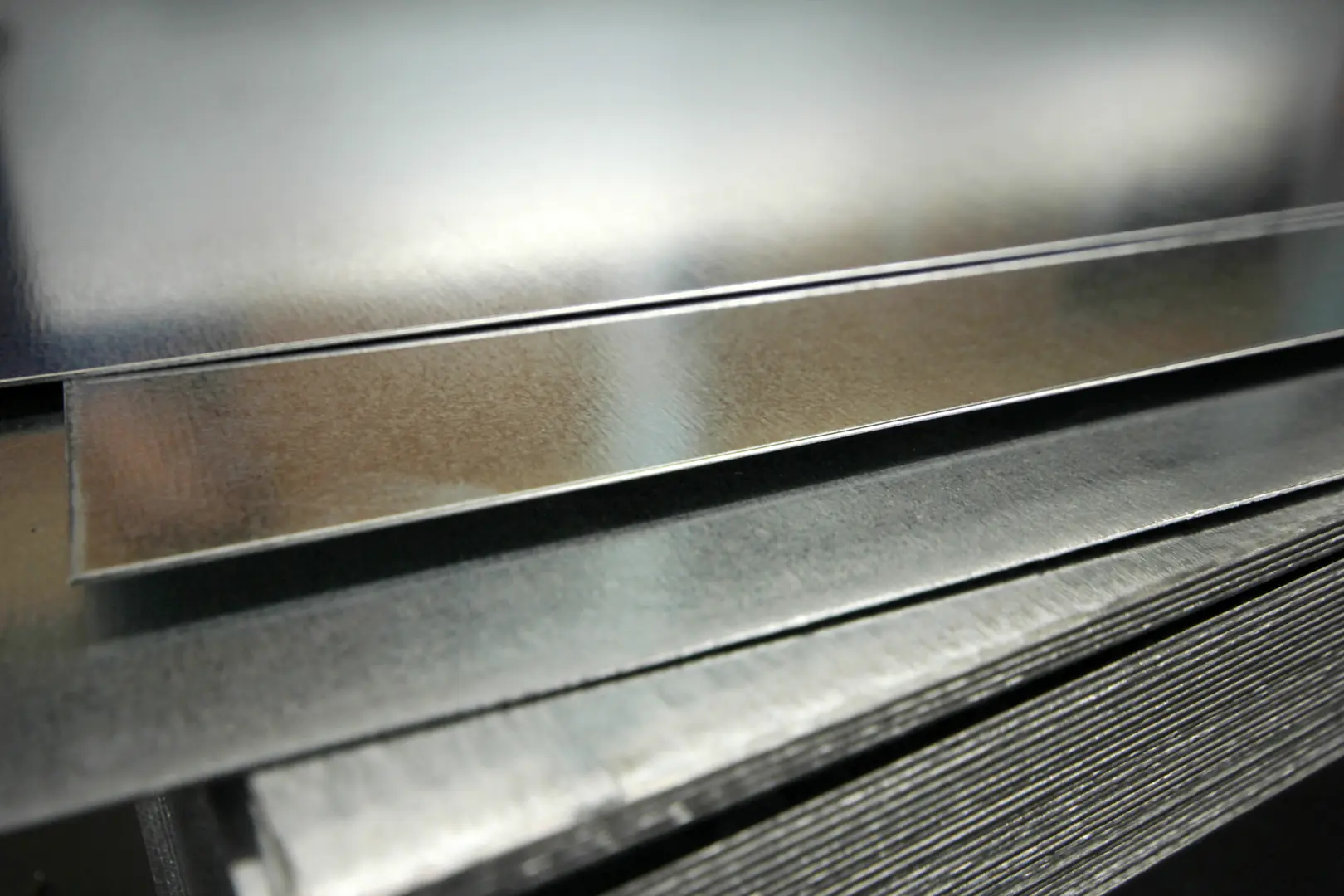
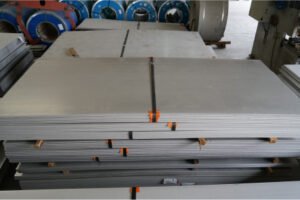
Let's look closer at how these finishes are categorized and what defines them. The classification typically splits between mill finishes, which are applied during the production process, and polished finishes, which require secondary processing. Understanding this distinction is the first step in narrowing down your options. At MFY, we handle this entire spectrum, from large-scale industrial coils with a standard 2B finish[^1] to custom-polished sheets for high-end architectural projects.
Standard Mill Finishes
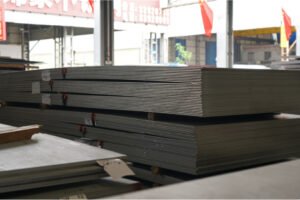
These are the most cost-effective finishes, created as part of the steel manufacturing process itself. They are functional and form the foundation for many other polished or textured finishes. A No. 1 finish, for example, is rough and dull, perfect for industrial applications where appearance is secondary to performance. The most ubiquitous finish, 2B, is smoother and semi-reflective, making it a versatile workhorse for everything from chemical processing tanks to basic appliances. It's the default for a reason: it provides a good balance of corrosion resistance, formability, and cost.
Specialty and Polished Finishes
This is where aesthetics really come into play. These finishes are created through mechanical abrasion. A No. 4 "brushed" finish is what most people picture when they think of stainless steel kitchens—it has a uniform, directional grain that's great at hiding fingerprints. A No. 8 "mirror" finish is highly reflective and flawless, often used in architecture and interior design to create a sense of space and luxury. I remember a client in Dubai who used our No. 8 mirror-finished plates for the lobby of a new hotel, and the result was absolutely stunning, completely transforming the light and feel of the space.
| Finish Type | Appearance | Key Characteristic | Typical Use Case |
|---|---|---|---|
| No. 1 | Rough, dull, non-reflective | Hot-rolled, annealed, and pickled | Industrial equipment, structural parts |
| 2B | Smooth, semi-reflective | Cold-rolled, general-purpose | General applications, food processing |
| No. 4 | Brushed, directional grain | Uniform, low reflectivity | Kitchen appliances, architectural panels |
| No. 8 | Mirror, highly reflective | Flawless, non-directional | Decorative trim, columns, wall panels |
How do different surface finishes impact the aesthetics of stainless steel plates?
A finish is more than just a technical specification. It fundamentally defines the visual and tactile experience of the final product. Let's explore how finishes create distinct aesthetic impacts.
Surface finishes directly control a plate's aesthetics by altering its light reflectivity, texture, and perceived color. A No. 8 mirror finish creates sharp, clear reflections for a modern look, while a No. 4 brushed finish diffuses light for a softer, satin appearance.

The choice of finish is where an engineer's requirements meet a designer's vision. I've seen architects spend hours debating between a hairline and a No. 4 brushed finish because they know the way a surface plays with light can change the entire mood of a building. It’s about controlling how the material presents itself. This intersection of function and form is driving tremendous innovation in our industry, as clients in automotive, construction, and consumer goods demand finishes that not only perform but also enhance their brand's value.
Reflectivity and Light Interaction
The primary aesthetic impact of a finish is its reflectivity. A mirror finish (No. 8) acts like a true mirror, making spaces feel larger and more open, but it also shows every fingerprint and imperfection. On the other end, a bead-blasted finish creates a completely uniform, non-directional, matte surface that absorbs light, giving it a soft, modern, and high-tech feel. A brushed finish (No. 4) sits in the middle. Its fine parallel lines catch and scatter light in a controlled way, providing visual interest without overwhelming glare. This is why it's so popular for high-traffic areas and appliances.
Texture and Tactile Quality
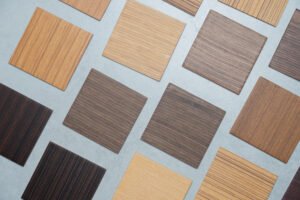
Beyond the visual, finishes have a tactile quality. An embossed or patterned finish, for example, not only provides a unique look but also increases rigidity and hides scratches. This is a perfect example of aesthetics serving a practical purpose. The "feel" of a product is a huge part of its perceived quality. When we supply stainless steel for high-end consumer electronics or luxury car interiors, the tactile feedback of the finish is just as important as its visual appearance. The trend is moving towards surfaces that are not just seen but also experienced.
What are the practical applications for various stainless steel plate finishes?
Knowing the theory is one thing, but seeing it in practice is another. Matching the right finish to the right job is where experience counts. Here are real-world examples for key finishes.
Practical applications are directly tied to a finish's properties. For example, the corrosion-resistant, rough No. 1 finish is for industrial tanks, while the easily cleanable, smooth 2B finish is ideal for food processing equipment. Decorative No. 4 and No. 8 finishes are for architecture.
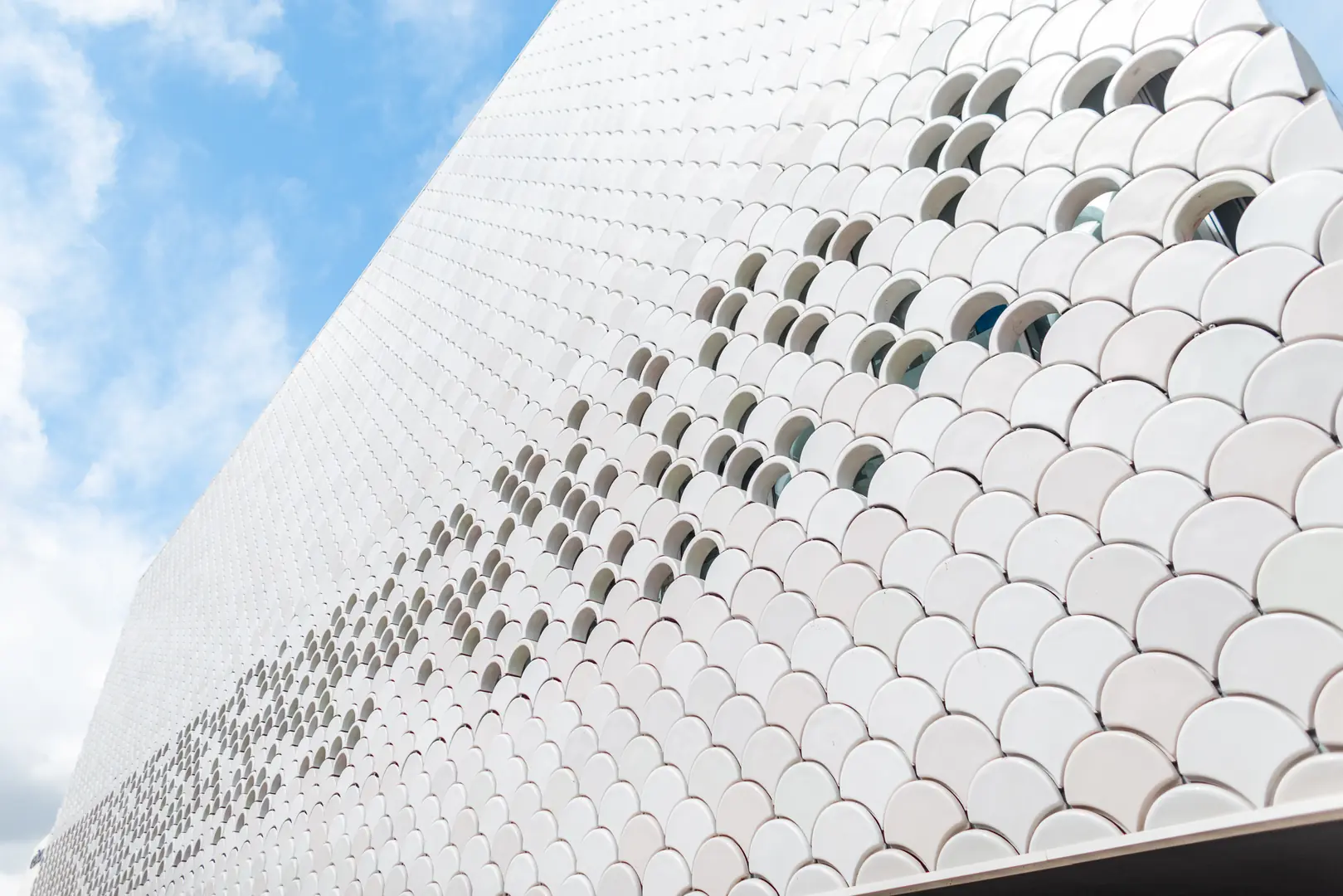
Every day, our team at MFY helps clients from dozens of industries select the right finish. A food and beverage manufacturer needs a surface that is non-porous and easy to sanitize (like 2B or No. 4), while a contractor building a coastal skyscraper needs a finish that resists salt spray and looks pristine from a distance. The application dictates the finish. It’s a pragmatic decision that balances cost, performance, and the desired final look.
A Finish for Every Function
The best way to understand this is to see how different industries leverage specific finishes to solve their unique challenges. The choice is never arbitrary; it's a strategic decision.
| Industry | Common Finish | Why It's Chosen |
|---|---|---|
| Industrial & Chemical | No. 1 | Maximum corrosion resistance and durability. Aesthetics are not a priority. |
| Food & Beverage | 2B, No. 4 | Smooth, non-porous surfaces that are easy to clean and sanitize, preventing bacterial growth. |
| Architecture & Construction | No. 4, No. 8, Hairline | Balances aesthetics with durability. Brushed finishes hide wear, while mirror adds high-impact visuals. |
| Automotive & Transport | 2B, Custom Textures | Used for both structural components (2B) and decorative trim that needs to be durable and stylish. |
| Medical & Pharmaceutical | 2B, No. 4 | Requires sterile, non-reactive surfaces that can withstand harsh cleaning agents. |
How to choose the right surface finish for your project?
Making the final decision on a finish can be daunting. A poor choice can easily compromise your budget, timeline, and the project's final outcome. Follow this framework for a confident decision.
To choose the right finish, you must evaluate four key factors: the service environment (corrosion risk), the desired aesthetic, the required fabrication processes (welding, forming), and the overall project budget. A balanced assessment of these elements leads to the optimal choice.
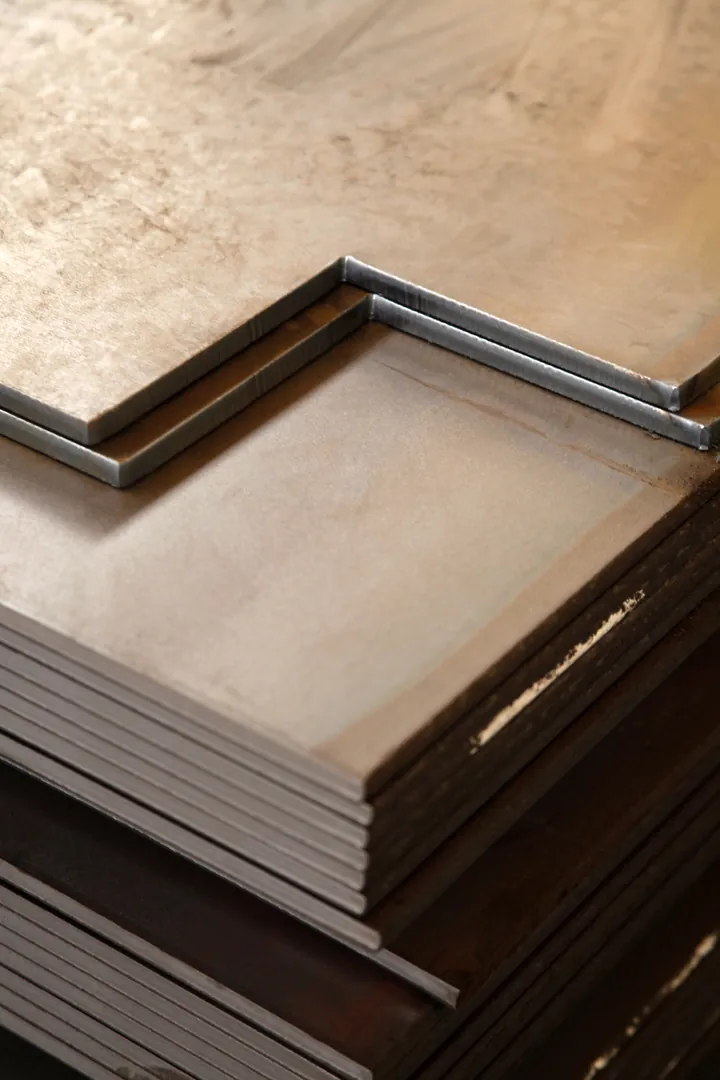
I always advise my clients to think of this as a four-part equation. You can't solve for one variable without considering the others. For instance, a beautiful mirror finish is fantastic, but if it's for a high-traffic industrial floor, it's the wrong choice. It will scratch easily and be a maintenance nightmare. A more practical, durable finish would be better, even if it's less glamorous. Let's break down these considerations.
Evaluating the Environment and Aesthetic
First, where will the stainless steel live? Is it indoors or outdoors? Will it be exposed to salt, chemicals, or extreme temperatures? The more corrosive the environment, the smoother and more pit-free the finish needs to be. Second, what is the design goal? Are you looking for a bold, reflective statement piece or a subtle, non-distracting background element? Your aesthetic vision will immediately narrow the field of options.
Considering Fabrication and Budget
How will the steel be worked? Some finishes, like No. 8 mirror, are difficult to weld and repair without leaving a visible mark. A more forgiving brushed finish (No. 4) is much easier for fabricators to work with. Finally, cost is always a factor. Finishes that require more processing steps, like polishing and buffing, will naturally be more expensive. A standard 2B finish is highly economical, while a custom-patterned or mirror finish represents a significant investment.
The Sustainability Factor
A crucial new consideration is sustainability. At MFY, we're seeing a clear trend: clients are increasingly asking for finishes that have a lower environmental impact. This is driven by both regulations and consumer demand for greener products. This involves looking at finishing processes that use fewer chemicals, consume less energy, and produce less waste. It's a non-obvious but vital insight—the next wave of innovation in our industry will be in developing finishes that are both beautiful and ecologically responsible.
What are the recommendations for maintaining the aesthetic quality of stainless steel finishes?
Your project is complete and looks fantastic. But improper care can quickly ruin that beautiful finish. Simple, consistent maintenance practices will preserve its look for years to come.
To maintain stainless steel finishes, clean regularly with mild soap and warm water, always wiping in the direction of the grain on polished surfaces. Avoid harsh abrasives or chlorine-based cleaners. For tough spots, use specialized stainless steel cleaners.
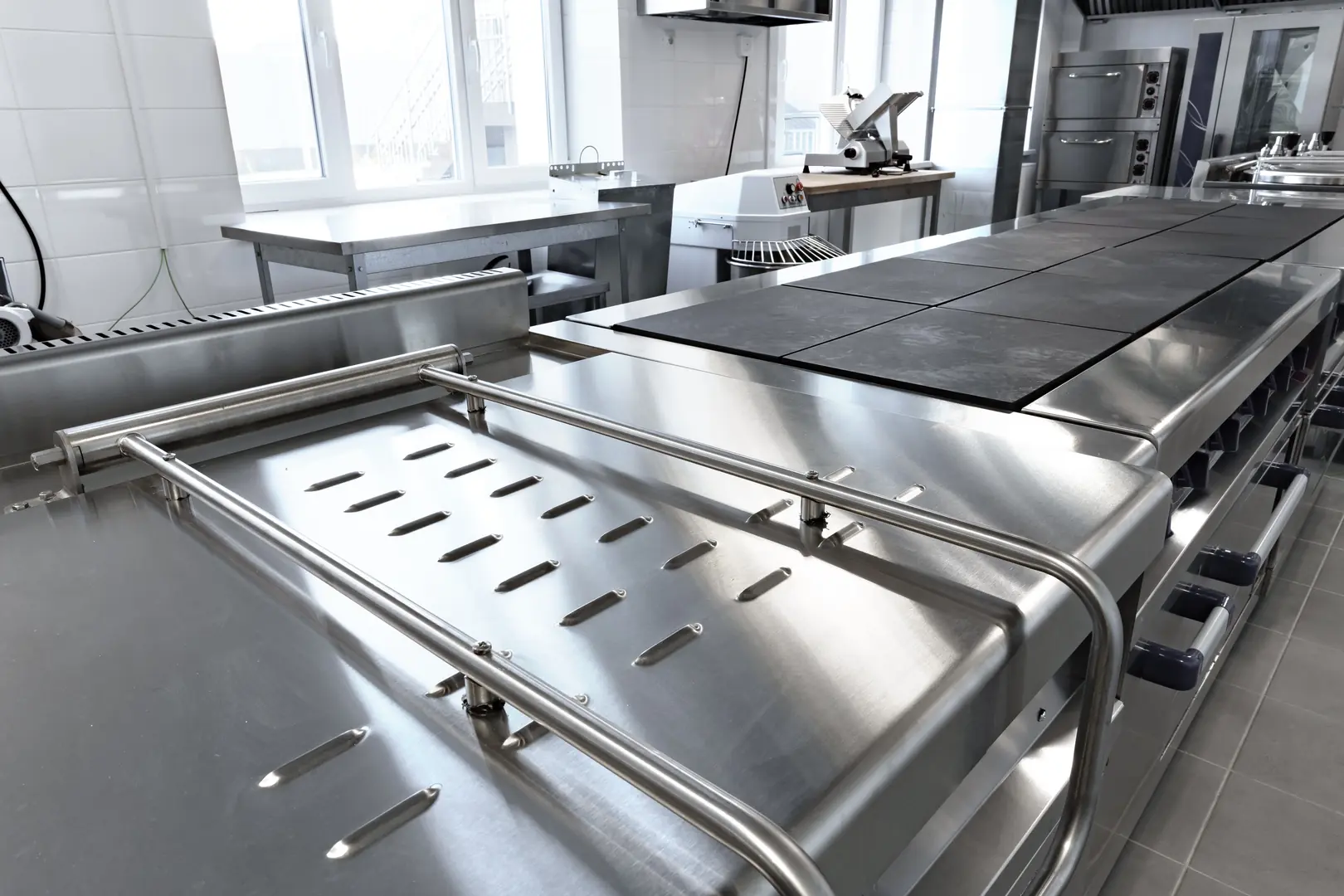
The longevity of a stainless steel finish is one of its greatest assets, but it's not invincible. Proper care is essential to protect your investment and ensure the material continues to look as good as the day it was installed. The good news is that for most finishes, maintenance is surprisingly simple and straightforward.
Best Practices for Longevity
The key is gentle, regular cleaning. Dust, dirt, and fingerprints can accumulate and, if left for too long, can become difficult to remove or even lead to surface contamination. A simple wipe-down with a soft cloth and a mild detergent is often all that's needed.
| Problem | Recommended Solution | Caution |
|---|---|---|
| Routine Dirt & Fingerprints | Mild soap/detergent and warm water. Wipe with a soft cloth. | Always rinse with clean water and dry completely to prevent water spots. |
| Grease & Oil | Use a non-abrasive degreaser or an organic solvent (e.g., acetone). | Ensure adequate ventilation and follow all safety precautions for solvents. |
| Tough Stains & Discoloration | Use a dedicated stainless steel cleaner or a paste of baking soda and water. | Test on an inconspicuous area first. Never use steel wool or abrasive pads. |
| Minor Scratches (on Brushed Finish) | Use a specialized scratch removal kit or a very fine abrasive pad, moving only in the direction of the grain. | Not recommended for mirror or 2B finishes as it will alter the appearance. |
Ultimately, the best maintenance plan is a preventative one. By choosing the right finish for the application and following a simple cleaning routine, you ensure the stainless steel will maintain its aesthetic integrity and performance for decades.
Conclusion
Selecting the right stainless steel finish is a strategic decision. It's about balancing function, aesthetics, budget, and increasingly, sustainability. By understanding the options, you can ensure your material choice delivers long-term performance, visual impact, and lasting value for any project you undertake.
Have Questions or Need More Information?
Get in touch with us for personalized assistance and expert advice.



 English
  Русский