304 or 316 Stainless Steel for Infrastructure? A Technical Buyer's Guide
Choosing the right stainless steel grade is a critical decision. A mistake can lead to budget overruns or premature failure. Understanding the core differences between 304 and 316 is key.
The choice depends on the environment. Use 304 stainless steel for general, inland infrastructure projects. For applications exposed to chlorides, such as coastal or industrial areas, the molybdenum in 316 stainless steel provides necessary long-term corrosion protection.
As the Global Business Director at MFY, I’ve guided countless clients through this exact decision. It’s a choice that goes far beyond the initial price tag; it's about securing the longevity and resilience of a major investment. The right selection balances cost with performance, ensuring your project stands strong for decades. Let's break down the factors you need to consider to make a confident, strategic choice.
What Makes 304 and 316 Stainless Steel Suitable for Infrastructure?
Infrastructure demands materials that can endure for generations. Specifying a weak or unsuitable material invites corrosion and structural failure. Grades 304 and 316 provide the ideal blend of strength and durability.
Both 304 and 316 are austenitic stainless steels, meaning their chromium and nickel content creates a robust, non-corrosive surface. This inherent resistance to oxidation and their excellent mechanical properties make them ideal for long-lasting, low-maintenance infrastructure applications.
At their core, both grades share a foundational strength that sets them apart from carbon steel. This comes from their austenitic crystalline structure, which makes them highly formable, weldable, and tough, even at low temperatures. However, the small but significant differences in their chemical makeup define their ideal applications, a distinction we at MFY always emphasize to our partners.
The Workhorse: Grade 304
Grade 304, often called 18/8 steel, contains approximately 18% chromium and 8% nickel. The chromium is the hero here, forming a passive, invisible layer of chromium oxide on the surface. This layer instantly reforms when scratched, protecting the steel from rust and general corrosion. It’s why 304 is the most widely used stainless steel globally, perfect for building facades, indoor structural elements, and transportation equipment in typical atmospheric conditions. It offers a fantastic balance of performance and cost-effectiveness for the majority of projects.
The Marine Specialist: Grade 316
Grade 316 takes the solid foundation of 304 and adds a crucial element: molybdenum, typically around 2-3%. This is the game-changer. Molybdenum significantly enhances the steel's resistance to corrosion from chlorides, which are found in seawater, de-icing salts, and many industrial chemicals. This makes 316 indispensable for any infrastructure project in a challenging environment. I remember a client in India who built a processing plant near the coast. They initially considered 304 to reduce costs, but we strongly recommended 316 for all exterior structures. That decision saved them from costly maintenance and potential shutdowns down the line.
| Element | Grade 304 (%) | Grade 316 (%) | Impact |
|---|---|---|---|
| Chromium (Cr) | 18.0 - 20.0 | 16.0 - 18.0 | Core corrosion resistance |
| Nickel (Ni) | 8.0 - 10.5 | 10.0 - 14.0 | Formability and ductility |
| Molybdenum (Mo) | - | 2.0 - 3.0 | Enhanced chloride resistance |
| Carbon (C) | 0.08 max | 0.08 max | Hardness and strength |
What are the Current Usage Trends of 304 and 316 in Infrastructure Projects?
Knowing the industry standard for specific applications is vital. Using the wrong grade is a common and expensive mistake. At MFY, we see clear application trends based on environmental exposure.
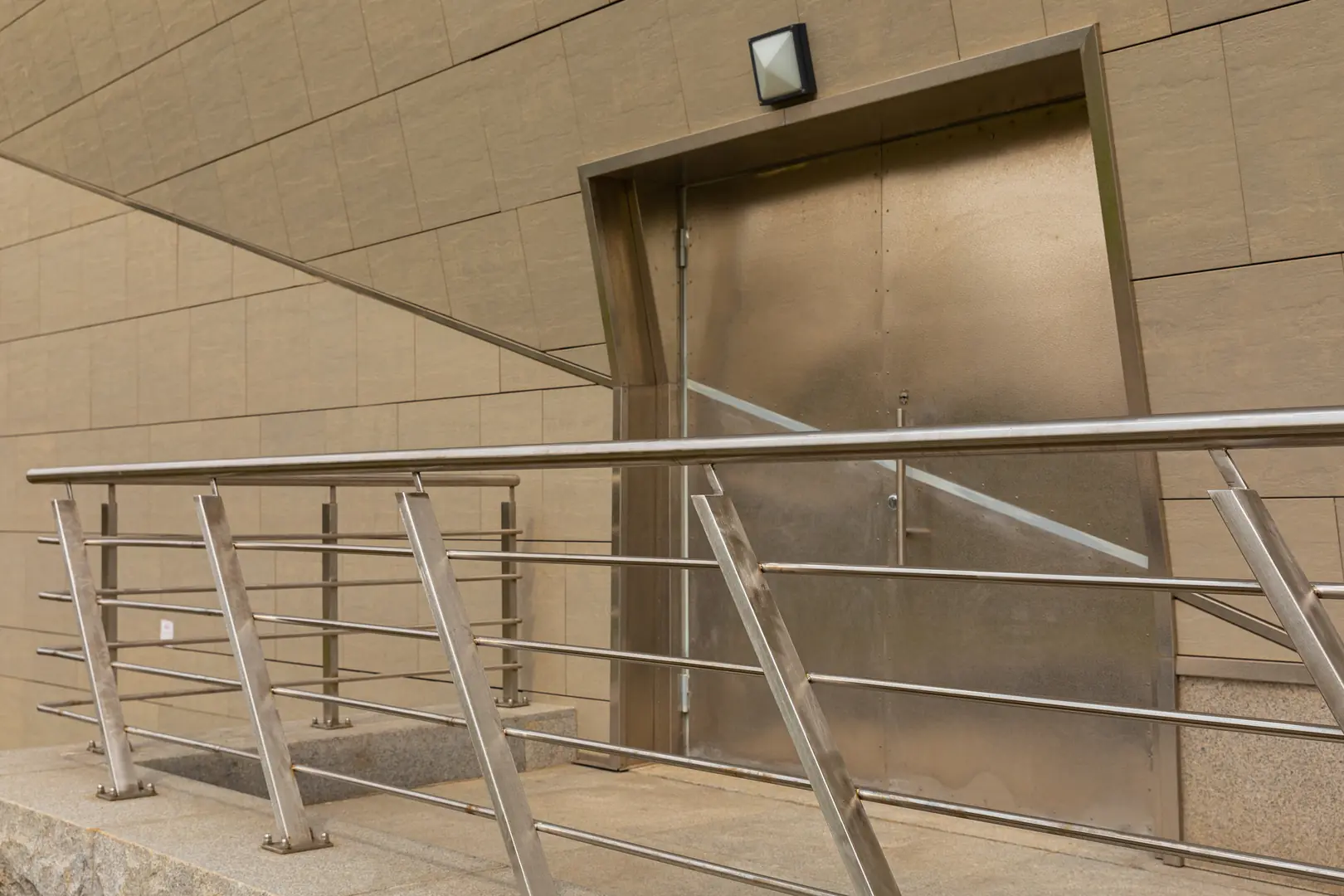
Current trends show 304 is the standard for inland urban infrastructure, including architectural cladding, railings, and interior supports. Grade 316 is the dominant choice for coastal, marine, and heavy industrial projects like bridges, piers, and chemical processing facilities.
The global infrastructure boom has sharpened the focus on material longevity, and the data we see from our projects reflects a growing understanding of lifecycle costing. While project managers are always cost-conscious, there's a clear trend towards specifying the right material for the long haul, rather than just the cheapest option upfront. This strategic thinking is shaping how and where these two primary grades are deployed.
Grade 304: The Urban Standard
In cities and regions away from the coast, 304 stainless steel is king. We supply vast quantities of 304 coils and sheets for projects involving building facades, decorative elements, commercial kitchen equipment, and structural supports in controlled environments. Its clean look, durability, and cost-effectiveness make it the go-to material for architects and contractors working on everything from skyscrapers to public transit stations. Its performance is reliable where the main environmental challenges are rain and general urban pollutants, not aggressive chlorides.
Grade 316: The Coastal and Industrial Guardian
As soon as a project gets near the coast or involves harsh chemicals, the conversation shifts entirely to 316. We see it specified for nearly all major coastal infrastructure: bridges, offshore platforms, desalination plants, and wastewater treatment facilities. The molybdenum content is non-negotiable in these settings. I recently worked with a contractor on a new port development in the Middle East. Every single piece of exposed metal, from the structural beams to the handrails, was specified as 316L. The project's success and safety depend on withstanding the constant salt spray and high humidity, a task only 316 can handle effectively.
| Application | Recommended Grade | Rationale |
|---|---|---|
| Inland Building Facade | 304 | Excellent general atmospheric corrosion resistance. |
| Coastal Bridge Railings | 316 | Essential for resisting chloride-induced pitting from sea salt. |
| Indoor Structural Supports | 304 | Protected environment; 316 is over-specified. |
| Wastewater Treatment Plant | 316 | High exposure to corrosive chemicals and chlorides. |
| Public Transportation Interiors | 304 | Durable, easy to clean, and cost-effective for high-traffic areas. |
What Challenges Do Buyers Face When Choosing Between 304 and 316?
The choice seems straightforward, but it's often not. Budget pressures can force short-sighted decisions that prove costly later. Understanding the key challenges is the first step to avoiding them.
Buyers primarily struggle with balancing the higher upfront cost of 316 against the potential long-term maintenance costs of 304. Other key challenges include accurately assessing environmental risks and verifying material authenticity in a complex supply chain.
In my role, I speak with technical buyers, engineers, and project managers every day. Their challenges are often the same regardless of their location. The pressure to deliver a project on budget is immense, but the pressure to ensure it doesn't fail prematurely is even greater. This conflict is at the heart of the 304 vs. 316 decision.
The Cost vs. Lifecycle Value Dilemma
The most immediate challenge is the price difference. Grade 316 is consistently more expensive than 304 due to the addition of molybdenum, a costly alloying element. For large-scale projects, this price gap can translate into millions of dollars. The temptation to specify 304 to meet initial budget targets is strong. However, this is where a strategic mindset is critical. Opting for 304 in a coastal environment might save money today, but it can lead to massive expenses in 5 to 10 years for repairs, replacement, and downtime. The true cost is not the purchase price; it's the total cost of ownership over the structure's entire life.
Inaccurate Environmental Assessment
Another major hurdle is underestimating the corrosivity of the project's environment. A site might be several kilometers from the coast, but prevailing winds can carry corrosive salt spray much further inland than expected. Similarly, the use of de-icing salts on roads and bridges in colder climates creates a highly corrosive micro-environment that demands the protection of 316. I recall a case with a European client who specified 304 for bridge supports because they were 10km from the sea. They failed to account for the heavy use of de-icing salts in winter and saw significant corrosion within a few years, forcing a very expensive retrofitting project.
Supply Chain and Material Verification
Finally, there is the operational challenge of trust and verification. In a global market, ensuring you are receiving the exact grade you specified is paramount. An unscrupulous supplier might provide a lower-cost alloy that is improperly marked. Without rigorous quality control and material certification, a buyer could unknowingly install 304 in an application that requires 316, leading to catastrophic failure. This is why working with a reputable, integrated supplier like MFY, who provides a full Mill Test Certificate (MTC)[^1] with every shipment, is not just a preference—it's a critical risk management strategy.
What are the Strategies to Overcome These Material Selection Challenges?
Making the wrong choice carries significant risk. A bad decision can compromise your budget, your reputation, and public safety. A strategic, data-driven approach ensures you select the right material every time.
The best strategies are to conduct a formal lifecycle cost analysis (LCCA), perform a detailed site-specific environmental assessment, and partner with a technically proficient supplier who acts as a consultant, not just a vendor.
Overcoming these challenges isn't about guesswork; it's about implementing a clear, logical process. At MFY, we encourage our partners to move beyond simple price comparisons and adopt a more holistic view of material procurement. This approach de-risks their projects and maximizes long-term value.
Embrace Lifecycle Cost Analysis (LCCA)
Instead of focusing solely on the initial procurement cost, a Lifecycle Cost Analysis (LCCA) models the total cost of an asset over its entire service life. This includes the initial price, installation, maintenance, repair, and eventual replacement costs. When you run this analysis, the higher upfront cost of 316 in a corrosive environment is often easily justified by the massive savings in future maintenance and repair. An LCCA transforms the conversation from "which is cheaper?" to "which is the better investment?". It's a powerful tool that aligns the engineering requirements with the financial realities of the project.
Conduct a Site-Specific Corrosion Assessment
Don't rely on general guidelines alone. A proper assessment should consider specific local factors. This includes:
- Proximity to the Coast: Measure the exact distance.
- Prevailing Wind Direction: Determine if winds carry salt spray inland.
- Pollution Levels: Identify nearby industrial plants or high-traffic areas.
- Use of De-icing Salts: A critical factor in colder climates.
Gathering this data allows you to make an informed, evidence-based decision. Sometimes, this may even reveal that different parts of the same project require different grades of steel, allowing for a more optimized and cost-effective material plan.
Partner with a Technical Expert
Your supplier should be more than just a source of material; they should be a partner in your project's success. A knowledgeable supplier can provide invaluable technical guidance, help you interpret environmental data, and ensure the material you receive is certified and meets all specifications. At MFY, our role often extends into consultancy. We see ourselves as part of our clients' team, leveraging our deep industry experience to help them navigate these complex decisions. A strong partnership with your supplier is one of the most effective ways to mitigate risk and ensure you are making the optimal choice.
What are the Technical Recommendations for Using 304 and 316 Stainless Steel?
Choosing the right grade is the first step. Improper fabrication or installation can cause even the best material to underperform. Following key technical best practices is essential for ensuring long-term success.
Our primary recommendation: use 304 for inland projects with low pollution and 316 for any application within 5 kilometers of the coast or in industrial zones. Always ensure proper welding techniques and a smooth surface finish are specified.
Getting the details right during the design and construction phase is just as important as the initial material selection. As a supplier, we want to ensure the high-quality steel we provide delivers its full potential in the final application. Here are a few practical, technical rules that we always share with our clients to guarantee performance and longevity.
The "5-Kilometer Rule" for Coastal Zones
This is a simple but effective rule of thumb we use at MFY. If your project site is located within 5 kilometers (about 3 miles) of a coastline, you should default to specifying Grade 316 for all exterior or exposed components. Within this zone, the concentration of airborne salt is high enough to pose a significant corrosion risk to Grade 304. While a detailed assessment is always better, this rule provides a safe and conservative starting point for any coastal project.
Surface Finish and Maintenance
The finish of the stainless steel surface plays a critical role in its corrosion resistance. A smoother, less porous surface (like a 2B or No. 4 finish) is less likely to trap corrosive particles and is easier to clean. Rougher finishes can harbor contaminants that break down the passive layer[^2]. Furthermore, even stainless steel benefits from periodic cleaning. For infrastructure, this often means designing structures that can be washed down by rain or are accessible for pressure washing with fresh water. This simple maintenance can dramatically extend the service life of the asset.
Fabrication and Welding Considerations
The integrity of a stainless steel structure is often determined by the quality of its welds. It is critical to use the correct filler material when welding. For example, when welding 316 steel, you must use a 316L filler rod to ensure the weld seam has the same corrosion-resistant properties as the base metal. Using a 308 filler (for 304 steel) would create a weak point that is susceptible to corrosion. Post-weld cleaning to remove heat tint and surface contaminants is also essential to restore the passive layer at the weld zone.
| Guideline | Recommendation for 304 | Recommendation for 316 |
|---|---|---|
| Environment | Inland, low-pollution areas | Coastal (within 5km), industrial, de-icing salt zones |
| Welding Filler | Type 308/308L | Type 316/316L |
| Surface Finish | 2B or No. 4 finish recommended | Smoother finish (e.g., 2B) is critical for performance |
| Maintenance | Routine cleaning to remove dirt | Regular freshwater washing to remove chloride deposits |
Conclusion
The choice between 304 and 316 stainless steel is a strategic one. It's not about which grade is better, but which is right for the specific application. 304 is the reliable workhorse for general use, while 316 is the essential investment for ensuring durability in harsh environments.
Have Questions or Need More Information?
Get in touch with us for personalized assistance and expert advice.




 English
  Русский