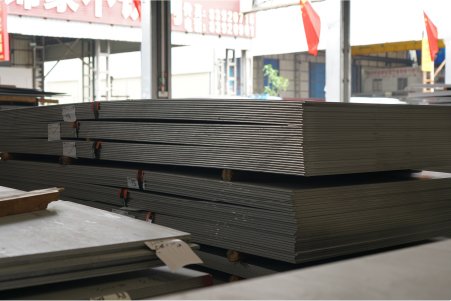
How to Buy ISO-Certified Stainless Steel Coils Reliably in China
Sourcing quality steel from China is complex, and a wrong choice can lead to costly project delays. The key is to focus on ISO certification[^1] and a strategic supplier verification process.
To reliably buy ISO-certified stainless steel coils in China, you must implement a multi-step process. This includes verifying the supplier's ISO 9001 and other relevant certificates with the issuing body, requesting detailed Mill Test Certificates (MTCs), and partnering with suppliers who offer transparent communication.
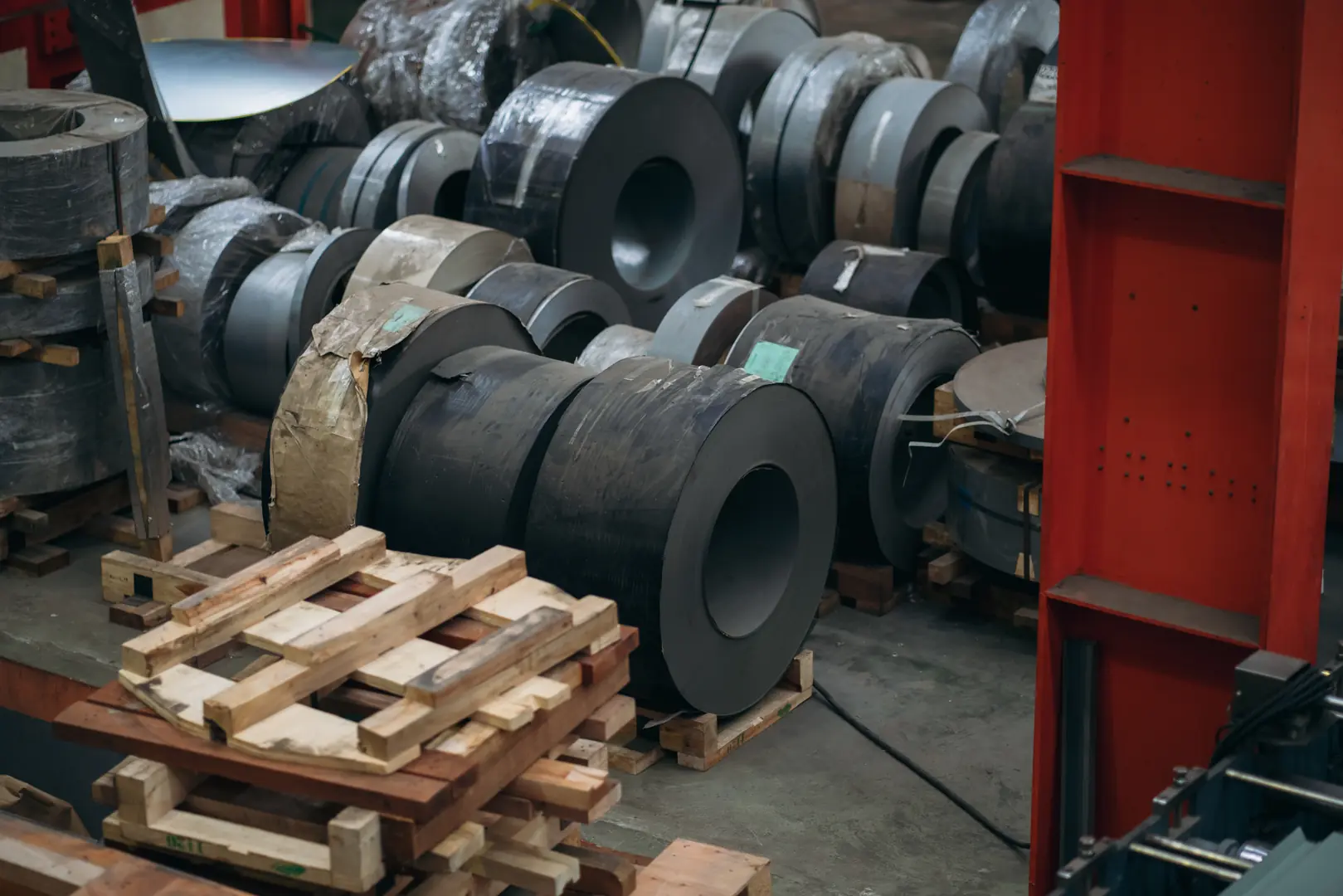
Navigating the global supply chain for industrial materials can feel daunting, but it doesn't have to be. As the Global Business Director at MFY, I've spent years helping partners worldwide secure high-quality stainless steel from China. The secret isn't just finding a supplier; it's about finding the right partner. It's a process that balances verification with relationship-building. Let me walk you through the exact steps we advise our clients to take to ensure every purchase is reliable, compliant, and adds value to their operation.
Why is ISO Certification So Important for Stainless Steel Coils?
Inconsistent material quality is a major risk in manufacturing and construction. This inconsistency can damage your equipment, tarnish your reputation, and lead to significant financial losses. ISO certification provides a globally recognized benchmark for quality and reliability.
ISO certification is crucial because it guarantees the stainless steel coils are produced under a system that meets international standards for quality management (ISO 9001), environmental responsibility (ISO 14001), and safety. This minimizes risk and ensures product consistency for your projects.
An ISO certificate is far more than a piece of paper; it’s a window into a manufacturer's operational soul. It tells you that the company has invested time, capital, and effort into building robust, repeatable processes. When we achieved our ISO certifications at MFY, it wasn't just about passing an audit. It was about embedding a culture of continuous improvement into everything we do, from sourcing raw materials to final shipment. This commitment is what separates a mere trader from a true production partner. I remember a client in Germany who was hesitant about sourcing from a new Chinese supplier. The moment we showed them our verified ISO 9001 and ISO 14001 certifications, their confidence grew, because they knew our processes were as rigorous as the ones they followed back home.
The Core ISO Standards to Look For
When evaluating a supplier, you should look for a few key certifications. Each one tells a different part of the supplier's story and commitment to excellence.
| Certification | What It Means for You, the Buyer |
|---|---|
| ISO 9001 | Quality Management: The supplier has a proven system for consistently meeting customer requirements and statutory regulations. This is non-negotiable. |
| ISO 14001 | Environmental Management: The supplier manages its environmental responsibilities, indicating a commitment to sustainability and modern practices. |
| ISO 45001 | Occupational Health & Safety: The supplier prioritizes a safe and healthy workplace, reducing the risk of operational disruptions. |
Beyond the Certificate: A Commitment to Excellence
A truly reliable supplier sees certification not as a final goal, but as a foundation. They build upon it by investing in technology and transparency. For instance, a company committed to ISO 9001 principles is more likely to implement digital tracking systems that allow you to monitor your order in real-time. This integration of certification and technology is the hallmark of a modern, world-class supplier. It transforms the relationship from a simple transaction into a transparent partnership.
How Do You Research Reliable Stainless Steel Suppliers in China?
China's supplier market is vast and can feel overwhelming. Choosing a partner blindly from a directory is a recipe for disaster, leading to potential quality issues or scams. A structured, multi-pronged research approach is essential.
Begin your research on major B2B platforms like Alibaba, but always verify information independently. Attend industry trade shows, consult trade associations, seek referrals from your network, and prioritize suppliers who maintain a strong, transparent, and professional online presence.
The search for a great partner is an active one. You can't just wait for them to find you. I've walked the floors of countless trade shows, from Düsseldorf to Shanghai, and the conversations you have face-to-face are invaluable. But in today's world, a supplier's digital footprint is just as important. A well-maintained website with clear product specifications, case studies, and accessible contact information speaks volumes about their professionalism. We invested heavily in our digital infrastructure at MFY precisely for this reason—to make it easy for potential partners to understand who we are and what we stand for before they even send the first email.
Digital Footprint vs. Reality
A supplier's online presence is their global storefront. Look for clear, detailed information. Are their product specifications comprehensive? Do they showcase their facilities with real photos and videos, not just stock images? Do they have case studies or testimonials from international clients? A company that is proud of its operations will be eager to show them off. Be wary of websites that are vague or have out-of-date information. A strong digital presence often correlates with a modern, customer-focused operational philosophy.
The Power of Human Networks
Never underestimate the value of a good referral. Talk to others in your industry. Ask who they trust and why. Trade shows are another fantastic resource. At the Canton Fair last year, I met an engineer from Brazil who was struggling with inconsistent coil quality. We spent an hour discussing his specific needs, not just selling. That conversation led to a site visit and, eventually, a long-term partnership. These in-person interactions build a level of trust that digital communication alone cannot. A reliable supplier will have a strong presence both online and within the physical industry community.
What's the Best Way to Verify a Supplier's Certifications and Credentials?
The risk of fraudulent certificates, while not rampant, is real. Accepting a fake document can void your project's compliance and expose you to significant liability. You must adopt a "trust, but verify" mindset.
Never take a certificate at face value. Request a high-resolution copy, note the certification number and the issuing body, and then visit the official website of that accreditation body (e.g., IAF, SGS) to use their online database and confirm the certificate's authenticity and validity.

This step is non-negotiable. I once helped a new client who was about to place a large order with a supplier they found online. Everything looked good on the surface, but something about the certificate they were sent felt off. The resolution was low, and the supplier was hesitant to provide a clearer copy. We took the certificate number and tried to verify it on the issuing body's public database. It came back as invalid. That simple, five-minute check saved the client from what would have been a six-figure mistake. A legitimate, proud supplier will be happy to help you verify their credentials; any hesitation is a major red flag.
A Step-by-Step Verification Checklist
Follow these simple steps to protect yourself:
- Request a Clear Copy: Ask for a high-resolution PDF of the certificate, not a low-quality image.
- Identify the Issuing Body: Note the name of the organization that issued the certificate (e.g., TÜV, Bureau Veritas, SGS).
- Check Key Details: Confirm that the company name, address, and scope of certification match the supplier's details and your needs. Check the issue and expiry dates.
- Verify Online: Go directly to the issuing body's website. Most have a public directory or online tool where you can input the certificate number to confirm its status.
- Cross-Reference: If possible, check if the issuing body itself is accredited by a recognized international body like the International Accreditation Forum (IAF).
Red Flags to Watch For
Be cautious if you encounter any of the following:
- The supplier refuses to provide a clear copy of the certificate.
- The details on the certificate (company name, address) do not match their other business documents.
- The certificate has expired, or the expiry date is suspiciously far in the future.
- You cannot find the certificate in the issuing body's online database.
How Can You Effectively Assess the Quality and Specifications of the Coils?
The specifications listed on a quote do not always perfectly match the physical product delivered. Receiving off-spec material can halt your production lines and lead to costly rework or waste. You need objective proof of quality.
Always demand a detailed Mill Test Certificate (MTC) or Material Test Report (MTR) for each specific coil or batch. This document provides the exact chemical composition and mechanical properties. For critical orders, invest in a pre-shipment inspection (PSI) by a trusted third-party agency.
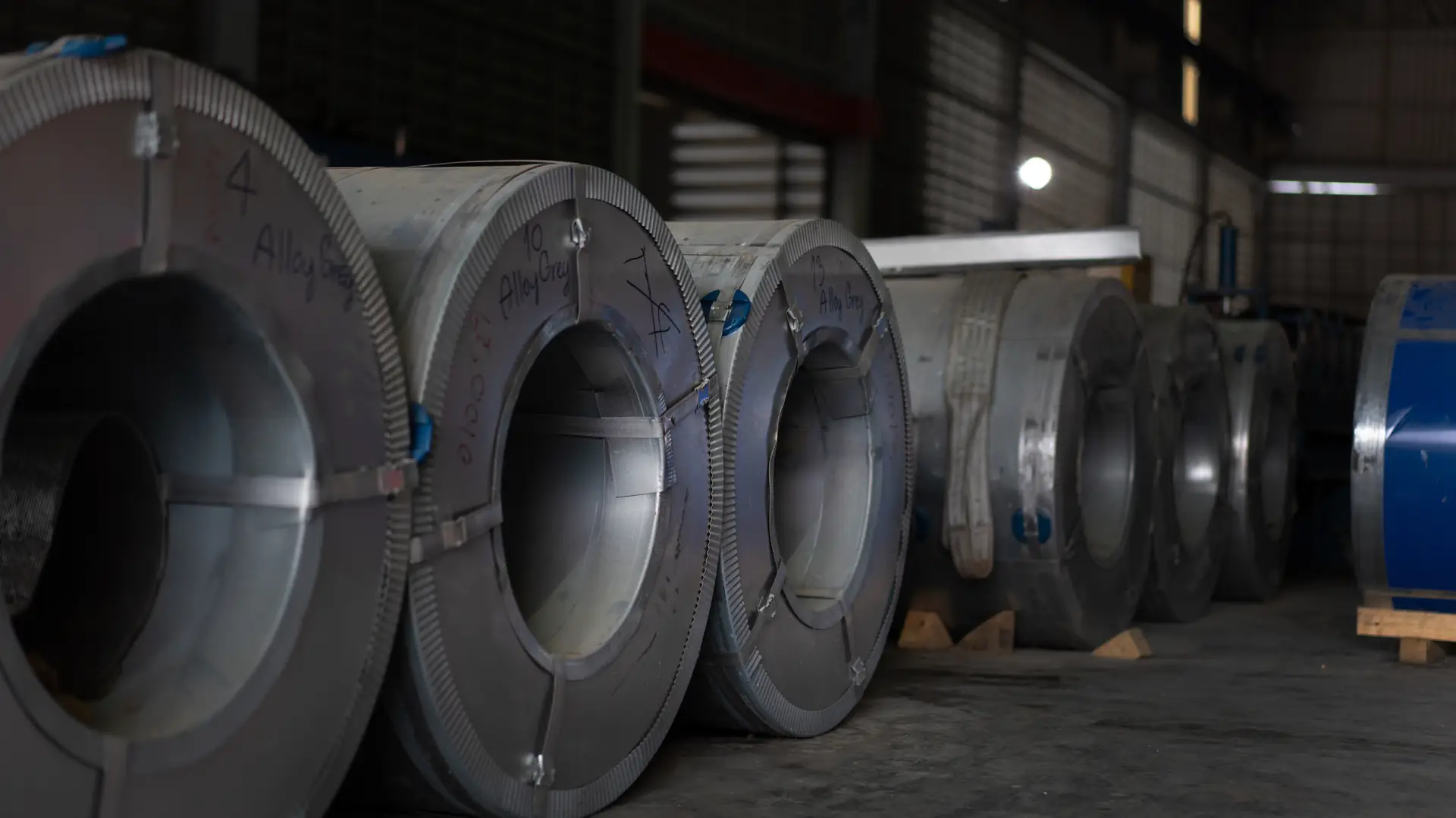
The MTC is the coil's birth certificate. It tells you everything about its character and performance. At MFY, every coil that leaves our facility is accompanied by a detailed MTC that links directly back to the heat number from the furnace. This level of traceability is fundamental to quality assurance. For larger or highly specialized orders, we actively encourage our clients to arrange a third-party inspection. We welcome it. It’s an opportunity for us to demonstrate the quality of our work and the transparency of our processes. A supplier who resists or discourages inspection is a supplier you should be wary of.
Decoding the Mill Test Certificate (MTC)
The MTC is a technical document, but you should focus on a few key areas to ensure the material meets your requirements.
| MTC Section | What to Check |
|---|---|
| Chemical Composition | Verify that elements like Chromium (Cr), Nickel (Ni), and Molybdenum (Mo) are within the specified range for the grade (e.g., 304, 316L). |
| Mechanical Properties | Check the Tensile Strength, Yield Strength, and Elongation values. Ensure they meet the standard's requirements and your project's needs. |
| Traceability | Confirm the Heat Number or Lot Number on the MTC matches the markings on the physical coil. |
The Strategic Value of a Third-Party Inspection
Hiring an independent inspector from a company like SGS, Bureau Veritas, or Intertek is not a cost—it's an insurance policy. For a relatively small fee, they will visit the supplier's facility, physically inspect the goods, verify specifications, and oversee the loading process. This provides an unbiased report on the quality of your order before it leaves the port, giving you ultimate peace of mind and leverage in case of any discrepancies. A modern, reliable partner will not only welcome this but may have their own digital quality control systems to share data with you even before the inspector arrives.
What are the Keys to Negotiating Terms and Ensuring Secure Transactions?
Unclear contractual terms can lead to serious disputes down the road. Financial risks and unexpected shipment delays can be incredibly stressful and damaging to your business. The solution is to establish crystal-clear contracts and use secure, internationally recognized payment methods.
Define all terms in a comprehensive sales contract, including detailed specifications, price, delivery schedule, and Incoterms (e.g., FOB, CIF). For large orders, use secure payment methods like a Letter of Credit (L/C) to protect both the buyer and seller.
A good contract is the foundation of a good partnership. It protects everyone by ensuring there are no misunderstandings. It’s about creating clarity, not mistrust. In my experience, the negotiation process itself is a test of the supplier's character. Are they transparent? Are they flexible? Do they work with you to find mutually agreeable terms? This is where technology again plays a crucial role. At MFY, we provide our partners with a digital portal where they can track every stage of their order, from production scheduling to vessel loading. This transparency is built on the contract but goes beyond it, offering real-time assurance that we are meeting our commitments.
Essential Contract Clauses
Your purchase contract should, at a minimum, clearly define:
- Product Description: Grade, finish, dimensions, weight, and reference to international standards (e.g., ASTM, EN).
- Quantity: Including any agreed-upon tolerance (e.g., +/- 5%).
- Price and Currency: The unit price and total value in the agreed currency.
- Payment Terms: The method (e.g., Telegraphic Transfer T/T, Letter of Credit L/C), and the schedule (e.g., 30% deposit, 70% against Bill of Lading).
- Incoterms® 2020: The shipping term (e.g., FOB Shanghai, CIF Rotterdam) that defines who is responsible for the goods at each stage of transit.
- Inspection Clause: The right for you or a third party to inspect the goods before shipment.
- Documentation: A list of all required documents (MTC, Bill of Lading, Certificate of Origin, etc.).
Leveraging Technology for Transactional Security
Beyond the traditional L/C, the most reliable suppliers are now using technology to enhance security and transparency. Look for partners who offer integrated platforms where you can view production progress, see quality control reports as they are generated, and track your shipment with live updates. This digital integration is the future of reliable global sourcing. It moves the relationship from being purely transactional to being truly collaborative, fostering the trust needed for a successful long-term partnership.
Conclusion
Sourcing ISO-certified coils from China is a strategic process that goes beyond finding the lowest price. It requires diligent research, thorough verification, and a focus on partnering with suppliers who prove their commitment to quality not just with certificates, but through transparent processes and modern technological integration.
Have Questions or Need More Information?
Get in touch with us for personalized assistance and expert advice.




 English
  Русский