Corrosion Risk Assessment: Water Exposure and Stainless Steel Grades
Choosing the wrong steel for water applications can lead to catastrophic failures. This damages your project, your budget, and your reputation. The solution is mastering corrosion risk assessment[^1] from the start.
Assessing corrosion risk involves analyzing water chemistry (chlorides, pH), temperature, and flow rate to match the environment with the appropriate stainless steel grade, like 304 for freshwater or 316L for saltwater, preventing premature failure and ensuring long-term durability.
As the Global Business Director at MFY, I've seen firsthand how a small miscalculation in material selection can snowball into a massive operational headache. The "stainless" in stainless steel isn't a magical shield; it's a property that depends entirely on a careful balance between the steel's chemistry and its working environment. Understanding this balance is what separates a successful, long-lasting project from a costly mistake. Let's dive into how you can make the right call every time.
What are the common corrosion issues faced by stainless steel under water exposure?
You see 'stainless' and assume it's invincible. But then unexpected pitting or cracks appear, compromising your entire system. Knowing the specific corrosion types is the first step to prevention.
The most common issues are pitting corrosion (small holes), crevice corrosion (in tight gaps), and stress corrosion cracking (cracks from tensile stress and a corrosive environment). These localized attacks can cause catastrophic failures even with minimal overall metal loss.
When we talk about corrosion, most people picture uniform rusting across a surface. With stainless steel, the reality is often more subtle and far more dangerous. The attack is localized, meaning it concentrates on small, specific areas while the rest of the surface looks perfectly fine. I remember a client in the marine sector who used a standard-grade steel for a seawater intake pipe. Within a year, the pipe failed. On the outside, it looked almost new, but a closer inspection revealed deep pits that had gone straight through the pipe wall. This is a classic example of localized corrosion.
Pitting Corrosion: The Silent Attacker
Pitting is a form of extremely localized corrosion that leads to the creation of small holes in the metal. It's initiated by environments high in chlorides, like seawater or certain industrial fluids. Once a pit starts, the chemical environment inside it becomes more aggressive than the surrounding water, accelerating the corrosion process from within. This is why it's so insidious; a structure can be compromised long before any widespread visual signs appear.
Crevice Corrosion: The Hidden Danger
Crevice corrosion happens in tight, shielded spaces where water can become stagnant. Think about the areas under gaskets, seals, or bolt heads. In these crevices, the lack of oxygen prevents the steel's protective layer from reforming, creating a perfect spot for chlorides to concentrate and initiate corrosion. It's an out-of-sight, out-of-mind problem until it causes a leak or a failure.
| Corrosion Type | Key Cause | Appearance | Common Location |
|---|---|---|---|
| Pitting Corrosion | High chloride concentration | Small, deep holes or "pits" | Flat surfaces exposed to saltwater |
| Crevice Corrosion | Stagnant water in tight gaps | Localized attack under seals/bolts | Gaskets, washers, joints |
| Stress Corrosion Cracking | Tensile stress + corrosive agent | Fine cracks, often invisible | Welded areas, high-load parts |
Why does water exposure lead to corrosion in certain stainless steel grades?
You've chosen stainless steel, but it's still corroding in water. This makes you question the material's quality and your investment. The answer lies in the grade's specific alloy composition.
Corrosion occurs because water, especially with chlorides, can break down the steel's passive chromium oxide layer. Lower-grade steels lack sufficient chromium and other elements like molybdenum to repair this protective layer quickly, leading to localized electrochemical attacks.

The secret to stainless steel's resilience is a thin, invisible film on its surface. This is known as the passive layer. It forms instantly when the chromium in the steel is exposed to oxygen. This layer is what protects the iron in the alloy from rusting. However, this layer is not indestructible. The fundamental driver of corrosion is the electrochemical interaction between the alloy and its environment. When aggressive elements like chlorides are present, they can locally break down this passive film. In a high-quality, appropriate grade, the layer can heal itself almost instantly. But if the grade isn't suited for the environment, the breakdown happens faster than the repair, and corrosion begins.
The Protective Passive Layer
Think of the passive layer as the steel's immune system. It’s a dynamic barrier, constantly repairing itself from minor scratches and chemical attacks. Its strength is directly related to the amount of chromium in the alloy—a minimum of 10.5% is required for a steel to even be considered 'stainless'. More chromium generally means a more robust and stable passive layer.
The Role of Alloying Elements
This is where grade selection becomes critical. While chromium forms the passive layer, other elements help enhance it. Molybdenum, for instance, is a key additive in grades like 316 and 316L. It significantly increases the steel's ability to resist pitting and crevice corrosion, especially in chloride-rich environments. It does this by helping the passive layer reform more quickly and making it more resilient to attack. This is why simply choosing "stainless steel" isn't enough; you must choose the grade with the right alloying elements to fight the specific environmental threats it will face.
How do different environmental factors influence corrosion rates of stainless steel?
A steel grade works perfectly in one location but fails in another. This inconsistency is frustrating and makes project planning difficult. The local environment is the critical, variable factor.
Key factors include chloride concentration, pH level, temperature, and water flow rate. Higher chlorides and temperatures accelerate corrosion, while very low or high pH levels can compromise the steel’s passive layer. Stagnant water also promotes crevice corrosion.

At MFY, a huge part of our advisory work involves helping clients analyze their specific operating environment. You cannot select the right material without first quantifying the risks. For a chemical processing plant client in Southeast Asia, we had to account for not just the water's base chemistry but also the high ambient humidity and significant temperature spikes during processing cycles. Each of these factors acts as a corrosion accelerator, and failing to consider even one can lead to an incorrect material specification. A precise environmental analysis is the foundation of a durable and cost-effective stainless steel application.
Chloride Concentration
This is the number one enemy of stainless steel. Chlorides are found in seawater, de-icing salts, and many industrial chemicals. The higher the concentration, the greater the risk of pitting and crevice corrosion.
Temperature and pH
Higher temperatures speed up most chemical reactions, including corrosion. A system that is stable at 20°C might corrode rapidly at 60°C. Similarly, the pH of the water matters. While stainless steel performs well in neutral pH ranges, highly acidic (low pH) or highly alkaline (high pH) conditions can aggressively attack the passive layer.
Water Flow and Oxygenation
Stagnant water is a major risk factor for crevice corrosion because it allows chlorides to concentrate and depletes oxygen needed for passive layer repair. Conversely, very high flow rates can cause erosion-corrosion, where the sheer force of the water physically wears away the passive layer.
| Environmental Factor | Low Risk Condition | High Risk Condition |
|---|---|---|
| Chlorides | Low concentration (e.g., freshwater) | High concentration (e.g., seawater) |
| Temperature | Low / ambient | High / fluctuating |
| pH Level | Neutral (6.5 - 8.0) | Highly acidic or alkaline |
| Water Flow | Moderate, consistent flow | Stagnant or very high velocity |
What are the best stainless steel grades to use for minimizing corrosion risk in water environments?
With so many grades, choosing the right one feels like a gamble. The wrong choice means budget overruns and early replacement. Matching the grade to the specific water environment is key.
For freshwater, Grade 304 is often sufficient. For saltwater or high-chloride environments, Grade 316 or 316L, with their added molybdenum, are essential. For extremely harsh conditions, duplex stainless steels like 2205 offer superior strength and corrosion resistance.
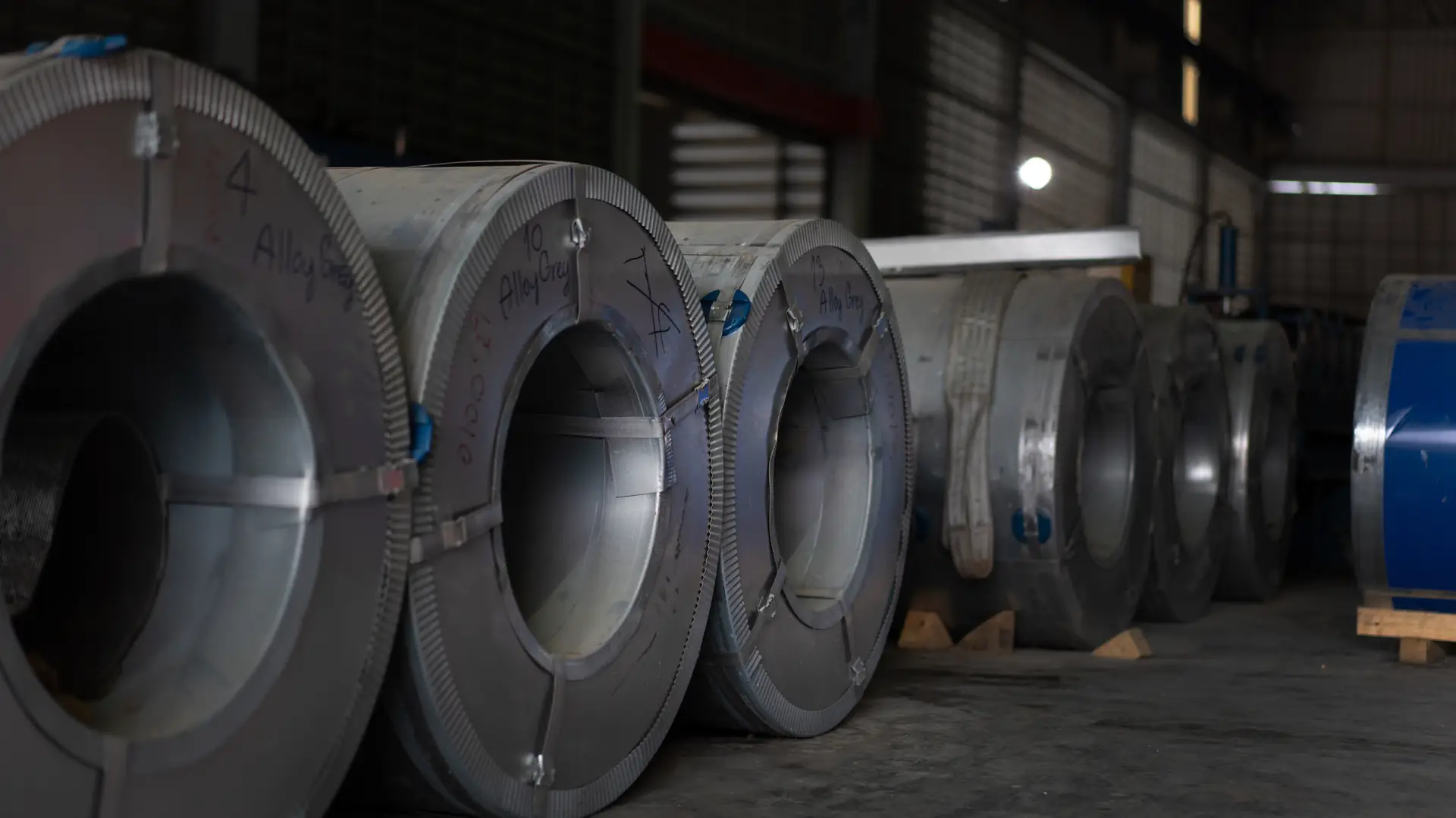
The conversation about grades is really a conversation about cost versus performance. Yes, a higher-grade steel like 316L is more expensive upfront than 304. But it is far cheaper than replacing a failed system in just a few years. The goal is to select the most cost-effective material over the entire life of the project. This is where MFY’s integrated supply chain strength comes into play; we can source and deliver the precise grade you need, whether it's a common 304 coil or a specialized duplex plate, ensuring you don't overpay for performance you don't need or under-spec and risk failure.
The Workhorse: Grade 304
This is the most common stainless steel in the world. It’s great for kitchen sinks, food processing, and general architectural use. It performs well in freshwater environments but is vulnerable to pitting in any setting with more than a minimal amount of chlorides.
The Marine Standard: Grade 316/316L
The key difference here is the addition of about 2-3% molybdenum. This single element dramatically enhances its resistance to chlorides. This makes 316 the minimum standard for marine applications, coastal construction, and chemical processing. The "L" in 316L stands for "low carbon," which improves weldability by reducing the risk of corrosion at the weld seams.
The High-Performer: Duplex Grades
For the most demanding applications—like offshore oil rigs or desalination plants—duplex stainless steels such as 2205 are the answer. They have a mixed microstructure that gives them roughly twice the strength of standard grades and superior resistance to all forms of corrosion.
| Grade | Key Elements | Best For | Cost-Benefit |
|---|---|---|---|
| 304 | 18% Cr, 8% Ni | Freshwater, low-chloride | Lowest cost, good general use |
| 316/316L | 16% Cr, 10% Ni, 2% Mo | Saltwater, industrial, coastal | Higher cost, essential for chlorides |
| Duplex 2205 | 22% Cr, 5% Ni, 3% Mo | Harsh marine, chemical | Highest cost, superior strength/resistance |
How can industries effectively manage and prevent corrosion in stainless steel water systems?
You've installed your system, but the work isn't over. Neglecting maintenance can undo all your careful planning and material selection. A proactive management strategy is non-negotiable for longevity.
Effective management includes proper initial design to avoid crevices and stagnant areas, regular cleaning and inspection to remove deposits, and monitoring water chemistry. A combination of correct grade selection and proactive maintenance ensures maximum system lifespan.
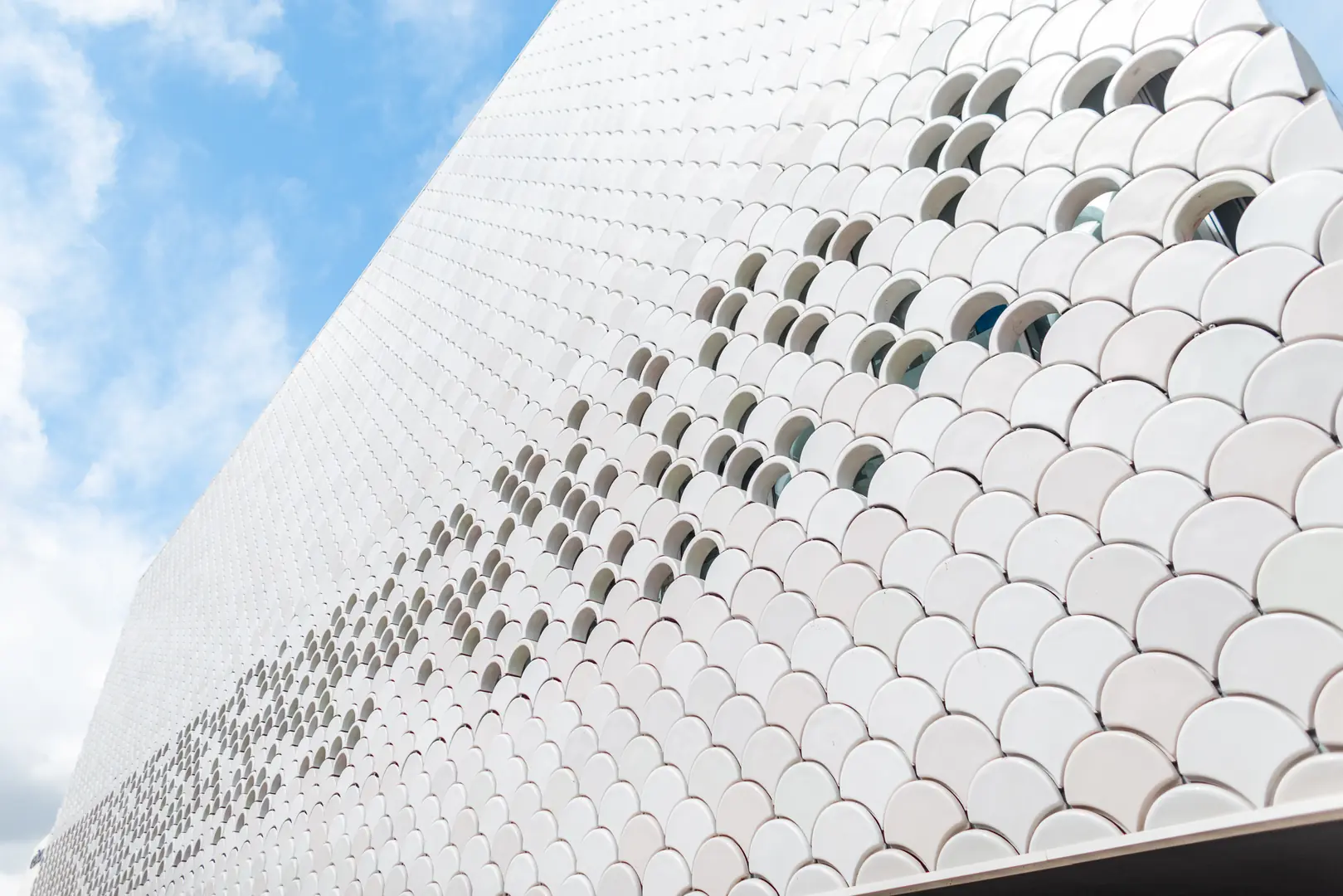
True success in material application is about the entire lifecycle, not just the initial purchase. At MFY, we don't just supply steel; we advise our partners on system design and maintenance protocols. I once worked with a client who had selected the perfect 316L grade for their coastal facility, but their pipe layout included low points where water would pool. We helped them redesign the layout to ensure complete drainage, eliminating potential sites where corrosive agents could collect and cause crevice corrosion. This holistic approach, from grade selection to design and maintenance, is what turns a good material into a great long-term investment. It's how you reduce maintenance costs and extend the structural life of your assets.
Design for Prevention
The best way to fight corrosion is to design it out of the system from the start. This means ensuring smooth surfaces, using butt welds instead of lap joints to eliminate crevices, and designing for good drainage to prevent stagnant water. Proper welding technique is also crucial, as overheating can damage the steel's corrosion resistance in the affected zone.
The Importance of Regular Maintenance
Even the best-designed system needs care. Regular cleaning is vital to remove surface deposits that could lead to pitting or crevice corrosion. A simple wash-down with fresh water can make a huge difference, especially in coastal areas where salt can build up. Inspections should be routine to catch any early signs of trouble before they become major problems.
Monitoring and Control
For critical industrial systems, ongoing monitoring of the water chemistry is essential. Keeping track of pH, chloride levels, and temperature allows you to anticipate problems and adjust operating conditions or maintenance schedules accordingly. This data-driven approach turns corrosion management from a reactive task into a proactive strategy.
Conclusion
Choosing the right stainless steel is not about the material alone, but its interaction with the specific water environment. By assessing factors like chlorides and temperature and matching them with grades like 304 or 316L, you ensure durability, reduce costs, and secure your investment.
Have Questions or Need More Information?
Get in touch with us for personalized assistance and expert advice.



 English
  Русский