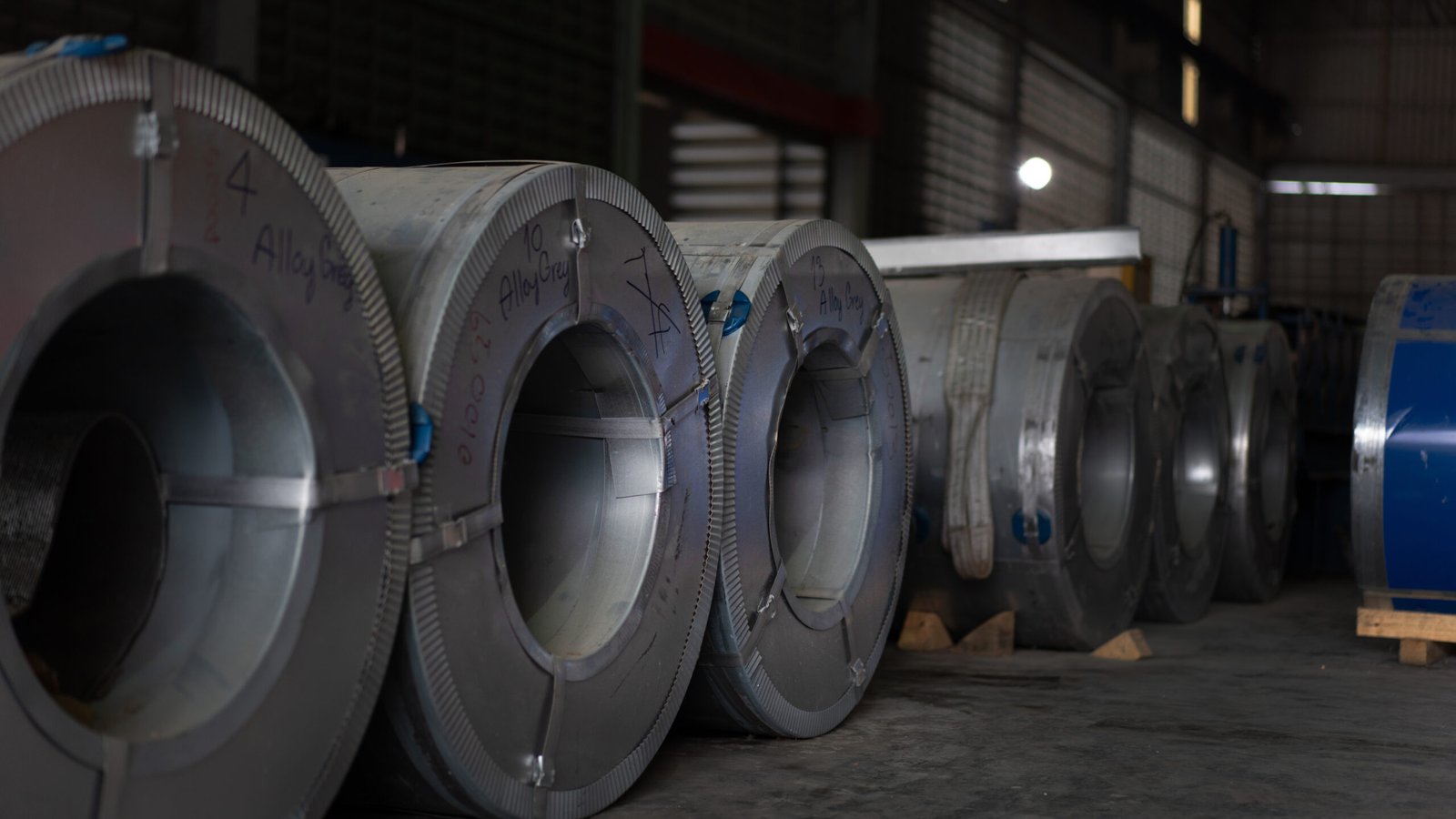
Global Stainless Steel Coil/Sheet Procurement Guide & Rapid Delivery
Struggling with complex global procurement? Volatile prices and unreliable shipping can disrupt your entire operation, costing you time and money. This guide simplifies the process, ensuring you get what you need, fast.
Mastering global stainless steel procurement requires a five-step approach: understanding market dynamics, vetting suppliers with integrated supply chains, streamlining the purchasing process, enforcing strict quality control, and implementing strategies that prioritize logistics and inventory for rapid, reliable delivery.
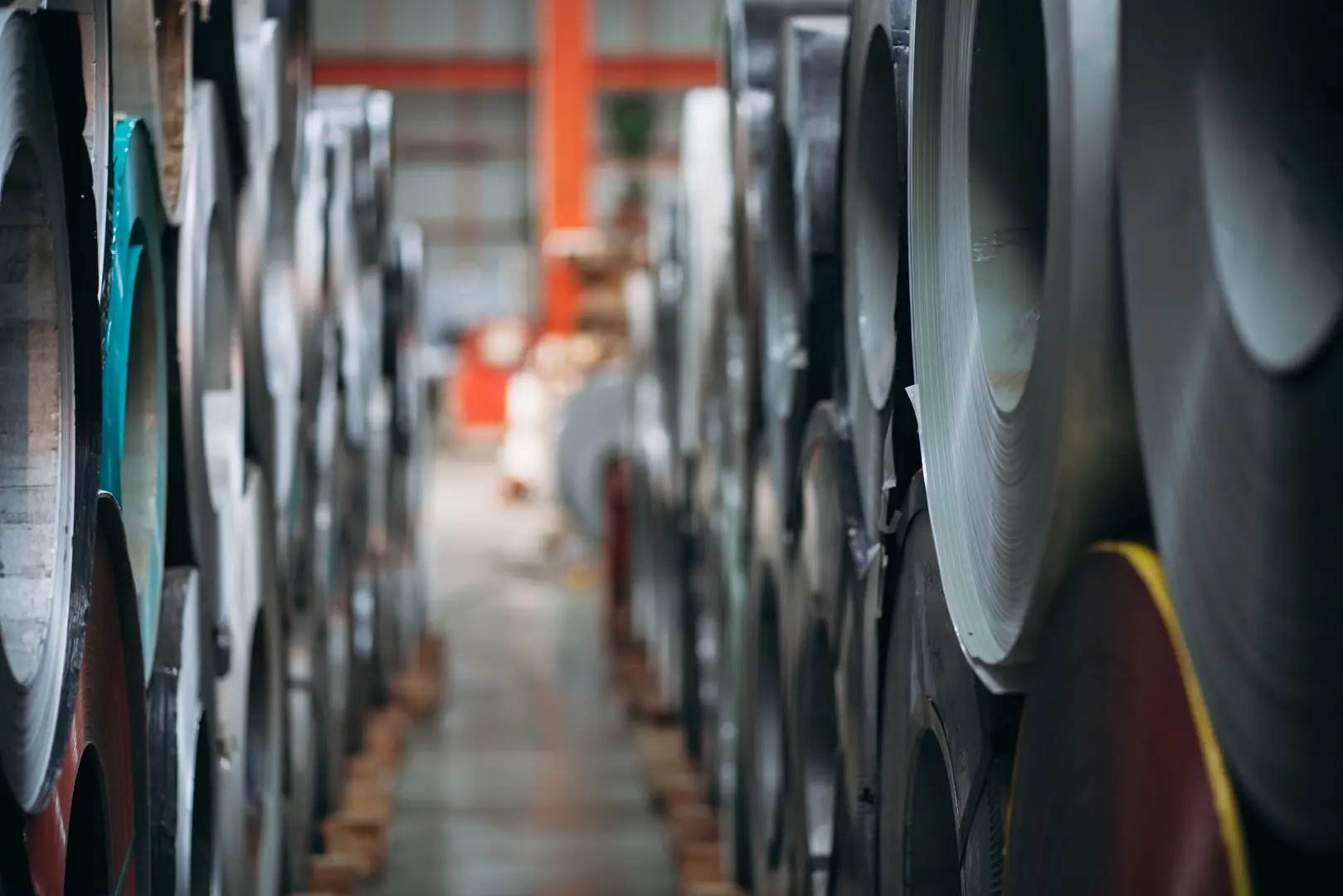
In my role as Global Business Director at MFY, I’ve guided countless partners through the complexities of sourcing stainless steel from Asia. The difference between a successful project and a failed one often comes down to the strength and agility of your supply chain. It's not just about finding the lowest price; it's about building a procurement strategy that delivers value, quality, and speed. Let's walk through the five essential steps to build that strategy and give your business a competitive edge.
How Do You Understand the Global Market for Stainless Steel Coils and Sheets?
Feeling lost in market volatility? Sudden price spikes and supply chain shifts can dismantle your budget and project timelines. The key is to focus on the core drivers to anticipate change.
To understand the market, you must analyze raw material price trends (like nickel), geopolitical factors affecting trade, and regional production capacities. This knowledge helps you forecast costs and supply availability effectively.

To make informed procurement decisions, you have to look beyond the daily price fluctuations. The global stainless steel market is a complex ecosystem influenced by a few critical factors. At MFY, we monitor these daily because they directly impact our clients' bottom line. Understanding them is the first step toward building a resilient supply chain.
Raw Material Volatility
The price of stainless steel is fundamentally tied to the cost of its raw materials, primarily nickel and chromium. Nickel prices, in particular, are notoriously volatile and can be swayed by everything from mining output to demand from the electric vehicle battery sector. When you see nickel prices[^1] trending up on the London Metal Exchange (LME), you can anticipate a corresponding increase in stainless steel costs. Tracking these core components gives you a crucial forecasting advantage.
Geopolitical and Trade Dynamics
We operate in a globalized world, but trade is not always seamless. Tariffs, trade agreements, and geopolitical tensions can instantly alter the flow of materials and add unexpected costs. A new anti-dumping duty or a shipping lane disruption can completely change the calculus of sourcing from a particular region. This is why having a partner with deep roots and a clear understanding of the local and global political landscape is invaluable. It helps mitigate risks that aren't always obvious on a spreadsheet.
Regional Production Hubs
Different regions have different strengths. China, for instance, is a dominant force in production capacity, which allows for economies of scale and competitive pricing. However, it's essential to understand the specific capabilities and logistical infrastructure of each hub.
| Factor | Impact on Procurement | What to Monitor |
|---|---|---|
| Nickel/Chromium Prices | Directly affects material cost and price validity. | LME and market futures reports. |
| Trade Policies/Tariffs | Can add significant unexpected costs and delays. | Government trade announcements and industry news. |
| Shipping Lane Stability | Impacts delivery times and freight costs. | Global logistics and maritime news. |
| Energy Costs | Influences production costs at the mill level. | Regional energy price indexes. |
How Can You Identify Reliable Suppliers for Stainless Steel Products?
Finding a trustworthy supplier feels like a gamble. A bad partnership leads to costly delays, poor quality, and endless frustration. The solution is to look for integrated suppliers with proven track records.
Identify reliable suppliers by verifying their certifications (ISO 9001), assessing their production capacity, checking client testimonials, and prioritizing partners with fully integrated supply chains for greater control and transparency.
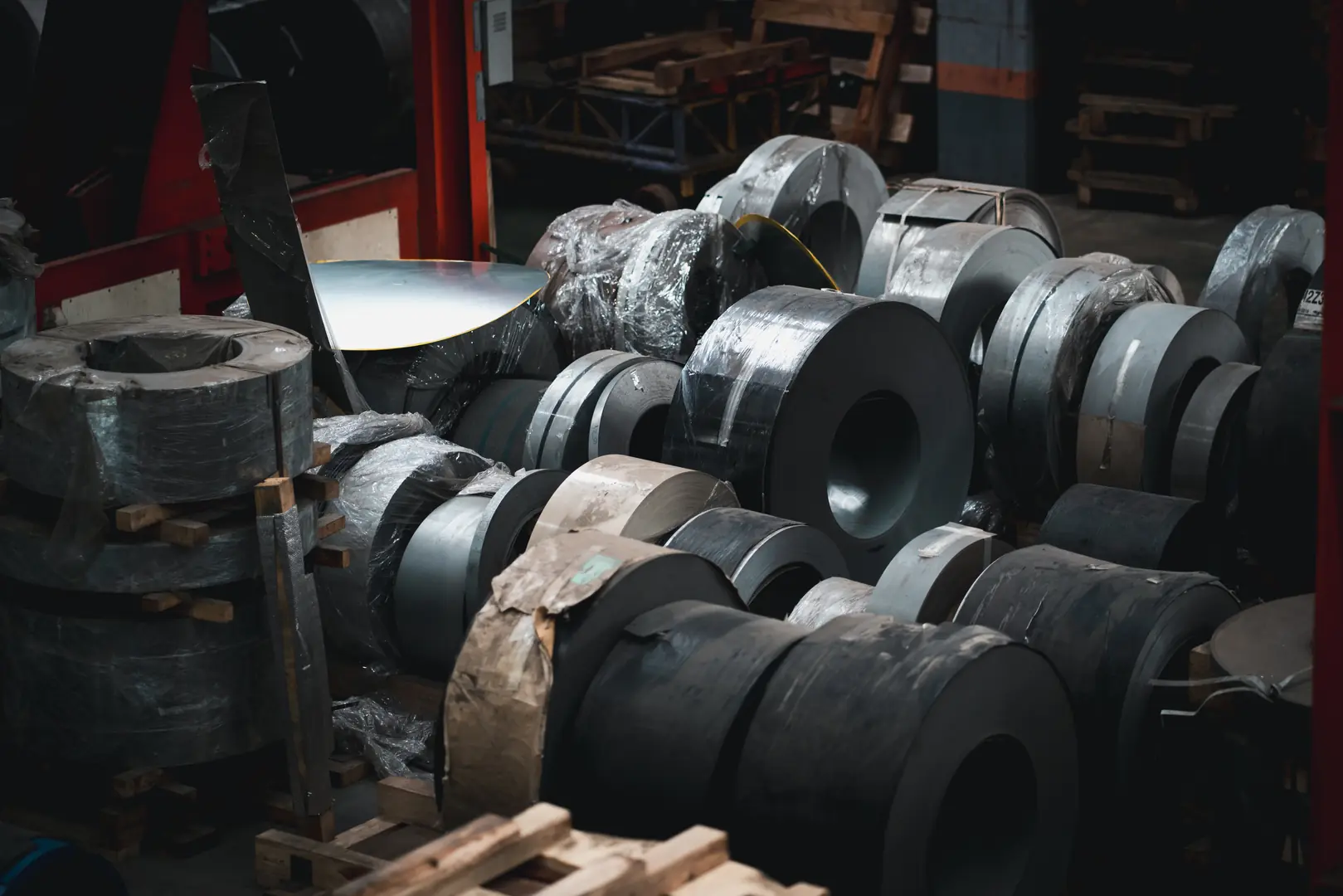
Your supplier is more than just a vendor; they are a strategic partner. The right one will enhance your operational efficiency, while the wrong one will become a constant source of problems. The selection process should be rigorous and focused on long-term value, not just the initial quote.
Beyond the Price Tag
The lowest offer is rarely the best deal. A cheap price can hide costs like poor material quality, inconsistent delivery, or a lack of support. True value comes from a supplier who can consistently deliver on spec and on time. You should evaluate a supplier's financial stability, their history in the industry, and their communication practices. A transparent and responsive partner is worth a small premium if it means avoiding a major production shutdown down the line.
The Power of an Integrated Supply Chain
This is where the real strategic advantage lies. An integrated supplier, like MFY, controls multiple stages of the process—from sourcing raw materials to production, inventory management, and export logistics. This model eliminates the communication gaps and delays that occur when you're dealing with multiple independent companies. I remember a client in Germany who switched to us after their previous supplier couldn't handle a sudden demand spike. Because we control our production and maintain a robust inventory, we were able to fulfill their urgent order and save their production line. This is the agility an integrated chain provides.
Due Diligence Checklist
Before committing, run through a simple but effective checklist to vet potential partners.
| Checklist Item | Why It's Important | Red Flag |
|---|---|---|
| ISO 9001 Certification | Ensures a commitment to quality management systems. | No certification or expired certificate. |
| Production Capacity | Confirms they can handle your volume. | Vague answers about capacity or output. |
| Client References | Provides real-world proof of performance. | Unwillingness to provide references. |
| In-house Logistics | Indicates better control over shipping and delivery. | Fully outsourcing all logistics. |
The procurement process is filled with hidden risks. A simple mistake in your specifications or terms can lead to the wrong product, unexpected costs, or legal disputes. A structured approach is your best defense.
Navigate the procurement process by creating a detailed Request for Quotation (RFQ), clearly defining technical specifications, negotiating incoterms transparently, and establishing clear communication channels and payment terms from the start.

A smooth procurement process is built on clarity. Every detail, from the grade of steel to the delivery address, must be clearly defined and agreed upon by both parties. This isn't about creating bureaucracy; it's about eliminating ambiguity to ensure everyone is working toward the same goal.
Crafting the Perfect Request for Quotation (RFQ)
Your RFQ is the foundation of the entire transaction. The more detailed it is, the more accurate and comparable your quotes will be. It should include more than just quantity and price. Specify the stainless steel grade (e.g., 304, 316L), required standards (ASTM, EN), dimensions and tolerances, surface finish (e.g., 2B, BA, No.4), and packaging requirements. A well-crafted RFQ signals to suppliers that you are a professional and serious buyer.
Understanding Incoterms
Incoterms are internationally recognized rules that define the responsibilities of sellers and buyers for the delivery of goods. Misunderstanding them can lead to major disputes over who pays for shipping, insurance, or customs clearance.
| Incoterm | Seller's Responsibility | Buyer's Responsibility |
|---|---|---|
| EXW (Ex Works) | Make goods available at their premises. | All transport, customs, and risk. |
| FOB (Free On Board) | Deliver goods to the vessel at the port of origin. | Main carriage, insurance, and import. |
| CIF (Cost, Insurance, Freight) | Arrange and pay for transport to the destination port. | Import customs clearance and duties. |
| DDP (Delivered Duty Paid) | Deliver goods to the final destination, all costs paid. | Unloading the goods. |
Balancing Cost and Agility
This brings us back to a core insight. The procurement process is where you balance cost efficiency with supply chain agility. The cheapest FOB price from a supplier with a six-week production lead time might not be the best choice if your project needs materials in four weeks. An integrated supplier might offer a slightly different price but can guarantee faster delivery from their existing inventory, providing far more value by keeping your project on schedule.
What Is the Best Way to Ensure Quality and Compliance in Stainless Steel Purchases?
Receiving a shipment of sub-par material is a nightmare. It can lead to product failure, safety risks, and catastrophic damage to your company's reputation. A rigorous quality assurance plan is non-negotiable.
Ensure quality by demanding Mill Test Certificates (MTC) for every batch, specifying international standards (like ASTM or EN), and arranging for third-party inspections (TPI) before shipment to verify compliance.
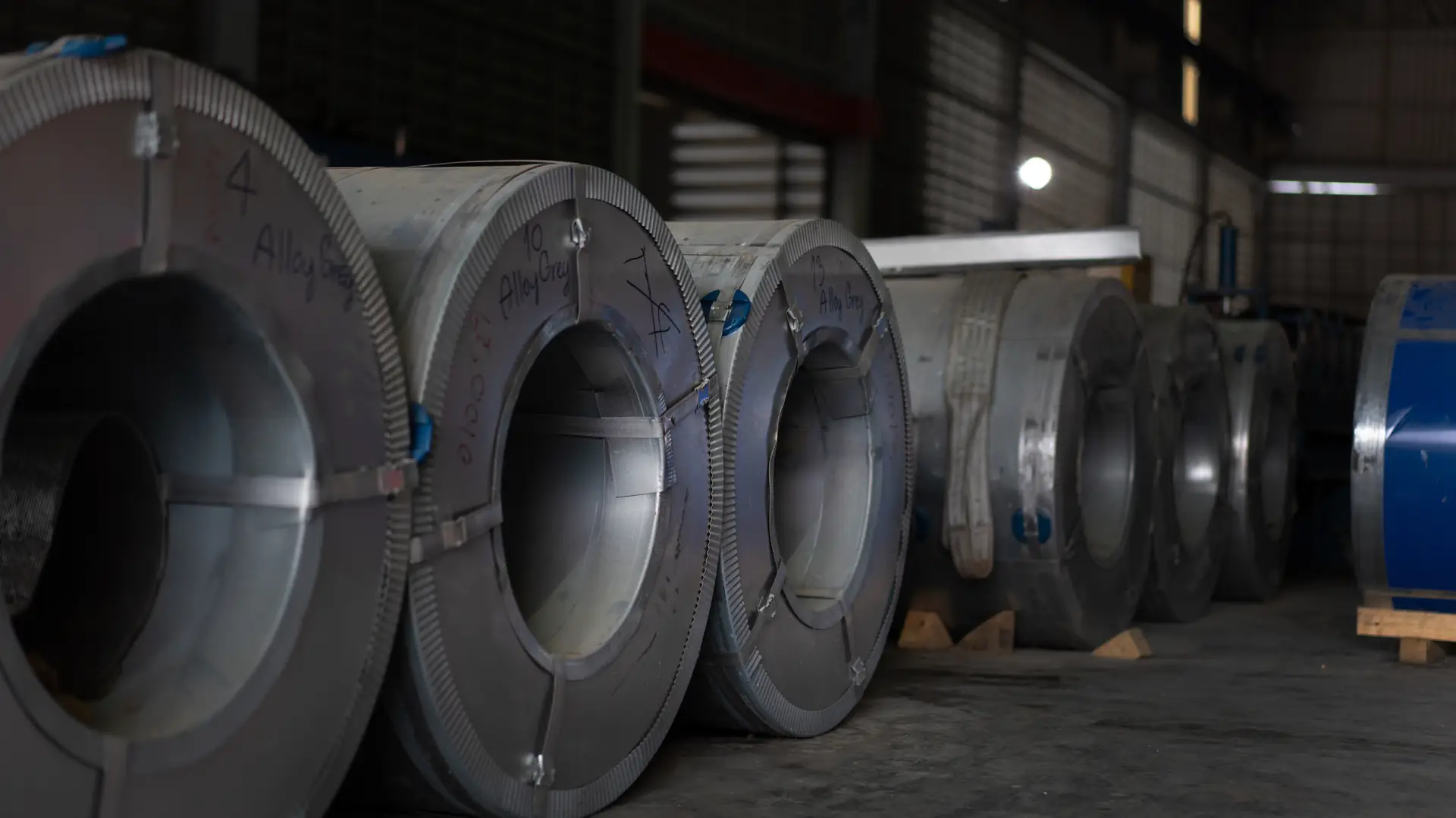
At MFY, we believe that quality is not an accident; it is the result of intelligent effort. It must be built into every step of the process, from the furnace to the final packaging. For our clients, verifying this quality provides the peace of mind they need to build, manufacture, and create with confidence.
The Role of Mill Test Certificates (MTC)
An MTC (often per EN 10204 3.1) is the material's birth certificate. It is a quality assurance document that certifies a material's chemical and physical properties. It traces the product back to its original heat number and provides concrete data showing that the material you received is exactly what you ordered. Never accept a shipment without a corresponding MTC for every coil or sheet.
Navigating International Standards
Stainless steel is a global product, and its quality is governed by international standards. The most common ones you'll encounter are ASTM (American), EN (European), and JIS (Japanese). Your purchase order must clearly state which standard the material must conform to. This provides a clear, objective benchmark for quality and removes any ambiguity about performance expectations. For example, specifying ASTM A240 for stainless steel plate and sheet ensures it meets specific requirements for composition and mechanical properties.
The Value of Third-Party Inspection (TPI)
For high-value or critical-application orders, a Third-Party Inspection provides an extra layer of security. Companies like SGS, Bureau Veritas, or TUV can be hired to independently inspect your material at the supplier's facility before it is shipped. They can verify dimensions, check surface quality, review MTCs, and even witness mechanical tests. The small cost of a TPI can save you from a multi-million dollar problem down the road. It's an investment in certainty.
What Are the Top Strategies for Achieving Rapid Delivery and Efficient Supply Chain Management?
Your project is on a tight schedule, but your materials are stuck in transit. These delays mean lost revenue and unhappy customers. The solution is to partner with suppliers who have built their operations for speed.
Achieve rapid delivery by partnering with suppliers who maintain robust inventory levels, utilize digital tracking systems for real-time visibility, and have integrated logistics capabilities to streamline the export process.
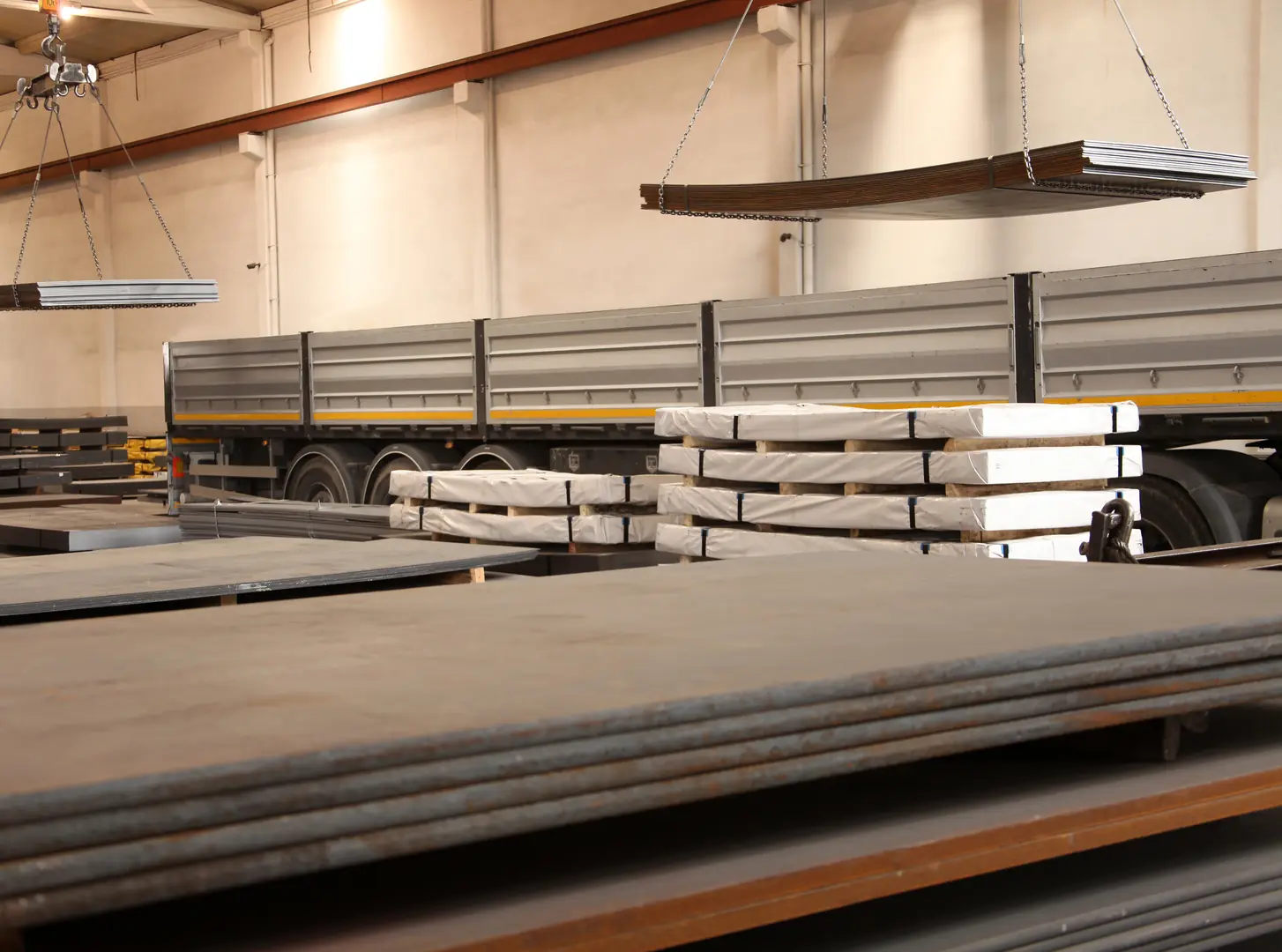
In today's fast-paced market, speed is a competitive weapon. Rapid and reliable delivery is no longer a "nice to have"—it's a core requirement for operational continuity. This is where a supplier's business model truly shows its strength. A company built for agility can respond to market demands in ways a traditional, siloed operation simply cannot.
The Inventory Advantage
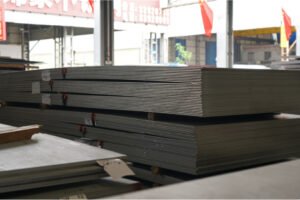
The single biggest factor in rapid delivery is a supplier's ability to ship from stock. A supplier who maintains a large and diverse inventory of stainless steel coils and sheets can decouple your order from the mill's production schedule. Instead of waiting weeks for your material to be produced, it can be processed and shipped almost immediately. This is central to our philosophy at MFY. Just last month, we helped a construction contractor in the UAE who needed an urgent shipment for a facade project. Because our 316L coils were already in stock and our logistics are in-house, we were able to process and ship their order in 72 hours, not six weeks.
Digitalization in Logistics
In the 21st century, information is as important as the physical product. Modern suppliers should provide real-time, digital tracking for your shipment. Knowing exactly where your order is—from the factory floor to the vessel on the ocean—allows you to plan your production and labor with much greater accuracy. This transparency builds trust and transforms the supply chain from a black box into a predictable, manageable process.
The Integrated Model's Final Mile
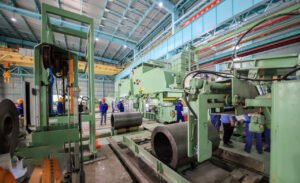
This is where everything comes together. An integrated supplier who controls production, inventory, and logistics can eliminate the bottlenecks that plague traditional supply chains. There is no waiting for a third-party trucking company or a separate freight forwarder. The process is seamless. This internal alignment is what allows us to compress timelines and offer the rapid export delivery that our clients depend on. It’s the ultimate expression of a supply chain designed not just for cost, but for speed and resilience.
Conclusion
Mastering global stainless steel procurement is achievable. It requires a strategic approach focused on market knowledge, diligent supplier selection, process clarity, and rigorous quality control. Ultimately, success hinges on choosing an integrated partner who delivers not just a product, but a complete solution balancing cost, quality, and speed.
Have Questions or Need More Information?
Get in touch with us for personalized assistance and expert advice.




 English
  Русский