
5 Steps to Maximize Stainless Steel Strip Procurement Supply Chain Efficiency
Facing volatile markets and complex logistics? These challenges can turn your stainless steel strip procurement into a major cost center. A strategic, five-step approach transforms this process into a competitive advantage.
Maximizing stainless steel strip procurement efficiency involves a five-step process: identifying key suppliers, streamlining processes, optimizing inventory, enhancing collaboration, and continuously monitoring performance. This integrated approach builds a resilient and cost-effective supply chain.
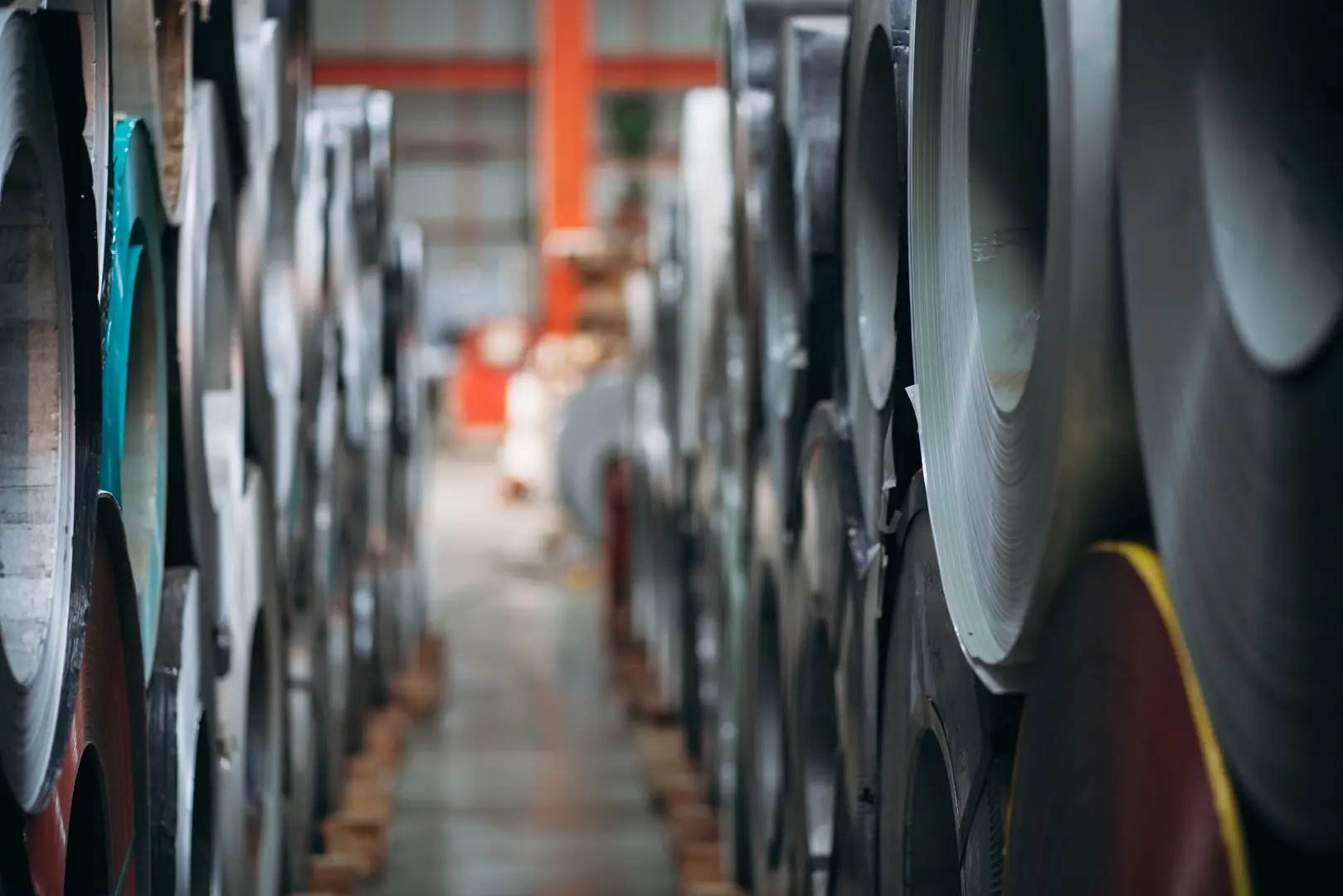
In my role at MFY, I've guided countless partners through the complexities of the global steel market. The difference between companies that thrive and those that struggle often comes down to the efficiency of their supply chain. It's not just about finding the lowest price; it's about building a smart, resilient, and agile system. Let's walk through the five essential steps that I've seen deliver real-world results, turning procurement from a reactive task into a strategic asset for your business.
How Do You Identify the Right Suppliers for Stainless Steel Strip Procurement?
Relying on unvetted suppliers creates constant uncertainty. This unpredictability can halt your production lines and damage your reputation. A rigorous evaluation process ensures you partner with reliable, high-quality suppliers.
Identify key suppliers by evaluating their production capacity, quality certifications (like ISO), financial stability, and logistical capabilities. Look for partners who offer a fully integrated supply chain for greater reliability and transparency.
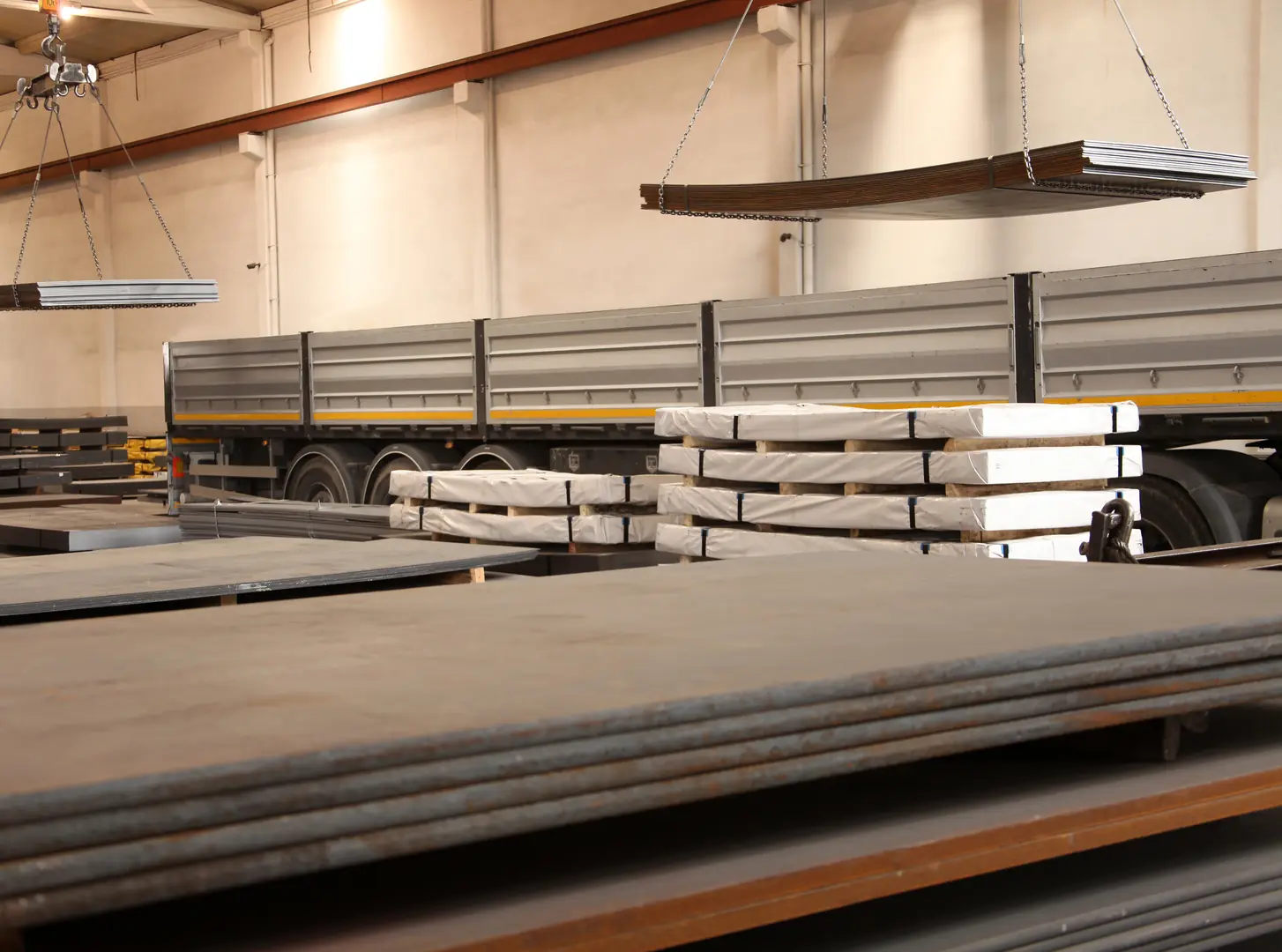
Finding the right partner goes far beyond a simple price comparison. In today's interconnected world, a supplier's true value lies in their stability, transparency, and technological integration. I remember a client in Germany who was struggling with inconsistent delivery times from multiple smaller suppliers. The constant juggling act was a logistical nightmare. When they consolidated their procurement with an integrated partner like MFY, they gained a single point of contact and, more importantly, a predictable and reliable supply flow. This is because an integrated supplier controls the entire process, from raw material sourcing to final production and export, minimizing the risk of third-party delays. This resilience is critical in a market shaped by geopolitical shifts and fluctuating raw material costs.
Beyond Price: A Holistic Vetting Process
When we vet partners, we look at the complete picture. A supplier's ability to provide real-time data on production status and inventory levels is now just as important as their quality certifications. This digital transparency allows for better planning and reduces the risk of unexpected stockouts. It’s about building a partnership, not just a transaction.
Supplier Vetting Scorecard
| Metric | Non-Integrated Supplier | Fully Integrated Supplier (e.g., MFY) |
|---|---|---|
| Supply Chain Control | Low (Relies on third parties) | High (Controls production to export) |
| Data Transparency | Limited (Manual updates) | High (Real-time digital tracking) |
| Risk of Disruption | High | Low |
| Communication | Fragmented | Centralized |
Why Should You Assess and Streamline Your Procurement Process?
A manual, paper-based procurement process is slow and prone to error. These inefficiencies lead to wasted time, administrative bottlenecks, and costly mistakes. Digitizing and streamlining your workflow creates a faster, more accurate system.
You should assess and streamline your procurement process to reduce lead times, minimize administrative errors, and cut operational costs. This involves mapping your current workflow and integrating digital procurement platforms for automation.

The first step to improving any process is understanding it. I often advise our clients to physically map out every single step of their procurement journey, from the initial request for a quote to the final payment. You'll be surprised at how many unnecessary loops and delays you find. Once you have this map, the path to streamlining becomes clear. The goal is to eliminate redundant tasks and automate manual ones. This is where the power of modern digital tools comes into play. Integrating your systems with your supplier's can automate purchase orders, invoicing, and even quality checks. This digital transformation doesn't just make you faster; it frees up your team to focus on more strategic activities, like market analysis and supplier relationship management, instead of being buried in paperwork.
The Digital Transformation of Procurement
At MFY, we have invested heavily in creating a digital ecosystem that simplifies procurement for our clients. Through our platforms, they can get real-time quotes, track orders, and access all necessary documentation in one place. This level of integration turns a series of complex transactions into a smooth, transparent workflow.
Process Improvement: Before and After
| Stage | Manual Process (Before) | Streamlined Process (After) |
|---|---|---|
| Request for Quote | Email chains, phone calls | Instant quote via online portal |
| Purchase Order | Manual creation, PDF approval | Automated generation from ERP |
| Order Tracking | Phone calls for status updates | Real-time tracking dashboard |
| Invoicing | Manual data entry, paper invoices | Automated e-invoicing |
What Inventory Management Strategies Work Best for Stainless Steel Strip?
Holding too much or too little inventory is a classic business dilemma. Excess stock ties up valuable capital, while stockouts bring production to a grinding halt. Data-driven strategies are the solution to this balancing act.
The best inventory strategies for stainless steel strip include Just-in-Time (JIT) and Vendor-Managed Inventory (VMI). Leveraging predictive analytics for demand forecasting is also crucial to optimize stock levels and reduce holding costs.
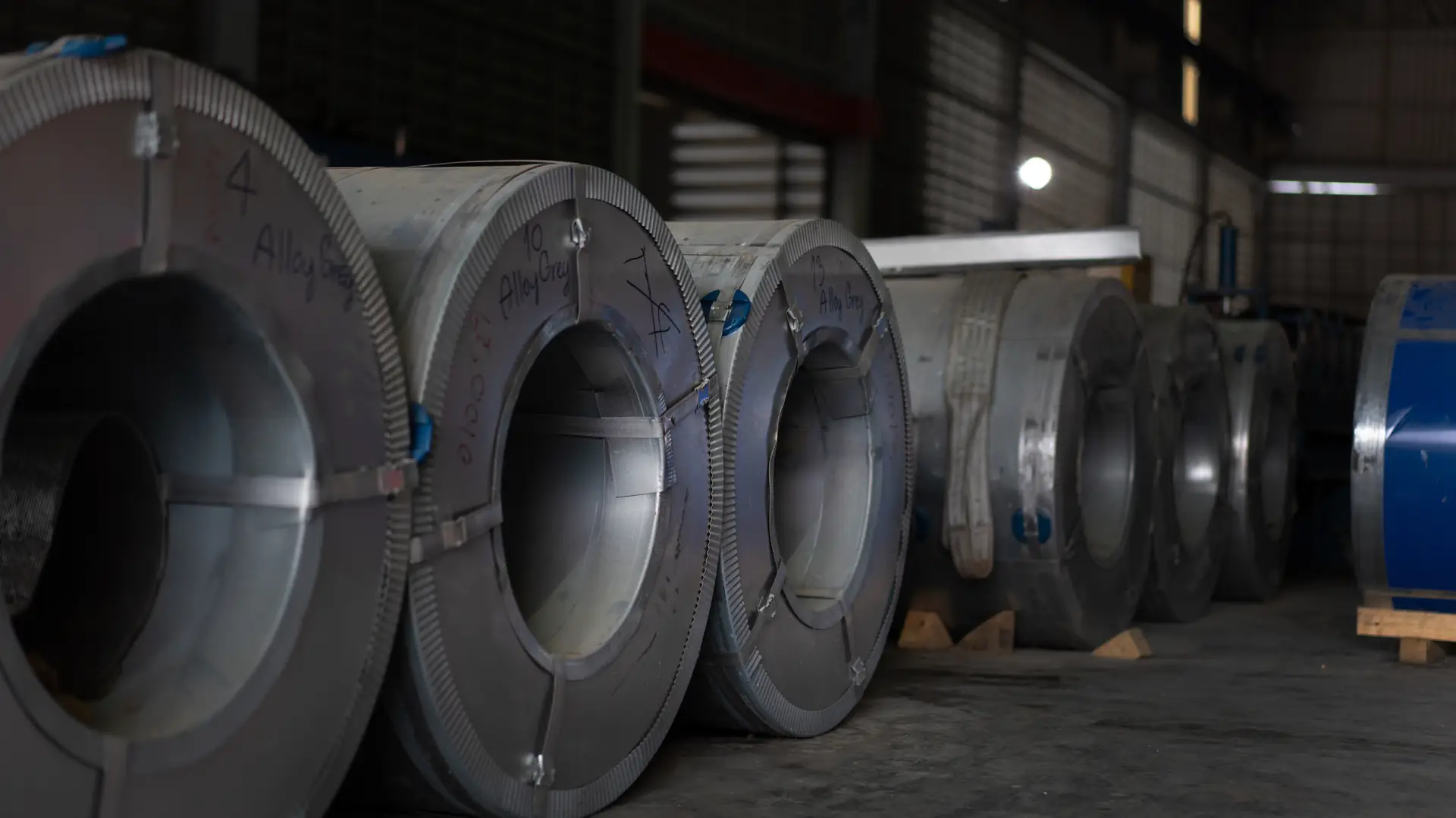
Traditional inventory models like Just-in-Time (JIT) are effective, but in today’s volatile market, they can be risky. A single supply chain disruption can leave you with no buffer. That’s why we're seeing a shift towards more sophisticated, data-driven approaches. The most successful companies I work with are now using AI-powered forecasting tools. These systems analyze historical data, market trends, and even geopolitical news to predict future demand with incredible accuracy. This allows them to maintain optimal inventory levels—enough to be resilient but not so much that it hurts cash flow. A few months ago, one of our partners in the automotive sector used our predictive data to anticipate a surge in demand. They adjusted their orders ahead of time, securing the stainless steel strip they needed before prices spiked and availability tightened. This proactive approach gave them a significant competitive edge.
From Just-in-Time to Predictive Planning
The future of inventory management is not just about efficiency; it's about intelligence. By leveraging AI, you can move from a reactive JIT model to a proactive, predictive one. This approach anticipates needs before they become critical, ensuring your production lines never stop running.
Comparing Inventory Models
| Strategy | Primary Goal | Key Technology | Risk Profile |
|---|---|---|---|
| Just-in-Time (JIT) | Minimize holding costs | ERP, Kanban | High (Vulnerable to disruption) |
| Vendor-Managed (VMI) | Outsource inventory control | Shared data platforms | Medium (Dependent on supplier) |
| Predictive Analytics | Optimize for demand & risk | AI, Machine Learning | Low (Proactive and adaptive) |
How Can You Enhance Collaboration Between Supply Chain Stakeholders?
When procurement, logistics, and production operate in silos, information gets lost. This lack of communication leads to misunderstandings, incorrect orders, and significant delays. A unified, transparent communication strategy breaks down these walls.
Enhance collaboration by using shared digital platforms for real-time communication between procurement, logistics, production, and suppliers. This transparency ensures everyone is aligned on goals, timelines, and potential disruptions.

True supply chain efficiency is built on a foundation of trust and transparency. In the past, this was achieved through endless meetings and phone calls. Today, technology provides a much better way. At MFY, we champion the use of shared digital platforms where all stakeholders—our team, the client's procurement team, their production managers, and even the logistics providers—can see the same information in real time. This creates a single source of truth. Imagine your production manager being able to see the exact location of a steel coil shipment on a map, rather than having to call procurement for an update. This level of visibility empowers everyone to make better, faster decisions. Some are even exploring blockchain technology to create an unchangeable record of every transaction, from the mill to the factory floor. This is the future of collaboration: seamless, data-driven, and built on absolute trust.
Technology as the Great Connector
The goal is to create an ecosystem, not a chain. In an ecosystem, information flows freely in all directions, allowing the entire system to adapt quickly to change. This collaborative model is far more resilient than a traditional, linear supply chain.
Communication Channel Effectiveness
| Channel | Speed | Transparency | Record Keeping |
|---|---|---|---|
| Email & Phone Calls | Slow | Low | Poor / Fragmented |
| Shared Spreadsheets | Medium | Medium | Prone to error |
| Integrated Digital Platform | Instant | High | Centralized & Accurate |
What is the Best Way to Monitor and Evaluate Supply Chain Performance?
Without clear metrics, you're flying blind. You can't identify hidden inefficiencies or make data-backed decisions for improvement. A dashboard of Key Performance Indicators (KPIs)[^1] provides the visibility needed to optimize performance.
The best way to monitor performance is by tracking key performance indicators (KPIs) through a real-time data dashboard. Focus on metrics like order cycle time, supplier reliability, inventory turnover, and total cost of procurement.
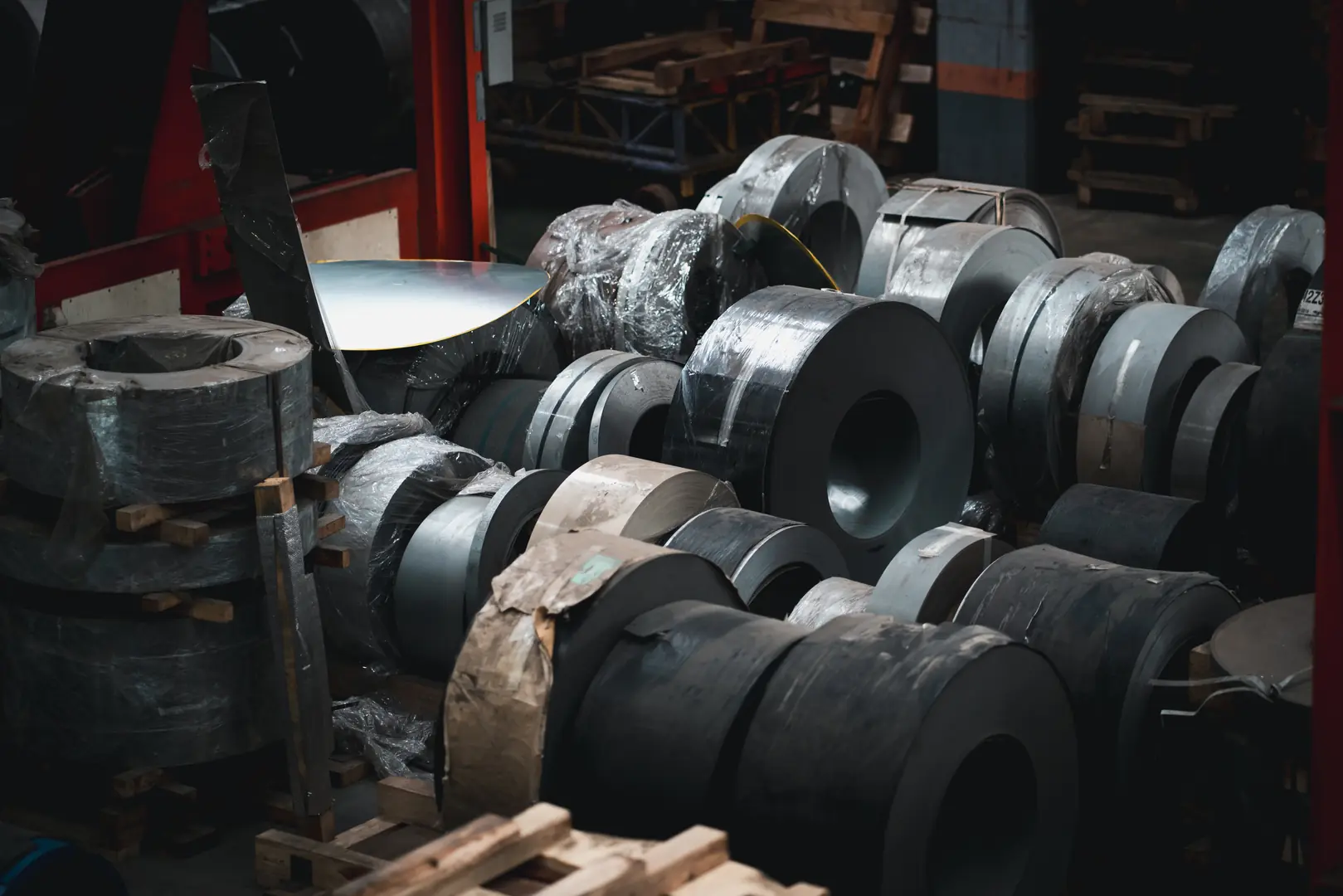
Effective monitoring is about more than just looking at reports at the end of the month. It's about having a live pulse on your supply chain's health. The most advanced companies use real-time dashboards that pull data directly from their ERP and their suppliers' systems. This allows them to spot potential problems before they escalate. For example, if a supplier's on-time delivery rate dips even slightly, the system can flag it immediately, allowing the procurement team to investigate. This transforms performance management from a reactive, backward-looking exercise into a proactive, forward-looking strategy. We provide our key partners with performance dashboards because we believe in full transparency. When you can clearly measure performance, you can manage it effectively and drive continuous improvement across every link in the chain.
Key KPIs for Stainless Steel Procurement
It's crucial to focus on the metrics that truly matter. Chasing too many data points can be as unhelpful as having none at all. Start with a core set of KPIs that give you a holistic view of both cost and efficiency.
Essential Supply Chain KPIs
| KPI | What It Measures | Why It Matters |
|---|---|---|
| Order Cycle Time | Time from purchase order to delivery | Measures overall speed and efficiency. |
| Supplier On-Time Delivery | Percentage of orders delivered on schedule | Key indicator of supplier reliability. |
| Inventory Turnover | How often inventory is sold and replaced | Measures how efficiently capital is used. |
| Total Cost of Procurement | All costs associated with procurement | Provides a true picture of financial impact. |
Conclusion
By strategically selecting suppliers, digitizing processes, optimizing inventory with data, fostering collaboration, and monitoring KPIs, you build an efficient supply chain. This proactive approach transforms procurement from a simple cost center into a powerful competitive advantage for your business.
Have Questions or Need More Information?
Get in touch with us for personalized assistance and expert advice.



 English
  Русский