Impact on Stainless Steel Pipe Demand and Supply in 2025
Feeling uncertain about the 2025 stainless steel pipe market? This uncertainty can disrupt planning and hurt your bottom line. Understanding the key drivers provides the clarity you need.
In 2025, stainless steel pipe demand and supply will be shaped by rising green infrastructure investments and sustainability mandates. Concurrently, geopolitical tensions and the pace of technological adoption will challenge supply chains, making strategic adaptation crucial for all industry players.

As the Global Business Director at MFY, I talk to partners across the world every day. The conversations are all pointing in one direction: the ground is shifting beneath our feet. The old ways of sourcing and planning are no longer enough. The year 2025 isn't just another year on the calendar; it's a strategic turning point for our industry. Those who anticipate the changes in demand and proactively build resilience into their supply chains will not just survive, they will lead. Let's break down exactly what to expect.
What is the Background of the Stainless Steel Pipe Market Leading to 2025?
The market didn't appear overnight. Ignoring its recent history means you risk missing the patterns that define our future. Let's quickly review the key developments that brought us here.
The market leading to 2025 has been defined by a strong post-pandemic industrial rebound, increased investment in traditional infrastructure, and the early but powerful emergence of sustainability as a primary purchasing criterion for major projects worldwide.
The period from 2022 to 2024 was one of recalibration for the stainless steel industry. After the initial supply chain shocks of the pandemic, we saw a surge in demand as stalled construction and manufacturing projects came back online with urgency. I remember how conversations with clients shifted from pure cost-cutting in late 2020 to securing a reliable supply of high-quality material by 2023. This phase was about getting back to business. However, something else was taking root. The global conversation around climate change began to translate into tangible action, influencing procurement policies far more directly than ever before.
From Recovery to Reinvention
The initial recovery was fueled by traditional sectors. Oil and gas, chemical processing, and general construction were hungry for stainless steel pipes to complete delayed projects and expand capacity. But as we moved closer to today, a new layer of demand emerged. Governments and corporations started earmarking massive funds for green initiatives. This wasn't just talk; it was backed by policies and ESG (Environmental, Social, and Governance) commitments that hold real financial weight. This shift marked the beginning of the transition from a recovery-driven market to one shaped by long-term, sustainable goals.
Key Market Shapers (2022-2024)
| Driver | Description | Impact on Pipe Market |
|---|---|---|
| Industrial Rebound | Global manufacturing and construction ramped up post-pandemic. | Boosted demand for standard-grade pipes (304, 316L). |
| Infrastructure Spending | Governments invested in public works to stimulate economies. | Increased consumption in water treatment and transport. |
| Early ESG Adoption | Corporations began implementing sustainable sourcing policies. | Created initial demand for products with documented low-carbon footprints. |
What Are the Current Trends in Stainless Steel Pipe Demand and Supply?
The market is changing fast. Falling behind on the latest trends means losing your competitive edge. Here are the most important shifts happening right now that will define 2025.
Current trends show a significant demand surge from the green energy sector, particularly for hydrogen and LNG infrastructure. Supply is consolidating around highly integrated, agile producers who can manage volatile raw material costs and complex global logistics effectively.
The most powerful trend I see is the explosion in green infrastructure projects. This is no longer a niche market. We are supplying stainless steel pipes for large-scale hydrogen production facilities, carbon capture and storage (CCS) systems, and advanced water desalination plants. These applications demand materials that can withstand corrosive environments and extreme temperatures, making high-grade stainless steel the only viable choice. This isn't just a trend; it's a fundamental reshaping of our end markets. At MFY, we've had to re-align our inventory and production schedules to meet this new wave of demand for specialized alloys.
The New Face of Demand
The demand profile for stainless steel pipe is diversifying rapidly. While traditional sectors remain important, the growth is coming from new applications driven by the global energy transition. For example, the transportation of green hydrogen requires pipes made from specific alloys that prevent hydrogen embrittlement[^1], a challenge that standard carbon steel cannot meet. This specialization creates opportunities for knowledgeable suppliers who can provide not just a product, but a solution.
Supply Chain Evolution
On the supply side, the game is all about integration and agility. The days of fragmented, multi-stage supply chains are becoming a liability. Volatility in nickel and chromium prices, coupled with unpredictable shipping schedules, means that control is paramount. Companies like MFY, which have an integrated supply chain from raw materials to final export, hold a distinct advantage. We can buffer against disruptions and provide our clients with a level of predictability that is increasingly rare.
| Sector | Demand Driver | Required Pipe Characteristics |
|---|---|---|
| Green Hydrogen | Energy Transition | High-pressure resistance, low-temperature toughness |
| LNG Terminals | Energy Security | Cryogenic performance, corrosion resistance |
| Water Desalination | Water Scarcity | Excellent resistance to chloride corrosion (e.g., duplex steel) |
| Sustainable Construction | LEED/BREEAM Standards | High recycled content, long lifespan, low maintenance |
What Challenges Face the Stainless Steel Pipe Industry in 2025?
Looking ahead, we must be realistic about the obstacles. Unforeseen challenges can derail your projects and budgets. Let's identify the main hurdles we'll need to overcome in 2025.
The industry's primary challenges for 2025 are extreme volatility in raw material prices driven by geopolitical instability and the increasing complexity of navigating global sustainability regulations and carbon tariffs, such as the EU's Carbon Border Adjustment Mechanism (CBAM).

The path to 2025 is not without its bumps. While demand looks strong, the supply side is fraught with complexity. A partner in Germany recently shared their struggle with the sheer amount of paperwork now required to document the carbon footprint of imported materials for a major public tender. This is the new reality. It's no longer just about price and delivery time; it's about providing a transparent, verifiable history of the product's journey and its environmental impact. This compliance burden is a significant challenge, especially for smaller players.
Geopolitics and Raw Material Sourcing
The availability and cost of key elements like nickel and chromium are more tied to geopolitics than ever before. Sanctions, trade disputes, and instability in key mining regions can cause prices to spike overnight. This volatility makes long-term project costing incredibly difficult for our clients. A stable supply chain is no longer just "nice to have"—it is a core strategic asset. This is why having diversified sourcing and strong relationships with raw material producers is central to our strategy at MFY. We work to absorb some of this volatility so our clients don't have to.
Navigating the Green Tape
The second major challenge is what I call "green tape[^2]." As sustainability becomes law, we face a patchwork of different regulations across various regions. The EU's CBAM is just the beginning. Soon, buyers in North America and other regions will likely face similar requirements. This means producers must invest heavily in tracking and reporting carbon emissions throughout their production process. It’s a complex and costly endeavor, but it is also an opportunity to differentiate. Those who can provide fully compliant, low-carbon products will have a massive competitive advantage.
What Strategies Can Mitigate Supply Chain Disruptions in 2025?
Disruptions are a given. A weak supply chain means project delays and massive cost overruns. Proactive strategies are the only way to build the resilience your business needs.
Key strategies include developing a diversified, multi-regional sourcing plan to avoid over-reliance on one area, leveraging digital platforms for real-time inventory and logistics tracking, and partnering with integrated suppliers who can offer greater stability and transparency.
You can't control geopolitical events or shipping crises, but you can control how you prepare for them. The core of a resilient supply chain is agility. At MFY, we think of this in two ways: physical diversification and digital integration[^3]. I remember a client in India who faced a critical shortage because their sole supplier's port was shut down for weeks. They were paralyzed. That experience taught us a valuable lesson: never put all your eggs in one basket. We now work with clients to build sourcing plans that include primary and secondary supply options from different regions to ensure continuity.
Building an Agile Sourcing Framework
An agile sourcing framework moves beyond simply finding the lowest-cost supplier. It's about creating a balanced portfolio of partners. This includes a mix of long-term contracts with major producers to secure volume and pricing, supplemented by relationships with regional distributors for urgent, smaller-scale needs. This hybrid model provides both stability and flexibility. It also involves geographical diversification. By having production and inventory capabilities in different parts of China and partners in other regions, we can reroute shipments and adjust production to bypass bottlenecks, be they port closures, tariffs, or natural disasters.
The Power of Digitalization
The second pillar of resilience is digitalization. Our clients need visibility. They need to know where their order is, when it will arrive, and if there are any potential delays. We have invested heavily in a digital platform that provides real-time tracking from the mill to the final destination. This transparency allows our clients to manage their project timelines more effectively and make informed decisions. It transforms the supplier relationship from a simple transaction into a true partnership built on shared information and trust.
What Technological Innovations Will Enhance Stainless Steel Pipe Production?
Old production methods are becoming too slow and expensive. Your competitors who adopt new technology will gain a significant edge. Let's explore the innovations that are changing the game.
Key innovations include the widespread adoption of automation and robotics for precision welding and finishing, the use of AI-driven quality control systems to detect defects instantly, and the development of advanced alloys for high-performance applications in emerging green industries.
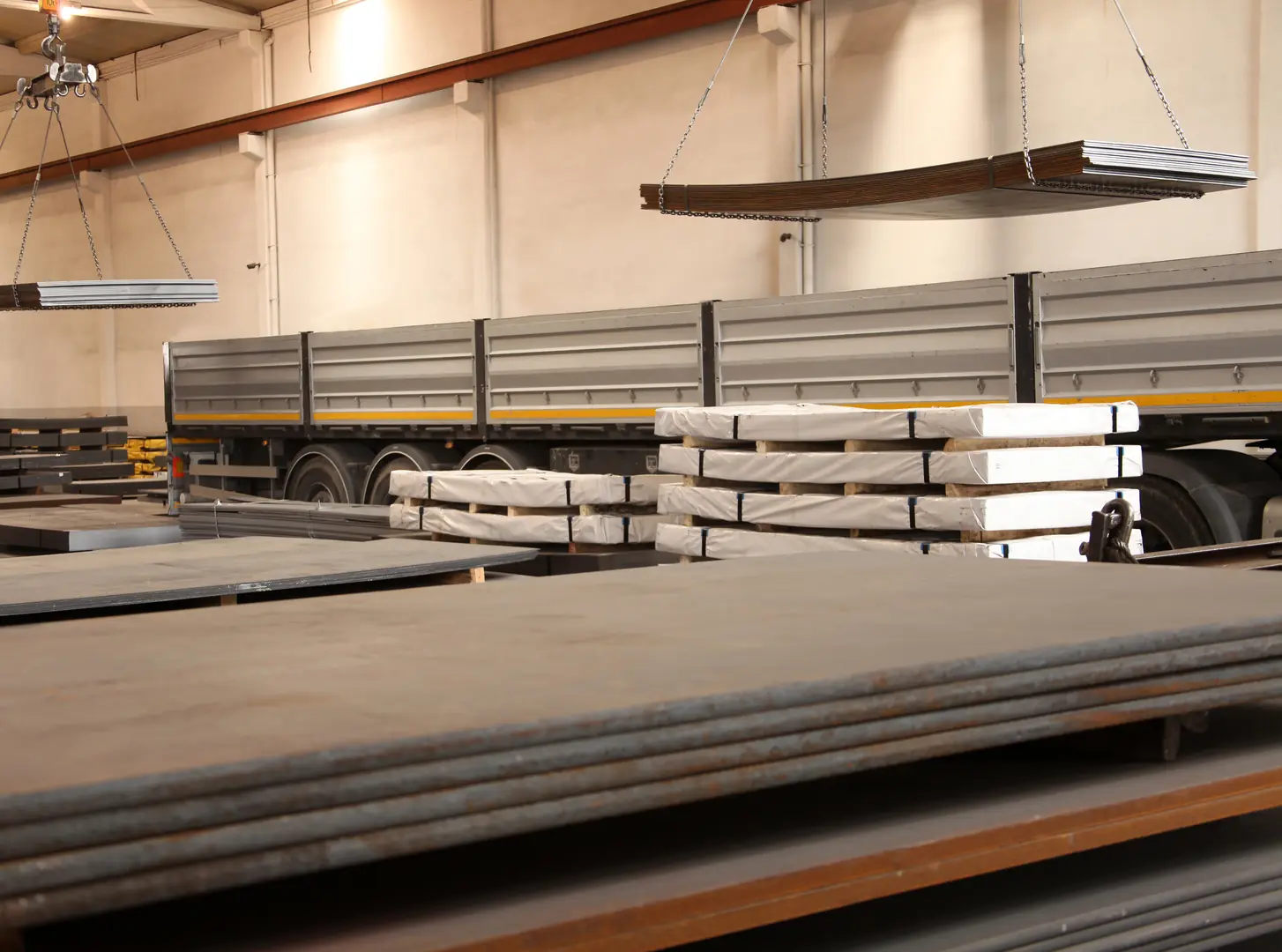
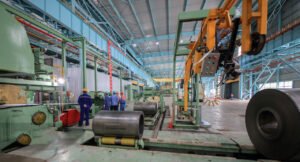
Technology is the engine that will drive our industry's future. It's how we will meet the demands for higher quality, greater efficiency, and better sustainability performance. On a recent visit to one of our partner mills, I watched a fully automated production line for welded pipes. Robotic arms were performing cuts and welds with a level of speed and precision that is simply impossible to replicate manually. This isn't science fiction; it's happening now, and it's allowing us to produce better products faster and with less waste.
Automation and AI in the Mill
The modern stainless steel mill is becoming a hub of high technology. Automation is taking over repetitive and dangerous tasks, improving worker safety and boosting output. But the real revolution is in quality control. We are now using AI-powered visual inspection systems that can analyze every inch of a pipe for microscopic defects that the human eye would miss. This guarantees a higher quality product and drastically reduces the chance of material failure in critical applications, which is a huge source of confidence for our engineering and construction clients.
Advanced Materials for a New Era
Beyond the production process, there is incredible innovation happening in the materials themselves. Metallurgists are developing new stainless steel alloys designed specifically for the challenges of the green economy. This includes grades with enhanced resistance to hydrogen embrittlement, superior performance at cryogenic temperatures for LNG, and duplex steels that offer incredible strength and corrosion resistance for desalination plants. Staying at the forefront of this material science is crucial. It allows us to offer our clients not just a pipe, but the right pipe for their most demanding and innovative projects.
Conclusion
The year 2025 is a pivotal moment for the stainless steel pipe industry. Success will be defined by the ability to embrace the demand from green industries, build truly resilient and transparent supply chains, and leverage technology to its fullest. Adaptability is no longer optional; it's essential.
Have Questions or Need More Information?
Get in touch with us for personalized assistance and expert advice.


 English
  Русский