knowledge

Salt Water Corrosion: 5 Strategies to Extend Stainless Steel Lifespan
Salt water corrosion poses a significant threat to stainless steel in marine environments. This article outlines five key strategies to extend the lifespan of stainless steel: selecting high-grade alloys, applying protective coatings, utilizing cathodic protection, incorporating intelligent design, and maintaining a regular cleaning schedule. These strategies form an integrated approach to combat corrosion, ensuring durability and cost-efficiency. MFY’s expertise in material science and engineering helps clients implement these solutions for long-term structural integrity in harsh saline conditions….
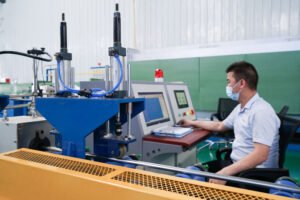
7 Common Defects in Stainless Steel Sheet Metal Forming Processes
This article explores the seven most common defects in stainless steel sheet metal forming: cracking, wrinkling, springback, surface scratches, dimensional inaccuracies, thinning, and excessive tool wear. Each defect is analyzed in terms of its root causes and impacts on production quality. The importance of understanding material behavior, process alignment, and environmental factors is emphasized. Practical solutions are suggested, including optimizing tool design, refining lubrication techniques, and utilizing advanced technologies like AI-driven analytics and digital twins. These strategies aim to transform manufacturing processes from reactive to predictive, ensuring superior product quality and operational efficiency….
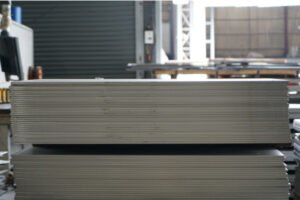
Maximizing the Lifespan of 304 Stainless Steel in Corrosive Environments
304 stainless steel, while versatile and resistant to general corrosion, faces challenges in harsh environments due to factors like chloride exposure, high temperatures, and mechanical stress. To extend its lifespan, implement strategies such as selecting the appropriate grade, applying advanced surface treatments like passivation, and ensuring smart design principles to avoid crevices and ensure proper drainage. Regular cleaning, inspection, and periodic re-passivation are essential maintenance practices. Proactive measures ensure reliability, safety, and long-term cost savings in industrial applications….
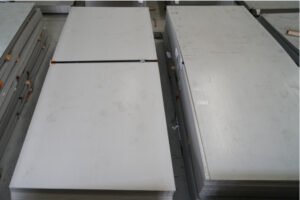
Fabricating Stainless Steel Plates: A Guide to Cutting, Forming, & Joining
The article provides a comprehensive guide on stainless steel plate fabrication, highlighting key techniques and considerations for cutting, forming, and joining. It emphasizes precision methods such as laser and plasma cutting, optimal forming processes to prevent cracking, and the advantages of TIG and MIG welding for robust joints. The piece also addresses common fabrication challenges, such as heat distortion and tool wear, and offers proactive strategies to overcome them. By following best practices, manufacturers can ensure high-quality and reliable stainless steel components, enhancing product integrity and operational efficiency….

Stainless Steel Plate Surface Finishes: Types & Aesthetics
Choosing the right stainless steel plate surface finish is crucial for both aesthetics and functionality. This guide explains the common types of finishes such as No. 1, 2B, No. 4, and No. 8, detailing their appearance, key characteristics, and typical use cases. The article explores how different finishes impact aesthetics through reflectivity and texture, and provides practical applications across industries like architecture, food processing, and automotive. It also offers insights on selecting the right finish considering environmental exposure, design goals, and budget constraints, emphasizing sustainability. Proper maintenance tips are included to preserve the finish’s aesthetic quality….
How to Weld Stainless Steel Plates Safely and Effectively
Welding stainless steel requires meticulous preparation, the right equipment, and safety protocols to ensure strong and durable joints. Key steps include cleaning the surface, selecting the appropriate welding method like TIG or MIG based on plate thickness, and using compatible filler metals to maintain corrosion resistance. Safety measures, such as proper ventilation and personal protective equipment, are crucial to manage hazardous fumes. The welding process demands consistent technique to prevent defects like porosity and warping. Post-weld inspections and cleaning help restore the protective chromium oxide layer, ensuring long-term performance and preventing corrosion….

Why Correct Welding is Critical for Stainless Steel Plate Strength
The article emphasizes the importance of correct welding in maintaining the strength and integrity of stainless steel plates. Improper welding can lead to microstructural damage, reduced corrosion resistance, and ultimately, structural failure. The piece highlights common mistakes like excessive heat input and incorrect filler metal selection, and suggests solutions such as adopting advanced technologies and rigorous training. Best practices include meticulous pre-weld cleaning, precise heat control, and thorough post-weld inspection. The focus is on ensuring reliability and safety in stainless steel applications….
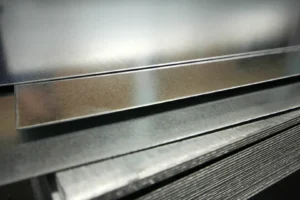
Why Corrosion Testing is Essential for Evaluating Stainless Steel Quality
Corrosion testing is a crucial process in assessing stainless steel quality, ensuring it meets the demands of specific environments like construction, chemical processing, and marine industries. It provides data-backed assurances of material integrity, preventing failures and optimizing material selection. By simulating real-world conditions, corrosion tests evaluate the long-term durability and identify potential weaknesses. This data-driven approach helps prevent catastrophic failures, reduces maintenance costs, and enhances the reliability and safety of stainless steel applications. Understanding the specific threats posed by different environments, such as pitting and crevice corrosion, is critical in selecting the appropriate grade and ensuring the longevity of the investment….

How to Perform a Corrosion Resistance Test on Stainless Steel
This article outlines the essential steps for conducting a corrosion resistance test on stainless steel, a critical process to ensure the material can withstand its intended environment. Key steps include sample preparation, selecting the appropriate testing method, setting up a controlled environment, conducting the test, and analyzing the results. Proper testing prevents costly failures and safeguards project integrity. MFY emphasizes the importance of accurate testing, using it as a strategic tool to guide material selection and ensure long-term reliability in various applications….
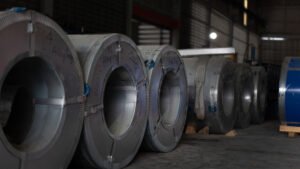
Why Understanding a Grade Chart is Key to Choosing the Right Plate
The article emphasizes the importance of using a stainless steel grade chart for selecting the correct plate for your project. It explains how the chart helps match a plate’s properties, such as corrosion resistance and strength, to specific project requirements, ensuring performance and cost-efficiency. It highlights the chemical composition and mechanical properties of different grades, like 304, 316, and 2205, and their impact on applications. The article provides insights into avoiding costly mistakes by understanding grade charts, aligning materials with applications, and consulting with experts to ensure the best material choices….
 English
  Русский