SS 304 vs SS 410: Which is Better for Industrial Equipment Integrators?
Choosing the wrong stainless steel can lead to costly failures. This decision impacts equipment life and your reputation. Understanding the core differences between grades like 304 and 410 is essential.
The best choice depends entirely on your application's primary demand. Select SS 304 for superior corrosion resistance and formability in wet or chemical environments. Choose SS 410 for its exceptional hardness, strength, and wear resistance in mechanically demanding, dry applications.
As an equipment integrator, you make critical material decisions daily. The choice between SS 304 and SS 410 isn't just about specs on a sheet; it's a strategic decision that affects performance, lifespan, and total cost of ownership. At MFY, we guide partners through this process constantly. Let's break down this choice so you can select the right material with confidence every time.
What are the key properties of SS 304 and SS 410 stainless steels?
Steels can look identical but behave differently. This confusion can lead to incorrect specifications and premature equipment failure. A clear comparison of their fundamental properties eliminates this risk.
SS 304 is an austenitic steel with high chromium and nickel, offering excellent corrosion resistance and formability. In contrast, SS 410 is a martensitic steel with higher carbon content, providing superior hardness and strength but lower corrosion resistance.
When we look deeper, the distinction becomes even clearer, and it all starts with their atomic structure and composition. As an integrator, understanding this "why" is crucial for defending your material choices to clients. SS 304 belongs to the austenitic family, which means its crystalline structure is face-centered cubic. This structure is non-magnetic and is stabilized by the significant nickel content (typically 8-10.5%). This is what gives 304 its fantastic ductility and toughness. On the other hand, SS 410 is martensitic. It can be hardened through heat treatment[^1], much like carbon steels, because of its body-centered tetragonal structure and higher carbon content. This process creates a material that is incredibly hard and strong but more brittle than 304.
Chemical Composition Breakdown
The elements in the alloy dictate its behavior. The presence of nickel in SS 304 is the single most important differentiator. It not only enhances corrosion resistance but also makes the material easier to weld and form without losing its strength. SS 410 lacks nickel, which is a key reason for its lower cost and reduced corrosion protection.
| Property | SS 304 (Austenitic) | SS 410 (Martensitic) | Key Implication for Integrators |
|---|---|---|---|
| Chromium (Cr) | ~18% | ~12.5% | Higher Cr in 304 provides a more robust protective layer. |
| Nickel (Ni) | ~8% | 0% | Nickel gives 304 superior corrosion resistance and formability. |
| Carbon (C) | ~0.08% | ~0.15% | Higher carbon in 410 allows for hardening via heat treatment. |
Mechanical Properties at a Glance
For an integrator, mechanical properties translate directly to performance. Will the part bend, break, or wear out? SS 410’s high hardness makes it perfect for parts that scrape or cut, while SS 304’s formability makes it ideal for tanks, enclosures, and complex shapes. Thinking about the operational stress on a component is the first step to choosing correctly.
How do SS 304 and SS 410 perform in industrial environments?
A material's lab specs don't tell the whole story. Real-world industrial settings introduce variables like humidity and abrasion. A material that fails in the field creates huge problems.
SS 304 excels in corrosive or humid environments, such as food processing or chemical plants, maintaining its integrity. SS 410 performs best in dry, high-wear environments where its hardness prevents abrasion and mechanical damage, like in valve parts or fasteners.
The true test of a material is its long-term performance under operational stress. I remember a client in India who was integrating conveyor systems for a food processing plant. They were initially tempted by the hardness and lower cost of SS 410 for the guide rails. However, the plant environment involved constant wash-downs with sanitizing chemicals. We strongly advised them to use SS 304. Had they used 410, surface rust would have appeared within months, creating hygiene risks and requiring costly replacement. This illustrates the core principle: the environment dictates the material.
Performance Under Corrosive Stress
In any setting with moisture, chemicals, or even salt in the air, SS 304 is the reliable choice. Its passive chromium-oxide layer[^2], enhanced by nickel, self-heals from minor scratches and provides broad protection. SS 410, lacking sufficient chromium and nickel, will show surface rust relatively quickly in humid conditions. It is only suitable for environments that are consistently dry or where some mild corrosion is acceptable and managed.
Performance Under Mechanical Stress
This is where SS 410 shines. For components like pump shafts, valve seats, or structural bolts, mechanical wear and strength are the primary concerns. After heat treatment, SS 410 becomes significantly harder than SS 304. This hardness prevents deformation under load and resists abrasive wear from moving parts. Using SS 304 in a high-wear application would lead to rapid material degradation and failure.
| Performance Factor | SS 304 | SS 410 | Integrator's Takeaway |
|---|---|---|---|
| Wear Resistance | Fair | Excellent | Choose 410 for parts that rub or scrape. |
| Toughness | Excellent | Good | Choose 304 for parts that might experience impact. |
| Weldability | Excellent | Fair (Requires pre/post heating) | 304 is much easier and cheaper to fabricate into complex welded structures. |
| Heat Treatment | Cannot be hardened | Can be hardened | 410 offers design flexibility through hardening. |
What are the cost implications of choosing SS 304 over SS 410?
Your project budget is always a key factor. But choosing a material based on its initial price alone is a dangerous trap. This short-term thinking can lead to much higher long-term expenses.
SS 410 typically has a lower upfront material cost due to the absence of expensive nickel. However, SS 304 often proves more cost-effective over the equipment's lifecycle due to lower maintenance, repair, and replacement costs in most industrial environments.
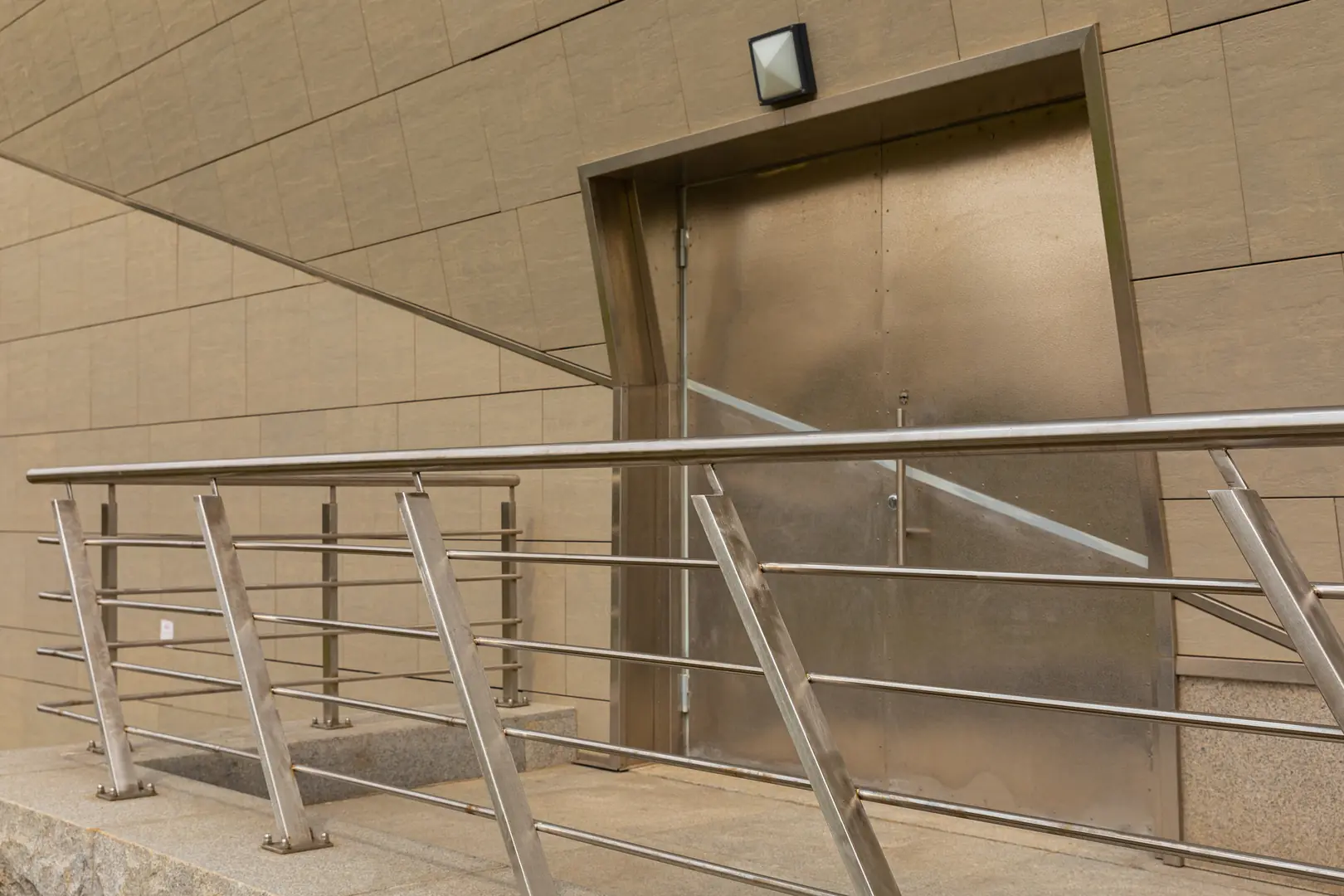
The discussion around cost must always evolve from "purchase price" to "total cost of ownership" (TCO). This is a conversation we have frequently at MFY. A procurement manager might see that SS 410 is 20-30% cheaper per kilogram and push for it to meet a budget. As an integrator, it's your job to explain the bigger picture. That upfront saving can be wiped out by a single maintenance event or the need for a premature replacement if the material is misapplied. The true cost includes fabrication, maintenance, downtime, and lifespan.
Upfront Material Costs
The primary driver of cost difference is nickel. As a volatile commodity, nickel prices directly impact the cost of SS 304 and other austenitic grades. SS 410, being a simpler chromium steel, is almost always the less expensive option to purchase as raw material, whether it's coil, sheet, or pipe. For projects with thousands of components in a controlled, dry environment, this initial saving can be substantial and justified.
Total Cost of Ownership (TCO)
This is where SS 304 often wins. Consider the costs beyond the initial purchase. SS 304 is generally easier to weld and form, which can reduce fabrication time and labor costs. More importantly, its "fit and forget" nature in many applications means virtually zero maintenance cost related to corrosion. SS 410, if used in a slightly corrosive environment, might require protective coatings, regular inspections, and eventual replacement, all of which add to its TCO. The key is to balance the initial savings of SS 410 against the long-term reliability and lower maintenance of SS 304.
How do SS 304 and SS 410 differ in terms of corrosion resistance?
Rust isn't just a cosmetic issue; it's a structural threat. Corrosion can lead to contamination, mechanical failure, and safety hazards. Understanding the specific anti-corrosion capabilities of each grade is non-negotiable.
SS 304 offers excellent, broad-spectrum corrosion resistance against most oxidizing acids, chemicals, and atmospheric conditions. In stark contrast, SS 410 has only mild corrosion resistance, suitable for non-corrosive atmospheres, fresh water, and some very mild chemicals.

The science behind this difference is what empowers you to make the right call. It's not magic; it's metallurgy. Both steels rely on chromium to form a passive, invisible layer of chromium oxide on the surface that protects the iron from rusting. However, the stability and robustness of this layer differ dramatically between the two grades, and that makes all the difference in a real-world industrial setting.
The Role of Chromium and Nickel in SS 304
The approximately 18% chromium content in SS 304 creates a very stable and resilient passive layer[^3]. If this layer is scratched, it rapidly reforms in the presence of oxygen. The addition of about 8% nickel is the key amplifier. Nickel enhances this passivity, especially in reducing acid environments, and it stabilizes the austenitic crystal structure. This structure is inherently more corrosion-resistant than the martensitic structure of SS 410. This is why SS 304 is the workhorse for everything from kitchen sinks to chemical processing tanks—it is built to withstand a wide array of corrosive attacks.
The Limitations of SS 410
With only around 12.5% chromium and no nickel, the passive layer on SS 410 is less tenacious and more susceptible to breakdown, especially from chlorides (like salt water or certain cleaners). Its higher carbon content, essential for its hardness, can also be a negative for corrosion resistance, as it can lead to the formation of chromium carbides, which depletes chromium from the protective layer. Therefore, SS 410 should be limited to applications where it will remain mostly dry and clean. It can handle steam and fresh water but will struggle with anything more aggressive.
Which applications are best suited for SS 304 and SS 410 in industrial settings?
Matching the material to the job is the final goal. Misapplying a grade leads to rework, budget overruns, and client dissatisfaction. Knowing the classic use cases for each material provides a reliable roadmap.
SS 304 is ideal for food processing equipment, chemical tanks, piping, and architectural panels where hygiene and corrosion resistance are paramount. SS 410 is best for applications needing high strength and wear resistance, such as valve components, pump shafts, cutlery, and fasteners.
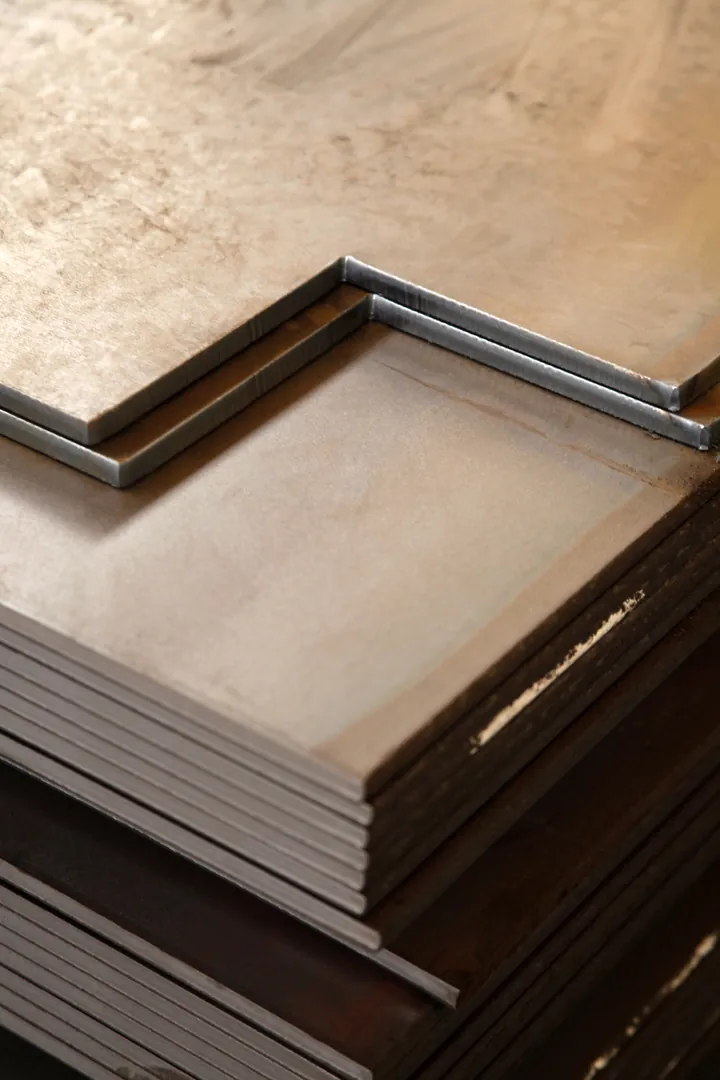
At MFY, we ship both grades globally, and the end-use cases are always distinct. Recently, we supplied a large order of SS 410 sheets to a partner in Turkey who manufactures industrial turbine blades. For them, the material's hardness and resistance to fatigue under stress were non-negotiable. In the same week, we sent a shipment of SS 304 coils to a client in Brazil building tanks for a dairy processing facility. There, the primary requirements were cleanability and resistance to corrosion from milk acids and cleaning agents. These two examples perfectly capture the divided roles of these materials.
Typical Use Cases for SS 304
The combination of corrosion resistance, good formability, and excellent weldability makes SS 304 incredibly versatile. It is the go-to material for any application where the environment is wet, involves chemicals, or requires hygienic surfaces.
- Food & Beverage: Tanks, piping, prep surfaces, and processing equipment.
- Chemical Processing: Storage tanks, vessels, and pipes for less aggressive chemicals.
- Architecture: Wall panels, roofing, and decorative features.
- Medical & Pharmaceutical: Instruments, work surfaces, and enclosures.
Typical Use Cases for SS 410
The defining characteristics of SS 410 are hardness, strength, and wear resistance after heat treatment. It is chosen when mechanical performance is the priority and the environment is not overtly corrosive.
- Valves & Pumps: Stems, seats, and shafts that endure high pressure and movement.
- Cutlery & Tools: Knives, surgical instruments, and hand tools.
- Fasteners: Bolts, screws, and nuts for structural applications.
- Machinery Parts: Gears, spindles, and other components requiring high wear resistance.
Conclusion
The choice between SS 304 and SS 410 is not about which is "better" overall, but which is right for your specific project. The decision hinges on a single question: is the primary challenge corrosion or mechanical wear? Answering that question honestly will always lead you to the correct, most cost-effective solution.
Have Questions or Need More Information?
Get in touch with us for personalized assistance and expert advice.



 English
  Русский