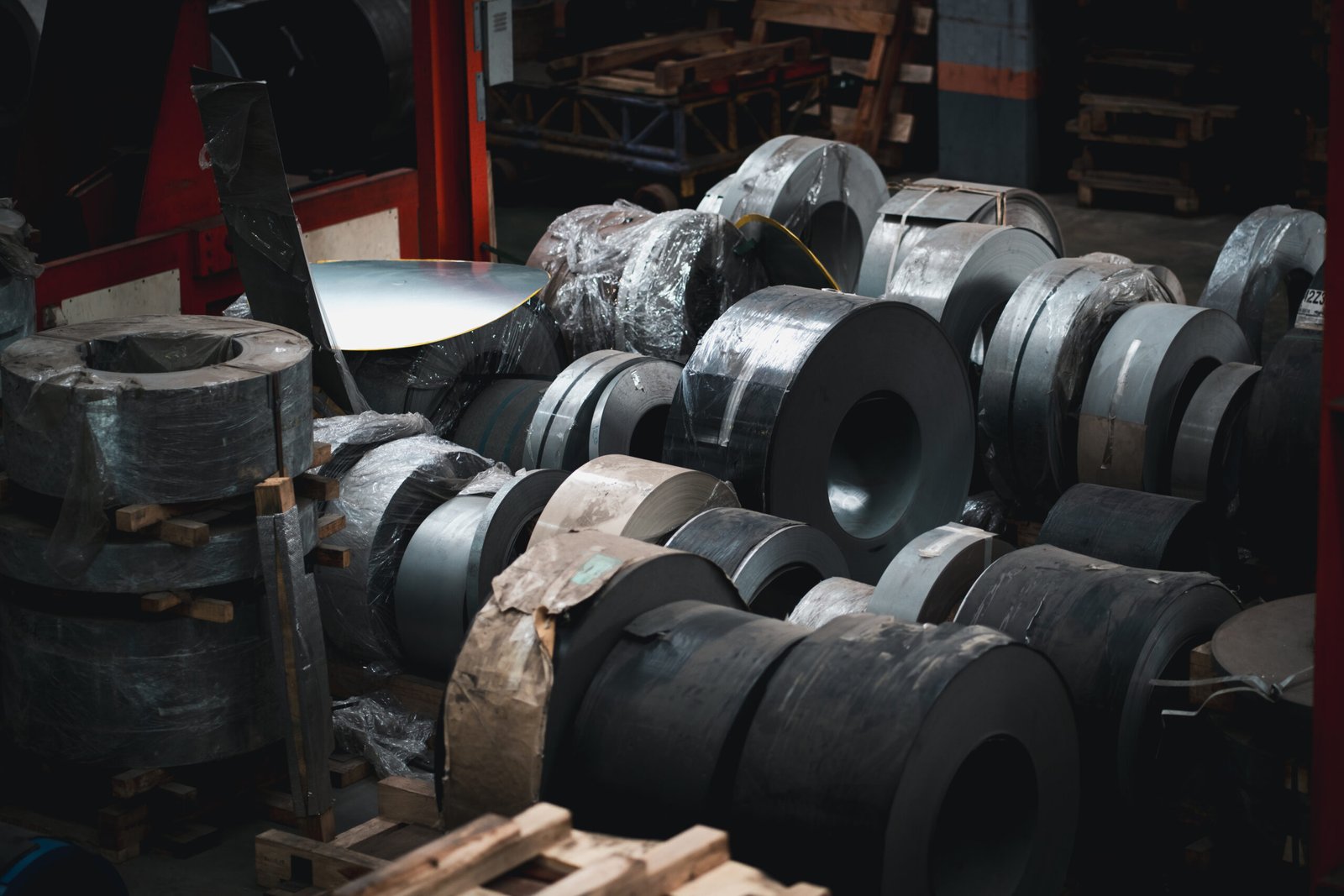
In-depth Cost Analysis of Producing Steel Coils Today
Unpredictable steel coil costs hurting your margins? Geopolitical shifts and hidden expenses make budgeting nearly impossible, creating constant uncertainty. Let’s break down the true cost drivers for clarity and control.
The true cost of producing steel coils today is a complex blend of volatile raw material prices, significant energy consumption, and labor expenses. Increasingly, it also includes major investments in technology, digital integration, and compliance with strict environmental regulations, which are reshaping production economics globally.
As the Global Business Director at MFY, I talk with partners every day who are grappling with price volatility. The final number on an invoice is just the tip of the iceberg. To make smart, strategic decisions for your business, you need to understand the pressures and opportunities happening beneath the surface. The dynamics of steel production are shifting faster than ever, and a deeper knowledge of the cost structure is no longer just useful—it's essential for survival and growth. Let's dive into the core components that determine the price you pay.
What are the key cost components in steel coil production?
You see the final price, but not the breakdown. This lack of transparency makes negotiation and planning extremely difficult for your projects. Here are the core components you must know.
The key cost components in steel coil production are raw materials (like iron ore, nickel, chromium), energy (electricity and coke), labor, capital equipment depreciation, logistics, and, increasingly, technology investment and regulatory compliance. These elements combine to form the total manufacturing expense.
To truly grasp the cost of a steel coil, we need to look at both the traditional and modern factors at play. For decades, the formula was relatively simple, but today's landscape is far more complex. At MFY, we track these components meticulously because they directly impact the value and stability we can offer our partners. It’s a balance of managing the old while embracing the new.
Traditional vs. Modern Cost Factors
The cost structure has evolved. What was once a straightforward calculation is now influenced by global megatrends. Environmental, social, and governance (ESG) factors, for instance, are no longer on the periphery; they are central to operational costs, especially in Europe and North America. This includes the cost of carbon credits[^1] and investments in cleaner production technologies. Similarly, the push for Industry 4.0[^2] means that digital integration—from supply chain software to AI-driven quality control—is now a significant, yet vital, expenditure. These modern costs, while adding upfront expense, are critical for long-term efficiency and competitiveness.
| Cost Component | Description | Impact on Final Price |
|---|---|---|
| Raw Materials | Iron ore, scrap steel, nickel, chromium, and other alloys. | High & Volatile |
| Energy | Electricity for electric arc furnaces (EAF) or coke for blast furnaces. | High & Fluctuating |
| Labor | Skilled and unskilled workforce for operations and maintenance. | Moderate & Stable |
| Logistics | Inbound raw materials and outbound finished coils (shipping, freight). | Moderate & Volatile |
| Capital & Depreciation | The cost of building and maintaining the mill and its equipment. | High & Fixed |
| Compliance & Tech | Environmental regulations, R&D, and digital system integration. | Growing & Strategic |
How do raw material prices impact the overall production cost?
Raw material prices are notoriously volatile. This volatility directly threatens your project budgets, supply chain stability, and overall profitability. Let's examine how these fluctuations translate into your final cost.
Raw material prices are the single largest and most volatile component, often accounting for 50-60% of the total production cost. Fluctuations in iron ore, scrap, nickel, and chromium prices, driven by global supply and demand, directly and immediately impact the final cost of steel coils.
The link between a mine in Australia and the price of a stainless steel coil in Germany is direct and powerful. This is the reality of our globalized industry. I remember a client in India who faced this exact issue last year. A sudden geopolitical event caused a spike in nickel prices, and their budget for a major infrastructure project was thrown into chaos. It highlighted for them, and for us, the critical need for supply chain resilience and strategic sourcing to mitigate these risks. Understanding these dynamics is key to navigating the market effectively.
Geopolitical Ripple Effects
We can't discuss raw materials without talking about geopolitics. Trade tariffs, sanctions, and regional conflicts create chokepoints and uncertainty in the supply chain. A new tariff can add a significant percentage to material costs overnight, while a conflict can disrupt shipping routes and delay deliveries for weeks. This is why at MFY, we've diversified our sourcing and built a robust logistics network. We aim to absorb these shocks so our clients don't have to. It’s not just about finding the lowest price; it’s about ensuring a stable and predictable supply, which in the long run, is far more valuable.
The Nickel Factor in Stainless Steel
For stainless steel specifically, the price of nickel is a huge driver. Its anti-corrosive properties are essential, but its price is famously volatile, often influenced by speculation on the London Metal Exchange (LME) as much as by industrial demand. When nickel prices swing, the surcharge on stainless steel grades like 304 and 316 follows suit. This is why we work closely with clients to forecast their needs and advise on purchasing strategies, helping them buy at opportune times to buffer against this volatility.
What is the effect of energy consumption on steel coil manufacturing expenses?
Energy is a massive, often underestimated expense in steel production. Rising global energy prices can silently erode your profits if not properly managed. Let’s quantify its significant impact on manufacturing expenses.
Energy consumption is a major operational cost, representing up to 20-30% of a steel mill's expenses. The immense heat required for blast furnaces and electric arc furnaces makes production highly sensitive to fluctuations in electricity and natural gas prices, directly affecting the coil's final price.
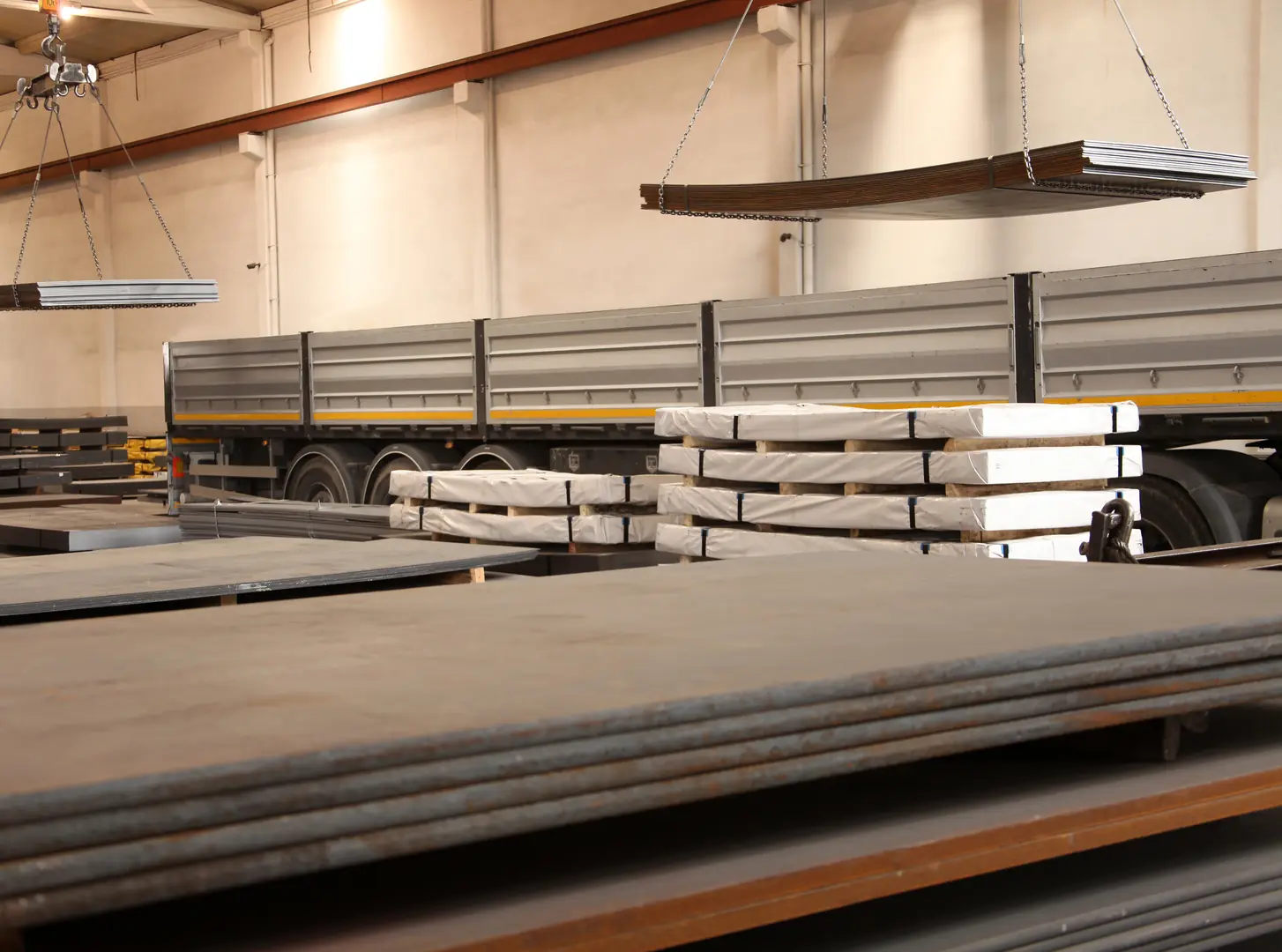
Steelmaking is fundamentally about heat. Whether you're melting scrap in an electric arc furnace or processing iron ore in a blast furnace, the process is incredibly energy-intensive. It's a cost that we can't avoid, but one we must relentlessly optimize. In recent years, the global energy market has become a source of major uncertainty, and this has put immense pressure on manufacturers. The challenge isn't just about cost, but also about sustainability.
The Furnace Fuel Bill
The choice between a Basic Oxygen Furnace (BOF) and an Electric Arc Furnace (EAF)[^3] has significant cost implications. BOFs rely on coke (derived from coal), making them susceptible to coal price volatility. EAFs, which are more common for stainless and specialty steels, run on electricity and primarily use scrap metal. This makes them highly exposed to regional electricity prices. A heatwave in summer or a cold snap in winter can cause electricity prices to spike, and that cost is passed directly into the steel. It's a variable that requires constant monitoring and strategic energy procurement.
The Green Energy Transition
The global push for decarbonization is adding another layer to the energy equation. Many mills, including our partners, are investing heavily in energy efficiency and shifting towards renewable energy sources. This involves significant capital expenditure upfront—for things like waste heat recovery systems or agreements to purchase solar and wind power. While this increases short-term costs, it's a strategic investment. It not only reduces long-term exposure to volatile fossil fuel markets but also aligns with the stringent environmental regulations our customers face, making our products more attractive in a green-conscious market.
How can technology improvements reduce production costs in steel coil manufacturing?
Relying on old, outdated methods is inefficient and expensive. Meanwhile, competitors using new technology are gaining a significant cost and quality advantage. Technology is the most powerful lever for long-term cost reduction.
Technology improvements, particularly automation and AI, drastically reduce production costs by increasing efficiency, minimizing material waste, lowering labor requirements, and enabling predictive maintenance. This leads to higher yields, better quality control, and greater operational uptime, directly cutting the cost per ton.
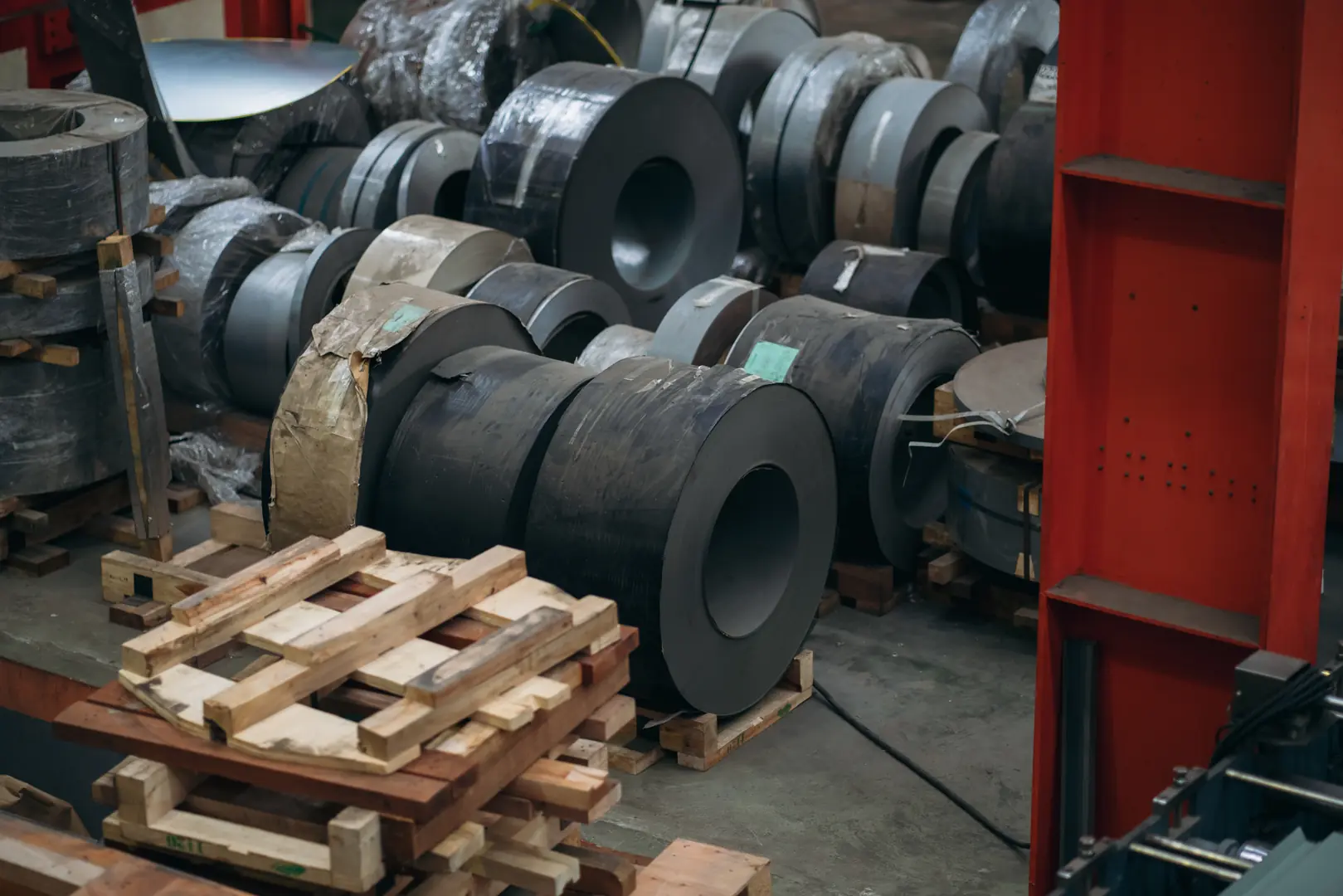
The conversation about cost can't just be about cutting expenses; it must be about smart investment. At MFY, we believe that technology is the ultimate deflationary force in our industry. While the initial capital outlay for a "smart factory" can be substantial, the long-term return on investment is undeniable. It's the difference between running a reactive operation and a proactive, optimized one. We are seeing this firsthand in our partner facilities, where digital integration is transforming the entire production floor.
The Rise of the Smart Factory
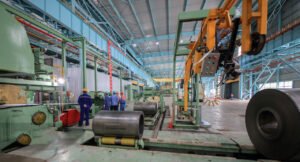
Automation is the most visible change. Robotic arms, automated cranes, and unmanned transport systems reduce the need for manual labor in dangerous or repetitive tasks, which lowers labor costs and improves safety. But the real revolution is happening with data. Sensors throughout the production line collect millions of data points on temperature, pressure, and chemical composition. This allows for real-time adjustments that were impossible a decade ago, ensuring every coil is produced to exact specifications and minimizing costly defects or rework.
Data-Driven Decision Making
Beyond the production line, artificial intelligence is optimizing the entire business. AI algorithms can analyze market data to predict demand, helping us manage inventory more effectively and avoid overproduction. They also power predictive maintenance systems, which monitor equipment health and alert us to potential failures before they happen. An unplanned shutdown is one of the most expensive events a mill can experience. By using AI to prevent them, we ensure consistent production and reliable delivery schedules for our clients, which is a core part of our service promise.
What strategies can manufacturers adopt to optimize steel coil production costs?
You know you need to control costs to stay competitive. But simply cutting corners on quality or service is not a sustainable long-term strategy. Here are the smart, strategic ways to truly optimize expenses.
To optimize costs, manufacturers must adopt a multi-faceted strategy: invest in energy-efficient technologies and automation, develop resilient and diversified raw material supply chains, implement lean manufacturing principles to eliminate waste, and leverage data analytics for process improvement.
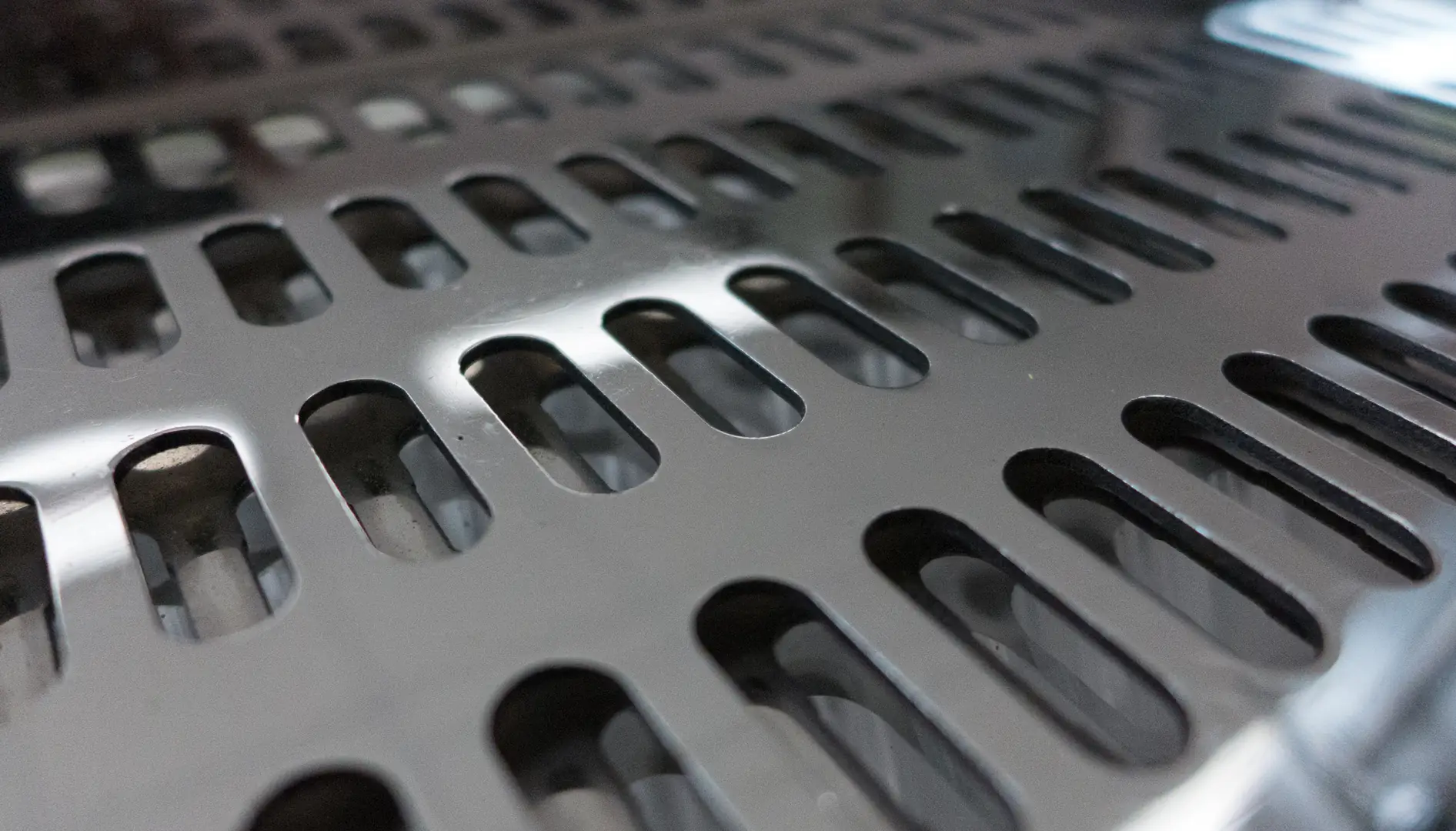
Cost optimization is an ongoing process, not a one-time project. It requires a holistic view of the entire operation, from sourcing raw materials to delivering the final product. For us at MFY, and for the entire industry, the goal is to build a more resilient, efficient, and sustainable production model. This isn't just about protecting our own margins; it's about providing our partners with the stability and value they need to succeed in their own markets. True optimization is about creating a win-win scenario.
A Blueprint for Cost Resilience
The best strategies address every key cost component we've discussed. It's about finding synergy between different initiatives. For example, investing in a new, more energy-efficient furnace not only cuts your electricity bill but also reduces your carbon footprint, which can lower compliance costs. Similarly, implementing a digital supply chain platform provides better visibility into raw material prices, allowing for more strategic purchasing. It's this integrated approach that delivers the most significant and lasting results.
| Strategy Area | Key Actions | Expected Outcome |
|---|---|---|
| Technological Investment | Implement automation, IoT sensors, and AI-driven analytics. | Increased efficiency, reduced waste, lower labor costs. |
| Supply Chain Resilience | Diversify raw material suppliers and use hedging instruments. | Mitigated price volatility, ensured supply security. |
| Energy Management | Invest in energy-efficient equipment and renewable sources. | Lowered energy expenses, reduced environmental impact. |
| Lean Principles | Focus on continuous improvement and waste elimination. | Improved productivity, streamlined operations. |
Conclusion
Understanding today's steel coil costs means looking beyond raw materials. It requires a sharp focus on technology, energy efficiency, and geopolitical awareness. The most resilient and valuable partners are those who invest in these areas to deliver long-term stability and a competitive edge for your business.
Have Questions or Need More Information?
Get in touch with us for personalized assistance and expert advice.


 English
  Русский