Ultimate Guide to Corrosion-Resistant Sheet Price & Application Scenarios
Struggling with volatile material costs? Unsure which corrosion-resistant sheet fits your project? We provide the clarity you need for smart procurement and application decisions.
Corrosion-resistant sheets, especially stainless steel, are vital for durability in harsh environments. Their price is tied to raw materials and supply chains, while applications range from architecture to chemical processing. Understanding these factors is key to optimizing costs and project success.
As the Global Business Director at MFY, I talk to partners every day who are trying to balance performance with budget. The world of industrial materials can be complex, but it doesn't have to be confusing. Let's break down what you need to know to navigate this market. I've seen firsthand how the right knowledge can transform a project's budget and longevity, turning a good project into a great one.
What is the Market Background of Corrosion-Resistant Sheets?
The market seems unpredictable. Raw material prices shift constantly. We'll show you the key drivers so you can anticipate changes and plan your procurement effectively.
The market for corrosion-resistant sheets is driven by industrial demand for durable, low-maintenance materials. Key factors influencing it include raw material costs like nickel and chromium, global economic trends, and a growing emphasis on sustainability and long-lifecycle products.
To truly grasp the pricing and application of these materials, we must first look at the bigger picture. The market is not random; it's a dynamic system influenced by a few core pillars. At MFY, we monitor these factors constantly to advise our clients and manage our own integrated supply chain[^1]. It’s about seeing the patterns before they become problems.
The Role of Raw Materials
The price of stainless steel is fundamentally tied to the commodity markets. Nickel and chromium are the star players here. When their prices spike due to mining disruptions, geopolitical events, or increased demand from other sectors like electric vehicle batteries, the cost of stainless steel follows. I remember a period last year when nickel prices surged unexpectedly; clients who had locked in prices with us were shielded, while others faced significant budget overruns. It’s a clear lesson in the value of strategic sourcing.
Global Supply Chain Dynamics
Beyond raw materials, logistics and production capacity play a huge role. As a Chinese group, MFY is at the heart of global stainless steel production. We see how energy costs, shipping rates, and international trade policies directly impact the final price for a contractor in Germany or a manufacturer in Brazil. An efficient, integrated supply chain isn't a luxury; it's a necessity to absorb these shocks and deliver consistent value. It allows us to manage everything from raw material sourcing to final delivery, cutting out inefficiencies that drive up costs for our partners.
| Factor | Primary Impact on Price | Market Volatility |
|---|---|---|
| Nickel Price | High | High |
| Chromium Price | Medium | Medium |
| Energy Costs | Medium | Medium-High |
| Shipping Rates | Low-Medium | High |
What are the Current Application Scenarios for Corrosion-Resistant Sheets?
Choosing the right material is tough. A wrong choice leads to costly failures. We'll explore key applications to help you select the perfect sheet for your needs.
Corrosion-resistant sheets are used across many sectors. Key applications include architectural facades and cladding, chemical processing tanks and pipes, food and beverage equipment, marine hardware, and automotive components, where longevity and resistance to harsh elements are critical.

The versatility of stainless steel is one of its greatest strengths. It's not a one-size-fits-all material. The specific grade and finish you choose will determine its success in a given environment. We work closely with our clients to match the right product to the right application, ensuring performance without over-engineering the cost.
In Construction and Architecture
This is where aesthetics meet endurance. Architects and contractors choose stainless steel for everything from stunning building facades and roofing to structural components in corrosive coastal areas. Its ability to resist atmospheric corrosion while maintaining a clean, modern look reduces long-term maintenance costs significantly. We recently supplied a project in Dubai where the architect needed a specific finish that could withstand sand, salt, and intense sun. The result was a beautiful, long-lasting structure.
In Heavy Industry and Processing
In chemical plants, food processing facilities, and pharmaceutical manufacturing, hygiene and resistance to aggressive chemicals are non-negotiable. This is where grades like 316L[^2], with its added molybdenum, truly shine. These sheets are used for tanks, pipes, and processing equipment because they don't react with the products they contain and can be easily sterilized. A client in the food and beverage industry once told me that switching to our 304-grade stainless steel for their production line not only prevented contamination but also cut their cleaning and maintenance downtime by 30%.
| Grade | Common Application | Key Benefit |
|---|---|---|
| 304/304L | Food Equipment, Kitchen Sinks | Good general corrosion resistance |
| 316/316L | Chemical Tanks, Marine Parts | Superior resistance to chlorides |
| 430 | Automotive Trim, Appliances | Good formability, lower cost |
What are the Challenges in Pricing Corrosion-Resistant Sheets?
Prices change without warning. This makes budgeting a nightmare. We'll break down the core challenges so you can understand and navigate market volatility with confidence.
Key pricing challenges include the high volatility of raw material costs (nickel, chromium), fluctuating energy prices for production, complex global supply chain logistics and tariffs, and the diverse range of grades and finishes, which all impact the final cost.
Navigating the pricing of corrosion-resistant sheets requires a proactive and informed approach. It’s not just about finding the lowest number; it’s about understanding the value and stability behind that number. For professionals in manufacturing and construction, this understanding is crucial for accurate bidding and profitable project management.
The Impact of Market Volatility
As I mentioned, the prices of nickel and chromium can swing dramatically. This isn't just an abstract number on a stock market ticker; it directly translates to the cost per ton of the steel sheet you need. A project quoted in January might have a completely different material cost by March. This volatility makes long-term budgeting incredibly difficult for companies that don't have a strategy to manage it. This is a core problem we aim to solve for our partners at MFY.
Hidden Costs in the Supply Chain
The sticker price of the material is only part of the story. You also have to consider shipping costs, import tariffs, and currency exchange rates. A sudden change in trade policy between two countries can add a significant percentage to your final cost overnight. I’ve seen companies get caught off guard by these "hidden" expenses, which can erode their entire profit margin on a project. A reliable partner should provide transparent, all-inclusive pricing that accounts for these variables, giving you a clear picture of your total landed cost.
What are the Strategies to Overcome Pricing Challenges for Corrosion-Resistant Sheets?
High costs are hurting your margins. You need a smarter procurement strategy. We offer practical ways to secure better pricing and protect your budget from market shocks.
Strategies include partnering with suppliers who have an integrated supply chain, leveraging volume purchasing, utilizing forward contracts to lock in prices, and selecting the most cost-effective material grade that still meets project specifications without over-engineering.
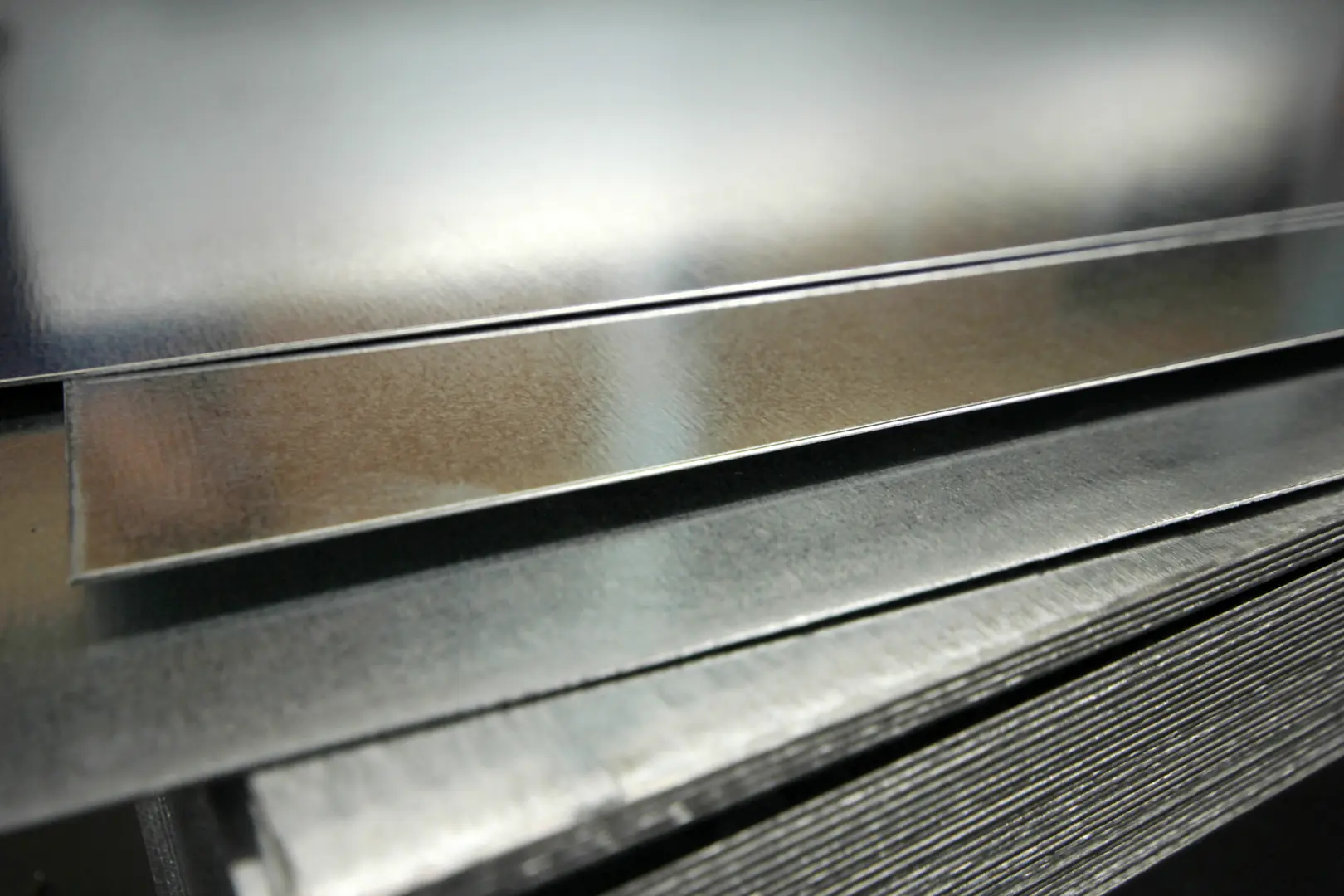
You don't have to be a victim of market volatility. With the right strategy and the right partner, you can gain control over your material costs. At MFY, our entire business model is built around providing this stability and value to our clients.
The Power of an Integrated Supply Chain
This is the most effective strategy. When your supplier controls the process from raw material acquisition to production and final delivery, they can absorb shocks and optimize costs in a way a simple trader cannot. MFY's integrated model allows us to manage inventory strategically, secure raw materials at favorable terms, and streamline logistics. This efficiency is passed directly to our clients in the form of competitive and stable pricing. We aren't just selling steel; we are selling a resilient and reliable supply chain.
Smart Sourcing and Grade Selection
Sometimes, the best way to save money is to choose the right material. Over-specifying a project with a higher-grade, more expensive stainless steel than necessary is a common and costly mistake. I remember working with an engineering contractor in India who was about to order 316L for an indoor structural application. After discussing the environment, we realized that 304 would provide all the necessary performance at a significantly lower cost. This kind of expert guidance is a key part of a true partnership. It’s about finding the sweet spot between performance and price.
What are the Technological Advancements in the Application of Corrosion-Resistant Sheets?
Old materials can't meet modern demands. Innovation is changing the game. We'll explore new technologies that are making corrosion-resistant sheets more effective and versatile than ever.
Technological advancements include new alloy developments for superior corrosion resistance, advanced surface treatments and coatings, precision laser cutting and forming techniques, and the integration of smart materials for monitoring structural integrity, expanding applications into more demanding environments.
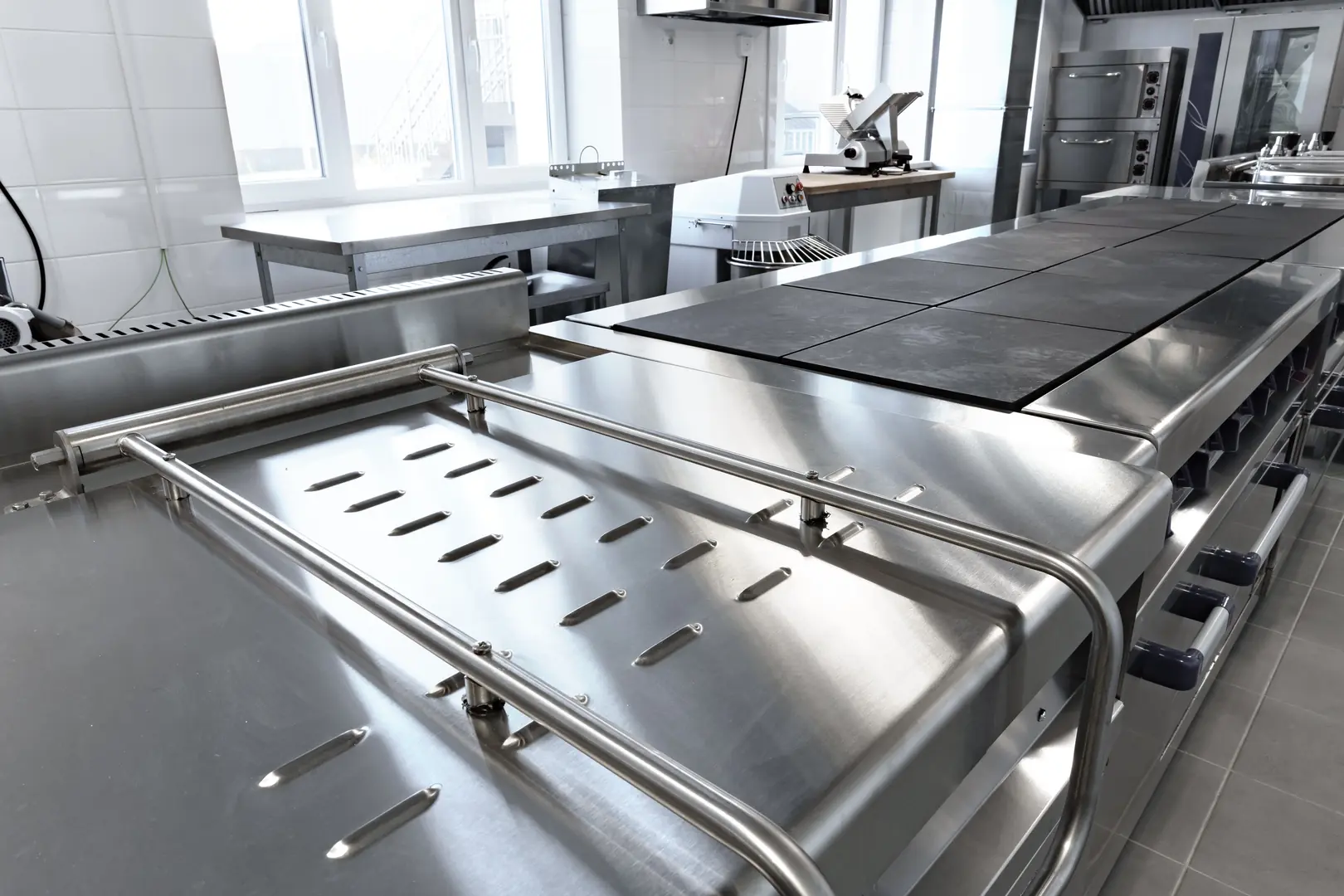
The world of stainless steel is not static. Continuous innovation in metallurgy and manufacturing is pushing the boundaries of what these materials can do. Staying on top of these trends is essential for any company that wants to maintain a competitive edge.
New Alloy Formulations
Researchers are constantly developing new stainless steel alloys with enhanced properties. Duplex stainless steels[^3], for example, offer a combination of strength and corrosion resistance that is superior to standard austenitic or ferritic grades. This makes them ideal for highly demanding applications in the oil and gas and chemical processing industries. These new materials can solve problems that were previously unsolvable, opening up new possibilities for engineers and designers.
Advanced Fabrication Methods
Technology is also changing how we work with stainless steel. High-precision laser cutting and waterjet systems allow for intricate designs and tight tolerances that were once impossible. Advanced welding techniques are creating stronger, more reliable joints. These advancements not only improve the quality of the final product but also reduce waste and fabrication time, leading to overall project cost savings. At MFY, we invest in these technologies to ensure we can deliver not just raw material, but precisely processed components ready for our clients' assembly lines.
| Technology | Traditional Method | Key Advantage of New Tech |
|---|---|---|
| Laser Cutting | Mechanical Shearing | High precision, complex shapes, clean edges |
| TIG Welding | Stick Welding | Stronger, higher-quality welds, less finishing |
| Surface Coating | Standard Polishing | Enhanced specific resistances (e.g., anti-fingerprint) |
Conclusion
Understanding the market, applications, and pricing of corrosion-resistant sheets is key. By partnering with a supplier with an integrated supply chain like MFY, you can navigate volatility, optimize costs, and ensure the long-term success of your projects.
Have Questions or Need More Information?
Get in touch with us for personalized assistance and expert advice.



 English
  Русский